

Article
Thomas de Waal
{
  "authors": [
    "Thomas de Waal"
  ],
  "type": "legacyinthemedia",
  "centerAffiliationAll": "dc",
  "centers": [
    "Carnegie Endowment for International Peace",
    "Carnegie Europe",
    "Carnegie Russia Eurasia Center"
  ],
  "collections": [],
  "englishNewsletterAll": "ctw",
  "nonEnglishNewsletterAll": "",
  "primaryCenter": "Carnegie Europe",
  "programAffiliation": "russia",
  "programs": [
    "Russia and Eurasia"
  ],
  "projects": [],
  "regions": [
    "Central Asia",
    "Caucasus",
    "Russia"
  ],
  "topics": [
    "Political Reform",
    "Security"
  ]
}
Source: Getty
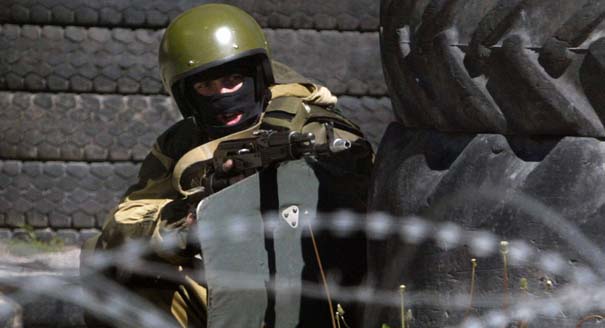
The North Caucasus, home of a low-level Islamist insurgency, is easily Europe’s worst conflict zone. Moscow has lost authority over the territory—but no one else has gained it.
Source: Financial Times
The link between the bombers of Boston and Russia’s north Caucasus has brought back into the headlines a region on the edge of Europe whose problems stubbornly refuse to go away.
In about 2002, Vladimir Putin, the Russian president, appeared to have “pacified” the separatist region of Chechnya after two catastrophic conflicts in which the Russian military devastated it.
From around that point, the conflict mutated. Pro-independence Chechen rebels were eclipsed by Islamist insurgents across a wider region. They began a series of terrorist attacks, most horrendously the capture of the school in the town of Beslan in 2004.
Most western governments had done little or nothing to halt Russia’s war in Chechnya and many were bracing themselves for an Islamist attack by a Chechen or a Dagestani on a western target. It did not happen – until last week.Even now, about 700 people are dying each year in a low-level Islamist insurgency in the north Caucasus – easily Europe’s worst conflict zone. Because of media restrictions and Russia’s determination to ignore its own conflict, the war gets little coverage.
To any outsider who has tried to care, the Russian government has always responded with a double message. On the one hand, Moscow argues, they deserve western support, as militancy in the north Caucasus has nothing to do with Russia’s policies, but is purely another front in the international “war on terror”. On the other hand, they say, this is a domestic Russian issue and foreigners have no right to internationalise it or question Russia about it. Most western governments, with enough other problems on their agenda, have agreed to play along with this doublethink. But now that line is increasingly untenable.
Look at the Tsarnaev brothers. We are a long way from knowing who, if anyone, ordered them to bomb the Boston Marathon, but there is now a trail that leads from Massachusetts back to Dagestan and Grozny. At the least, someone there had the will to export terror to the west.
Moreover, in less than a year’s time, Russia is hosting the Winter Olympic Games of 2014 in the Black Sea city of Sochi, right on the threshold of the region. The world is heading to the north Caucasus. There is an obvious danger of terrorism. Up until now, the Russian government has resisted offers of collaboration over security for the games. The same Russian agencies that have brutally subdued the north Caucasus seem to be planning a security lockdown in Sochi. I heard one report of a downhill ski-race in which soldiers outnumbered spectators down the route.
That no longer looks good enough. Washington, London and Paris will want to consult Moscow on how to handle security for their teams and visitors. Collaboration over Sochi will also be easier now that there is dialogue between Russia and Georgia again after the election of a new government in Tbilisi.
But there is a bigger problem here. This is a region of nine million people where Moscow has lost authority and no one else has gained it. The Russian scholar Alexei Malashenko calls the north Caucasus Russia’s “inner abroad” because it bears so little resemblance to the rest of the country. Where most of Russia is Orthodox Christian or atheist, the region is predominantly Muslim. While Russia has an ageing and shrinking population, the demographic situation in the north Caucasus is more like Gaza. The young heavily outnumber the old, the birth rate is rising, in some areas unemployment is at about 50 per cent. The problem is now the exact reverse of what it was in the 1990s: the region needs more (civilian) government by Moscow, not less.
From the Yeltsin years, the Russian government did its best to squeeze out an international presence on the ground – first of the Organisation for Security and Co-operation in Europe, or OSCE, whose mission in Chechnya negotiated the end of the first war in 1996, then of the Council of Europe, which monitored human rights abuses during Mr Putin’s war in the early 2000s.
Russia can begin by asking those two organisations, of which it is a member, back into the region and begin the long process of enmeshing it back into wider Europe. Even the most diehard Russian patriots will have to admit by now that opening up the north Caucasus is a better option than leaving it as a dark forgotten corner of Europe incubating violence.

Senior Fellow, Carnegie Europe
Thomas de Waal is a senior fellow at Carnegie Europe, specializing in Eastern Europe and the Caucasus.
Recent Work
Thomas de Waal
Thomas de Waal
Carnegie does not take institutional positions on public policy issues; the views represented herein are those of the author(s) and do not necessarily reflect the views of Carnegie, its staff, or its trustees.
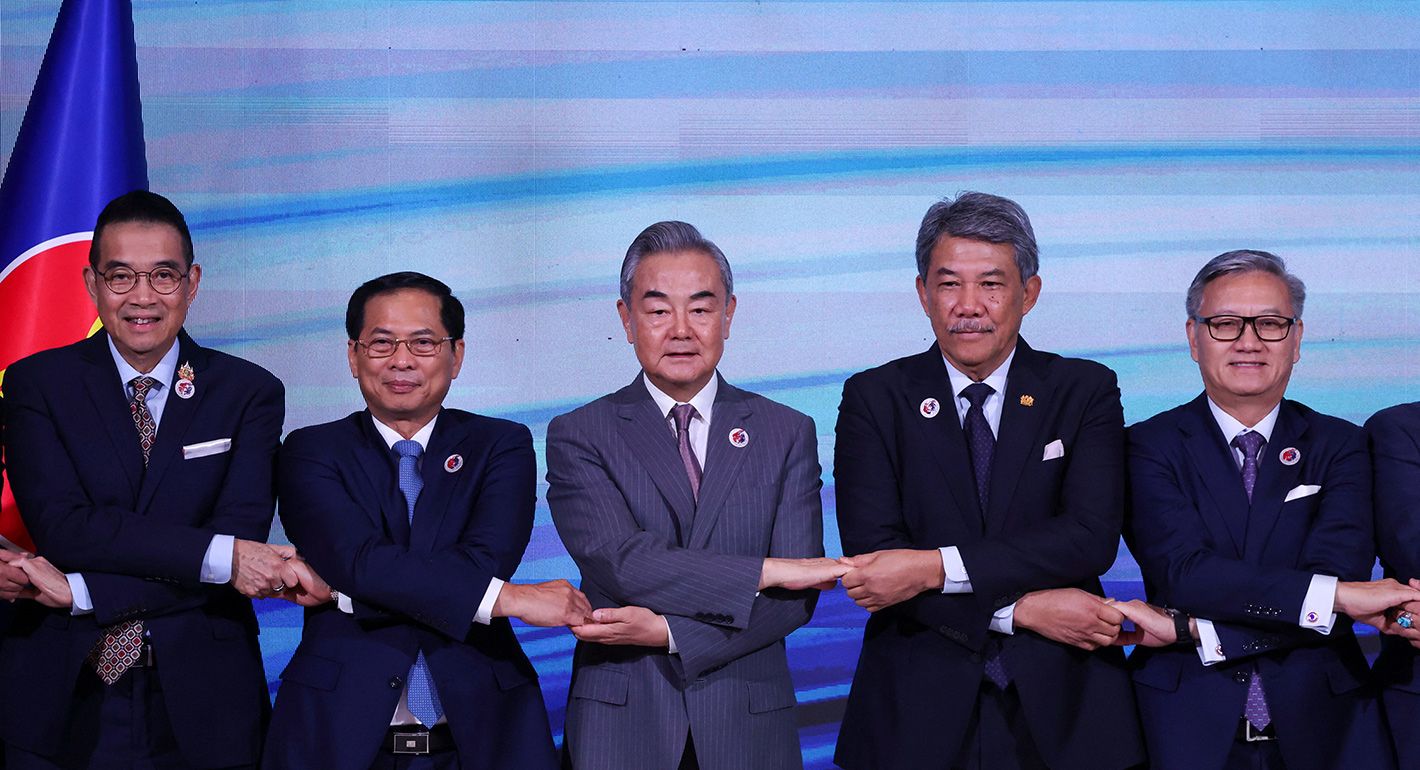
The Thai-Cambodian conflict highlights the limits to China's peacemaker ambition and the significance of this role on Southeast Asia’s balance of power.

Pongphisoot (Paul) Busbarat
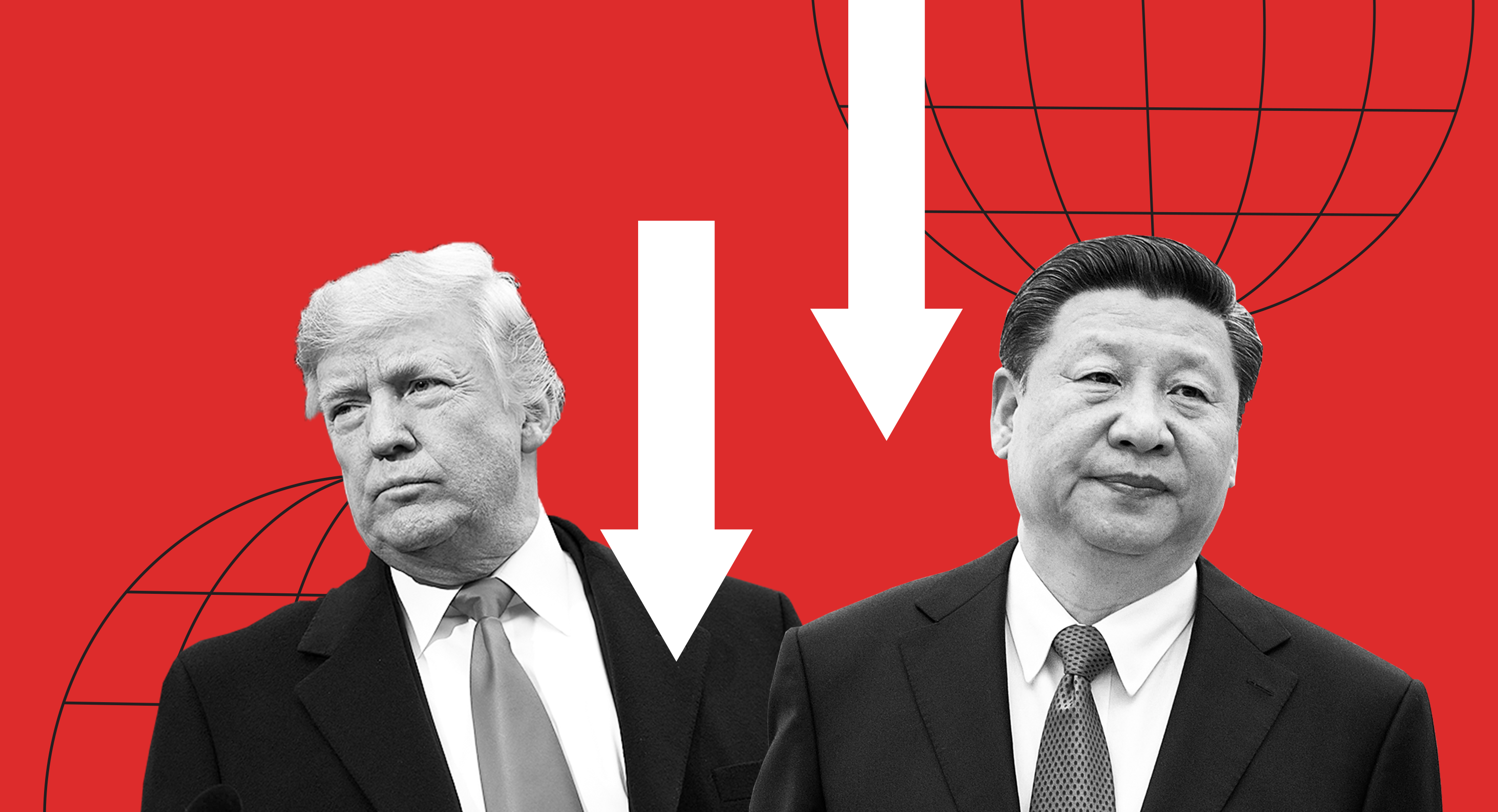
Beijing believes that Washington is overestimating its own leverage and its ability to handle the trade war’s impacts.


Rick Waters, Sheena Chestnut Greitens
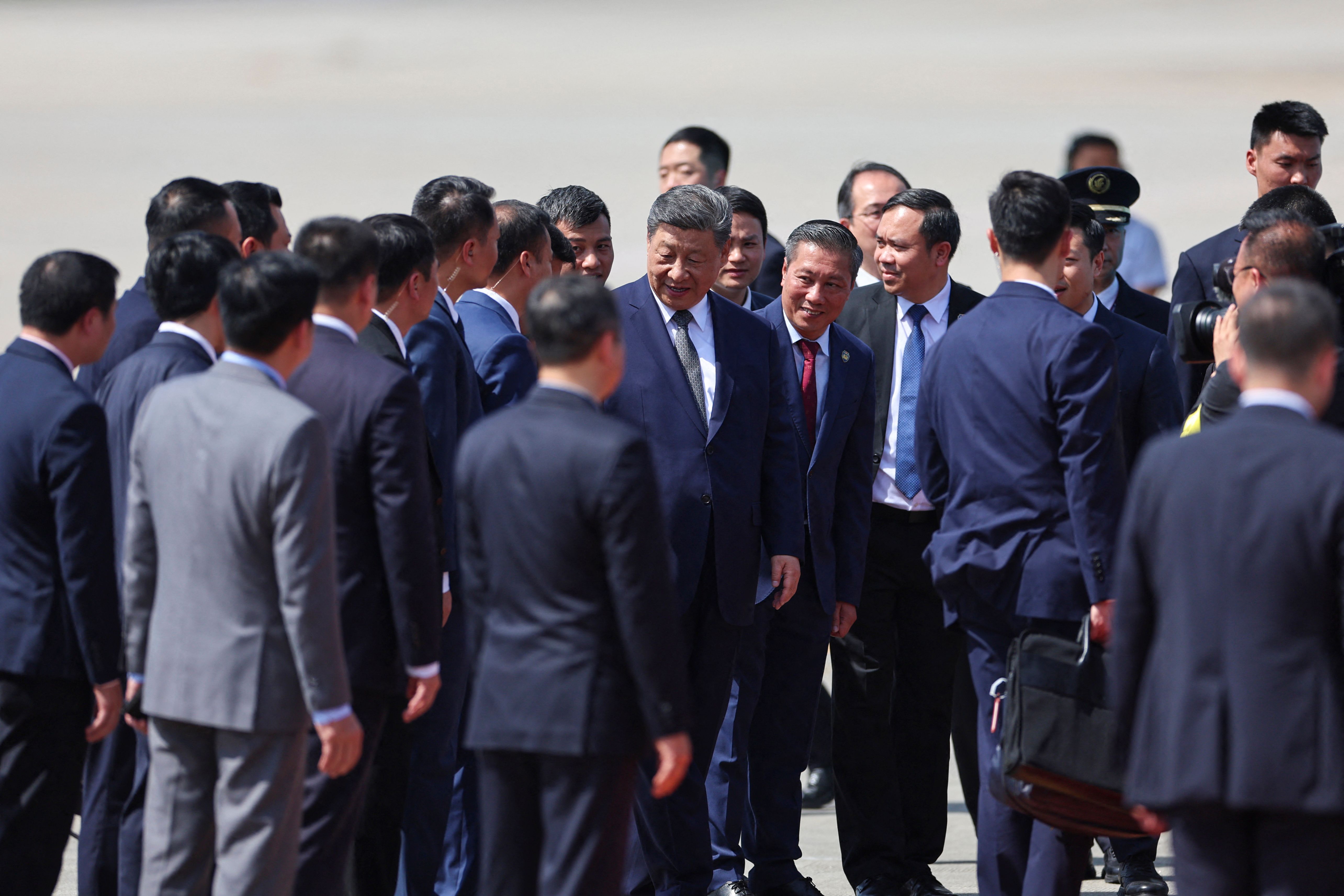
Tapping our network of China experts in the region, Carnegie China offers this latest “China Through a Southeast Asian Lens” report to offer preliminary assessments of whether the U.S. effort to reshape the global trading order will lead countries in the region to tilt toward Beijing.

Selina Ho, Khin Khin Kyaw Kyee, Joseph Ching Velasco, …
Beijing is trying to navigate the overall situation regarding Ukraine, especially the substance of interactions between Washington and Moscow.

Ellen Nakashima, Zhao Long, Pavlo Klimkin, …
While China will remain a significant political and economic force in the Global South, its ambition to leverage the Global South as a counterbalance to the United States and the Global North is far from assured.

Xue Gong