

Article
C. Raja Mohan, Darshana M. Baruah
{
  "authors": [
    "C. Raja Mohan"
  ],
  "type": "legacyinthemedia",
  "centerAffiliationAll": "dc",
  "centers": [
    "Carnegie Endowment for International Peace",
    "Carnegie India"
  ],
  "collections": [],
  "englishNewsletterAll": "ctw",
  "nonEnglishNewsletterAll": "",
  "primaryCenter": "Carnegie India",
  "programAffiliation": "SAP",
  "programs": [
    "South Asia"
  ],
  "projects": [],
  "regions": [
    "South Asia",
    "India",
    "Southeast Asia"
  ],
  "topics": [
    "Security",
    "Foreign Policy"
  ]
}
Source: Getty
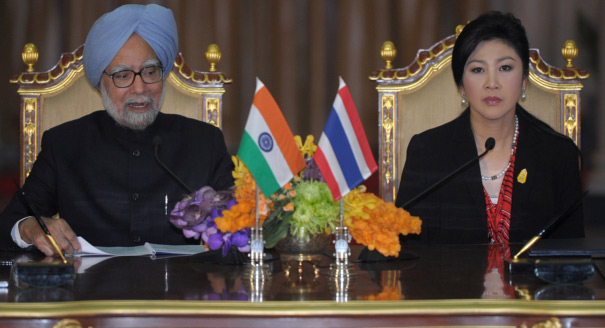
Indian Prime Minister Manmohan Singh’s recent visit to Thailand underlined the importance of that country to India’s "Look East" policy of regional connectivity.
Source: Indian Express
Bangkok is a familiar hub for Indian air travelers heading east; there are nearly 140 flights a week between Indian cities and Bangkok. India, however, is looking for a more substantive commercial connectivity to Thailand. Before he set out to Tokyo and Bangkok on Monday, Prime Minister Manmohan Singh underlined Thailand's location at the heart of Southeast Asia and its critical importance for India's Look East Policy.
A highway project linking India with Thailand through Myanmar has been in the works for more than a decade. The plan is to develop a 1400 kilometer road network connecting Moreh in Manipur to Mae Sot in Thailand through Bagan in Myanmar. The trilateral highway will do much to link India's "land-locked" Northeast to Southeast Asia. While the road will significantly improve the economic prospects of the Northeast, it can't serve as the main transport corridor between India and Southeast Asia. What India needs is a multi-modal transport system that will link peninsular India to Thailand through Myanmar, and move large volumes of goods and commodities between India and Southeast Asia.
The Thai prime minister, Yingluck Shinawatra, has been pushing for precisely such a project, called the Dawei corridor. The $ 8 billion project involves the construction of a deep sea port southern tip of Myanmar. Dawei is barely 250 km west of Bangkok. Besides the deep-sea port, other facilities planned for Dawei include an industrial estate, power plants and petroleum terminals to turn the region into a massive logistical hub. The port, located physically across the Bay of Bengal from Chennai, could serve as a valuable entrepôt for India's trade with Southeast Asia, most of which now moves through the circuitous and crowded Malacca Straits.The Dawei corridor is expected to figure prominently in the talks between Singh and Yingluck this week in Bangkok. The Dawei project is at the very heart of Yingluck's hopes to transform Thailand into a transport hub between the Pacific and Indian Oceans. While the Thai cabinet approved the project earlier this month, Bangkok is having problems drumming up international investor support. One reason is the fierce competition among a number of regional infrastructure projects.
Yingluck was in Tokyo last week making a big pitch for Japanese support for the project. Japan's immediate interest, however, is focused on developing another port at Thilawa, near Yangon, on the Irrawaddy delta. In his trip to Myanmar a few days ago, Japan Prime Minister Shinzo Abe visited Thilawa and affirmed Tokyo's political support to an industrial zone near the port being developed by major Japanese companies, Mitsubishi, Marubeni and Sumitomo.
Meanwhile, Chinese companies are developing a deep-sea port with oil and natural gas terminals at Kyaukphyu Island off the Rakhine coast in Myanmar. Large oil tankers are soon expected to disgorge millions of tonnes of hydrocarbons at Kyaukphyu that will be moved across Myanmar into southwestern China through a pipeline system. Further up north, Dhaka and Beijing are in preliminary discussions to develop a deep-sea port at Sonadia Island off Cox's Bazaar that could become a gateway to the eastern subcontinent, southwestern China and northern Myanmar.
While Asian corporations are excited at the prospect of developing the Bay of Bengal's eastern seaboard and reconfiguring the geoeconomics of its littoral, Indian companies have been rather slow in responding to the new opportunities at hand.
For its part, Delhi says all the right things about "Looking East" and promoting connectivity. But it is hard to discern political sensitivity in India to the emerging strategic importance of the Bay of Bengal. As a new Great Game unfolds in the east, the once sleepy Andaman Sea is becoming the maritime fulcrum of the Indo-Pacific. The challenge before Delhi is only partly military. It is also about imagining a significant economic transformation of the Andaman and Nicobar Islands that run right through the Bay of Bengal.
While Delhi has begun to slowly beef up the military potential of the Andamans, it has devoted little attention to the larger developmental possibilities in the Bay of Bengal. As he flies across the islands on his way home later this week, Singh should consider making an early visit to the Andamans. As the rest of Asia gets drawn into conflicts over island territories, the least Delhi can do is to end the current economic neglect of the Andamans.
Former Nonresident Senior Fellow, Carnegie India
A leading analyst of India’s foreign policy, Mohan is also an expert on South Asian security, great-power relations in Asia, and arms control.
Recent Work

C. Raja Mohan, Darshana M. Baruah


Alexander Gabuev, Paul Haenle, C. Raja Mohan, …
Carnegie does not take institutional positions on public policy issues; the views represented herein are those of the author(s) and do not necessarily reflect the views of Carnegie, its staff, or its trustees.
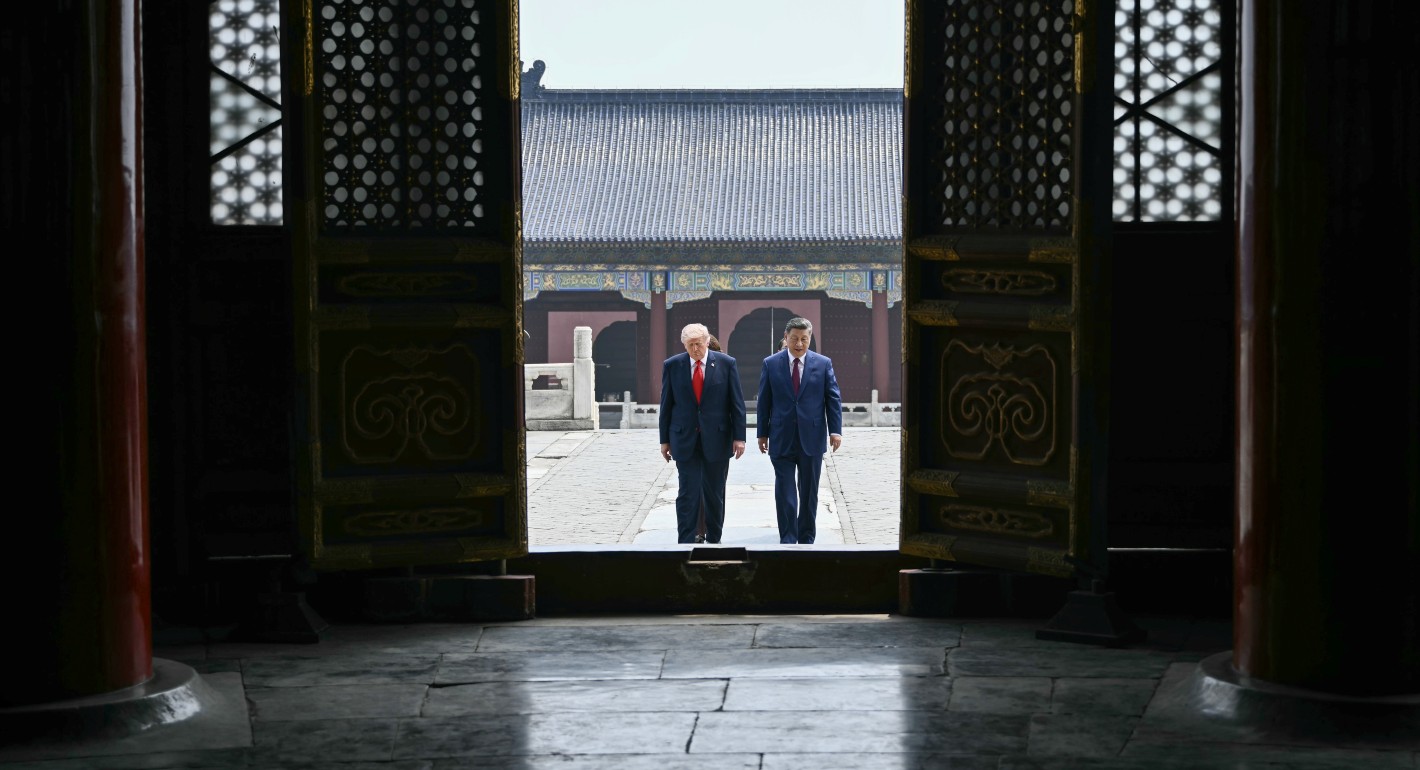
But their "principal to principal" model will only be as effective as the political strength of each leader back home.

Damien Ma
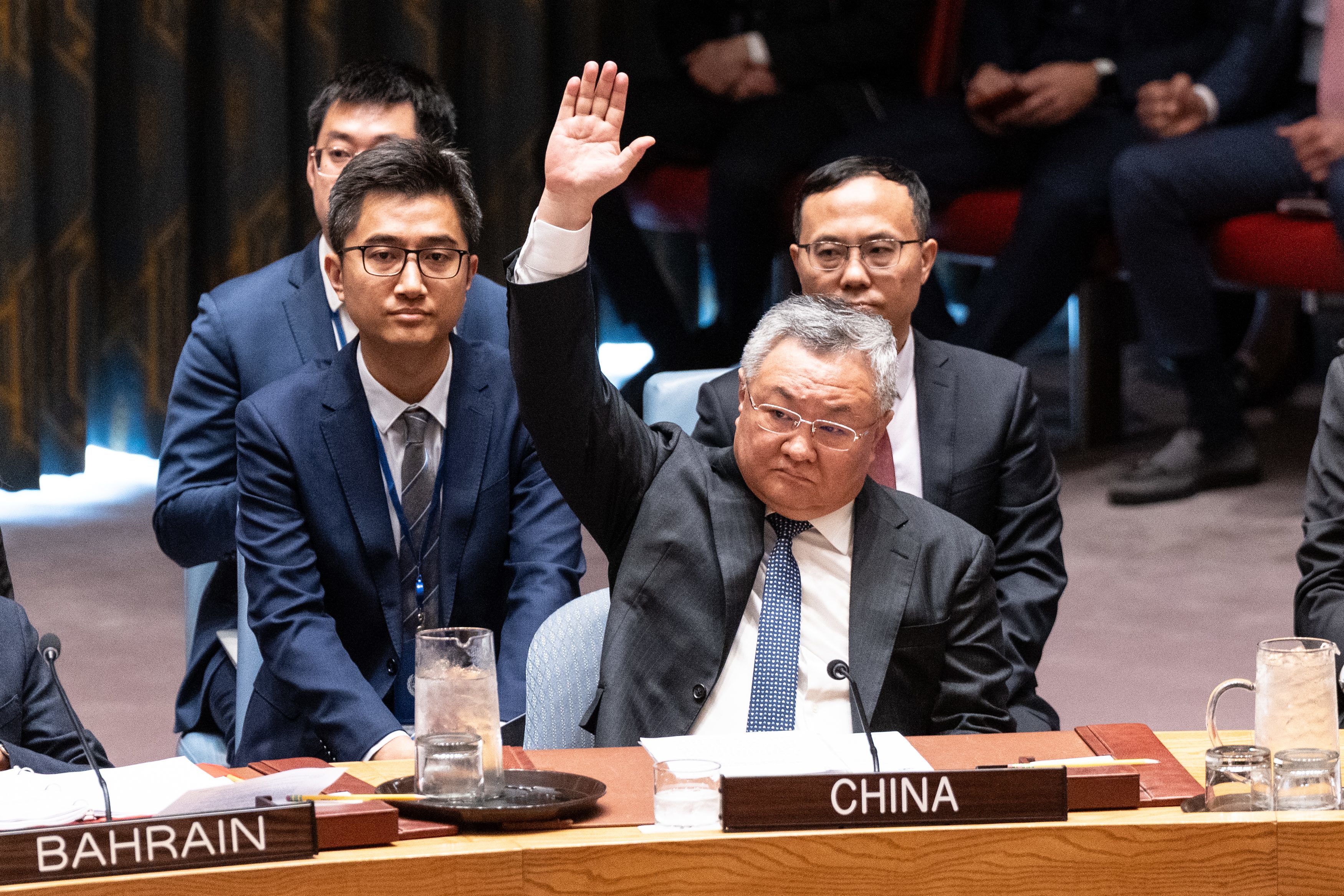
U.S. unpredictability has allowed China to capitalize on its positioning as the “responsible great power”. Paradoxically, the more China wins the perception game, the more likely expectations will rise for Beijing to deliver not just words but to demonstrate with its deeds.

Chong Ja Ian
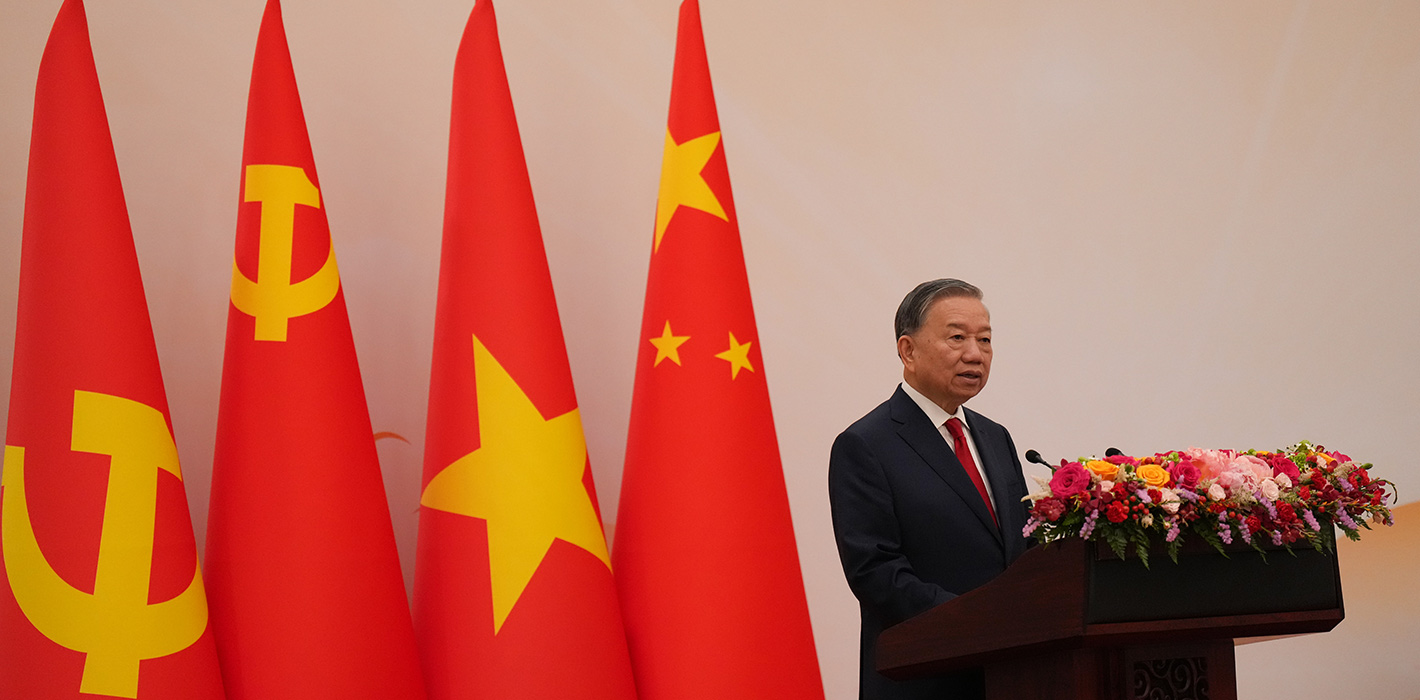
Hanoi and Beijing have long treated each other as distant cousins rather than comrades in arms. That might be changing as both sides draw closer to hedge against uncertainty and America’s erratic behavior.

Nguyễn Khắc Giang
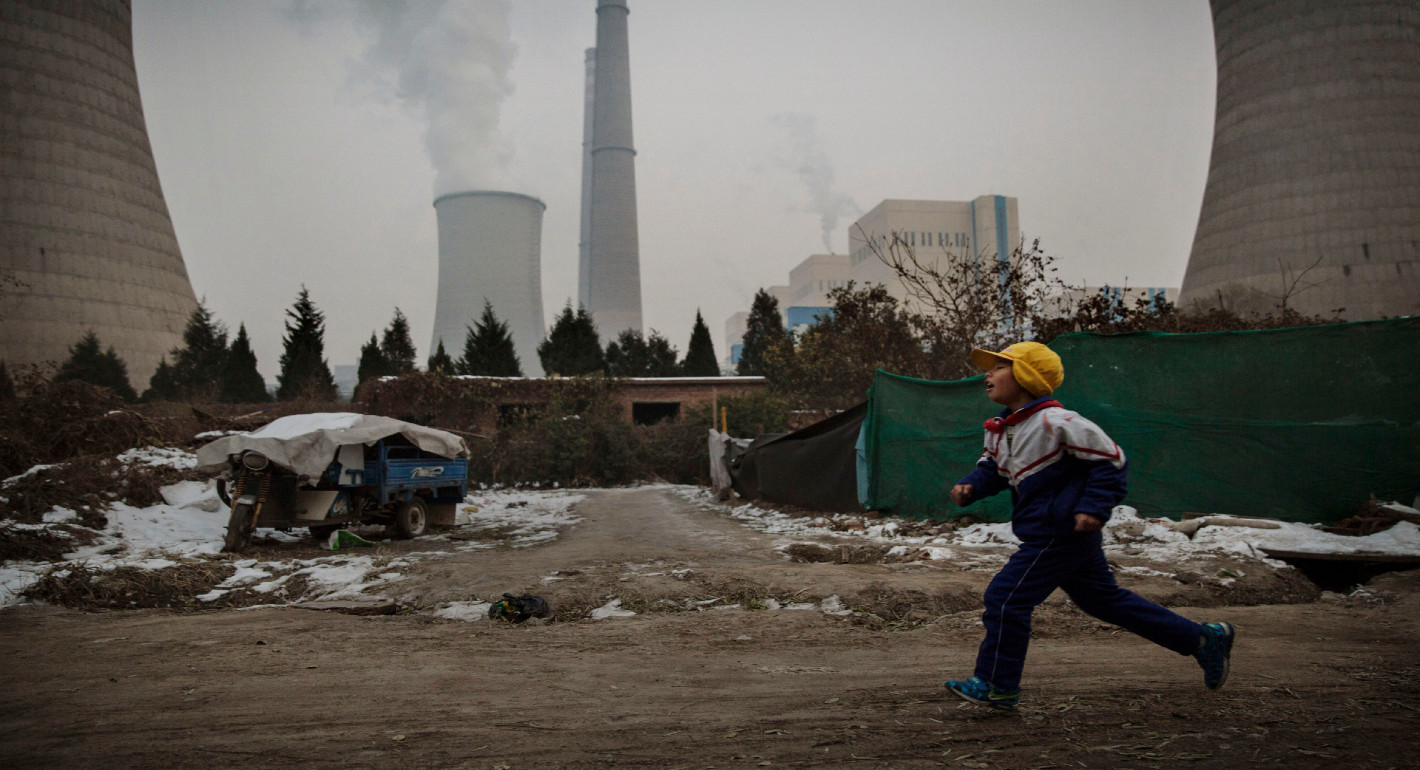
Across Asia, China is better positioned to withstand energy shocks from the fallout of the Iran war. Its abundant coal capacity can ensure stability in the near term. Yet at the same time, the country’s energy transition away from coal will make it even less vulnerable during the next shock.
Damien Ma
Malaysia’s chairmanship sought to fend off short-term challenges while laying the groundwork for minimizing ASEAN’s longer-term exposure to external stresses.

Elina Noor