

In The Media
Mario Abou Zeid
{
  "authors": [
    "Mario Abou Zeid"
  ],
  "type": "legacyinthemedia",
  "centerAffiliationAll": "dc",
  "centers": [
    "Carnegie Endowment for International Peace",
    "Malcolm H. Kerr Carnegie Middle East Center"
  ],
  "collections": [],
  "englishNewsletterAll": "menaTransitions",
  "nonEnglishNewsletterAll": "",
  "primaryCenter": "Malcolm H. Kerr Carnegie Middle East Center",
  "programAffiliation": "MEP",
  "programs": [
    "Middle East"
  ],
  "projects": [],
  "regions": [
    "Gulf",
    "Syria",
    "Iraq",
    "Middle East"
  ],
  "topics": [
    "Political Reform",
    "Security"
  ]
}
Source: Getty
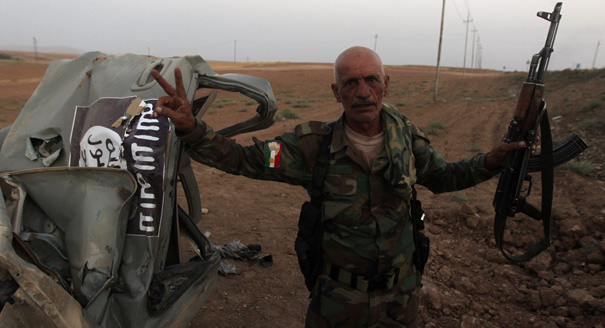
The Islamic State has ambitions in exporting its ideology outside the Middle East. What kind of threat does this pose to the global community?
Source: Press TV
As Muslims around the world were celebrating the Holy Month of Ramadan, the leader of the ISIL Takfiri terrorist group announced himself the ‘Caliph.’ The ISIL terrorist group, which currently controls parts of eastern Syria and Iraq’s northern and western regions, continues to commit acts of violence against the people of Iraq and Syria. According to reports, around 80 Kurds were massacred and hundreds of women kidnapped as slaves when the terrorist group swept into the northern Iraqi town of Kocho.
U.S. President Barack Obama has authorized military strikes on ISIL positions in Iraq. The United Nations has announced sanctions on individuals with links to the ISIL. The ISIL Takfiri militants took control of Iraq’s Mosul on June 10. They also took over the city of Tikrit but it was later liberated by the Iraqi army.
To discuss the global impact of ISIL and the threat it poses to countries outside the Middle East, Press TV’s Middle East Files spoke with Carnegie’s Mario Abou Zeid.

Former Research Analyst, Middle East Center
Abou Zeid was a research analyst at the Carnegie Middle East Center, where his work focuses on political developments in Lebanon, Syria, Iraq, and Iran.
Recent Work
Mario Abou Zeid
Mario Abou Zeid
Carnegie does not take institutional positions on public policy issues; the views represented herein are those of the author(s) and do not necessarily reflect the views of Carnegie, its staff, or its trustees.
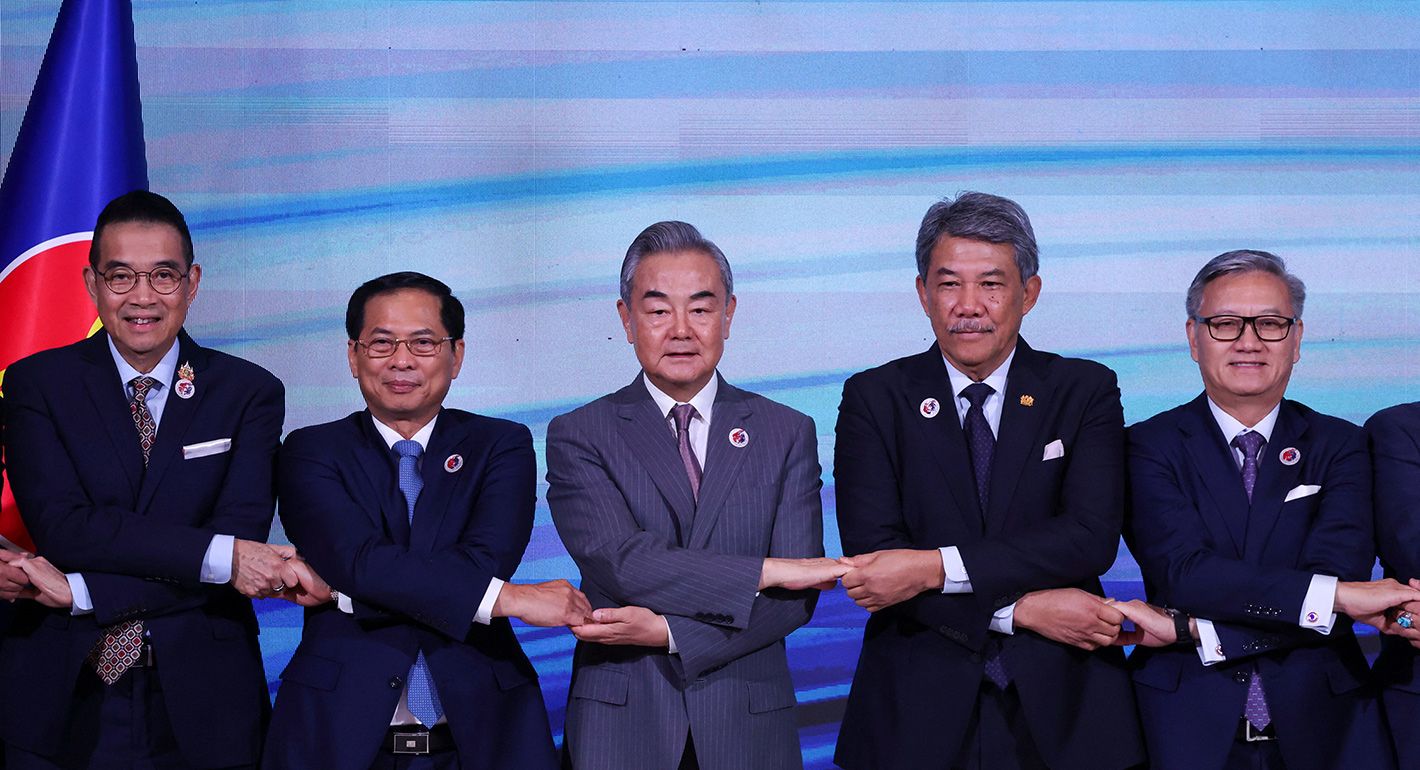
The Thai-Cambodian conflict highlights the limits to China's peacemaker ambition and the significance of this role on Southeast Asia’s balance of power.

Pongphisoot (Paul) Busbarat

Beijing believes that Washington is overestimating its own leverage and its ability to handle the trade war’s impacts.


Rick Waters, Sheena Chestnut Greitens
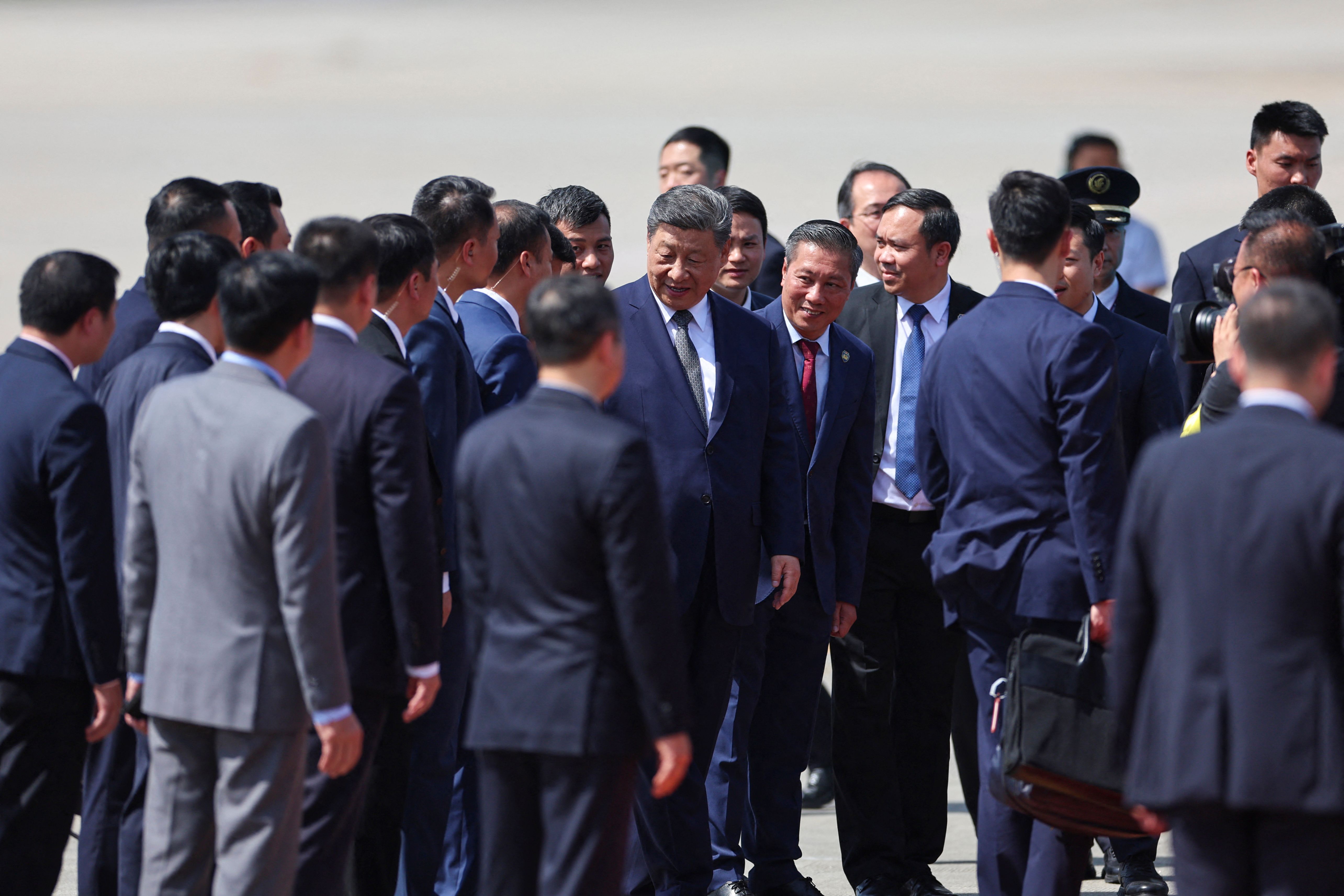
Tapping our network of China experts in the region, Carnegie China offers this latest “China Through a Southeast Asian Lens” report to offer preliminary assessments of whether the U.S. effort to reshape the global trading order will lead countries in the region to tilt toward Beijing.



Selina Ho, Khin Khin Kyaw Kyee, Joseph Ching Velasco, …
Because strategic, economic, and ideological perceptions of China contain multiple, sometimes contradictory facets in Southeast Asia, receptions of and responses to Beijing diverge across and within state lines.



Evan A. Feigenbaum, Chong Ja Ian, Elina Noor
Most Southeast Asian states behave as if the actions of their Northeast Asian neighbors and the Philippines will be sufficient to maintain a regional status quo from which they can benefit.
Chong Ja Ian