

Q&A
- +1
Amr Hamzawy, Andrew Leber, Eric Lob, …
{
  "authors": [
    "Marwan Muasher"
  ],
  "type": "legacyinthemedia",
  "centerAffiliationAll": "dc",
  "centers": [
    "Carnegie Endowment for International Peace",
    "Malcolm H. Kerr Carnegie Middle East Center"
  ],
  "collections": [
    "Arab Awakening"
  ],
  "englishNewsletterAll": "menaTransitions",
  "nonEnglishNewsletterAll": "",
  "primaryCenter": "Carnegie Endowment for International Peace",
  "programAffiliation": "MEP",
  "programs": [
    "Middle East"
  ],
  "projects": [],
  "regions": [
    "Middle East",
    "North Africa",
    "Egypt",
    "Saudi Arabia",
    "Yemen",
    "Gulf"
  ],
  "topics": [
    "Political Reform",
    "Security",
    "Foreign Policy"
  ]
}
Source: Getty
The Arab world is facing a vacuum of leadership. It is a new era, one that still has unknown repercussions.
Source: KPCC Airtalk
Speaking on KPCC Airtalk, Carnegie’s Marwan Muasher said that Saudi Arabia’s King Abdullah is probably the last leader of stature in the Arab world that belongs to the old generation. With his death, the mantle will be passed to a younger generation, one that does not have his leadership qualities, he continued. Today in the Arab world, there is a vacuum of leadership—it is a new era, one that still has unknown repercussions.
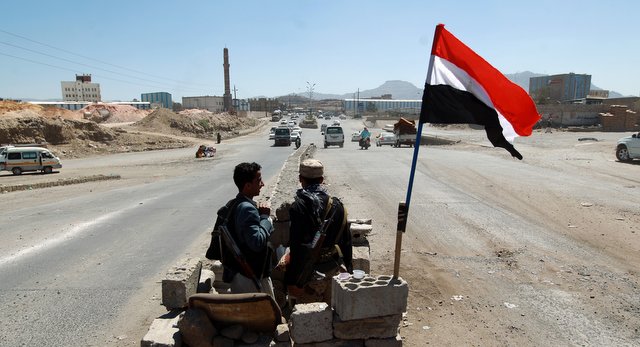
With the Houthi takeover of Sanaa, Yemen, the Saudis are particularly concerned with the growing Shia presence. Yemen will also continue to face a number of difficulties, such as the large presence of al-Qaeda, problems between the south and north, and the economy, which has been an issue for quite some time, Muasher added.
In regards to Egypt, he argued that the Egyptians need to realize that they have to rule in a more inclusionist manner, in the way that the Tunisians have done. Sisi will not be as popular as he is now, Muasher said, if he’s not able to address the structural issues in a meaningful way rather than in an ad-hoc manner.

Vice President for Studies
Marwan Muasher is vice president for studies at Carnegie, where he oversees research in Washington and Beirut on the Middle East. Muasher served as foreign minister (2002–2004) and deputy prime minister (2004–2005) of Jordan, and his career has spanned the areas of diplomacy, development, civil society, and communications.
Recent Work



Amr Hamzawy, Andrew Leber, Eric Lob, …
Marwan Muasher
Carnegie does not take institutional positions on public policy issues; the views represented herein are those of the author(s) and do not necessarily reflect the views of Carnegie, its staff, or its trustees.

Across Asia, China is better positioned to withstand energy shocks from the fallout of the Iran war. Its abundant coal capacity can ensure stability in the near term. Yet at the same time, the country’s energy transition away from coal will make it even less vulnerable during the next shock.

Damien Ma

Malaysia’s chairmanship sought to fend off short-term challenges while laying the groundwork for minimizing ASEAN’s longer-term exposure to external stresses.

Elina Noor

For Malaysia, the conjunction that works is “and” not “or” when it comes to the United States and China.
Elina Noor
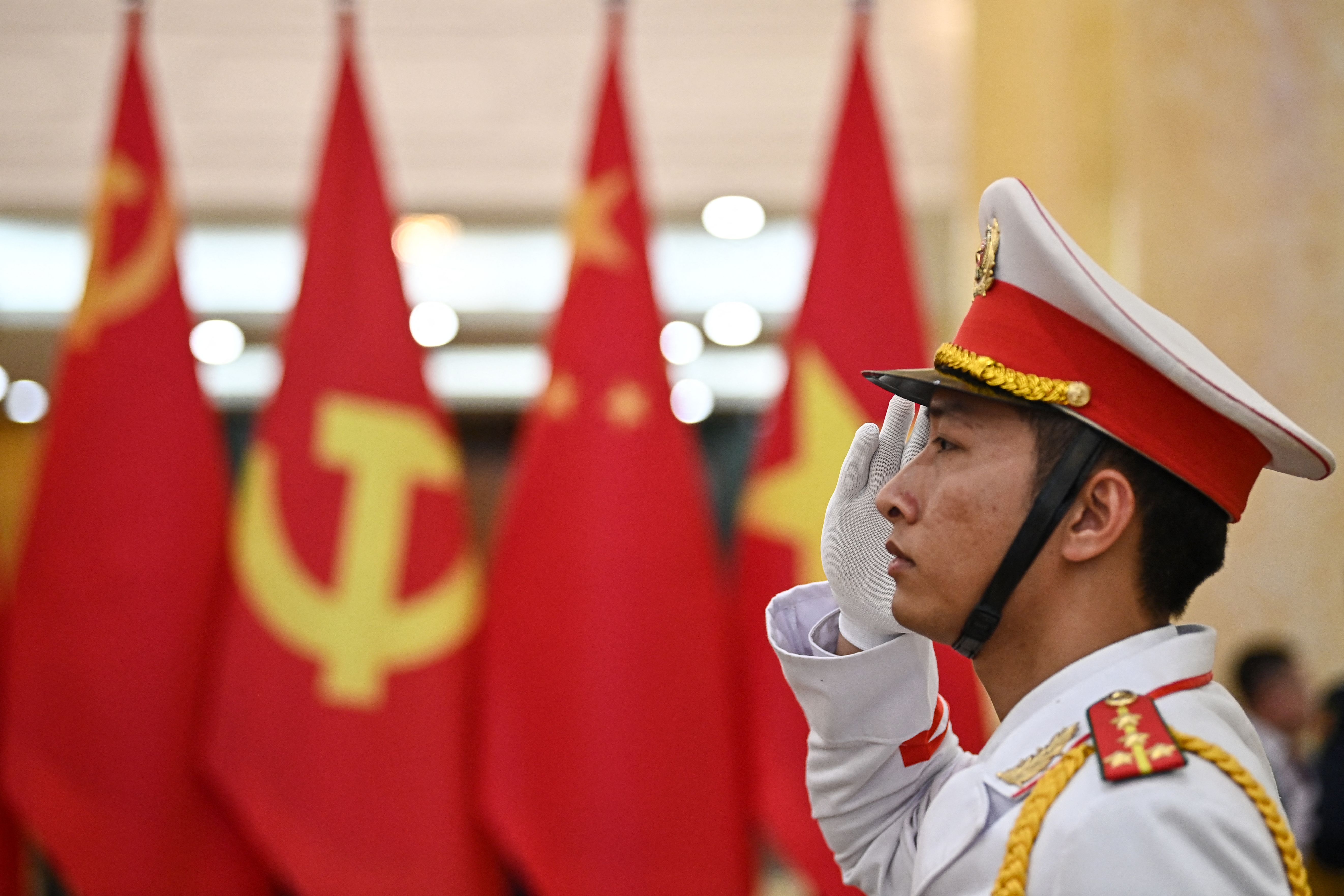
In July 2025, Vietnam and China held their first joint army drill, a modest but symbolic move reflecting Hanoi’s strategic hedging amid U.S.–China rivalry.

Nguyễn Khắc Giang
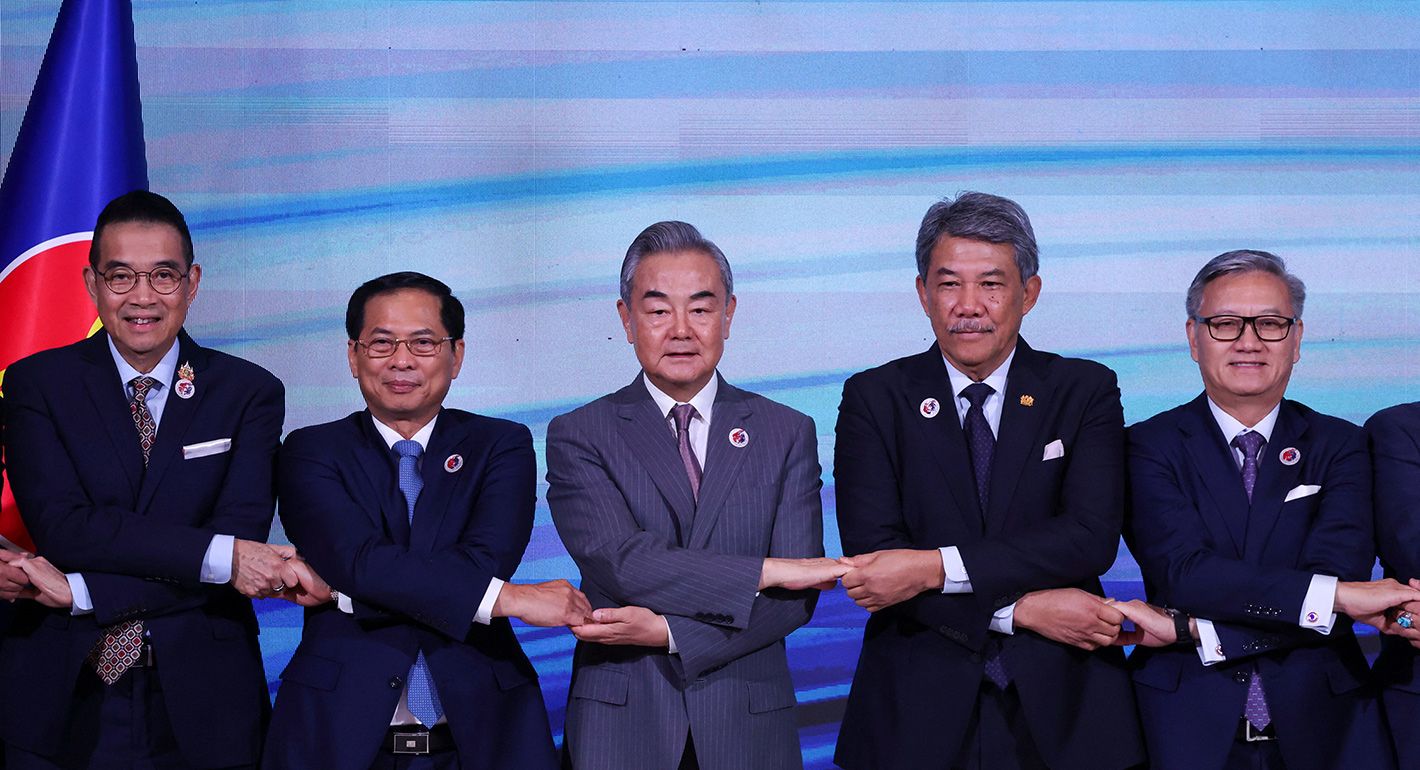
The Thai-Cambodian conflict highlights the limits to China's peacemaker ambition and the significance of this role on Southeast Asia’s balance of power.

Pongphisoot (Paul) Busbarat