

Commentary
Judy Dempsey
{
  "authors": [
    "Judy Dempsey"
  ],
  "type": "legacyinthemedia",
  "centerAffiliationAll": "dc",
  "centers": [
    "Carnegie Endowment for International Peace",
    "Carnegie Europe"
  ],
  "collections": [],
  "englishNewsletterAll": "ctw",
  "nonEnglishNewsletterAll": "",
  "primaryCenter": "Carnegie Europe",
  "programAffiliation": "EP",
  "programs": [
    "Europe"
  ],
  "projects": [],
  "regions": [
    "Europe",
    "Western Europe",
    "Germany",
    "Iran"
  ],
  "topics": [
    "EU",
    "Security"
  ]
}
Source: Getty
The Pegida movement has awoken Germany, but Islamophobia is a Europe-wide phenomenon whose roots lie in the alienation of citizens from politics.
Source: Deutsche Welle
Speaking to Deutsche Welle’s Quadriga, Judy Dempsey argued that the Pegida movement of “Patriotic Europeans against the Islamization of the West” has awoken German society.“The public space is changing in Germany,” warned Judy Dempsey. “Germany is not unique. . . . There is the fear of the other, the fear of the foreigner. . . . This is a European phenomenon.” In fact, Germany is only the latest country in Europe to tap into the surrounding atmosphere of Islamophobia.
As for the underlying causes of this surge, Dempsey explained that one of the problems is that “with the bureaucratization of politics and globalization, the feeling of identity between politicians and citizens is widening.” The mainstream political parties “haven’t adapted to the postmodernization of Europe, to globalization, and to [the need to] adapt policies and politics to society and its citizens.” The question of alienation between the state, political parties, and society is one of Europe’s biggest problems today.

Nonresident Senior Fellow, Carnegie Europe
Judy Dempsey is a nonresident senior fellow at Carnegie Europe
Recent Work
Judy Dempsey
Judy Dempsey

The Thai-Cambodian conflict highlights the limits to China's peacemaker ambition and the significance of this role on Southeast Asia’s balance of power.

Pongphisoot (Paul) Busbarat
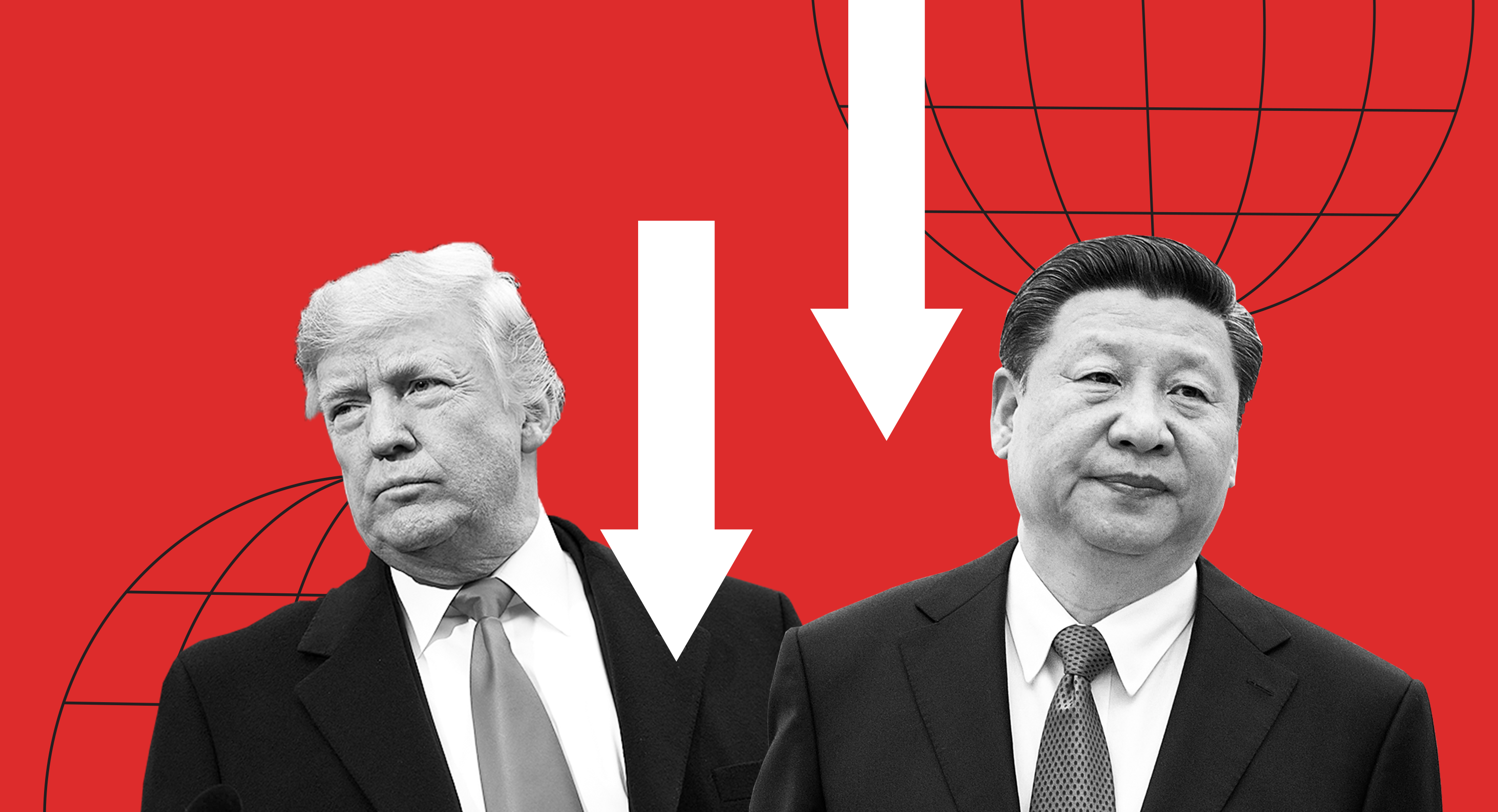
Beijing believes that Washington is overestimating its own leverage and its ability to handle the trade war’s impacts.


Rick Waters, Sheena Chestnut Greitens
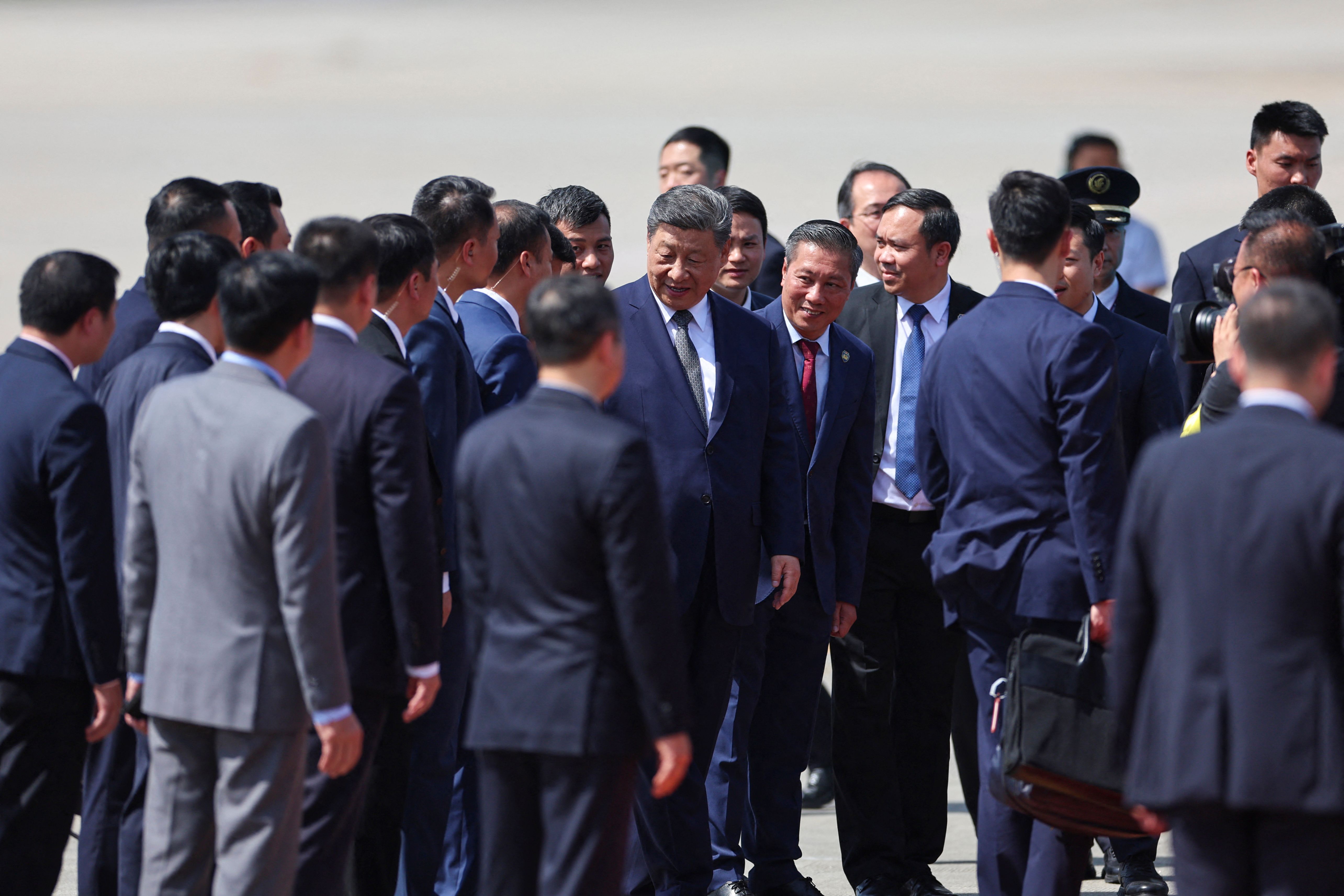
Tapping our network of China experts in the region, Carnegie China offers this latest “China Through a Southeast Asian Lens” report to offer preliminary assessments of whether the U.S. effort to reshape the global trading order will lead countries in the region to tilt toward Beijing.



Selina Ho, Khin Khin Kyaw Kyee, Joseph Ching Velasco, …
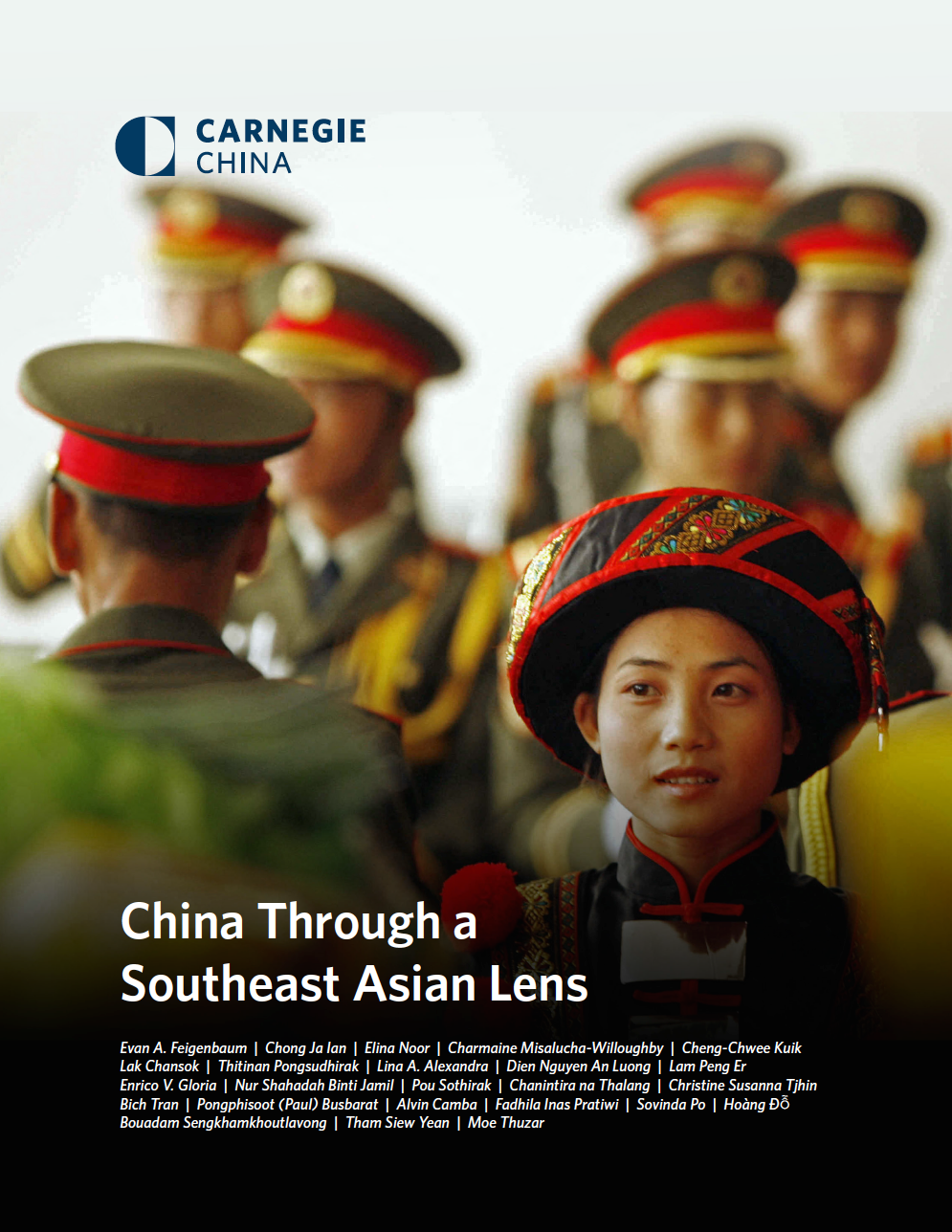
Because strategic, economic, and ideological perceptions of China contain multiple, sometimes contradictory facets in Southeast Asia, receptions of and responses to Beijing diverge across and within state lines.



Evan A. Feigenbaum, Chong Ja Ian, Elina Noor

Most Southeast Asian states behave as if the actions of their Northeast Asian neighbors and the Philippines will be sufficient to maintain a regional status quo from which they can benefit.
Chong Ja Ian