

In The Media
Lina Khatib
{
  "authors": [
    "Lina Khatib"
  ],
  "type": "legacyinthemedia",
  "centerAffiliationAll": "dc",
  "centers": [
    "Carnegie Endowment for International Peace",
    "Malcolm H. Kerr Carnegie Middle East Center"
  ],
  "collections": [],
  "englishNewsletterAll": "menaTransitions",
  "nonEnglishNewsletterAll": "",
  "primaryCenter": "Malcolm H. Kerr Carnegie Middle East Center",
  "programAffiliation": "MEP",
  "programs": [
    "Middle East"
  ],
  "projects": [],
  "regions": [
    "Levant",
    "Syria",
    "Iraq",
    "Middle East"
  ],
  "topics": [
    "Political Reform",
    "Security"
  ]
}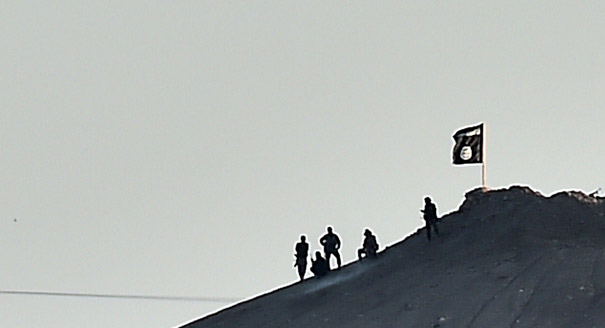
Source: Getty
The Islamic State will continue to be a major actor in the Syrian conflict in 2015 and beyond. The organization’s mode of operation may change, but not the fact of its existence.
Source: Al-Hayat
As we enter the new year, the international airstrike campaign against the Islamic State organization has been going on for four months. But the Islamic State will continue to be a major actor in the Syrian conflict in 2015 and beyond. What is likely to change is the organization’s mode of operation, but not its existence.
There are a number of factors that have been considered possible game changers for the organization, from the future of its leader Abu Bakr al-Baghdadi to the drop in oil prices to the resurrection of Jabhat al-Nusra and the Islamic State’s governance challenges. But none of those factors is going to have a significant impact on the Islamic State’s existence in the coming year.Although al-Baghdadi is often seen as the mastermind behind the creation of the Islamic State, the organization relies in its political and military strategies on a team of leaders from both al-Qaeda and Baathist backgrounds. Even its spokesperson Abu Mohamed Al-Adnani’s speeches are prepared not by him but by a team of speechwriters who ensure that the speeches are well researched and written. As such, the Islamic State’s organizational structure is institutionalized not personalized, which is a key factor for the survival of the organization regardless of the fate of its current leader.
The global drop in oil prices has also been seen as a factor that could potentially weaken the Islamic State, as it heavily relies on the sale of oil on the black market for funding. However, in any price drop scenario, the black market is much less severely affected than the mainstream market, because the former’s prices are normally set at a much lower level than the mainstream’s. Price drops simply decrease the gap between the two levels, but the mainstream market’s level rarely descends to that of the black market, leaving illegal transactions more desirable. With the Syrian regime having been a major buyer of oil sold by the Islamic State since before the oil price drop, the organization, through this customer, already has a sales arrangement that circumvents global market fluctuations.
The resurrection of Jabhat al-Nusra in the last few months has also been seen as a potential factor that could weaken the Islamic State. While the two organizations view each other as rivals and have been engaged in numerous battles against one other, they recognize that expending their resources on this rivalry is counterproductive in the current context. Instead, both organizations are mainly focused on fighting the moderate Syrian opposition. Gains for al-Nusra are not likely to be areas currently under the control of the Islamic State but former regime and opposition areas. A gentlemen’s agreement between the Islamic State and al-Nusra is more likely than an existential battle in the coming year.
There have been reports about the Islamic State’s struggle to function as a state that provides services for people in areas under its control. However, this weakness remains a minor factor in the Islamic State’s relationship with its constituents. The coalition’s airstrike campaign has pushed many Syrian tribes in the East closer to the Islamic State, as they see that the international community did not intervene against the Assad regime but only against this organization that is presenting itself as fighting the regime. The Islamic State’s propaganda plays on this sentiment, and continues to court the tribes. In addition, the money and passports issued by the Islamic State were never meant to be ways for the Islamic State to engage in commerce or diplomacy with other countries, but symbolic tokens of belonging to a “utopian” state. Therefore, the fact that the Islamic State has not been able to make these initiatives functional should not be seen as a sign of failure of its governance system.
What is likely to change in the coming year is the way the organization operates. The year 2014 saw a number of terrorist attacks in countries outside Syria and Iraq that were linked to the Islamic State by the assailants, even though the attacks were not necessarily directed by the Islamic State itself. In many of these cases, the Islamic State gave its blessing to the attacks after the fact, with the latest example being the lone terrorist attack in Australia in December 2014. These scenarios are likely to lead to more copycat incidents across the globe, especially by groups and individuals pledging allegiance to the Islamic State in a bid to gain power, notoriety, and resources. As the Islamic State embraces more and more such entities, it will be forced to change from a centralized organization into a franchise. Transformation rather than extinction, then, is the likely scenario for the Islamic State in the coming year.
Above all else, the Islamic State is a product of the failure to reach a resolution of the Syrian conflict. The coalition airstrikes can only contain the Islamic State, not eradicate it. Their focus on attacking the Islamic State in Iraq is pushing the organization to strengthen its presence in Syria. And as long as the moderate Syrian opposition is weak on the ground, it will continue to provide an easy target for the Islamic State as it seeks to assert itself, which in turns benefits the Syrian regime. Meanwhile, despite the Assad regime’s attacks on the Islamic State that only commenced after its spread in Mosul in June 2014, those attacks remain limited and focused on soft targets like civilian areas, as the regime’s main aim remains to eradicate the moderate Syrian opposition, not jihadist groups. All those dynamics ultimately show that the key factor behind the survival of the Islamic State is the survival of the Assad regime that is profiteering from the existence of this organization. As long as there is no viable plan for political transition in Syria that is built on strengthening the political and military capabilities of the moderate opposition inside Syria, the Islamic State will continue to survive.
This article was originally published in Arabic in Al-Hayat.
Former Director, Middle East Center
Khatib was director of the Carnegie Middle East Center in Beirut. Previously, she was the co-founding head of the Program on Arab Reform and Democracy at Stanford University’s Center on Democracy, Development, and the Rule of Law.
Recent Work
Lina Khatib
Lina Khatib
Carnegie does not take institutional positions on public policy issues; the views represented herein are those of the author(s) and do not necessarily reflect the views of Carnegie, its staff, or its trustees.
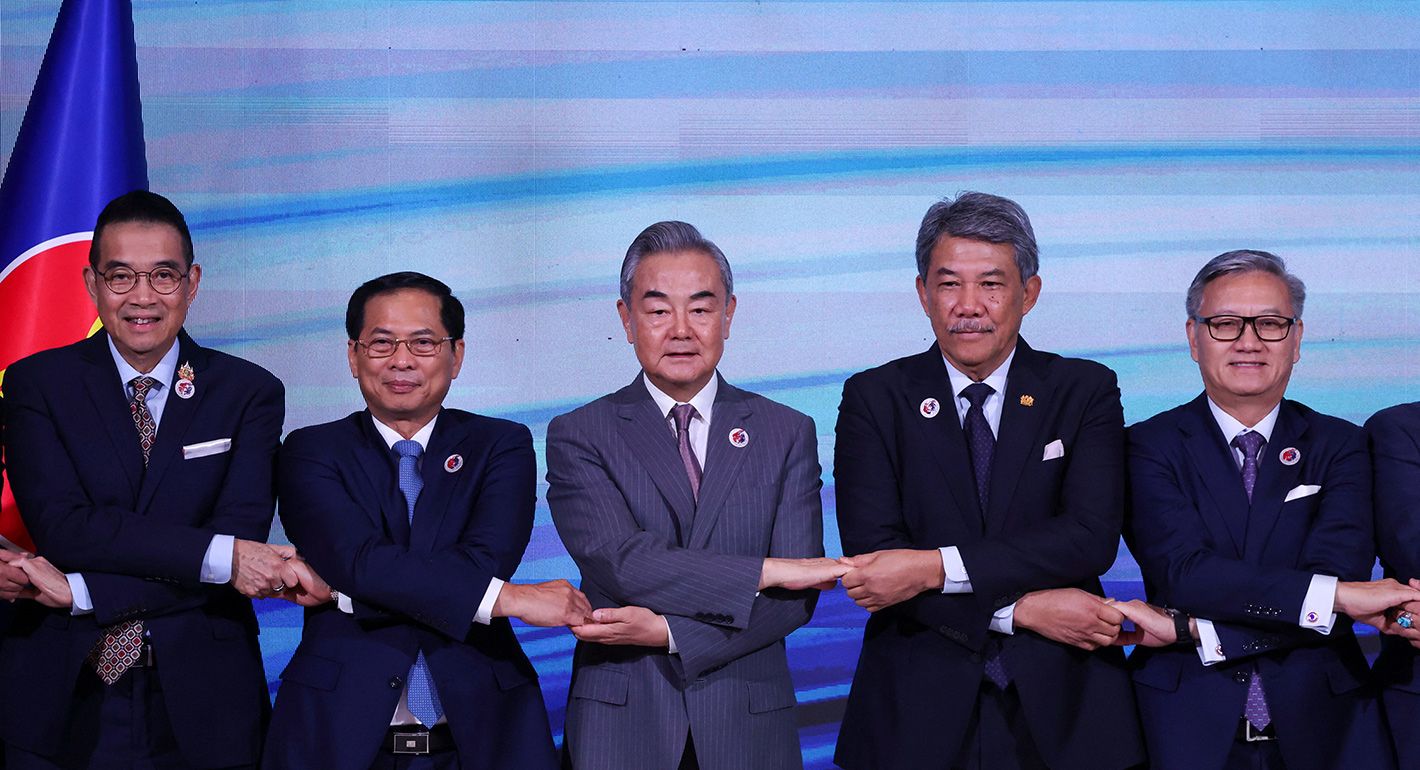
The Thai-Cambodian conflict highlights the limits to China's peacemaker ambition and the significance of this role on Southeast Asia’s balance of power.

Pongphisoot (Paul) Busbarat
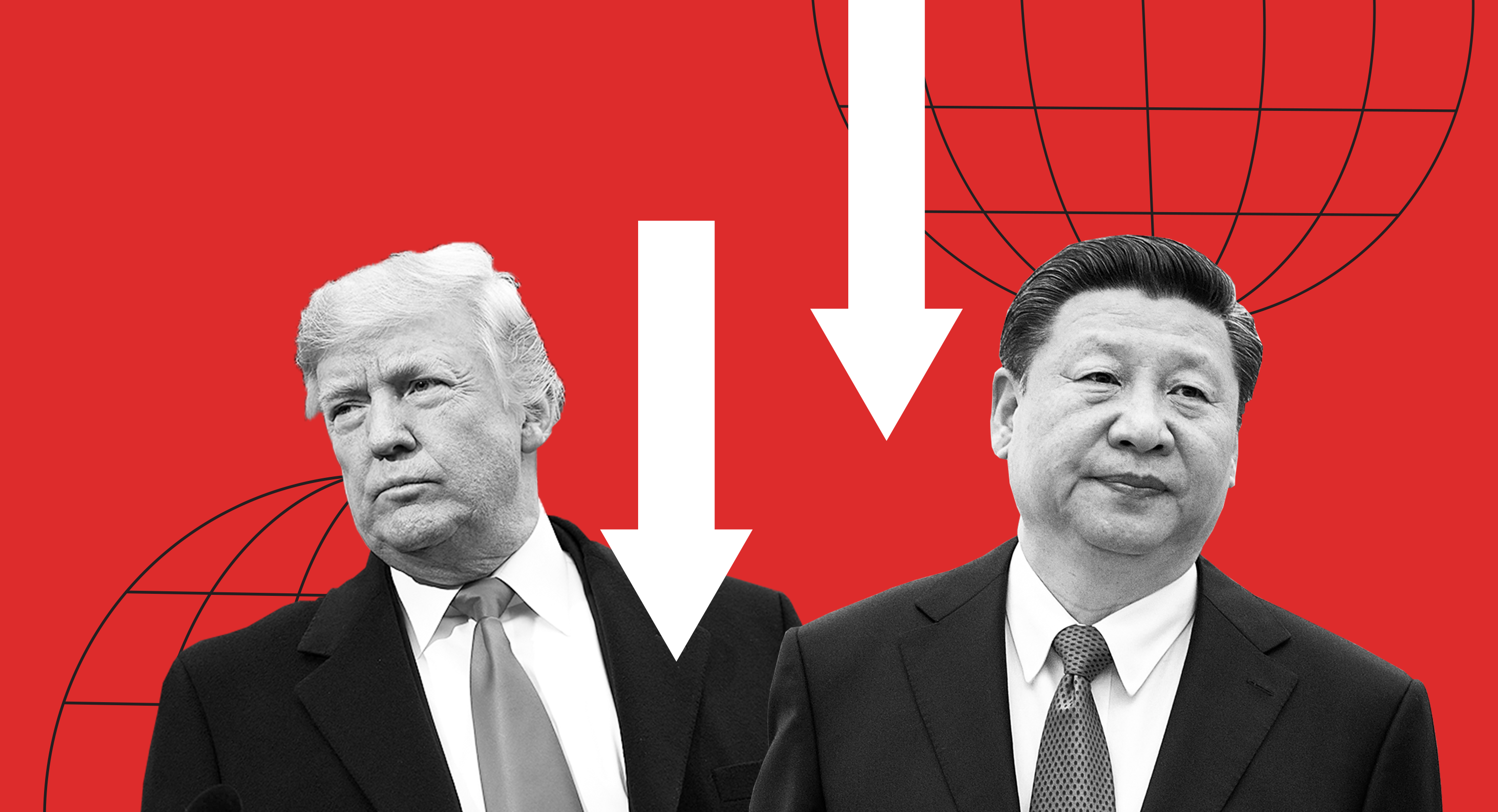
Beijing believes that Washington is overestimating its own leverage and its ability to handle the trade war’s impacts.


Rick Waters, Sheena Chestnut Greitens
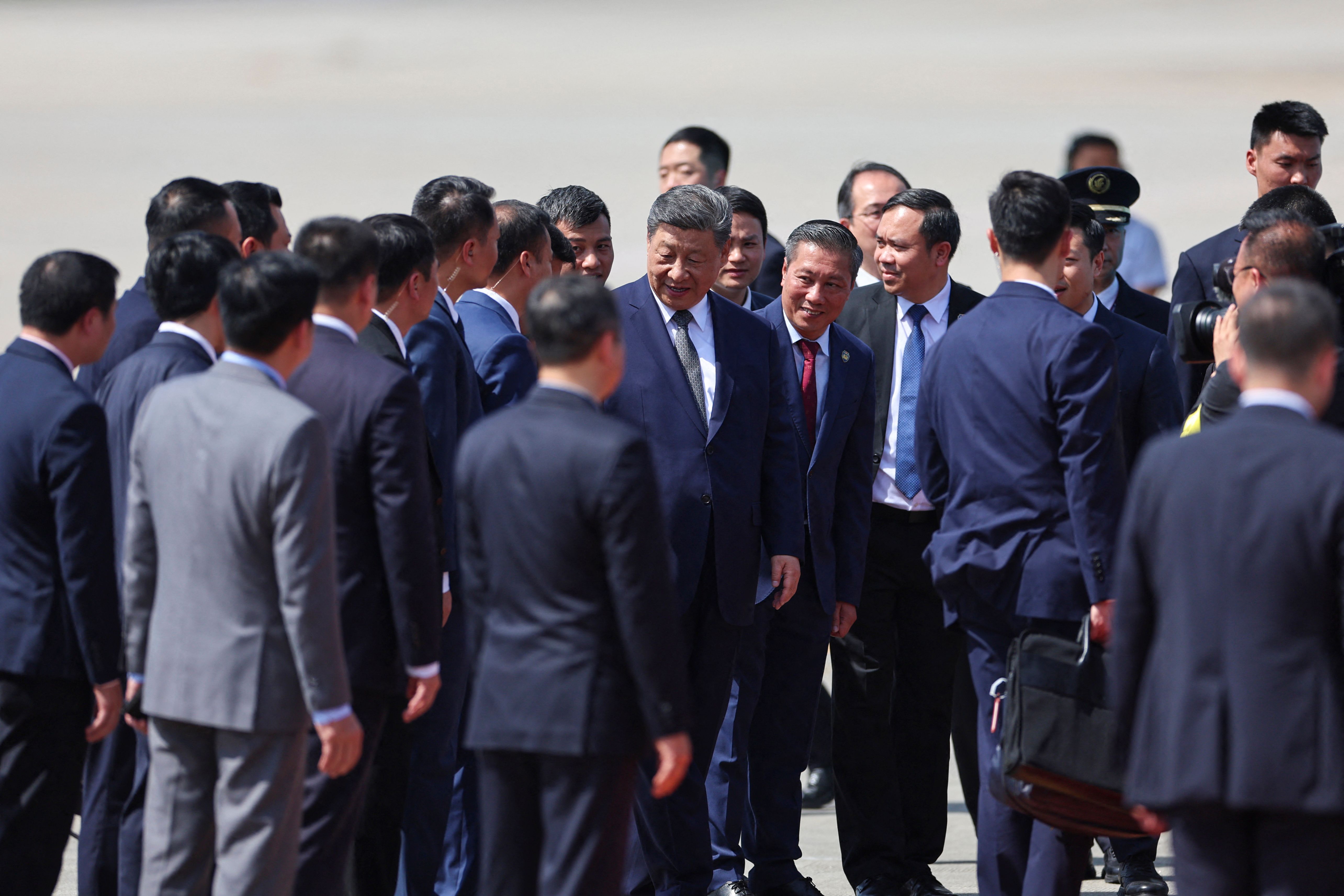
Tapping our network of China experts in the region, Carnegie China offers this latest “China Through a Southeast Asian Lens” report to offer preliminary assessments of whether the U.S. effort to reshape the global trading order will lead countries in the region to tilt toward Beijing.


Selina Ho, Khin Khin Kyaw Kyee, Joseph Ching Velasco, …
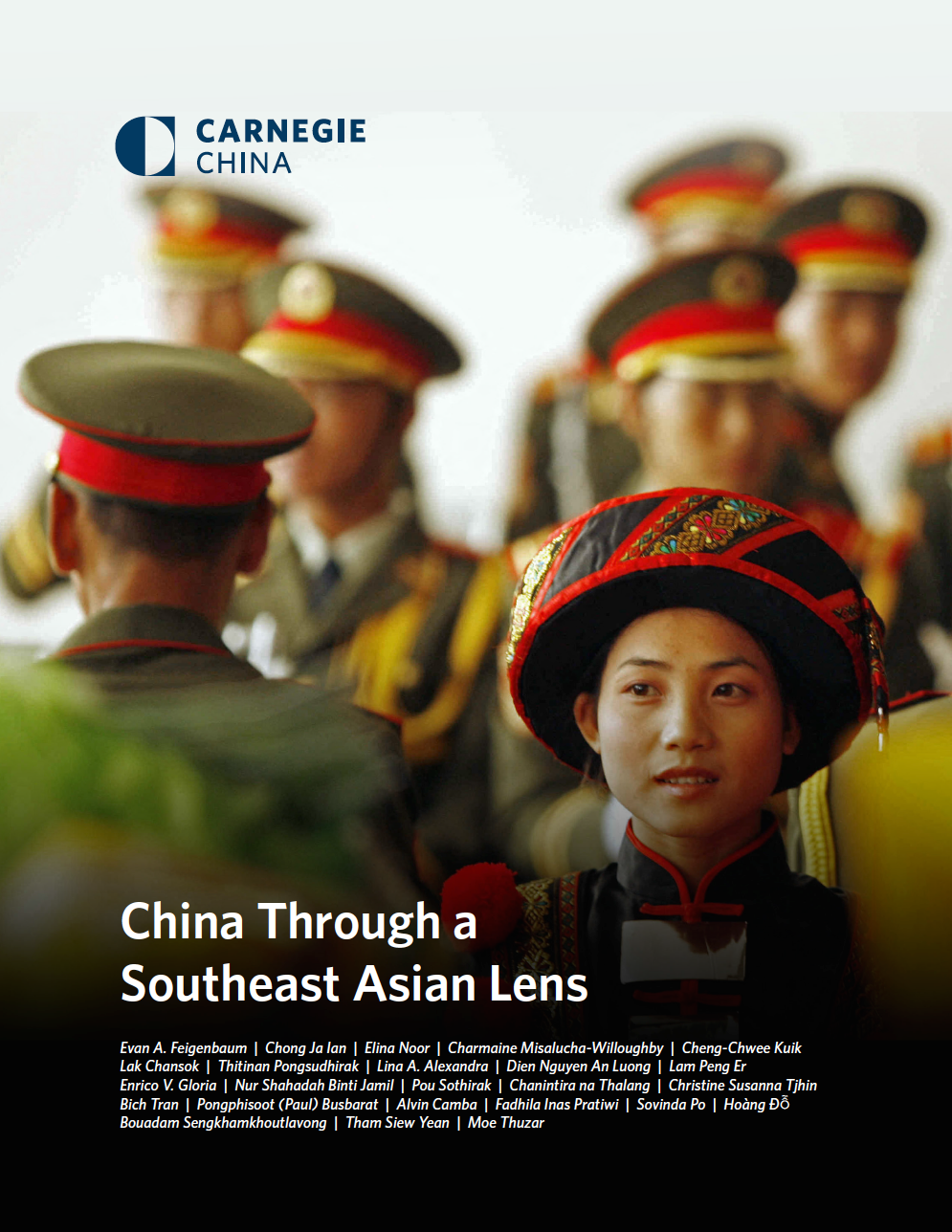
Because strategic, economic, and ideological perceptions of China contain multiple, sometimes contradictory facets in Southeast Asia, receptions of and responses to Beijing diverge across and within state lines.



Evan A. Feigenbaum, Chong Ja Ian, Elina Noor
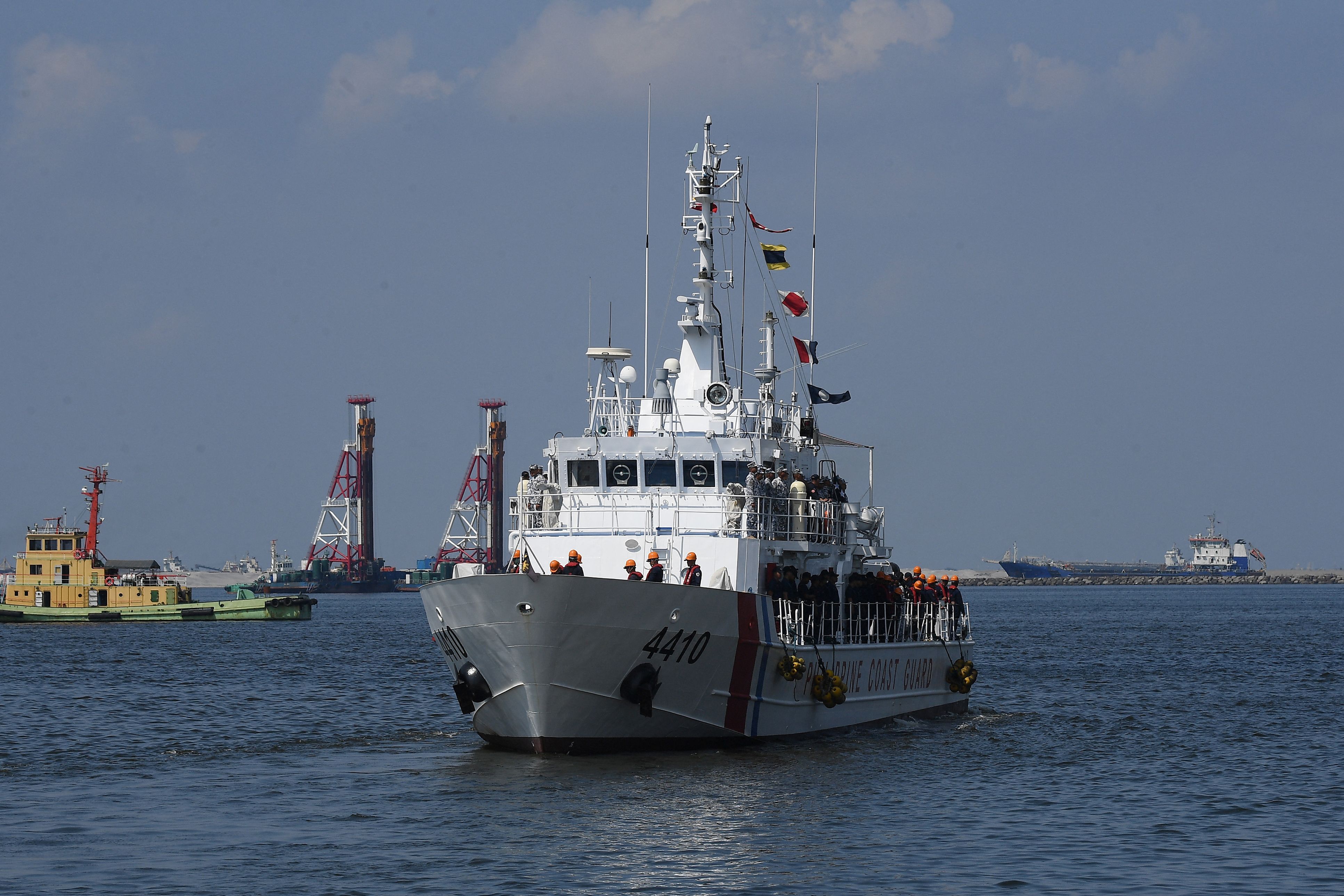
Most Southeast Asian states behave as if the actions of their Northeast Asian neighbors and the Philippines will be sufficient to maintain a regional status quo from which they can benefit.
Chong Ja Ian