

Article
C. Raja Mohan, Darshana M. Baruah
{
  "authors": [
    "C. Raja Mohan"
  ],
  "type": "legacyinthemedia",
  "centerAffiliationAll": "dc",
  "centers": [
    "Carnegie Endowment for International Peace",
    "Carnegie India"
  ],
  "collections": [],
  "englishNewsletterAll": "ctw",
  "nonEnglishNewsletterAll": "",
  "primaryCenter": "Carnegie India",
  "programAffiliation": "SAP",
  "programs": [
    "South Asia"
  ],
  "projects": [],
  "regions": [
    "South Asia",
    "Pakistan",
    "India"
  ],
  "topics": [
    "Foreign Policy",
    "Security"
  ]
}
Source: Getty
Having suspended talks with Islamabad last August, the Indian government needed a diplomatic device to renew the engagement with Pakistan.
Source: Indian Express
Prime Minister Narendra Modi has had good reasons to frame Foreign Secretary S. Jaishankar’s visit to Pakistan as part of a “Saarc yatra”. Having suspended talks with Islamabad last August, the government needed a diplomatic device to renew the engagement with Pakistan. The appointment of a new foreign secretary and the tradition of India’s top diplomat beginning his or her tenure by travelling first to neighbouring capitals have provided a useful setting to make a fresh start with Pakistan. The Saarc yatra also gives Jaishankar an opportunity to engage Afghanistan, which is at a decisive moment in its political evolution since the ouster of the Taliban by the American forces at the end of 2001.
For centuries now, developments on India’s northwestern frontiers have decisively influenced the security environment of the large territorial entities in the subcontinent built around the Ganga and Yamuna. That geopolitical logic has held true for the Mughal Empire, the British Raj and independent India. While there are many bilateral issues that will figure prominently in Jaishankar’s talks with Islamabad and Kabul, the foreign secretary is acutely conscious of the new regional dynamic shaping India’s relations with Pakistan and Afghanistan.
The nature of the turbulence on India’s northwestern frontiers today is comparable to the developments in 1979-80, including the Islamic Revolution in Iran, the Soviet occupation of Afghanistan and the promotion of a jihad against the Moscow-backed regime in Kabul by America, Saudi Arabia and Pakistan. Indira Gandhi and Rajiv Gandhi sought to respond to the new dynamic by diversifying India’s great power relations away from Moscow, strengthening ties with America, normalising relations with China, which had just come out of the Cultural Revolution, reaching out to Saudi Arabia and, above all, seeking improved ties with Pakistan.India’s adaptation, however, was too weak and tentative to make an impact on the regional security environment. For, India’s relative weight in the region had steadily declined over the preceding decades. There was considerable internal resistance to the new diplomatic initiatives that prevented taking them to the logical conclusion. As a result, by the end of the decade, India was utterly unprepared for what followed.
Prolonged civil war in Afghanistan, Pakistan’s acquisition of nuclear weapons, the collapse of the Soviet Union and Rawalpindi’s success in helping the Taliban capture power in Kabul and redirecting violent extremism towards Punjab and Kashmir.
As New Delhi takes a fresh look at its northwestern frontiers, it stares at a number of important trends. Americans are leaving Afghanistan after a decade-long occupation of the country, not on a note of triumph but uncertainty. China, until recently a minor player in the region, has become an important external force in the subcontinent and appears poised to shape the future of Pakistan and Afghanistan.
Meanwhile, both Washington and Beijing believe that reconciliation between Kabul and Rawalpindi holds the key to stability in the northwestern subcontinent. Their efforts appear to have gained some traction, as President Ashraf Ghani of Afghanistan has reached out to Rawalpindi. The Pakistan army chief has, in turn, promised to deliver the Afghan Taliban to the negotiating table.
Saudi Arabia is being squeezed between the rise of Sunni extremism and a resurgent Shia Iran. The Islamic Republic of Iran, which long denounced America as the Great Satan, is inching towards a nuclear deal with the US and is looking to bolster its position in the Middle East and Afghanistan.
Like the changes at the turn of the 1980s, current developments will also have lasting consequences for India. Unlike in the 1980s, India is much better placed today. Its weight in the region and the world has steadily grown, thanks to the economic reforms of the last quarter of a century. Its bilateral ties in the greater Middle East have acquired much more depth. Above all, Delhi has weathered all that Pakistan has thrown at it in Kashmir and beyond.
Yet, Delhi has not been able to take full advantage of this at the diplomatic level. The presumed political need to posture to domestic audiences on Pakistan and an inability to check the hawkishness of large sections of the security establishment have limited Delhi’s room for manoeuvre in the northwest. Prime Minister Manmohan Singh had bold ideas, but did not have the support of the Congress to take them to their logical conclusion. Modi, too, is under much pressure at home to signal a hard line towards Pakistan, irrespective of its merits.
It makes sense for the Modi government to break out of the “talks-no talks” paradigm that has bogged down every single government in the last few years. Delhi’s refusal to talk to civilian governments in Islamabad made little difference in the past to Rawalpindi’s orchestration of terrorism in region. What might make the difference is Pakistan’s emerging recognition of its own vulnerability to extremism, especially after the attack on an army school in Peshawar last December. As Pakistan struggles to cope with the extremist challenge at home and on its western frontiers, Jaishankar would want to assess the scale and scope of this change and its implications for India.
Sticking to Delhi’s old political certitudes will only limit India’s ability to manage the profound transformation taking place in the northwestern marches of the subcontinent. What Delhi needs is a strategy that will generate some influence for India in shaping the future of this critical sub-region.
Such a strategy will necessarily involve sustained dialogue with Pakistan, a recalibration of the Afghan policy, encouragement to the peace talks between Kabul and Rawalpindi and the readiness to engage all powers, including the US, China, Russia, Iran, Saudi Arabia and Turkey, which have a stake in the region’s stability.
This article was originally published in the Indian Express.
Former Nonresident Senior Fellow, Carnegie India
A leading analyst of India’s foreign policy, Mohan is also an expert on South Asian security, great-power relations in Asia, and arms control.
Recent Work

C. Raja Mohan, Darshana M. Baruah


Alexander Gabuev, Paul Haenle, C. Raja Mohan, …
Carnegie does not take institutional positions on public policy issues; the views represented herein are those of the author(s) and do not necessarily reflect the views of Carnegie, its staff, or its trustees.
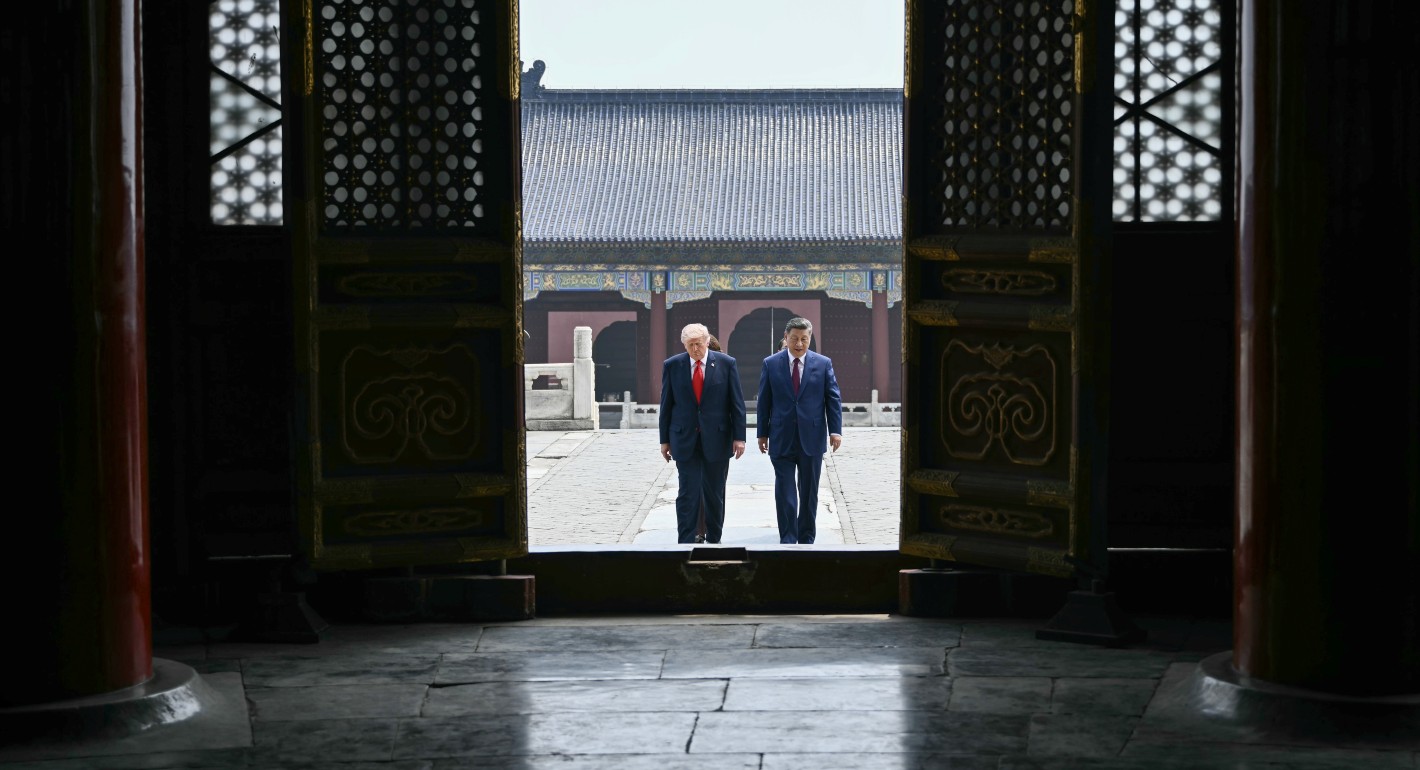
But their "principal to principal" model will only be as effective as the political strength of each leader back home.

Damien Ma
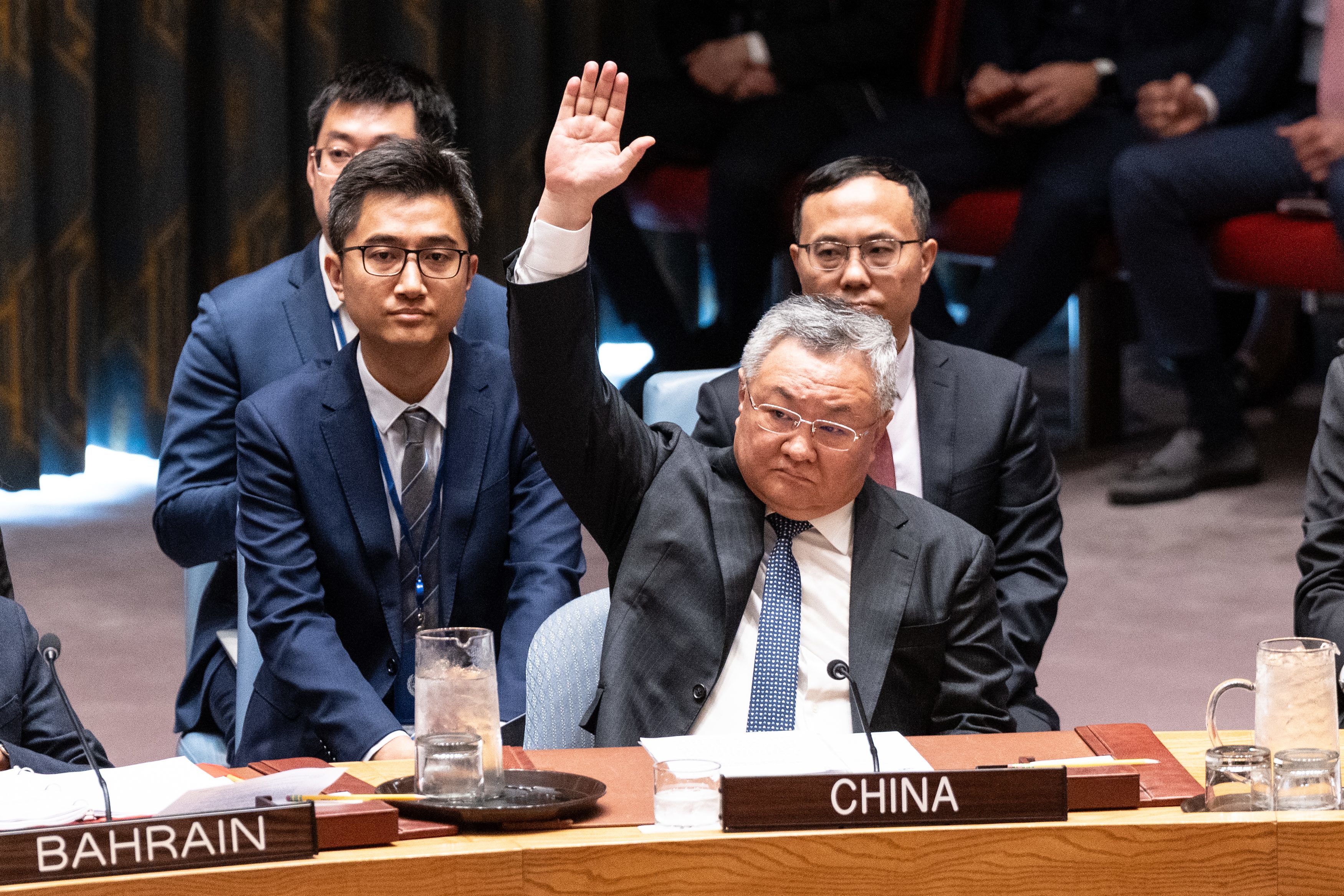
U.S. unpredictability has allowed China to capitalize on its positioning as the “responsible great power”. Paradoxically, the more China wins the perception game, the more likely expectations will rise for Beijing to deliver not just words but to demonstrate with its deeds.

Chong Ja Ian
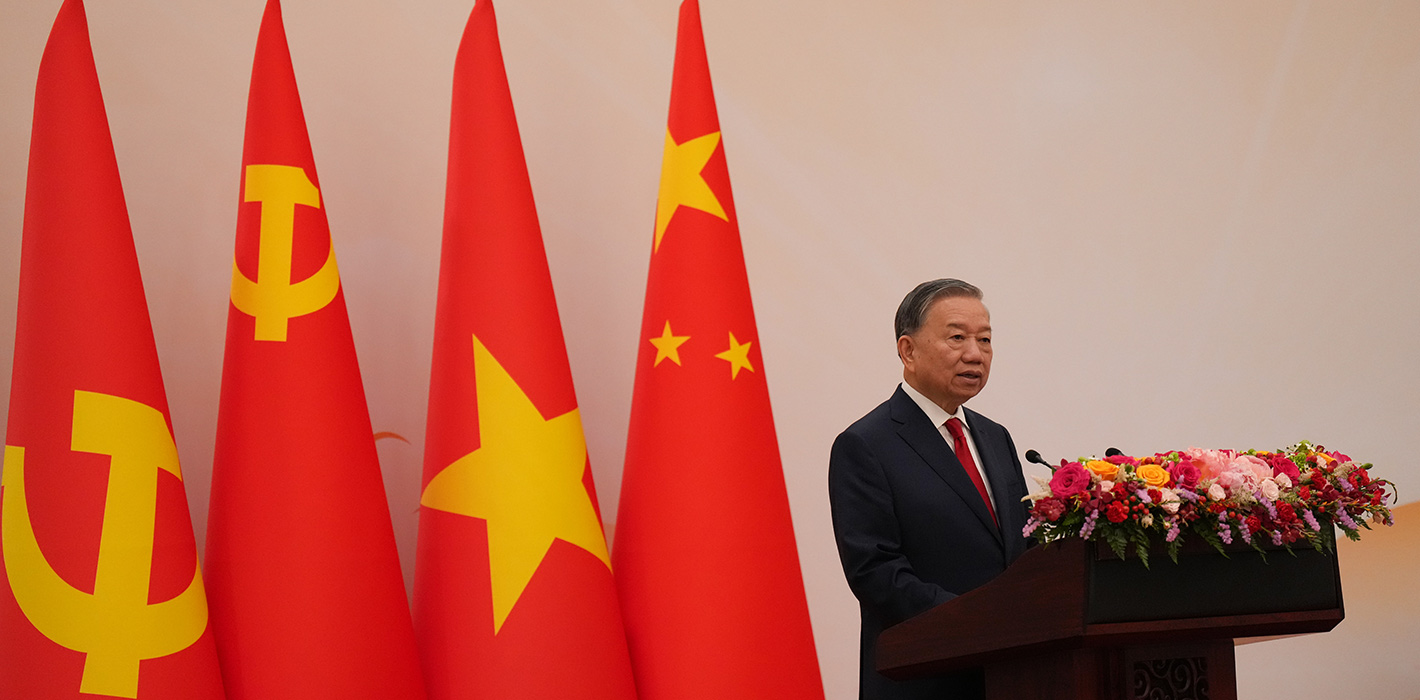
Hanoi and Beijing have long treated each other as distant cousins rather than comrades in arms. That might be changing as both sides draw closer to hedge against uncertainty and America’s erratic behavior.

Nguyễn Khắc Giang
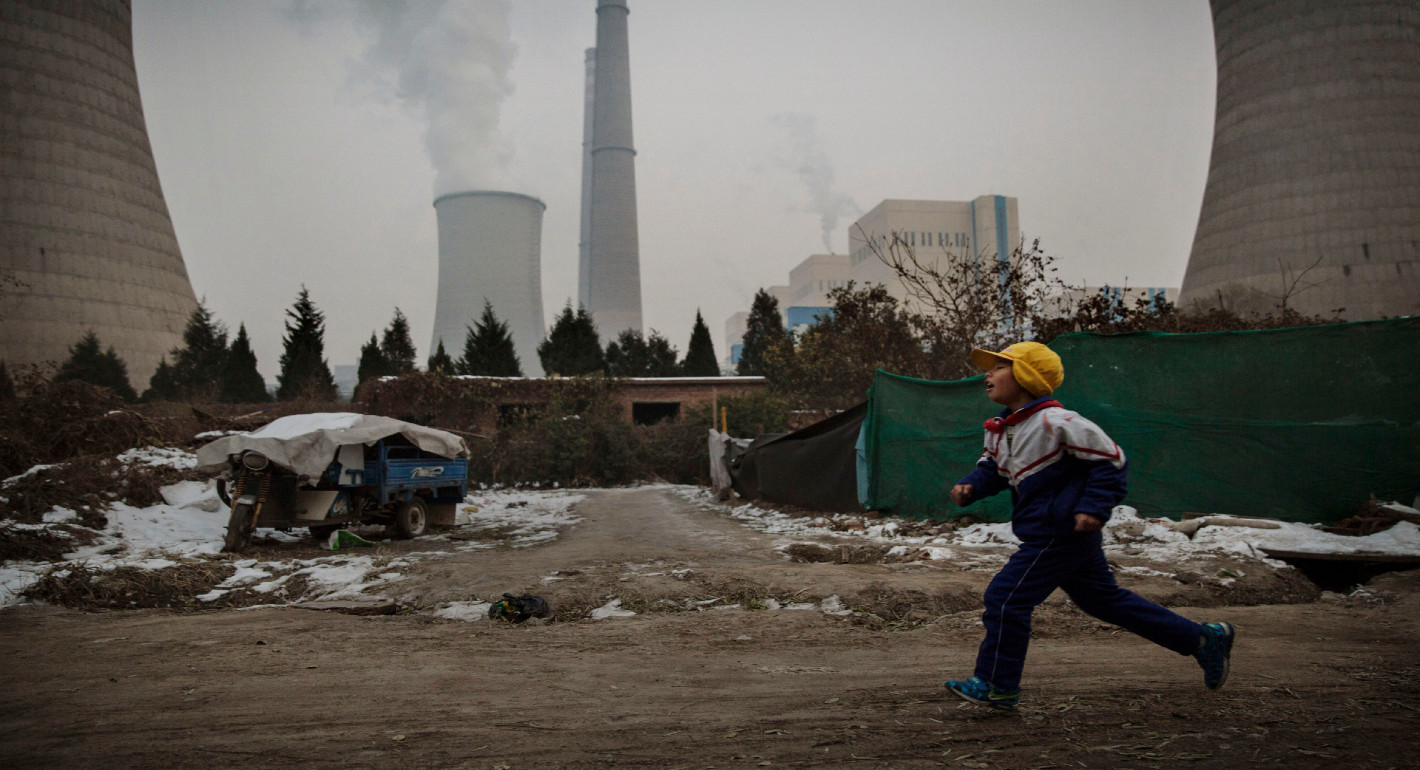
Across Asia, China is better positioned to withstand energy shocks from the fallout of the Iran war. Its abundant coal capacity can ensure stability in the near term. Yet at the same time, the country’s energy transition away from coal will make it even less vulnerable during the next shock.
Damien Ma
Malaysia’s chairmanship sought to fend off short-term challenges while laying the groundwork for minimizing ASEAN’s longer-term exposure to external stresses.

Elina Noor