

Commentary
Marc Pierini
{
  "authors": [
    "Marc Pierini"
  ],
  "type": "legacyinthemedia",
  "centerAffiliationAll": "dc",
  "centers": [
    "Carnegie Endowment for International Peace",
    "Carnegie Europe",
    "Malcolm H. Kerr Carnegie Middle East Center"
  ],
  "collections": [
    "Turkey’s Transformation"
  ],
  "englishNewsletterAll": "ctw",
  "nonEnglishNewsletterAll": "",
  "primaryCenter": "Carnegie Europe",
  "programAffiliation": "EP",
  "programs": [
    "Europe"
  ],
  "projects": [],
  "regions": [
    "Middle East",
    "Europe",
    "Türkiye",
    "Gulf",
    "Levant",
    "Iraq",
    "Syria",
    "Iran"
  ],
  "topics": [
    "Political Reform",
    "Security"
  ]
}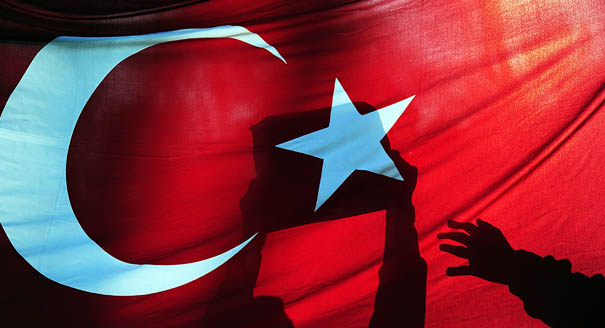
Source: Getty
After military operations against the self-styled Islamic State in Syria and Kurdish separatists in Northern Iraq, Turkey’s strategy seems to be at a turning point.
Source: Australian Broadcasting Corporation
Turkey has called a special meeting of NATO ambassadors to discuss military operations against the self-styled Islamic State and Kurdish separatists, known as the PKK.
Turkey has been a reluctant ally in the campaign against the Islamic State, allowing the use of Turkish military bases for anti–Islamic State coalition air strikes but refusing to provide any military support of its own. But last week's bombing of a cultural center in Turkey by a man with suspected links to the Islamic State appears to have been a turning point.On July 24, Turkey launched its own wave of air strikes against the Islamic State in Syria. And, in a move that could vastly complicate the fight, Ankara also renewed its attacks against Kurdish militants in Northern Iraq, ending a shaky two-year ceasefire with the PKK, the Kurdistan People’s Party. In a parallel operation, antiterrorism police arrested almost 600 people accused of supporting the Islamic State or the PKK.
Kurdish forces have played a key role in the battle against the Islamic State, proving to be a far more effective fighting force than the Iraqi army, but Turkey has long been anxious about the consequences of arming the Kurds against the Islamic State.
On RN Breakfast, Marc Pierini discussed Turkey’s strategy with Fran Kelly.
This broadcast was originally aired on the Australian Broadcast Corporation’s RN Breakfast.

Senior Fellow, Carnegie Europe
Marc Pierini is a senior fellow at Carnegie Europe, where his research focuses on developments in the Middle East and Turkey from a European perspective.
Recent Work
Marc Pierini
Marc Pierini
Carnegie does not take institutional positions on public policy issues; the views represented herein are those of the author(s) and do not necessarily reflect the views of Carnegie, its staff, or its trustees.
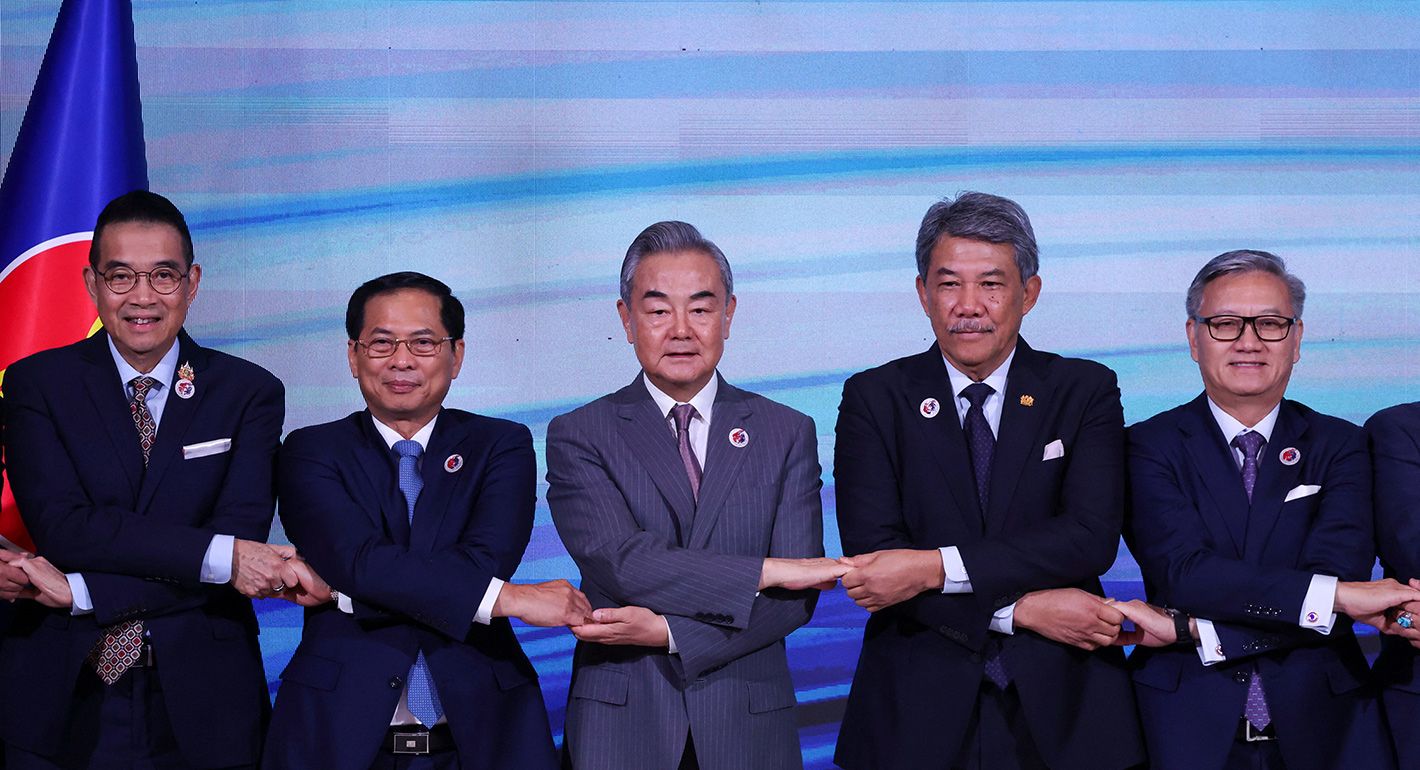
The Thai-Cambodian conflict highlights the limits to China's peacemaker ambition and the significance of this role on Southeast Asia’s balance of power.
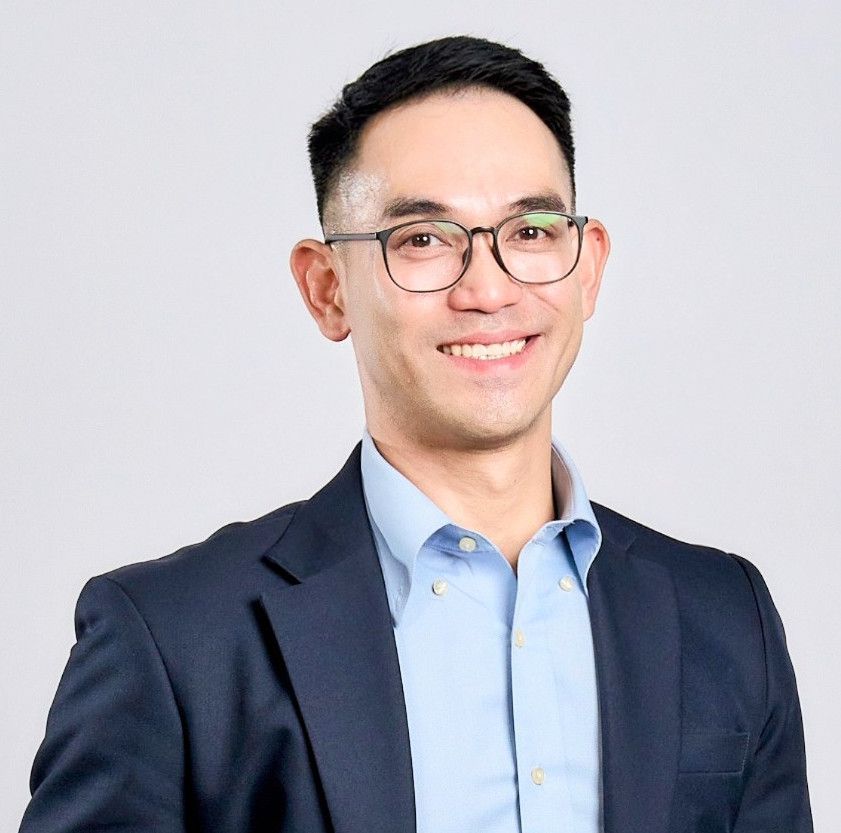
Pongphisoot (Paul) Busbarat

Beijing believes that Washington is overestimating its own leverage and its ability to handle the trade war’s impacts.


Rick Waters, Sheena Chestnut Greitens
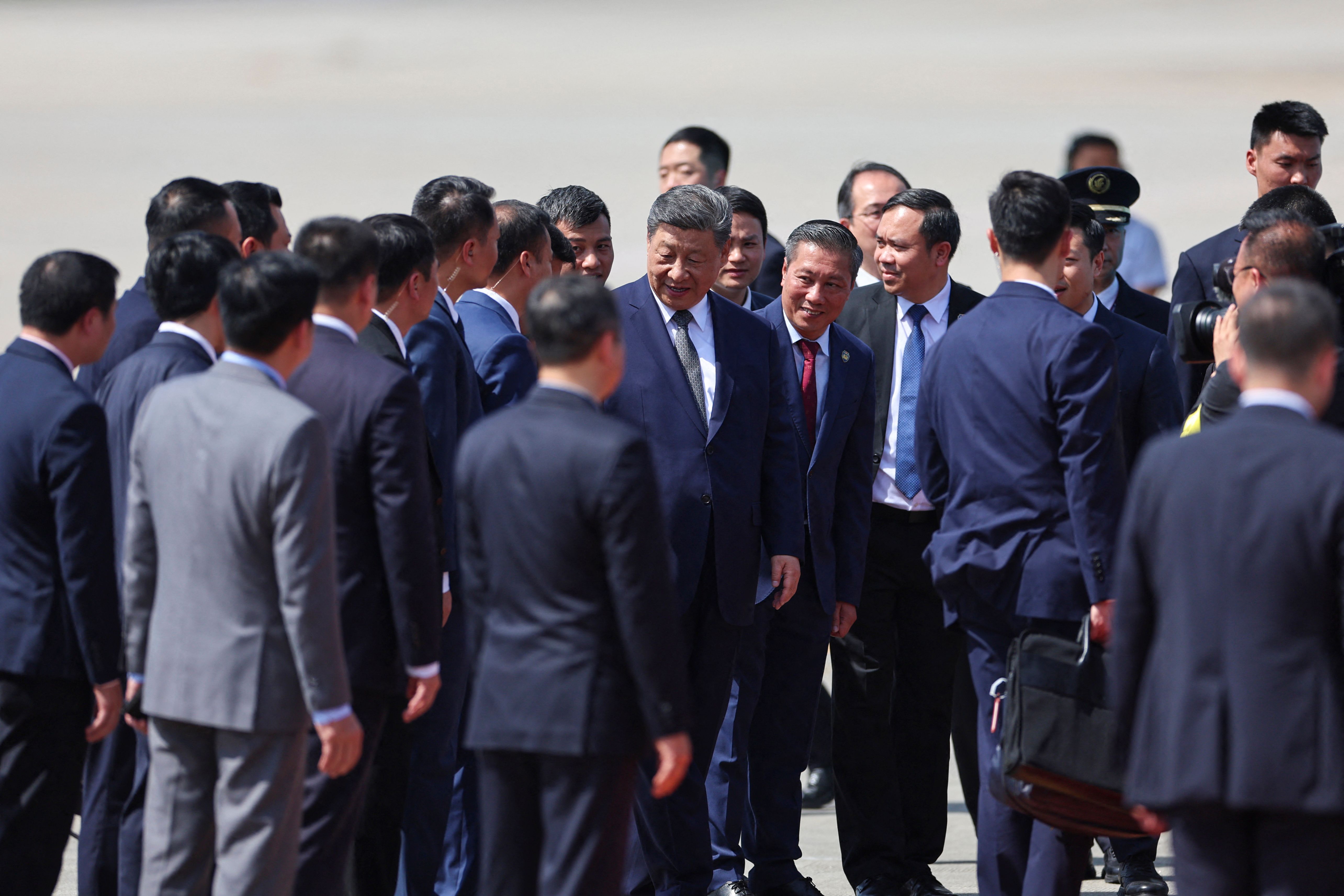
Tapping our network of China experts in the region, Carnegie China offers this latest “China Through a Southeast Asian Lens” report to offer preliminary assessments of whether the U.S. effort to reshape the global trading order will lead countries in the region to tilt toward Beijing.



Selina Ho, Khin Khin Kyaw Kyee, Joseph Ching Velasco, …
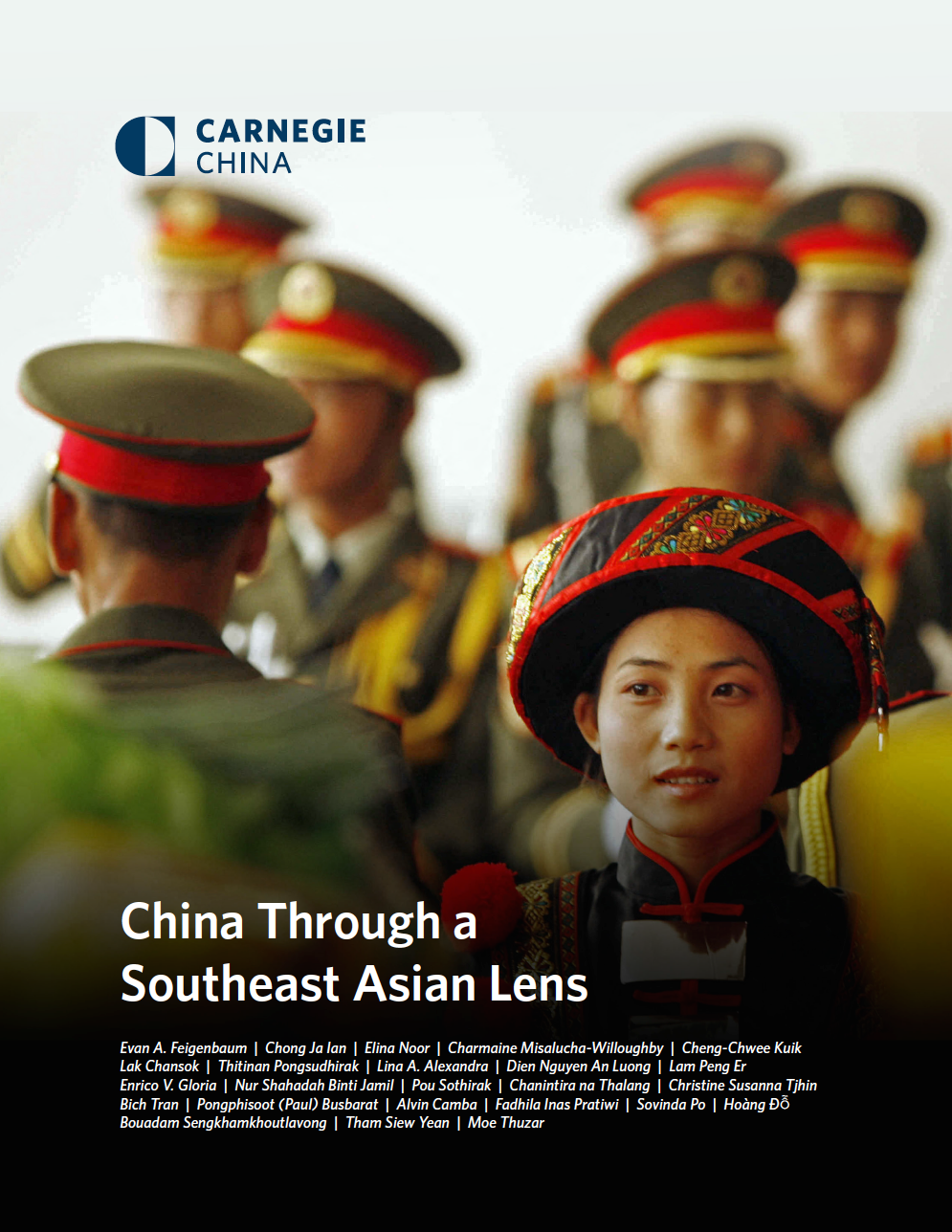
Because strategic, economic, and ideological perceptions of China contain multiple, sometimes contradictory facets in Southeast Asia, receptions of and responses to Beijing diverge across and within state lines.



Evan A. Feigenbaum, Chong Ja Ian, Elina Noor
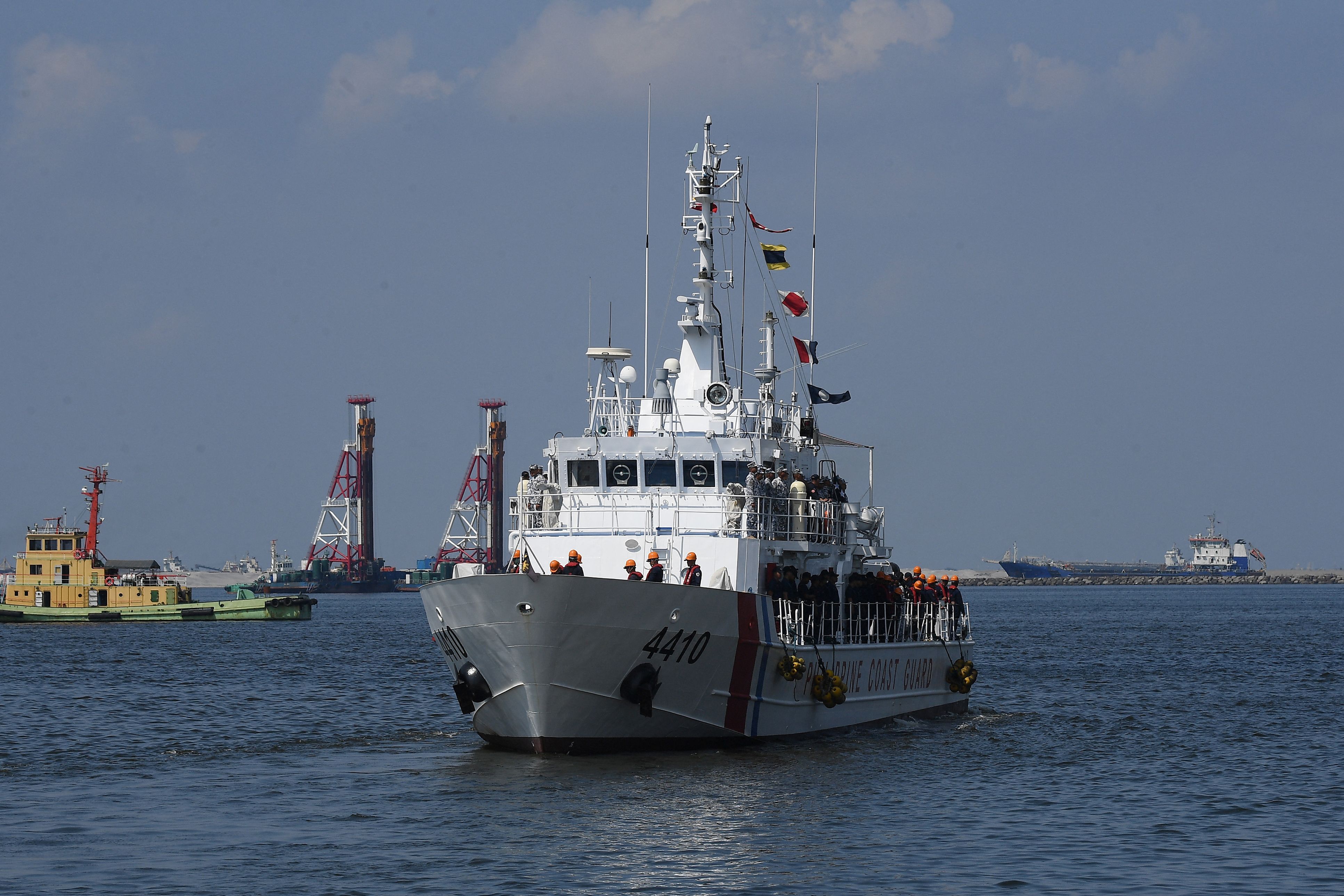
Most Southeast Asian states behave as if the actions of their Northeast Asian neighbors and the Philippines will be sufficient to maintain a regional status quo from which they can benefit.
Chong Ja Ian