

Article
Deborah Gordon, Smriti Kumble, David Livingston
{
  "authors": [
    "David Livingston"
  ],
  "type": "legacyinthemedia",
  "centerAffiliationAll": "dc",
  "centers": [
    "Carnegie Endowment for International Peace"
  ],
  "collections": [],
  "englishNewsletterAll": "ctw",
  "nonEnglishNewsletterAll": "",
  "primaryCenter": "Carnegie Endowment for International Peace",
  "programAffiliation": "SCP",
  "programs": [
    "Sustainability, Climate, and Geopolitics"
  ],
  "projects": [],
  "regions": [
    "North America",
    "Middle East",
    "Iran",
    "Saudi Arabia",
    "East Asia",
    "China"
  ],
  "topics": [
    "Climate Change"
  ]
}
Source: Getty
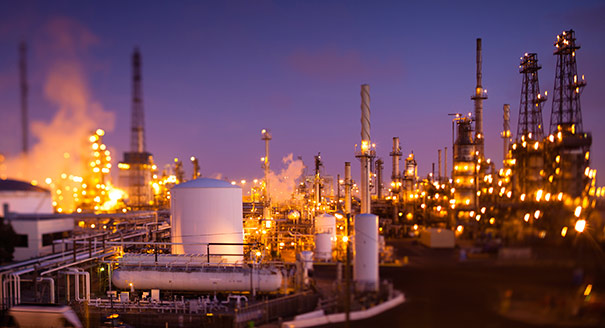
An examination of oil-price instability after a failure to freeze oil production.
Source: CCTV News
A meeting of major oil producers in Doha failed to reach a deal on capping production - a move intended to keep oil prices from sinking below January decade-low price dips. Saudi Arabia blamed the group’s only absentee: its neighbor and political foe, Iran; and said that it would only sign a deal if Tehran agrees on putting a ceiling on its oil production. Are Riyadh’s demands fair, considering the crippling impact of the recently-lifted sanctions on Tehran? What is driving price fluctuations, and how can the market be stabilized? How has the US' exploration of shale gas oil contributed to the dive in oil prices, and how might this competition between traditional and shale oil affect Saudi-US ties? Join CCTV News in panel discussion with Professor Liu Baocheng, Dean of the Center for International Business Ethics from the University of International Business and Economics; in Washington DC, Jean-François Seznec, Adjunct Professor of Georgetown University & Johns Hopkins University; and in London, David Livingston, associate at the Energy and Climate Program at the Carnegie Endowment for International Peace.
Former Associate Fellow, Energy and Climate Program
Livingston was an associate fellow in Carnegie’s Energy and Climate Program, where his research focuses on emerging markets, technologies, and risks.
Recent Work

Deborah Gordon, Smriti Kumble, David Livingston

Erik Brattberg, David Livingston
Carnegie does not take institutional positions on public policy issues; the views represented herein are those of the author(s) and do not necessarily reflect the views of Carnegie, its staff, or its trustees.

Across Asia, China is better positioned to withstand energy shocks from the fallout of the Iran war. Its abundant coal capacity can ensure stability in the near term. Yet at the same time, the country’s energy transition away from coal will make it even less vulnerable during the next shock.

Damien Ma

In the latest Five-Year Plan, the Chinese president cements the shift to an innovation-driven economy over a consumption-driven one.
Damien Ma

For Malaysia, the conjunction that works is “and” not “or” when it comes to the United States and China.

Elina Noor

ASEAN needs to determine how to balance perpetuating the benefits of technology cooperation with China while mitigating the risks of getting caught in the crosshairs of U.S.-China gamesmanship.
Elina Noor
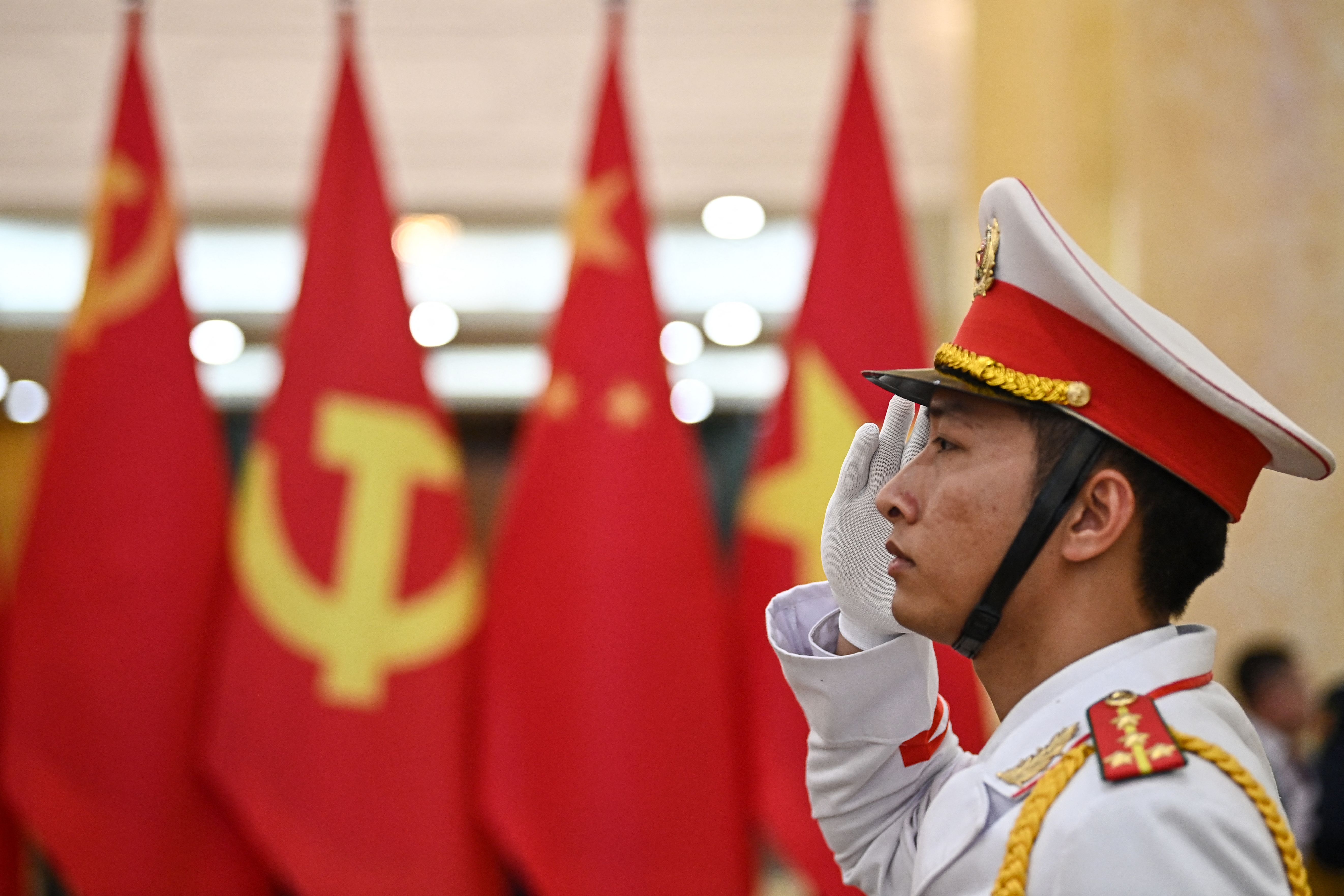
In July 2025, Vietnam and China held their first joint army drill, a modest but symbolic move reflecting Hanoi’s strategic hedging amid U.S.–China rivalry.

Nguyễn Khắc Giang