

Article
C. Raja Mohan, Darshana M. Baruah
{
  "authors": [
    "C. Raja Mohan"
  ],
  "type": "legacyinthemedia",
  "centerAffiliationAll": "",
  "centers": [
    "Carnegie Endowment for International Peace",
    "Carnegie India"
  ],
  "collections": [],
  "englishNewsletterAll": "",
  "nonEnglishNewsletterAll": "",
  "primaryCenter": "Carnegie India",
  "programAffiliation": "",
  "programs": [],
  "projects": [
    "Technology and Society"
  ],
  "regions": [
    "United States",
    "India",
    "China",
    "North America",
    "South Asia",
    "East Asia"
  ],
  "topics": [
    "Technology",
    "Foreign Policy"
  ]
}
Source: Getty
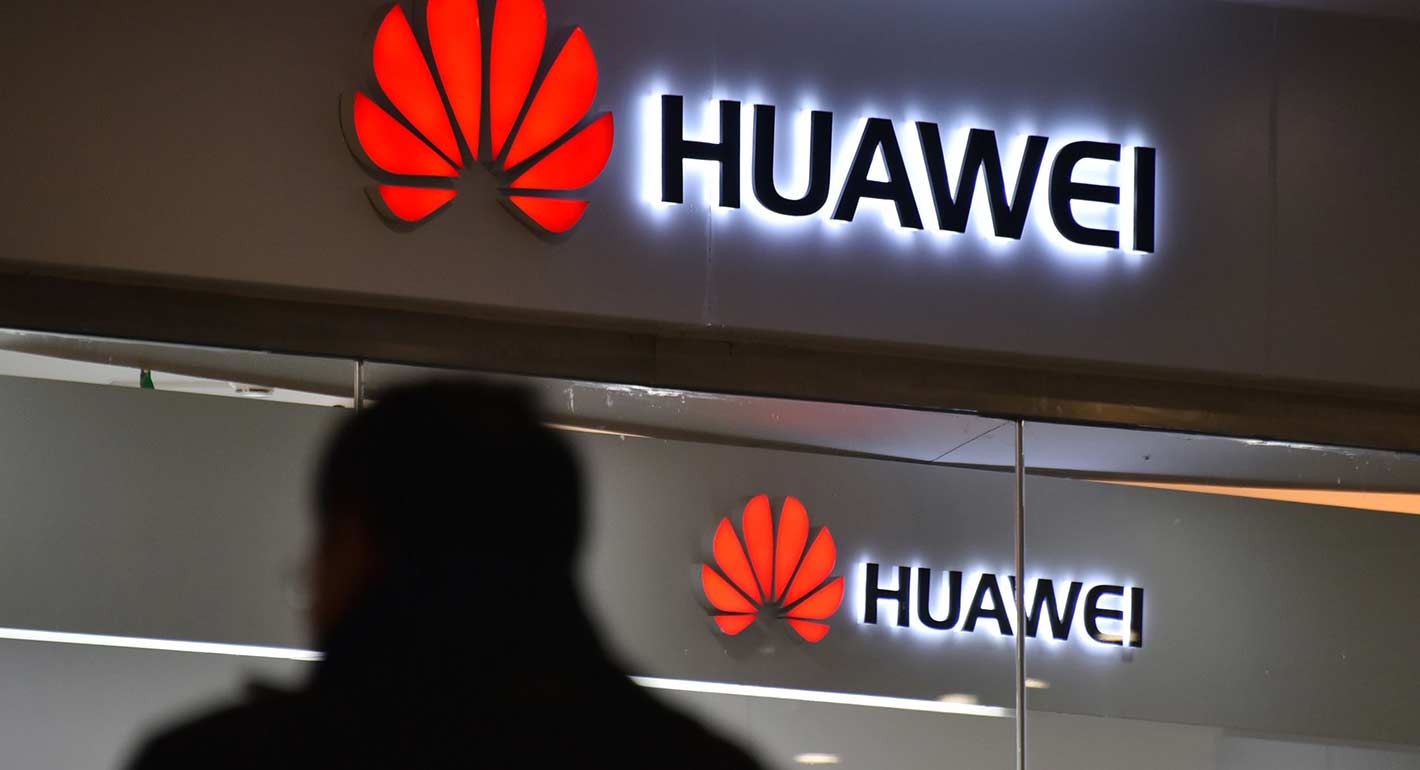
Amidst the new global pushback against Huawei and India’s own plans to introduce 5G mobile technology, New Delhi might have to revisit the old arguments and take a fresh look at its relationship with the Chinese tech giant.
Source: Indian Express
The arrest of a top executive of a Chinese company in Vancouver last week marks the sharpening contest between Washington and Beijing for leadership in such new areas as artificial intelligence, robotics and synthetic biology. The immediate focus is on fifth-generation wireless technologies that promise to transform digital connectivity in the next few years.
The US, which has maintained a massive technological lead against other major powers through much of the 20th century, is now concerned that China is catching up. Losing the technological leadership to Beijing, Washington knows, will begin to undermine America’s global primacy in the 21st century.
The detention of Meng Wanzhou, the chief financial officer of Huawei, highlights this emerging conflict over technology and the difficulty of sustaining the trade deal between the two countries announced with some fanfare last week when President Donald Trump met President Xi Jinping on the margins of the G-20 summit in Buenos Aires, Argentina.
India will not be unaffected by the technology war between America and China. As Washington goes after Huawei, the crown jewel of China’s technology companies, Delhi’s own exposure to the company will come under scrutiny.
Even more important, the new dynamic between the US and China will severely test India’s great power relations. Just as India’s traditional defence relationship with Russia is coming under stress amidst the new conflict between Washington and Moscow, Delhi’s ties with Huawei, will come under the American scanner, sooner rather than later.
India’s strategy of playing all sides among the great powers seemed sensible when Russia and China had a relatively benign relationship with America. That approach, however, is becoming difficult to sustain amidst Washington’s rapidly deteriorating relations with Moscow and Beijing.
But first to Huawei and the immediate consequences. Canadian officials arrested Meng, who was transiting through Vancouver, at the request of the US. The US request was based on the suspicion that Huawei was involved in circumventing the financial sanctions against Iran. If the Canadian justice system approves, Meng will be extradited to face charges in the US.
This is not the first time that the US is targeting Chinese tech companies. Earlier this year, the Trump administration banned the export of American components to the Chinese telecom firm, ZTE, on charges similar to those being considered against Huawei. As ZTE began to implode, Trump agreed to lift the sanctions after the company agreed to pay a huge fine and punish those responsible for defrauding US financial institutions.
The case of Huawei could turn out to be a bigger challenge for both countries. Unlike the ZTE case, the Huawei case is being treated as a criminal offence and could lead to severe punishment for Meng. Huawei is a much larger corporation than ZTE and showcases China’s technological advance and global commercial reach. What makes the case even more interesting is the fact that Meng is the daughter of Huawei’s founder, Ren Zhengfei, and is poised to take charge of the company. This is as close as you can get to corporate royalty in China.
No wonder the detention of Meng has triggered anger and outrage in Beijing. That the detention of Meng took place on the same day as Xi was sitting down with Trump in Buenos Aires adds insult to the Chinese wound. It is not clear if Trump knew about the plans for the arrest, but US media reports say his national security adviser was aware of the impending detention of Meng.
As Beijing considers retaliation, Xi faces a dilemma. A muscular response, say in the form of the arrest of a high profile American CEO, would inevitably escalate the confrontation. But a low key response would make Xi look weak at home. For a leader, who has cultivated the image of invincibility, any appearance of caving in to American pressure would be utterly unwelcome.
Washington, too, will have to consider the impact of this move on its technology giants, all of whom are joined at the hip with China. Any effort to decouple this massive interdependence will certainly hurt Beijing. But it will also inflict much pain on the American companies. Meanwhile, Xi will have to come to terms with the fact that the US has mounted a coordinated campaign to confront Chinese technology companies, Huawei in particular. Over the last few weeks, the Western intelligence agencies have come out in the open to voice security concerns in relation to Huawei and the dangers of letting it build 5G networks in the world.
The concerns of these agencies regarding China’s 5G equipment include the opaque nature of Huawei’s links with the People’s Liberation Army, the danger of enhanced Chinese espionage, and the potential boost to China’s offensive cyber capabilities.
These arguments are not very different from those that India’s security agencies had articulated nearly two decades ago when Huawei was trying to break into the Indian telecom market. But commercial interests and foreign policy considerations of strengthening economic engagement with China helped tip the argument in Huawei’s favour. Since then, Huawei has acquired a dominant position in the smartphone sales domain and the supply of network equipment.
Amidst the new global pushback against Huawei and India’s own plans to introduce 5G mobile technology, Delhi might have to revisit the old arguments and take a fresh look at its relationship with the Chinese tech giant.
Former Nonresident Senior Fellow, Carnegie India
A leading analyst of India’s foreign policy, Mohan is also an expert on South Asian security, great-power relations in Asia, and arms control.
Recent Work

C. Raja Mohan, Darshana M. Baruah


Alexander Gabuev, Paul Haenle, C. Raja Mohan, …
Carnegie does not take institutional positions on public policy issues; the views represented herein are those of the author(s) and do not necessarily reflect the views of Carnegie, its staff, or its trustees.

China’s banking crisis in the 2000s was resolved by transferring the costs to households through financial repression—a decision that recapitalized the banks while exacerbating the structural imbalances that continue to shape the Chinese economy today.

Michael Pettis

Chinese biotech companies have been on the receiving end of U.S. economic coercion. Yet their responses have differed significantly because firm and state interests are not uniformly aligned. For Washington, treating all Chinese tech firms the same, irrespective of their actual interests, risks pushing them farther into Beijing’s corner.

Xue Gong

China’s latest energy plan explicitly calls for integrating data centers into the electricity system, particularly connecting them to green energy. It appears Beijing wants to use compute as a source of domestic demand to absorb renewables excess capacity.

Damien Ma

But their "principal to principal" model will only be as effective as the political strength of each leader back home.
Damien Ma

U.S. unpredictability has allowed China to capitalize on its positioning as the “responsible great power”. Paradoxically, the more China wins the perception game, the more likely expectations will rise for Beijing to deliver not just words but to demonstrate with its deeds.

Chong Ja Ian