

Paper
The nuclear relationship between China and the United States is increasingly shaped by widening perception gaps rather than deliberate strategic design.
Tong Zhao
{
  "authors": [
    "Richard Sokolsky",
    "Aaron David Miller"
  ],
  "type": "legacyinthemedia",
  "centerAffiliationAll": "",
  "centers": [
    "Carnegie Endowment for International Peace",
    "Malcolm H. Kerr Carnegie Middle East Center"
  ],
  "collections": [],
  "englishNewsletterAll": "",
  "nonEnglishNewsletterAll": "",
  "primaryCenter": "Carnegie Endowment for International Peace",
  "programAffiliation": "",
  "programs": [],
  "projects": [],
  "regions": [
    "North America",
    "United States",
    "Middle East",
    "Iran",
    "Israel",
    "Saudi Arabia"
  ],
  "topics": [
    "Security",
    "Foreign Policy"
  ]
}
Source: Getty
The Trump administration needs to stop taking Israel and Saudi advice on Iran and instead look to its own needs and interests.
Source: CNN
In February, as a Middle East meeting hosted by the Poles and orchestrated by the Trump administration kicked off, Israeli Prime Minister Benjamin Netanyahu posted an ominous tweet, saying that the gathering was to "advance the common interest of war with Iran."
The tweet was soon after deleted and reposted to read "combatting Iran" -- but the implication remained. Meanwhile, a recent Saudi news outlet reportedly close to Saudi Crown Prince Mohammad bin Salman (MBS) urged the US to launch surgical strikes against Iran after the kingdom accused Tehran of a drone strike that closed down a Saudi oil pipeline.
At present, the US-Iranian relationship is balanced precariously between situations of no peace and no war. The Trump administration's unilateral withdrawal from the 2015 Iran nuclear deal and its campaign of maximum economic pressure on Iran has ushered in a period of uncertainty that leaves both sides in a potentially dangerous cycle, each taking escalatory steps that increase the odds of a military conflict, particularly in the absence of a direct channel for deescalation.
When it comes to Iran, Jerusalem and Riyadh are hardly objective observers; while both would be at risk in a US war with Iran, they have consistently advocated hardline US policies. That's precisely why the US should reject their advice. We should not follow Israeli and Saudi policies that raise risks of war with Iran, especially since their interests don't always align with our own.
The nuclear deal with Iran would have prevented Tehran from developing a nuclear weapon until at least 2030 and subjected its nuclear program to the most stringent verification regime in the history of arms control. Like many arms control agreements, it was flawed but highly functional and probably the best agreement that could have been negotiated at the time. It served America's paramount objective of preventing a nuclear-armed Iran from dominating the region, and thus heading off US or Israeli military strikes on Iran's nuclear infrastructure.
The Israeli and Saudi governments, however, hated the agreement and did everything they could to tank it. Saudi Arabia seemed more concerned with Iran's geopolitical ambitions in the Gulf while Israel focused on the existential threat of a nuclear-armed Iran. In short, for Jerusalem and Riyadh the US outreach to Iran heralded an increase in Iran's threatening influence and a growing US-Iranian reconciliation that would have jeopardized their clout with Washington and their influence and security.
In successfully helping to persuade the Trump administration to leave the nuclear deal in 2018, Saudi Arabia and Israel took care of their own needs and interests. The US, in contrast, left itself with no alternative framework to constrain Iran's nuclear program and no dialogue to engage Tehran. The default option became a campaign of sanctions that, while successful in squeezing Iran's economy, has not offered a way to rein in Iran's nuclear ambitions or regional influence, let alone renegotiate a new deal. The dangerous tensions we are witnessing with Iran today are direct outgrowths of the unraveling of the nuclear agreement.
Last November President Trump applauded Saudi Arabia as a "great ally in our very important fight against Iran."
What exactly was Trump talking about? Far from taking coherent steps to combat Iran's influence in the region, the reckless policies of MBS, the de facto architect of Saudi foreign policy, has expanded Iran's influence, not contracted it -- all with the help of the Trump administration.
The Saudi-led MBS economic war against Qatar has actually deepened Iran's influence there; and the Saudis' inhumane war against Iranian-backed Houthi rebels with US military support has helped to devastate Yemen, hand Iran a propaganda victory, strengthen al Qaeda and the Islamic State in Yemen, and blacken the US image -- all without constraining Tehran's influence.
The Israelis have been much more disciplined and effective than Saudi Arabia when it comes to checking Iran's influence in Syria without precipitating a larger conflict. But the situation there remains fraught. Iran is increasing its influence on the ground not only with the Assad regime but also through its proxies and has no intention of leaving Syria. And the Israeli government's policies toward the Palestinians in Gaza have played a role in increasing Iran's influence there, especially empowering Palestine Islamic Jihad, a pro-Iranian group that was responsible for triggering the recent escalation.
Iran doesn't present an existential threat to the United States. Israel and Saudi Arabia, on the other hand, have legitimate reasons to worry about Iran's nuclear program and its activities in their neighborhood. It should not be surprising, therefore, that both countries want the US to take the point in confronting Iran, although neither Jerusalem nor Riyadh want to be dragged into a US-Iranian war that might put them at risk. Saudi Arabia is extremely vulnerable to Iranian ballistic missiles and sabotage of its oil facilities, and Israel doesn't want to fight a war against Iranian- backed Hezbollah and its 130,000 high trajectory weapons
The US shouldn't want to instigate a conflict either, not only for our sake but for Israel, Saudi Arabia and Iran's, too. America should avoid a war with Iran at all costs unless Tehran threatens core American interests: preventing terrorism against Americans abroad or against the homeland, preserving the uninterrupted flow of oil from the Persian Gulf, and preventing Iranian acquisition of a nuclear weapon. Israel and Saudi Arabia have understandable fears and insecurities about Iran, even though they are often inflated. But it's dangerous to signal that the US shares these concerns, which only emboldens both countries, especially the Saudis, to engage in reckless and irresponsible behavior that inflames tensions and increases the risk of war.
Unlike Netanyahu and MBS, who have little interest in engaging Iran, the Trump administration should make the effort to open direct contacts with Iran. And Trump has, in fact, expressed that he wants Iran to give him a call, but no such call has been received. If a conversation were to lead to a serious and sustained dialogue, it could help avoid escalating the tension or even probe other areas of possible negotiation, although prospects for any agreement are slim. The administration needs to stop taking Israel and Saudi advice on Iran and instead look to its own needs and interests. If the Trump administration can engage North Korea's Kim Jong Un, the world's most brutal dictator, it can certainly start talking to Iran.

Nonresident Senior Fellow, Russia and Eurasia Program
Richard Sokolsky is a nonresident senior fellow in Carnegie’s Russia and Eurasia Program. His work focuses on U.S. policy toward Russia in the wake of the Ukraine crisis.
Senior Fellow, American Statecraft Program
Aaron David Miller is a senior fellow at the Carnegie Endowment for International Peace, focusing on U.S. foreign policy.
Carnegie does not take institutional positions on public policy issues; the views represented herein are those of the author(s) and do not necessarily reflect the views of Carnegie, its staff, or its trustees.
The nuclear relationship between China and the United States is increasingly shaped by widening perception gaps rather than deliberate strategic design.

Tong Zhao
But their "principal to principal" model will only be as effective as the political strength of each leader back home.

Damien Ma
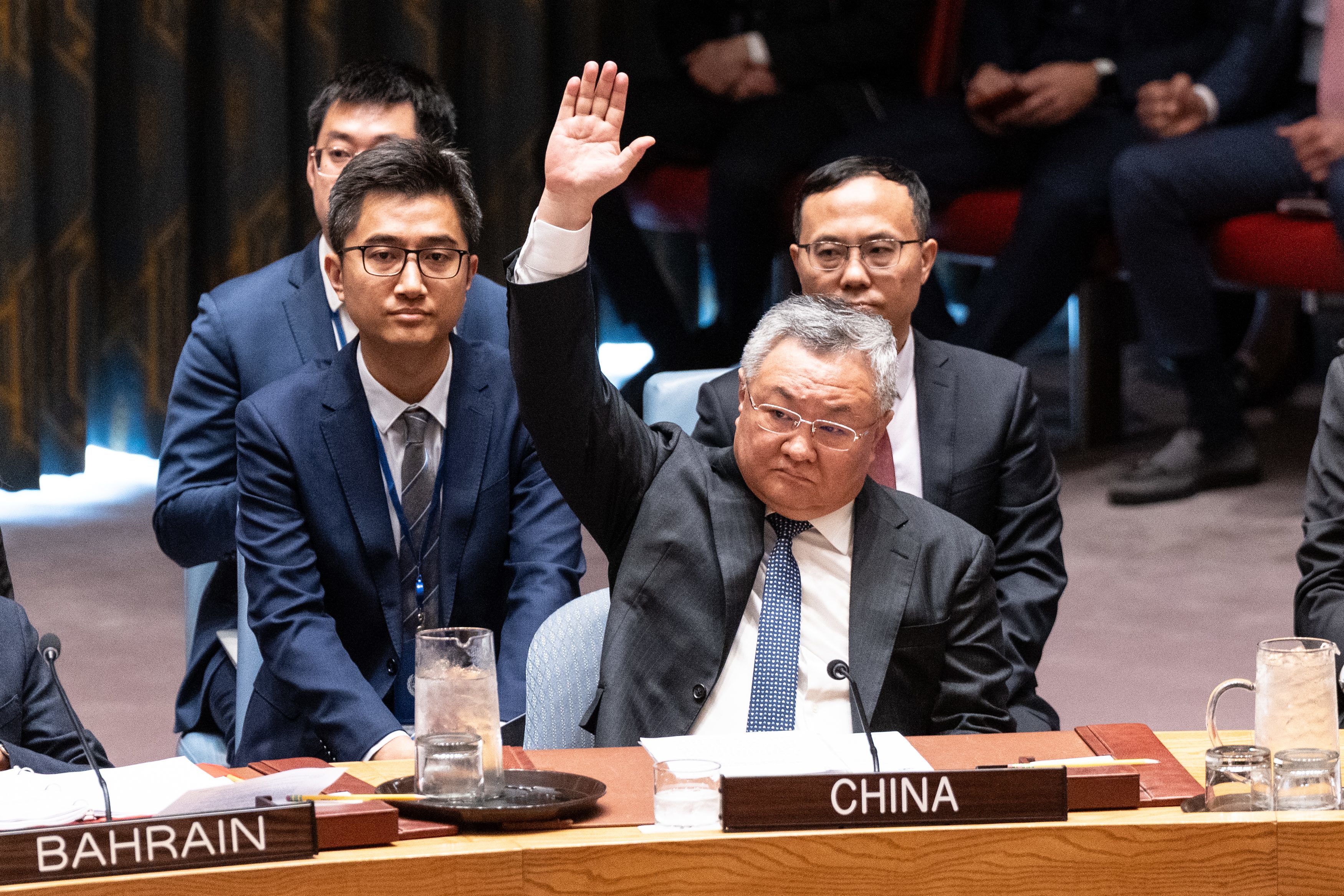
U.S. unpredictability has allowed China to capitalize on its positioning as the “responsible great power”. Paradoxically, the more China wins the perception game, the more likely expectations will rise for Beijing to deliver not just words but to demonstrate with its deeds.

Chong Ja Ian
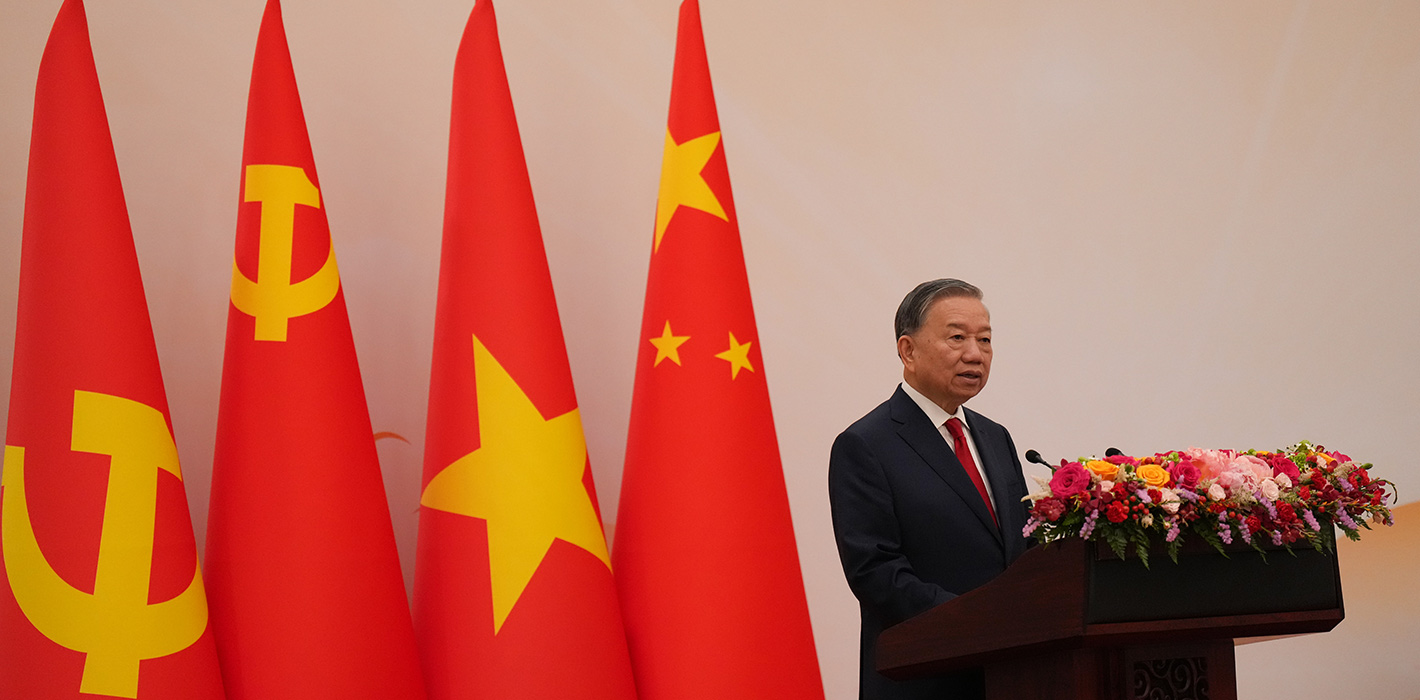
Hanoi and Beijing have long treated each other as distant cousins rather than comrades in arms. That might be changing as both sides draw closer to hedge against uncertainty and America’s erratic behavior.

Nguyễn Khắc Giang
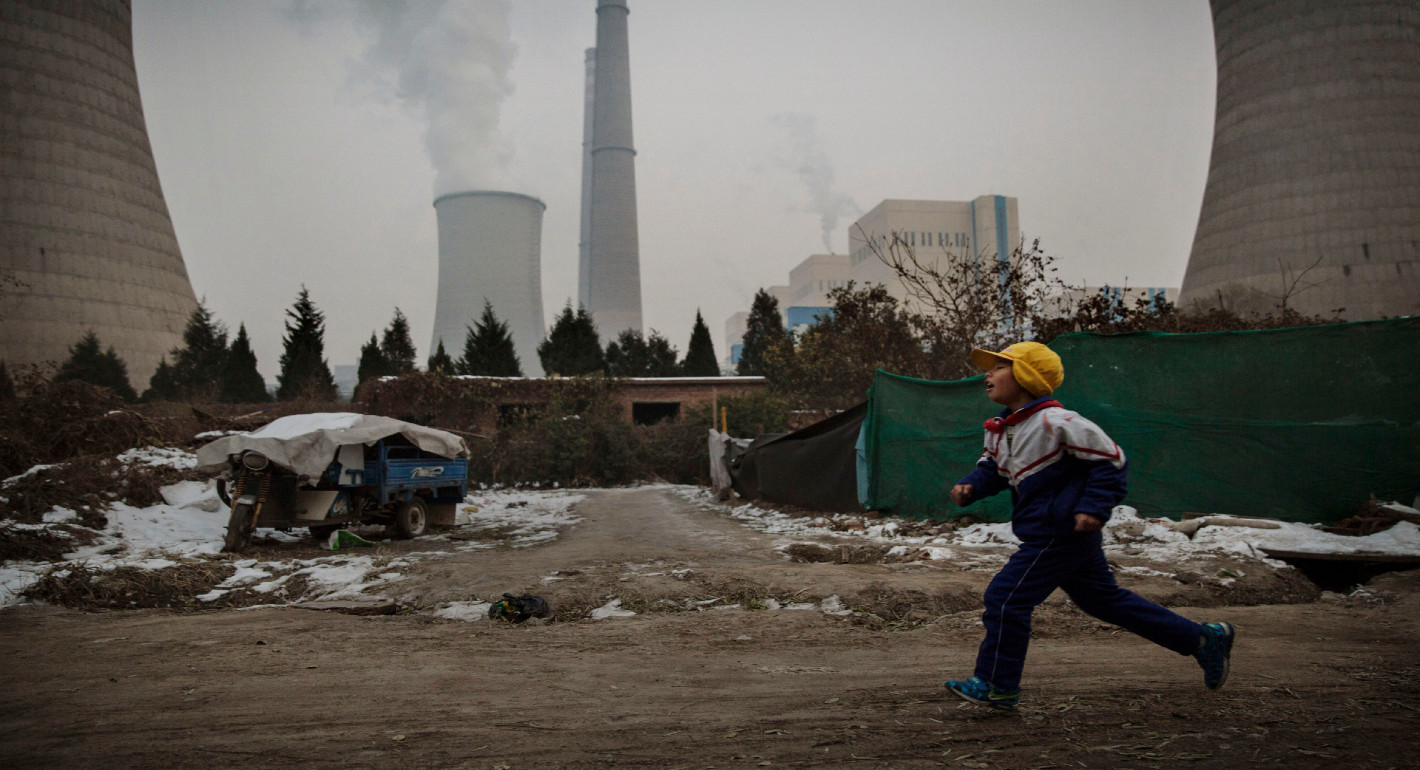
Across Asia, China is better positioned to withstand energy shocks from the fallout of the Iran war. Its abundant coal capacity can ensure stability in the near term. Yet at the same time, the country’s energy transition away from coal will make it even less vulnerable during the next shock.
Damien Ma