

Research
- +1
Vijay Gokhale, Suyash Desai, Amit Kumar, …
{
  "authors": [
    "Vijay Gokhale"
  ],
  "type": "legacyinthemedia",
  "centerAffiliationAll": "",
  "centers": [
    "Carnegie Endowment for International Peace",
    "Carnegie India"
  ],
  "collections": [],
  "englishNewsletterAll": "",
  "nonEnglishNewsletterAll": "",
  "primaryCenter": "Carnegie India",
  "programAffiliation": "",
  "programs": [],
  "projects": [
    "Security Studies"
  ],
  "regions": [
    "United States"
  ],
  "topics": [
    "Economy",
    "Foreign Policy"
  ]
}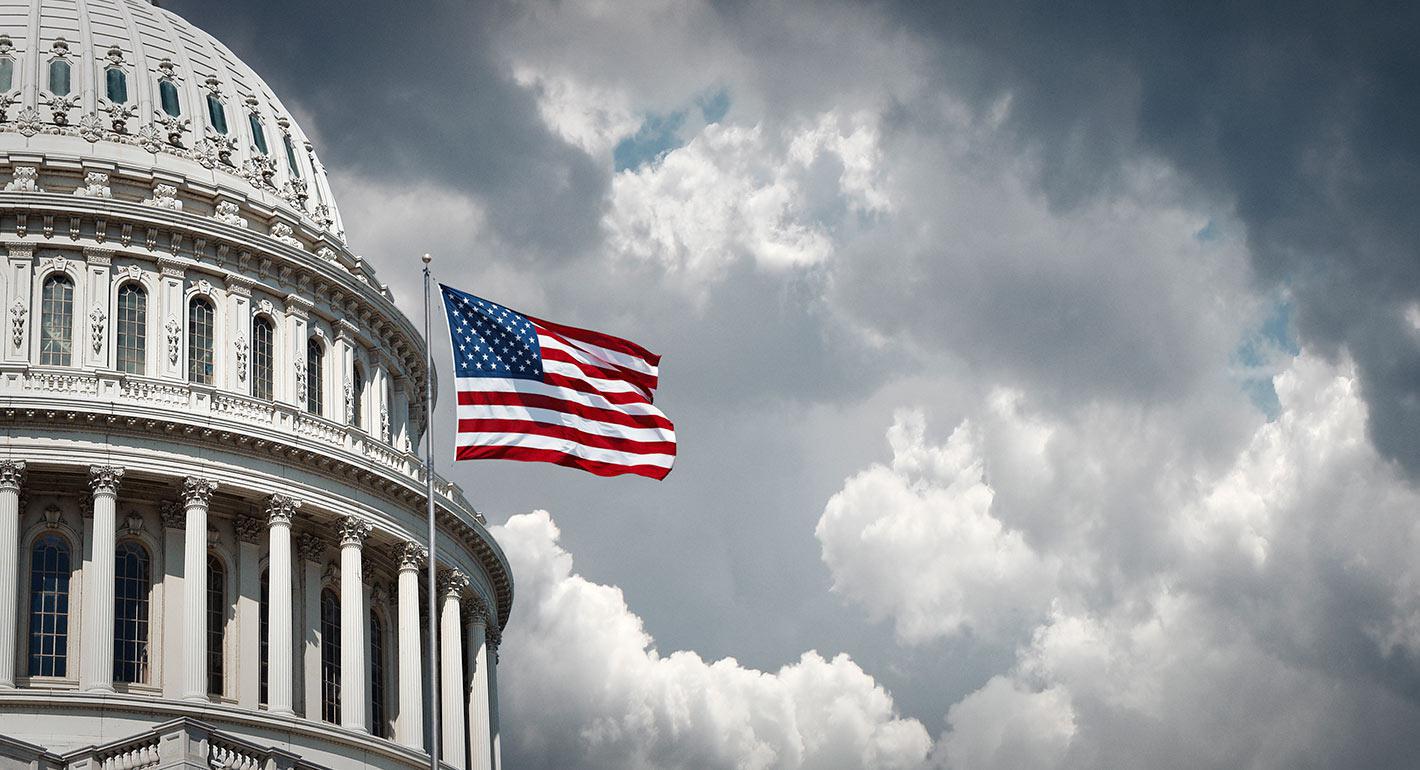
Source: Getty
Beyond the optics, the Trump Americans, who are the new political base, will still shape American policy irrespective of who the president is. “America First” is here to stay.
Source: Indian Express
The 2020 American presidential election has not yet yielded a winner. It is a watershed moment in America’s political life. It has seen the largest voter turnout in a century. Both candidates are over the age of 70. The campaign has been marked by bitterness and acrimony. The electoral process has been vitiated by allegations of mail-voter fraud. The images of commercial establishments boarded up in anticipation of violence in the national capital are more reminiscent of the Third World than of the world’s leading nation. Whoever wins this race, one thing is clear. Going forward, America will not be defined by the Democrats or by the Republicans. It will be defined by the Trump Americans. If President Donald Trump wins re-election, it will put to rest the presumption that his election in 2016 was an aberration or a momentary lapse on part of the American populace. If Trump loses, can the new President-elect afford to forget or ignore that nearly half of all Americans who cast their ballot this time round endorsed Trump with their eyes wide open? Either way, America will wake up to a new age tomorrow or the day after.
Who wins in Washington will be important. The world still has need for American leadership. It remains the world’s largest net provider of global public goods. It is the lynchpin of the global multilateral system. The world presumed that the abdication of leadership and the withdrawal of America from the global system under President Trump was a passing phase. If Joe Biden wins, it is possible that America will re-engage with dignity and restore mutual respect in its relations with allies and partners, beginning with the trans-Atlantic alliance. The new administration may begin to look like it was earlier, with properly staffed departments of State and Defence, and coordination of policy through established presidential processes. However, these are optics. Beyond the optics, the Trump Americans, who are the new political base, will still shape American policy irrespective of who the president is.
“America First” is here to stay. The American people believe that their education, employment and retirement have been impacted by the immigration, outsourcing and liberal trade policies of past administrations. Trump America does not want more migrants, legal or otherwise, in the United States. It will not support the outsourcing of jobs at the cost of their own. It wants a fair deal on trade that does not allow cheaper imports to put small American businesses out of business. Even a Biden administration cannot return America back to the days of open borders and free trade. It might terminate the travel ban, but it cannot reverse the immigration policy. It might relax some categories of work-visas, but it cannot return to the time when outsourcing was the preferred option for American companies. It might re-engage with the World Trade Organisation but it cannot tear down the trade barriers that Trump has erected in the name of Make in America. Biden’s own trade agenda looks a lot like Trump’s, if you leave out the tactics that are so offending to others.
In foreign policy as well, the Trump Americans will call the shots. They do not wish to spend any more taxpayer dollars on foreign wars and they want their boys and girls to come home. They feel that multilateral organisations are uncaring of America’s needs and only want American money, while they act against American interests. They think America’s allies are not carrying their weight and are unfairly living off American contributions. They want their allies and partners to take greater responsibility for peace and security. Biden’s supporters hope that he can reverse the abdication of American global leadership and renew alliances, but as president he may find it difficult to go against the Trump Americans on issues like China, Iran and climate change, without endangering the Democratic Party’s long-term interests. And if Trump is re-elected as the president, it will only be because of his core voter base and it will strengthen his resolve to go down the path he began to chart during his first term in office.
Whether or not America withdraws from the world, American leadership, as we know it, might be over. America will become more transactional and less generous. Common values like democracy or shared approaches like multipolarity may be of lesser importance in America’s scheme of things. Whether it is Trump or Biden, the Sino-US relationship will remain complicated and rivalrous. Whether it is Trump or Biden, the Obama-era nuclear deal with Iran cannot be restored. Whether it is Trump or Biden, American troops will soon be gone from Afghanistan. Whether it is Trump or Biden, there will be less willingness to consider emerging economies as deserving beneficiaries of concessional arrangements. A Biden presidency might also mean a more critical look at the record of not just authoritarian states but also democracies on issues like labour, environment and non-proliferation.
President Trump has been good for India in terms of foreign policy, less so in terms of economic policy. If he is re-elected, India can expect more robust cooperation in foreign policy and security areas but Delhi should equally be prepared for the Trump administration to ratchet up pressure on trade and to tighten rules on immigration. With Biden, India and the US might return to a more balanced re-engagement on trade and immigration, but should be prepared for a more accommodative policy on both Pakistan and China than Trump’s. Whoever is the next occupant of the White House, the way Americans voted on November 3, 2020 will shape American policy and politics for years to come.
This article was originally published by the Indian Express.
Nonresident Senior Fellow, Carnegie India
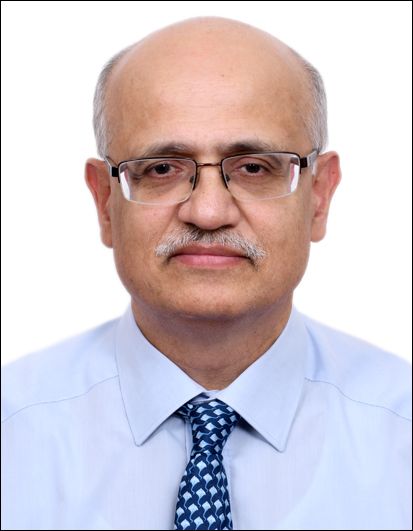
Vijay Gokhale is a nonresident senior fellow at Carnegie India and the former foreign secretary of India. He has worked extensively on matters relating to the Indo-Pacific region with a special emphasis on Chinese politics and diplomacy.
Recent Work
Vijay Gokhale, Suyash Desai, Amit Kumar, …
Carnegie does not take institutional positions on public policy issues; the views represented herein are those of the author(s) and do not necessarily reflect the views of Carnegie, its staff, or its trustees.

The Plaza Accord was not an externally imposed punishment of Japan but part of a broader restructuring that Japanese economists and policymakers themselves recognized was necessary. Its effects were undermined, however, when Tokyo responded to the resulting slowdown with policies that exacerbated investment, credit expansion, and the very imbalances the adjustment was intended to resolve.

Michael Pettis

The nuclear relationship between China and the United States is increasingly shaped by widening perception gaps rather than deliberate strategic design.

Tong Zhao
China’s banking crisis in the 2000s was resolved by transferring the costs to households through financial repression—a decision that recapitalized the banks while exacerbating the structural imbalances that continue to shape the Chinese economy today.
Michael Pettis

But their "principal to principal" model will only be as effective as the political strength of each leader back home.

Damien Ma

U.S. unpredictability has allowed China to capitalize on its positioning as the “responsible great power”. Paradoxically, the more China wins the perception game, the more likely expectations will rise for Beijing to deliver not just words but to demonstrate with its deeds.

Chong Ja Ian