

Q&A
Dara Massicot, Aaron David Miller, Andrew S. Weiss
{
  "authors": [
    "Aaron David Miller"
  ],
  "type": "commentary",
  "centerAffiliationAll": "dc",
  "centers": [
    "Carnegie Endowment for International Peace"
  ],
  "collections": [],
  "englishNewsletterAll": "americanStatecraft",
  "nonEnglishNewsletterAll": "",
  "primaryCenter": "Carnegie Endowment for International Peace",
  "programAffiliation": "ASP",
  "programs": [
    "American Statecraft",
    "Middle East"
  ],
  "projects": [],
  "regions": [
    "Middle East",
    "Israel",
    "Palestine",
    "United Arab Emirates"
  ],
  "topics": [
    "Security",
    "Foreign Policy"
  ]
}
Source: Getty
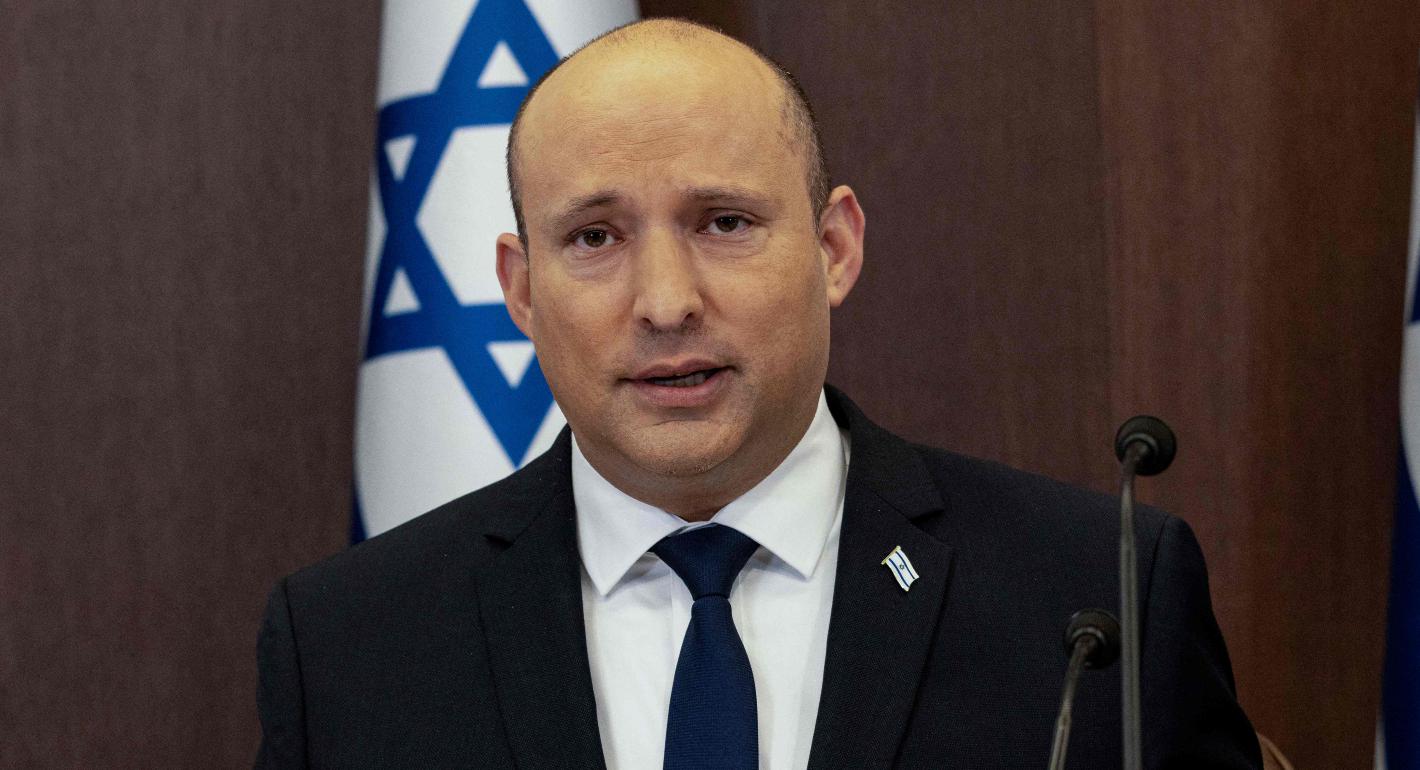
Naftali Bennett’s historic state visit was a sign of progress—with caveats.
President Joe Biden’s administration inherited two peace processes: a semi-comatose and increasingly dysfunctional relationship between Israel and the Palestinians and a functional set of newly negotiated agreements between Israel and a number of key Arab states, primarily the UAE, brokered by former president Donald Trump’s administration. On Monday, the latter process cataloged a historic step forward. Israeli Prime Minister Naftali Bennett’s state visit to the UAE—the first of any Israeli leader to the Emirates—reflects a transformation in that relationship and the willingness of some Arab states to begin untethering themselves from the Palestinian cause. Still, the Arab-Israeli conflict is far from over. Here are three takeaways from the meeting between Bennett and Abu Dhabi’s Crown Prince Mohammed bin Zayed.
First, the burgeoning relationship between the UAE and Israel is unique in the annals of Arab-Israeli peacemaking. The Egyptian and Jordanian peace treaties were strategic breakthroughs that ended military conflicts and altered the regional balance of power, but they lacked much of the normal interaction that might define peaceful relations between nations. Within a year of reaching their normalization accord, Israel and the UAE have engaged in trade, travel, tourism, and cooperative ventures by both the government and the private sector that eclipse previous relationships with Israel’s Arab partners. What’s more, the Israel-UAE relationship has survived its first real test: a bloody confrontation between Israel and Palestinians that might have easily pushed the pace of normalization off track.
Second, the Bennett trip reflects shifts in some Arab states’ priorities. An Israeli leader’s state visit to a Gulf nation would have been unthinkable a decade ago. But the region is changing. Iran is rising. Arab states are growing frustrated with both Hamas and the Palestinian Authority, as well as realizing that a relationship with Israel could provide concrete benefits in the tech and security realms. Many also suspect that the United States might be lessening its commitments in the Middle East. These shifts opened the door first to discrete contacts, then to incentives from the Trump administration (F-35 sales to the UAE, U.S. recognition of Moroccan rule over Western Sahara, security guarantees for Bahrain, and Sudan’s removal from the U.S. terrorism list), then to formal agreements. Indeed, these Arab states have borrowed a page from Egypt’s late president Anwar Sadat—if you want to make inroads with Washington, the road lies through cozying up to the Israelis.
Third, Bennett will benefit from the visit, though the advantages of the relationship with the UAE for most Israelis have been baked into the political cake. They know Bennett wasn’t the midwife of the agreements, but the trip will provide some weak ammunition to fend off charges that there is no peace process. Like his predecessor, Benjamin Netanyahu, Bennett is eager to avoid dealing with the political aspect of the Palestinian issue; however, he has a useful talking point in noting this Arab state’s willingness to deal with Israel, even while there’s no formal peace process and while settlement building continues. But Bennett also knows that he must be careful not to undertake dramatic moves toward Palestinians that might risk these new relationships with Arab states.
There’s no doubt that Palestinians are the biggest losers in these new circumstances. Divided and dysfunctional, they face a preoccupied Biden administration, a weak Israeli government that has no intention of meeting their demand for statehood, and an Arab world that’s increasingly focused on other priorities. Still, there have been no new Arab states that have signed up for relations with Israel, and an unresolved Palestinian question carries serious consequences of violence and instability. And Saudi Arabia has made it clear—at least under the current king—that any formal ties with Israel would need to await resolution of the Palestinian issue. A Middle East with weak Arab states—and a tough-minded Iran using its proxies in Syria, Lebanon, and Iraq—remains a volatile, unstable, and conflict-ridden place. Indeed, to hedge its bets, the UAE has reenergized its contacts with Iran. The agreement and state visit are clear signs of positive change. But rest assured, relations with the UAE aren’t about to make the region Israel’s oyster.

Senior Fellow, American Statecraft Program
Aaron David Miller is a senior fellow at the Carnegie Endowment for International Peace, focusing on U.S. foreign policy.
Recent Work


Dara Massicot, Aaron David Miller, Andrew S. Weiss



Sophia Besch, Eric Ciaramella, Steve Feldstein, …
Carnegie does not take institutional positions on public policy issues; the views represented herein are those of the author(s) and do not necessarily reflect the views of Carnegie, its staff, or its trustees.

But their "principal to principal" model will only be as effective as the political strength of each leader back home.

Damien Ma

U.S. unpredictability has allowed China to capitalize on its positioning as the “responsible great power”. Paradoxically, the more China wins the perception game, the more likely expectations will rise for Beijing to deliver not just words but to demonstrate with its deeds.

Chong Ja Ian

Hanoi and Beijing have long treated each other as distant cousins rather than comrades in arms. That might be changing as both sides draw closer to hedge against uncertainty and America’s erratic behavior.

Nguyễn Khắc Giang

Across Asia, China is better positioned to withstand energy shocks from the fallout of the Iran war. Its abundant coal capacity can ensure stability in the near term. Yet at the same time, the country’s energy transition away from coal will make it even less vulnerable during the next shock.
Damien Ma

Malaysia’s chairmanship sought to fend off short-term challenges while laying the groundwork for minimizing ASEAN’s longer-term exposure to external stresses.

Elina Noor