

Commentary
The second Trump administration has shifted the cornerstones of the liberal international order. How the EU responds will determine not only its global standing but also the very integrity of the European project.
{
  "authors": [
    "Jamie Kwong"
  ],
  "type": "commentary",
  "centerAffiliationAll": "",
  "centers": [
    "Carnegie Endowment for International Peace",
    "Carnegie Europe"
  ],
  "englishNewsletterAll": "",
  "nonEnglishNewsletterAll": "",
  "primaryCenter": "Carnegie Europe",
  "programAffiliation": "",
  "regions": [
    "Europe",
    "France",
    "United Kingdom"
  ],
  "topics": [
    "EU",
    "Foreign Policy",
    "Nuclear Policy"
  ]
}
Source: Getty
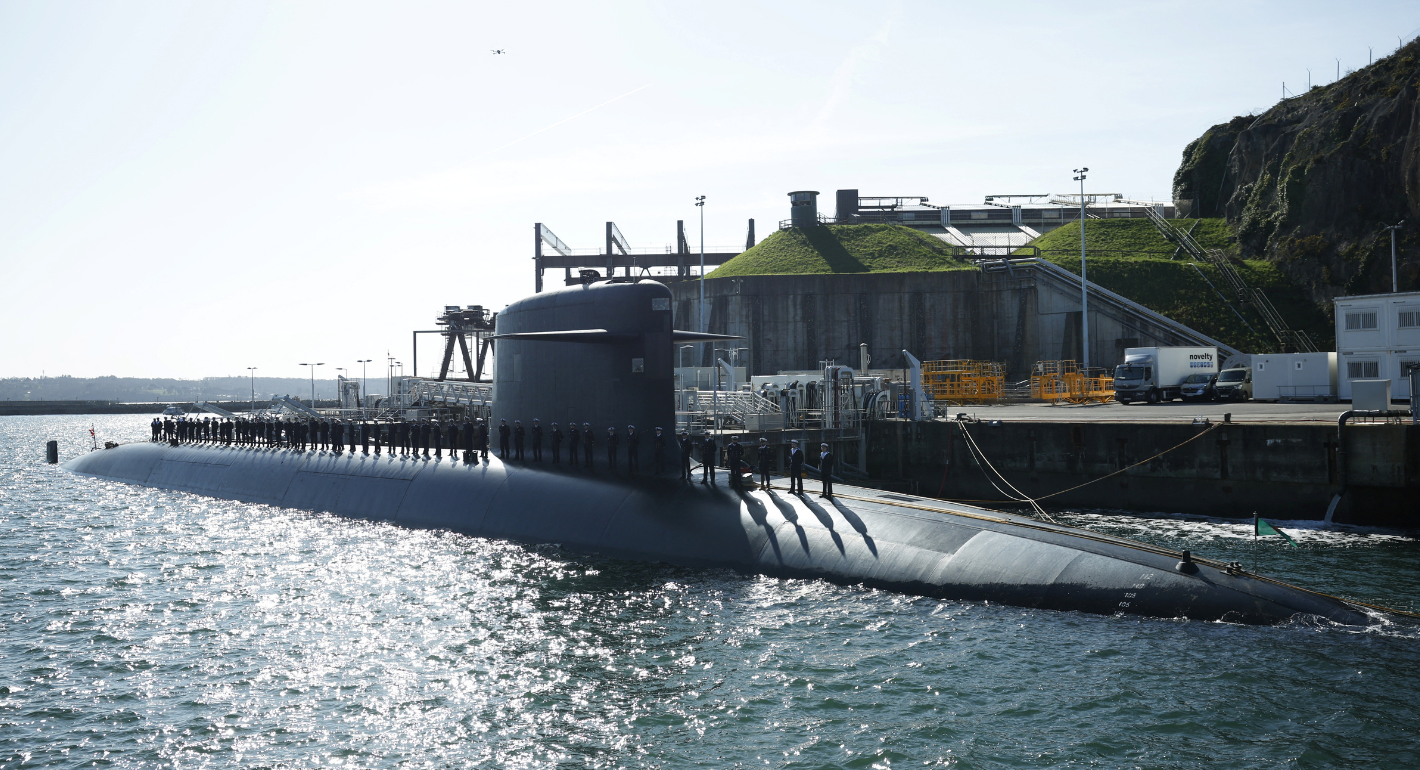
As the nuclear order rapidly evolves, what can Europeans and other key players do to strengthen deterrence and reduce risks?
Note from the editor: As part of a project between Carnegie Europe and the Brussels School of Governance, six students have developed policy recommendations for navigating a rapidly changing nuclear order. Their contributions could not be timelier. The erosion of arms-control frameworks, growing competition between great powers, and the rapid development and spread of emerging and disruptive technologies pose serious challenges to strategic stability. In Europe, these challenges are particularly acute amid the ongoing conflict in Ukraine and the growing threat of Russian revisionism as well as increasing uncertainty about the credibility and durability of U.S. security guarantees.
The students provide important insights into how Europe and other key players should think about these issues, with practical recommendations for enhancing European security and reducing nuclear risks. They converge on the need for Europeans to work together to strengthen deterrence while preserving room for diplomacy and advancing long-standing efforts to promote a more stable nuclear order.
Ryan Lohr
As U.S. security guarantees continue to erode, Europeans must establish a credible nuclear and conventional deterrent of their own. Recent conflicts, including Ukrainian attacks on Russia and Iranian attacks on Israel, reflect the reality that possessing nuclear weapons does not deter conventional attacks. This reality requires Europe to develop both conventional and nuclear means to deter the full spectrum of threats against the continent.
On the nuclear side, this could mean an expansion of the 2025 Northwood Declaration that provides credible redlines by clarifying what “extreme threat[s] to Europe” would prompt a French-British response—and what exactly constitutes “Europe.” On the conventional side, it could mean a phased spending plan, which could act as a catalyst to grow the European defense industry, with the goal of overcoming reliance on U.S. operational support and off-the-shelf American systems that dominate European procurement.
In both domains, Europe must not mistake declarations and proposals for action. The end state needs to be a security structure, backed by strategies and capabilities, that makes U.S. support complementary rather than obligatory and, ultimately, a strong Europe in a stronger NATO.
Beatrice Bonaccorso
Today’s changing nuclear order creates challenges that European policymakers can no longer treat as distant or isolated. Four connected developments stand out: multipolarity, the multiplication of stability-instability dynamics, the erosion of arms control and strategic dialogue, and the rise of emerging technologies.
To respond, Europe must reorient its nuclear policy toward deterrence and risk management. Additionally, maintaining dialogue will be central to crisis stability and deterrence management. European policymakers should support alternative forms of diplomatic engagement, such as track 1.5 and track 2 dialogues, with nuclear-armed states—especially Russia—to address the weakening of formal diplomatic mechanisms. Such dialogues have historically helped maintain communication when official diplomacy freezes. Finally, Europeans should use diplomatic and economic leverage, for example by making existing trade or diplomatic benefits conditional, to encourage nuclear‑armed states to commit to crisis management and risk-reduction measures aimed at mitigating escalation pressures.
Maria Weisæth
Uncertain U.S. commitments demand a stronger European contribution to nuclear deterrence. France and the UK offer complementary strengths: France has an autonomous deterrent, while the UK’s sovereign force is linked to U.S. systems and NATO. Coordinating them could strengthen European reassurance without claiming to replace the American umbrella.
The 2025 Northwood Declaration established a UK-France Nuclear Steering Group, which now needs practical tasks. A bilateral planning cell should prepare consultation procedures, crisis exercises, and coordinated signaling options without authority over targeting or nuclear release. A three-year plan should assign responsibilities, set deadlines, and review progress.
European partners could observe relevant consultations and contribute early-warning systems, secure communications, missile defense, and conventional capabilities. The cell should align procedures and exercises with NATO’s nuclear mission and France’s forward deterrence initiative without merging their decisionmaking structures. This approach could boost European nuclear deterrence without creating a supranational arsenal or undermining U.S. ties.
Kristīne Anna Apine
With the February 2026 expiry of the New Strategic Arms Reduction Treaty (New START), nuclear arms control has entered its most fragile moment. Yet, arms control should be understood not as a fixed architecture to be rebuilt but as a flexible process for managing new realities. While a comprehensive new treaty between major powers is currently unlikely, historically resilient risk-reduction and confidence-building measures—including hotlines, missile test notifications, and voluntary data exchanges—can narrow the gap between what states know and what they assume, reducing the risk of miscalculation.
As states modernize their nuclear arsenals and rely more on deterrence and ambiguity, the risks of escalation, arms races, and a weakened nonproliferation regime increase. Europe is directly affected by these risks and would be well placed to address them by convening an expert dialogue on risk reduction and emerging technologies. This dialogue could lay the groundwork for a voluntary restraint framework enabled by 24/7 nuclear risk communication channels and could promote noninterference norms for early-warning systems against both cyber and kinetic disruptions.
Paulina Villegas Rojas
Nuclear weapons could end civilization, yet the decision to use them rests with a small number of leaders with launch authority. Two forces are tightening this control. First, all five recognized nuclear-weapon states are pursuing AI integration into command and control, which could shape the information leaders act on in deciding to employ nuclear weapons. Second, the nuclear taboo—the norm against nuclear use that has for decades stood in for oversight—is fading, which may increase the risk that leaders choose to use nuclear weapons in conflict.
As Europe’s deterrence architecture is redesigned, the moment to reform sole launch authority is now. Each nuclear state’s parliament should be briefed before any major change in nuclear doctrine, governments should disclose which AI systems inform nuclear decisions, and civil society should demand a more formal role in nuclear policymaking. One finger may press the button, but the decision to use nuclear weapons should not rest with one.
Joel Oksanen
Current disarmament instruments face significant limitations, but several measures could mitigate these constraints. First, nuclear-weapon-free zones (NWFZs) show that verified regional arrangements can sustain the absence of nuclear weapons among nonnuclear states. NWFZ states can use their experience to support the development of expanded zones and help coordinate diplomatic efforts toward legally binding negative security assurances.
Second, credible nuclear disarmament requires verification mechanisms that can detect undeclared fissile material and constrain covert rearmament. Material accountancy, environmental sampling, and short-notice inspections can strengthen confidence in compliance while reducing the risk of an undeclared bomb in the basement.
Third, governance gaps surrounding cyber-enabled threats to nuclear material and infrastructure need to be addressed. The EU should establish binding cybersecurity regulations for nuclear facilities, aligned with the International Atomic Energy Agency’s safeguards. It should also work with the agency to develop more secure systems to track nuclear material accountancy.
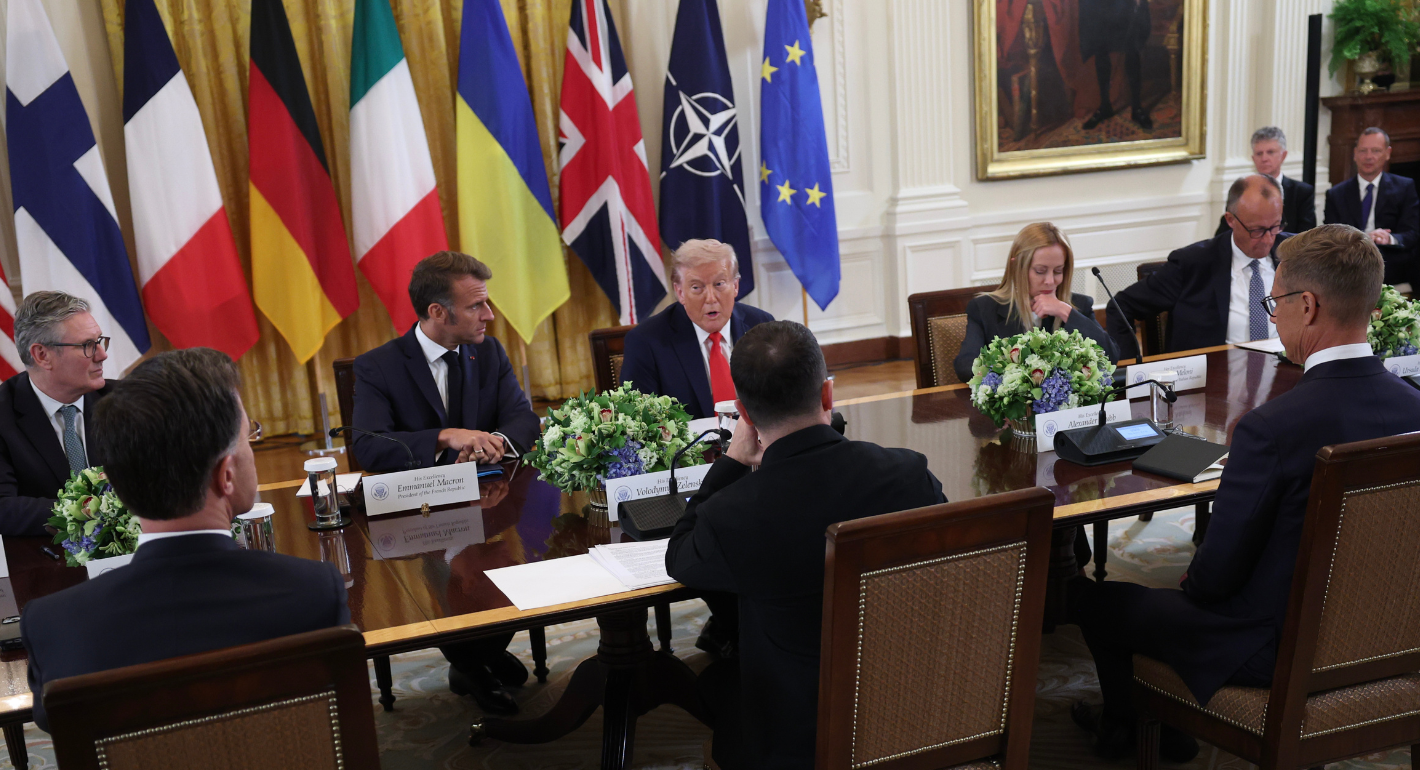
The second Trump administration has shifted the cornerstones of the liberal international order. How the EU responds will determine not only its global standing but also the very integrity of the European project.

Fellow, Nuclear Policy Program
Jamie Kwong is a fellow in the Nuclear Policy Program at the Carnegie Endowment for International Peace.
Recent Work
Jamie Kwong, Toby Dalton
Toby Dalton, Jamie Kwong, Ryan A. Musto, …
Carnegie does not take institutional positions on public policy issues; the views represented herein are those of the author(s) and do not necessarily reflect the views of Carnegie, its staff, or its trustees.
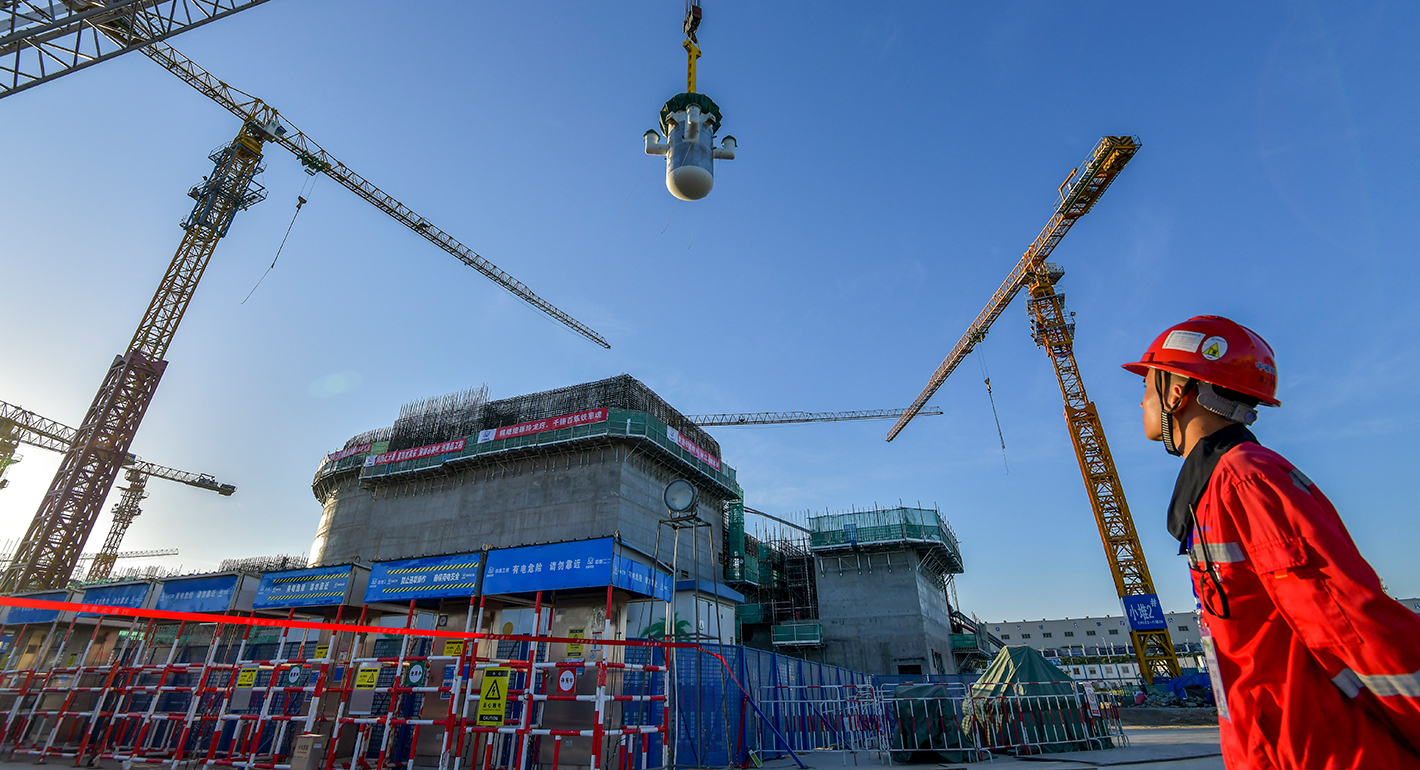
China has showcased its engineering prowess with small modular reactor demonstration projects. But turning these technological achievements into commercial success will be a greater challenge.
Tong Zhao
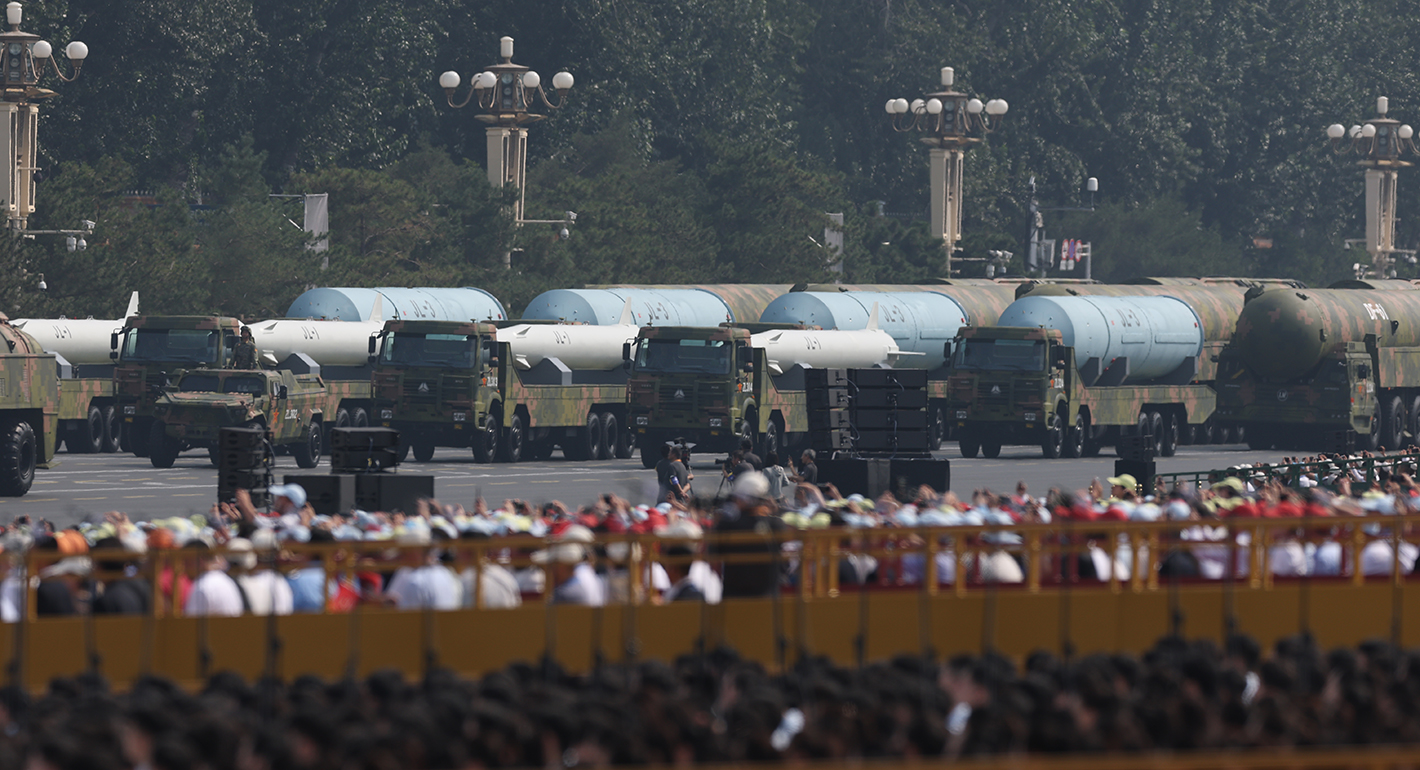
The nuclear relationship between China and the United States is increasingly shaped by widening perception gaps rather than deliberate strategic design.
Tong Zhao
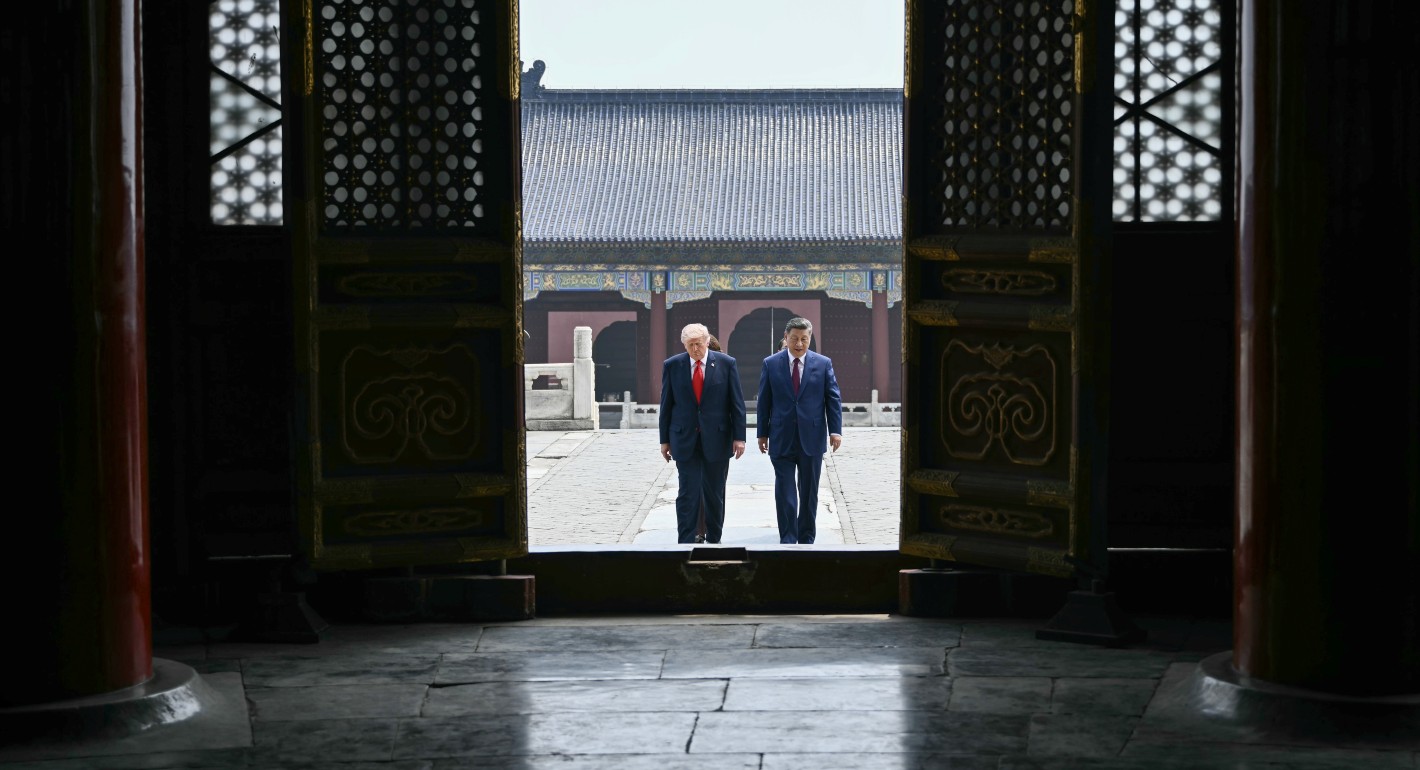
But their "principal to principal" model will only be as effective as the political strength of each leader back home.

Damien Ma
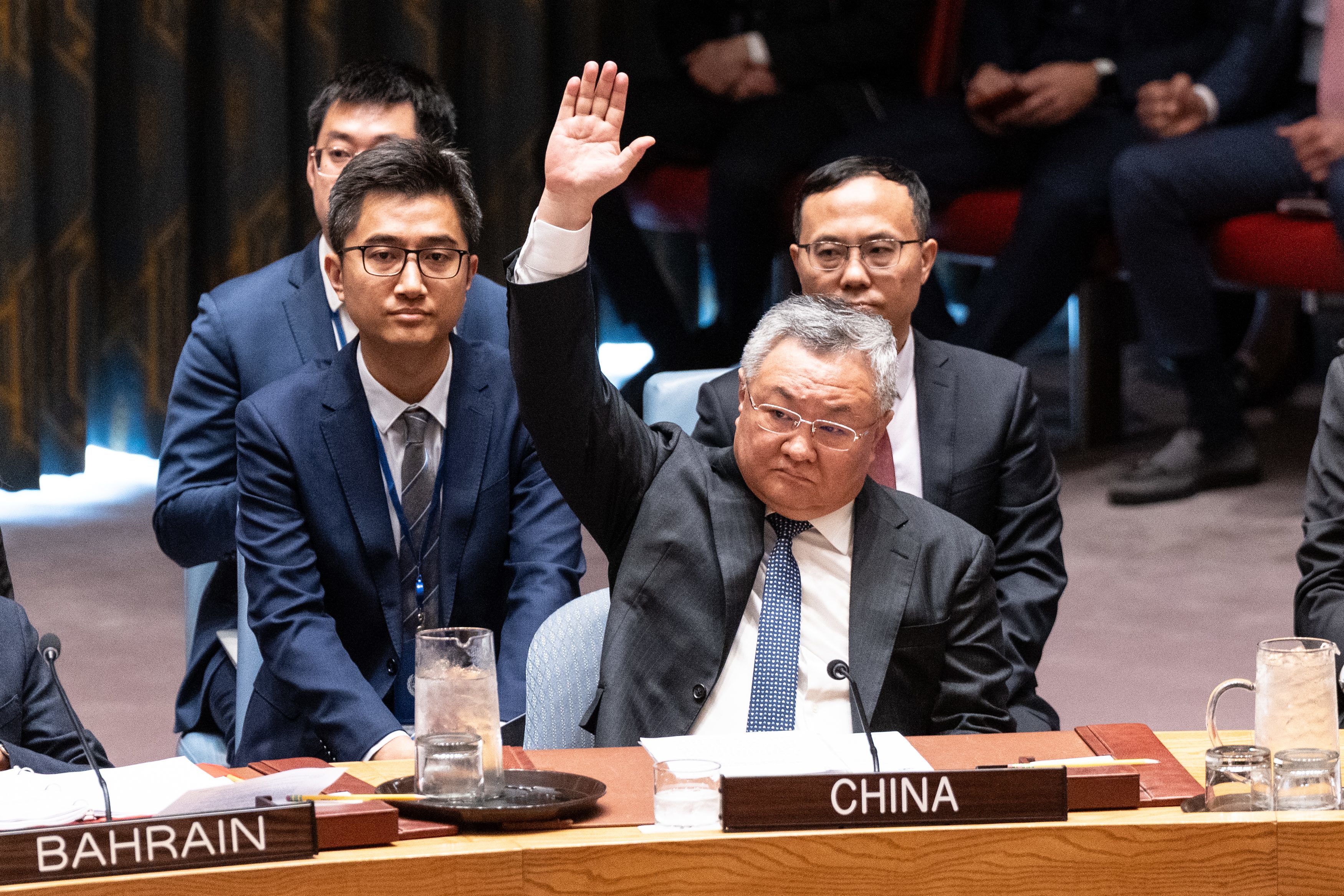
U.S. unpredictability has allowed China to capitalize on its positioning as the “responsible great power”. Paradoxically, the more China wins the perception game, the more likely expectations will rise for Beijing to deliver not just words but to demonstrate with its deeds.

Chong Ja Ian
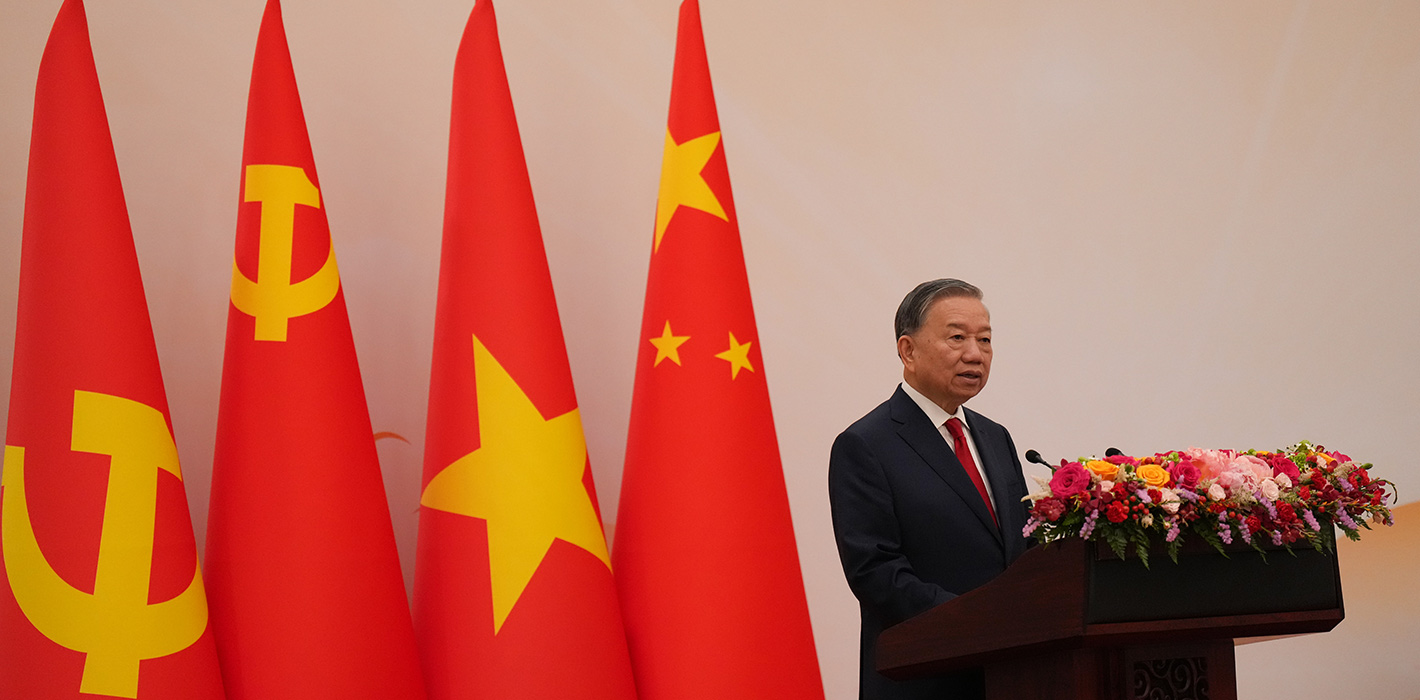
Hanoi and Beijing have long treated each other as distant cousins rather than comrades in arms. That might be changing as both sides draw closer to hedge against uncertainty and America’s erratic behavior.

Nguyễn Khắc Giang