

Commentary
The Russian invasion of Ukraine is a turning point in the EU-China relationship, and evolution of the China-Russia relationship will continue to impact EU-China relations.
Yifan Ding, Alice Ekman
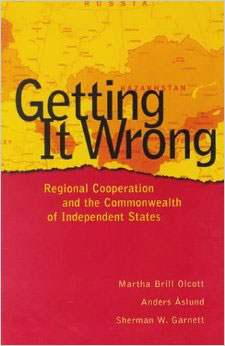
Written by three of the West's leading experts on the former Soviet Union, this book offers a comprehensive assessment of how and why the Commonwealth of Independent States has failed.
Source: Washington

In the void left by the collapse of the USSR, the CIS was to become a superstructure that would coordinate the foreign and security policies of the member states, develop a common economic space, and provide for an orderly transition from the Soviet Union to the post-Soviet phase. In reality, the CIS has failed. For Russia, the CIS has not served as a vehicle for exerting control over its neighbors. As an organization, the CIS has not succeeded at reintegrating the post-Soviet states. The desire of the new nations to assert themselves as independent entities has proven more powerful than their urge to replace the Soviet Union with a new system of collective government.
Written by three of the West's leading experts on the former Soviet Union, this book offers a comprehensive assessment of how and why the CIS has failed.
“The authors of this comprehensive study are all well-respected specialists in the field, and they present a broad-ranging picture of the experiences and problems that have arisen in the former Soviet space.”
—Ronald J. Hill, Department of Political Science, Trinity College, Dublin
“A unique and useful book.”
—Robert Legvold, Foreign Affairs

Former Senior Associate, Director, Russian and Eurasian Program

Former Senior Associate, Russia and Eurasia Program and, Co-director, al-Farabi Carnegie Program on Central Asia
Olcott is professor emerita at Colgate University, having taught political science there from 1974 to 2002. Prior to her work at the endowment, Olcott served as a special consultant to former secretary of state Lawrence Eagleburger.
Sherman W. Garnett
Carnegie does not take institutional positions on public policy issues; the views represented herein are those of the author(s) and do not necessarily reflect the views of Carnegie, its staff, or its trustees.
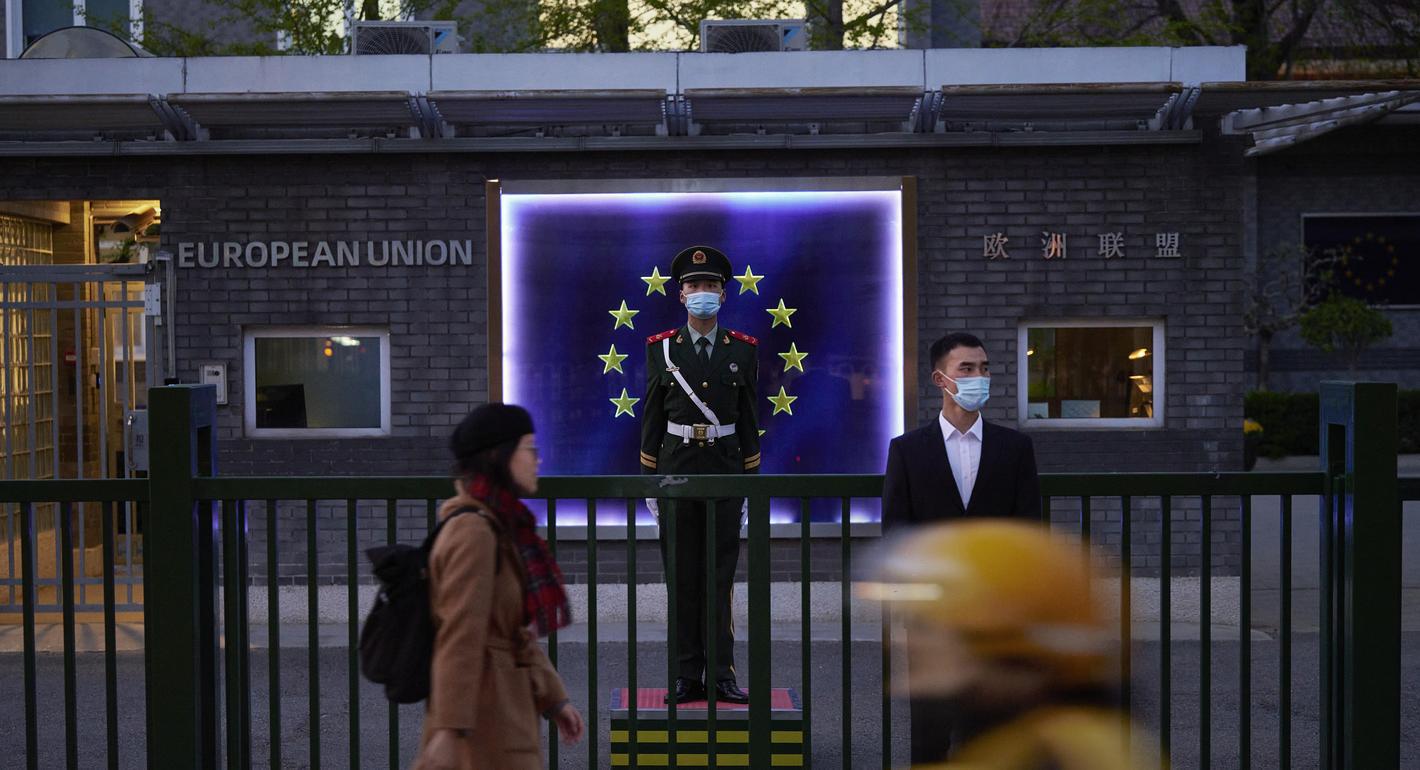
The Russian invasion of Ukraine is a turning point in the EU-China relationship, and evolution of the China-Russia relationship will continue to impact EU-China relations.


Yifan Ding, Alice Ekman
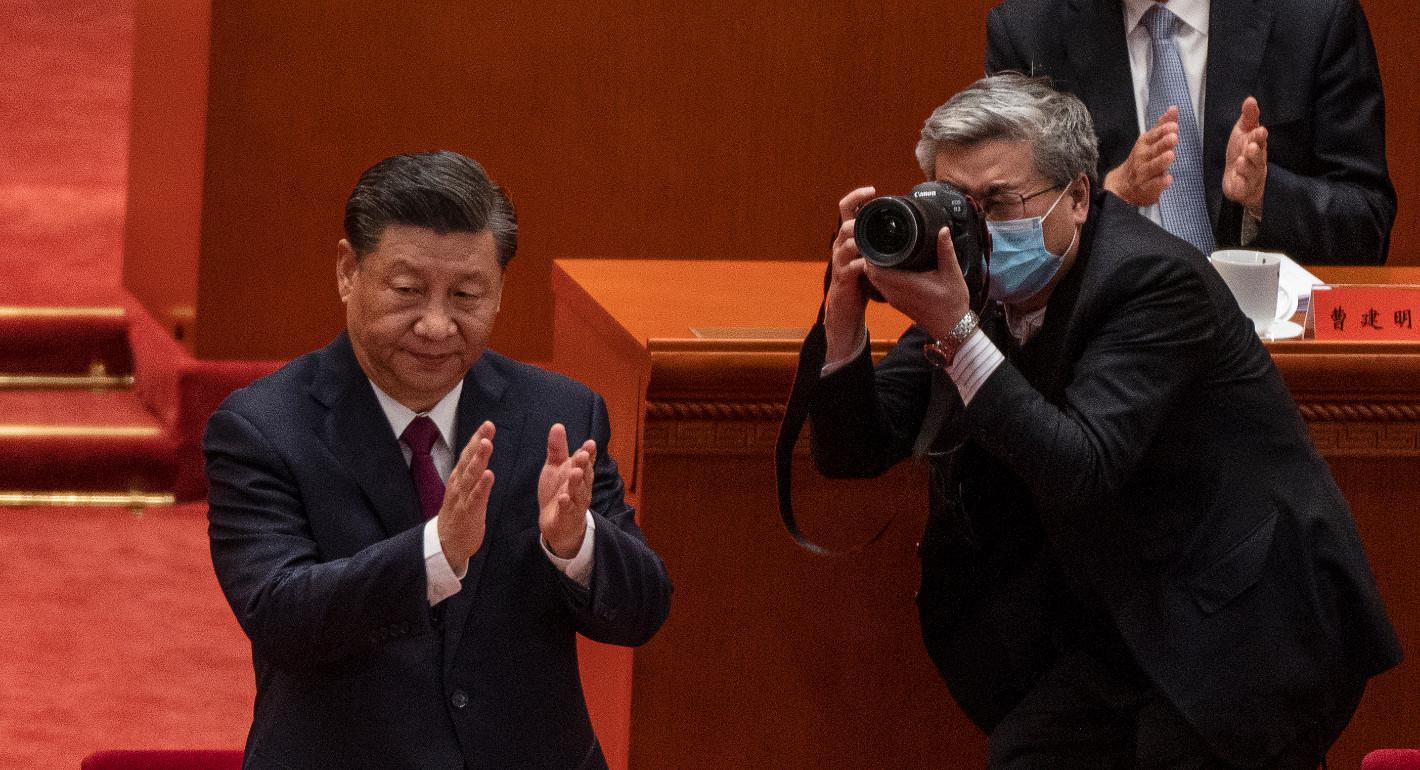
The war in Ukraine is increasing Beijing’s concern about Washington’s intentions.


Paul Haenle, Tong Zhao

It’s about managing oil prices, bread prices, and strategic partnerships.



Amr Hamzawy, Karim Sadjadpour, Aaron David Miller, …

Concerns about China’s mercantilist trade and investment policies have been at the forefront of growing frictions between China, the EU and the United States, but the Belt and Road Initiative has also highlighted worries about the lending of billions of dollars for infrastructure projects by its “policy banks”.

Matt Ferchen
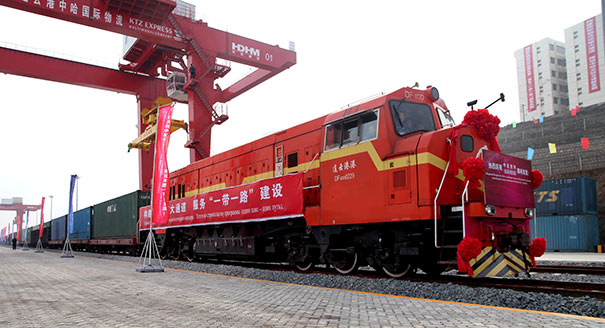
The internationalization of China, and of its companies in particular, is one of the most important phenomena of the beginning of the twenty-first century.
Philippe Le Corre