

Other
Anders Aslund

REQUIRED IMAGE
According to official statistics, output plunged in almost all Soviet-type countries toward the end of communism. In the first year of transition, the plunges turned even more dramatic, continuing for years. The analysis and conclusions in this paper contrast sharply with the conventional view.
Source: Carnegie
Summary
According to official statistics, output plunged in almost all Soviet-type countries toward the end of communism. In the first year of transition, the plunges turned even more dramatic, continuing for years. The total registered declines in GDP range from 13 percent in the Czech Republic from 1989 to 1992 to 77 percent in Georgia from 1989 to 1994. The analysis and conclusions in this paper contrast sharply with the conventional view.
This paper shows that both communist and post-communist statistics are deeply flawed. First, everywhere the decline in output has been much smaller than perceived, and a few countries grew immediately rather than contracted. Second, the Soviet economy was in far worse shape than generally understood. Third, even after revising the official statistics, the differences between failures and successes remain vast—and the correlation between structural reform and economic performance becomes much stronger. Fourth, flawed statistics misled policy makers in post-communist transformation, inciting them to adopt inefficient gradual reforms, which reinforced rent-seeking and prolonged stagnation. And fifth, economic welfare has diminished far less than output.

Former Senior Associate, Director, Russian and Eurasian Program
Recent Work
Anders Aslund
Anders Aslund
Carnegie does not take institutional positions on public policy issues; the views represented herein are those of the author(s) and do not necessarily reflect the views of Carnegie, its staff, or its trustees.

China’s banking crisis in the 2000s was resolved by transferring the costs to households through financial repression—a decision that recapitalized the banks while exacerbating the structural imbalances that continue to shape the Chinese economy today.

Michael Pettis
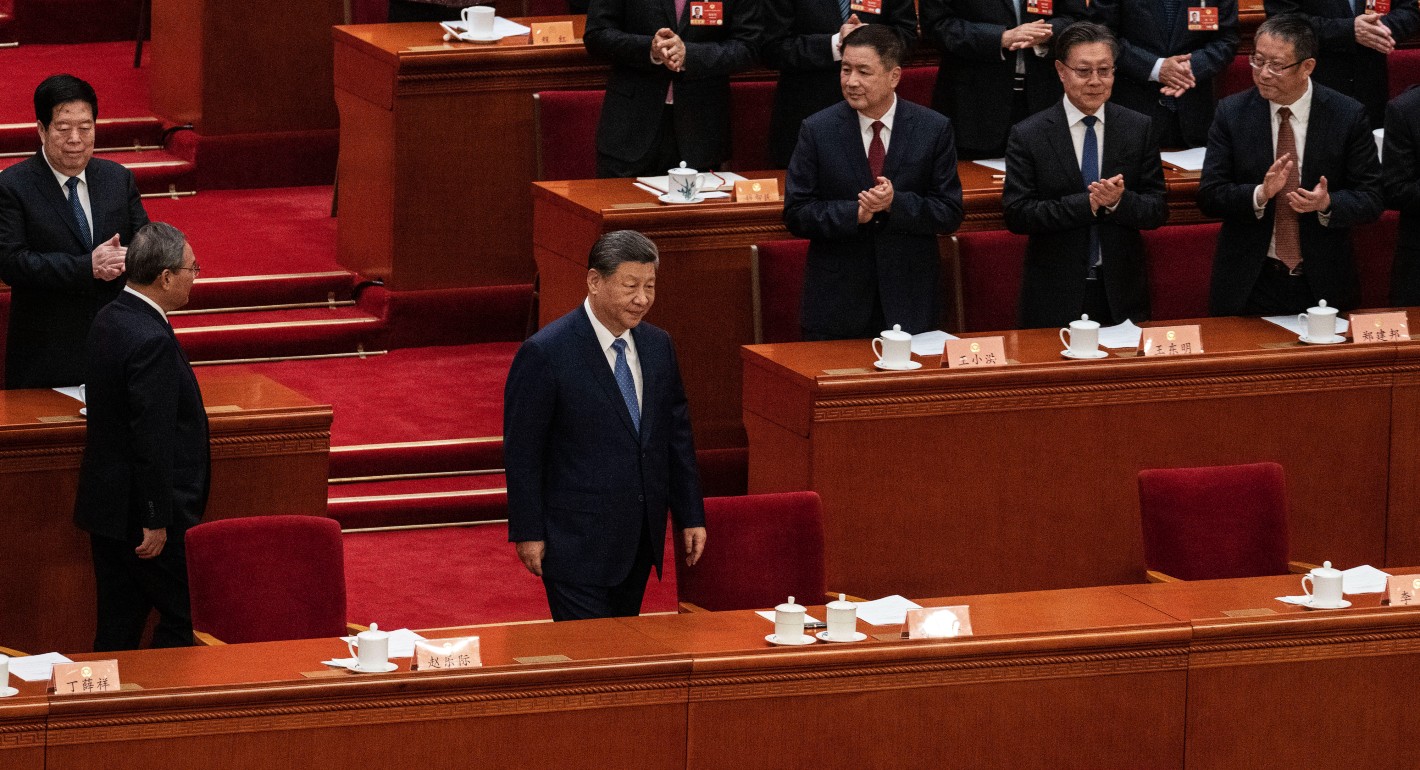
In the latest Five-Year Plan, the Chinese president cements the shift to an innovation-driven economy over a consumption-driven one.

Damien Ma

Rather than climate ambitions, compatibility with investment and exports is why China supports both green and high-emission technologies.

Mathias Larsen
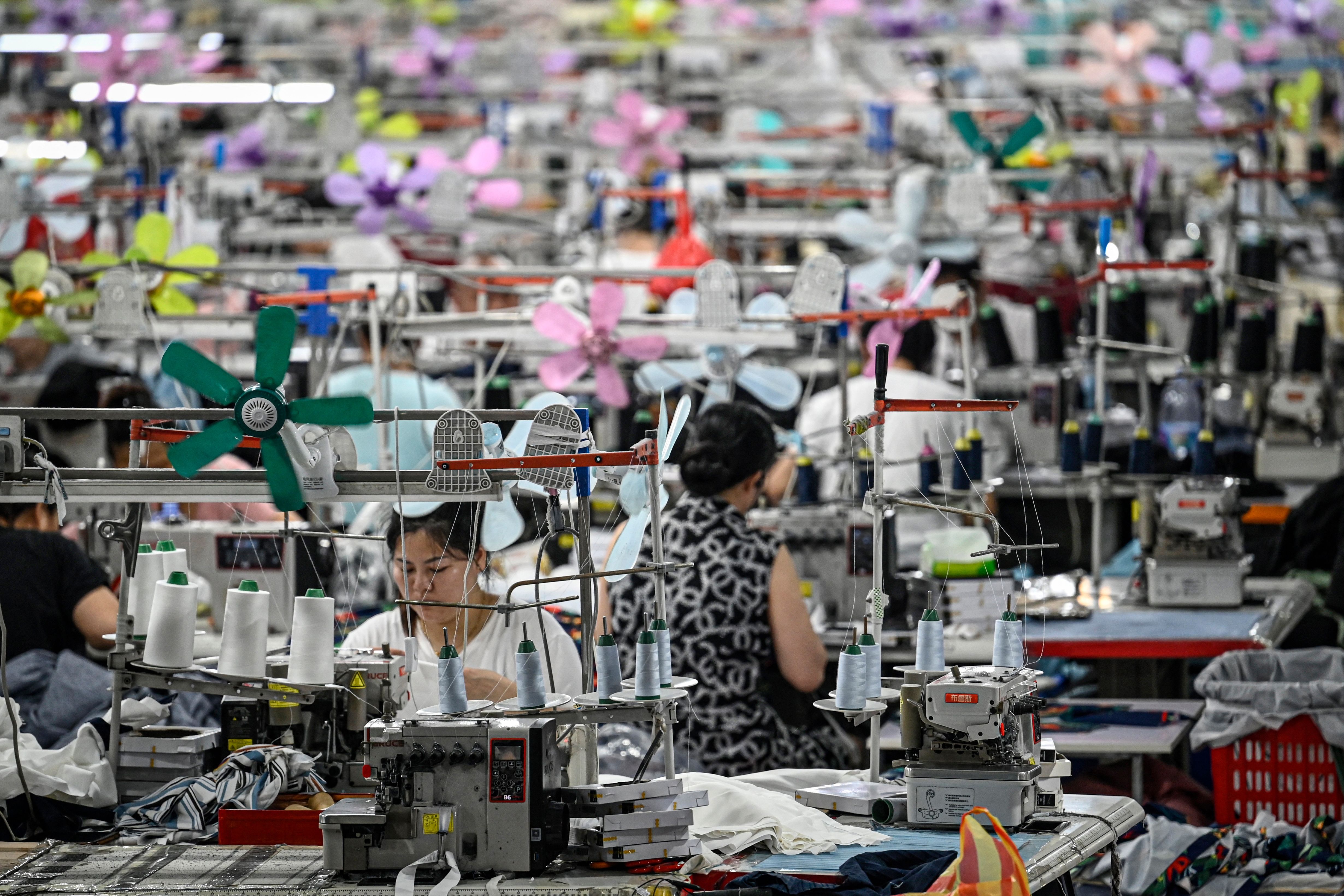
“Involution” is a new word for an old problem, and without a very different set of policies to rein it in, it is a problem that is likely to persist.
Michael Pettis

While China's investment story seems contradictory from the outside, the real answers to Beijing's high-quality growth ambitions are hiding in plain sight across the nation's cities.

Yuhan Zhang