

Paper
Thomas Carothers

REQUIRED IMAGE
Source: Carnegie
Summary
As part of the changed U.S. geostrategic outlook arising from the September 11, 2001, terrorist attacks against the United States, the Bush administration is giving greatly heightened attention to the issue of promoting democracy in the Middle East. Although a policy of coercive regime change has been applied in Iraq, the administration has pursued a more gradualist model of political change in most of the region.
There is still little consensus among U.S. policy makers regarding the best approach for implementing democracy. This working paper assesses three competing strategies that have emerged within the growing domain of gradualist pro-democratic policies and programs.
Click on link above for full text of this Carnegie Paper.
This is the third in a series of working papers that will frame key issues relating to democracy promotion policies and programs in the Middle East. Also in the series:
Liberalization Versus Democracy: Understanding Arab Political Reform, by Daniel Brumberg
Promoting Democracy in the Middle East: The Problem of U.S. Credibility, by Marina Ottaway
About the Author
Thomas Carothers, senior associate at the Carengie Endowment, is the founder and director of the Endowment's Democracy and Rule of Law Project. He is the author of several books on democracy promotion, including Aiding Democracy Abroad: The Learning Curve, and a coauthor of Democratic Mirage in the Middle East (Carnegie Endowment Policy Brief No. 20).
Available only online.

Harvey V. Fineberg Chair for Democracy Studies; Senior Fellow, Democracy, Conflict, and Governance Program
Thomas Carothers, a senior fellow in the Carnegie Endowment for International Peace’s Democracy, Conflict, and Governance Program, is a leading expert on comparative democratization and international support for democracy.
Recent Work
Thomas Carothers

Richard Youngs, Thomas Carothers
Carnegie does not take institutional positions on public policy issues; the views represented herein are those of the author(s) and do not necessarily reflect the views of Carnegie, its staff, or its trustees.
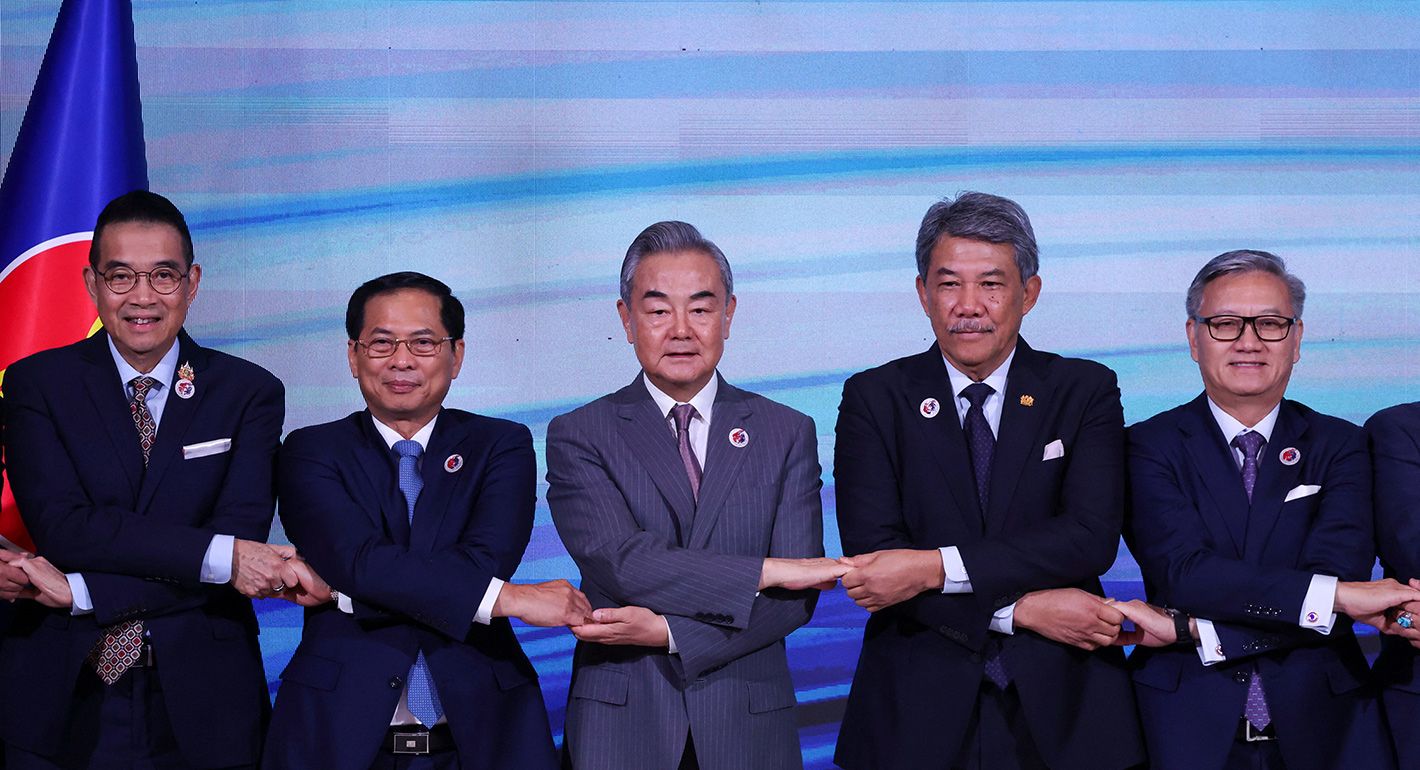
The Thai-Cambodian conflict highlights the limits to China's peacemaker ambition and the significance of this role on Southeast Asia’s balance of power.

Pongphisoot (Paul) Busbarat
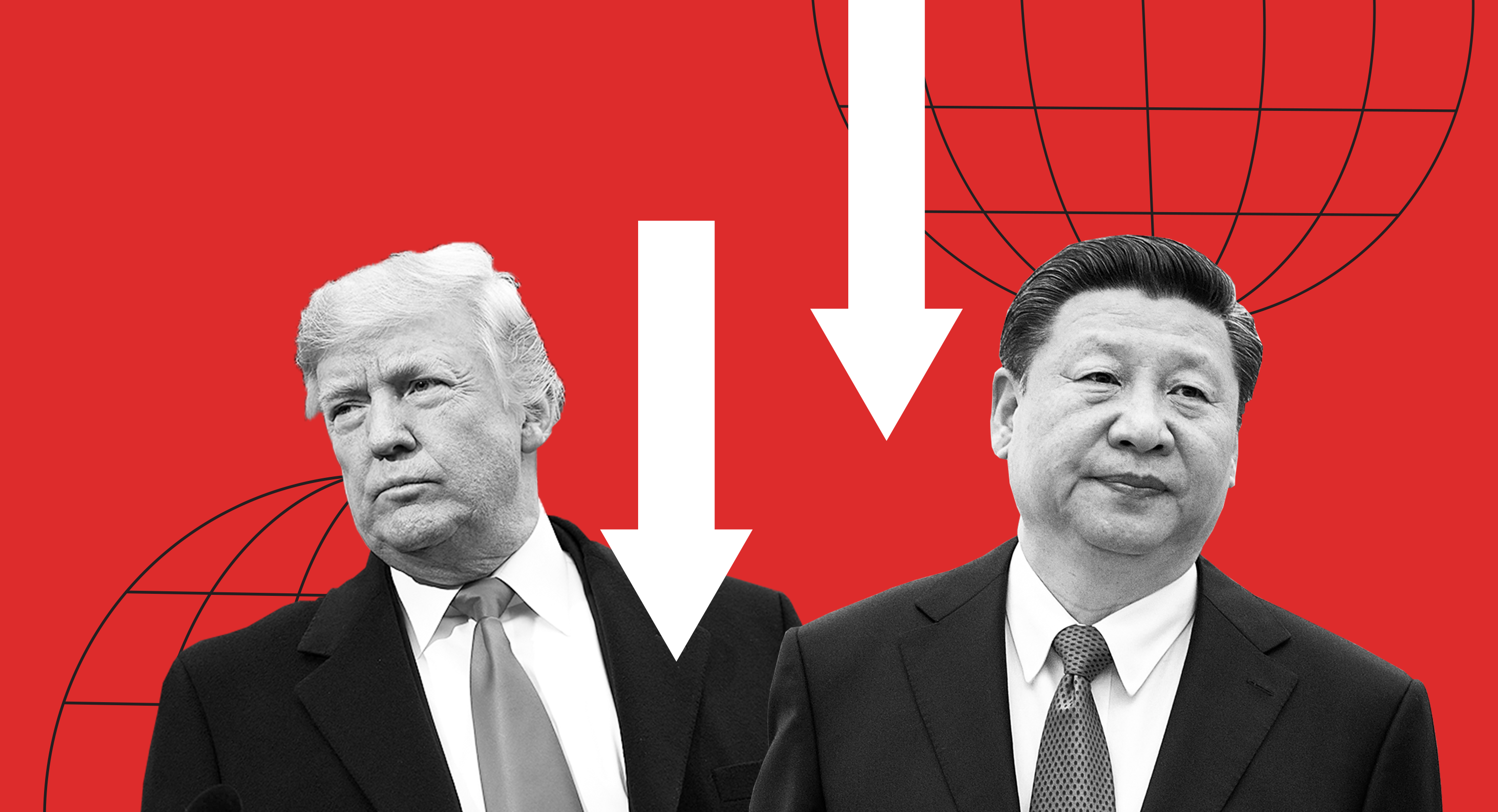
Beijing believes that Washington is overestimating its own leverage and its ability to handle the trade war’s impacts.


Rick Waters, Sheena Chestnut Greitens
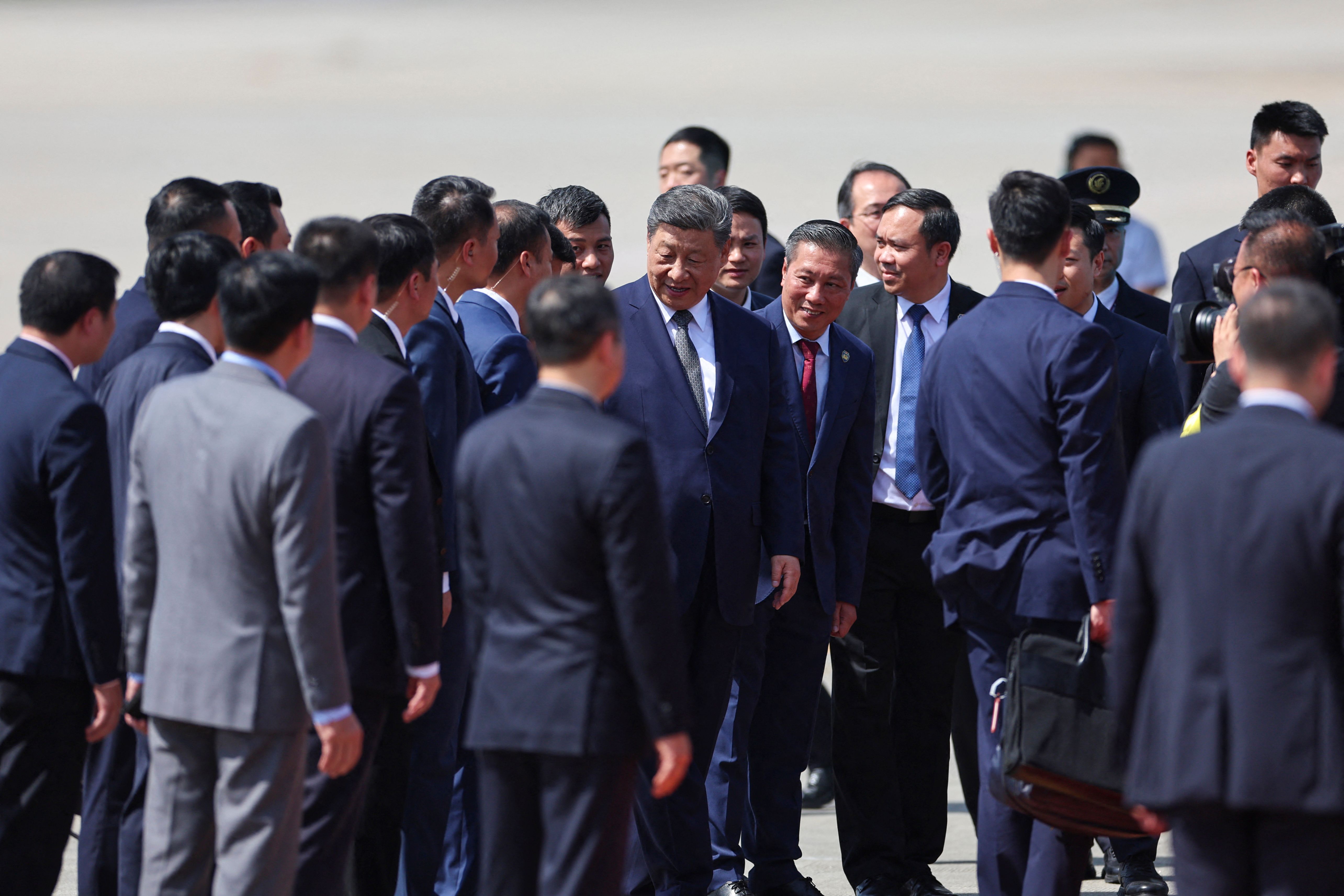
Tapping our network of China experts in the region, Carnegie China offers this latest “China Through a Southeast Asian Lens” report to offer preliminary assessments of whether the U.S. effort to reshape the global trading order will lead countries in the region to tilt toward Beijing.



Selina Ho, Khin Khin Kyaw Kyee, Joseph Ching Velasco, …
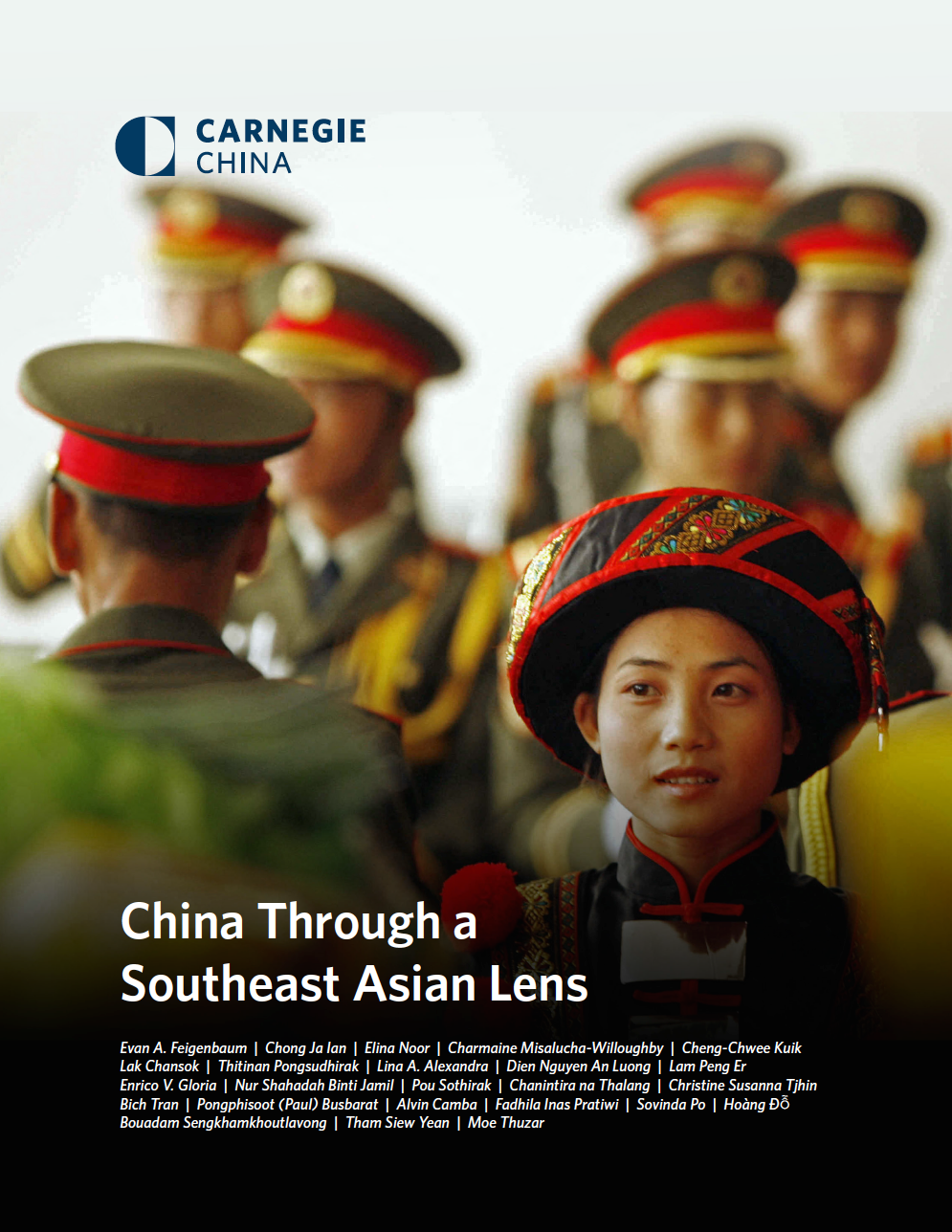
Because strategic, economic, and ideological perceptions of China contain multiple, sometimes contradictory facets in Southeast Asia, receptions of and responses to Beijing diverge across and within state lines.



Evan A. Feigenbaum, Chong Ja Ian, Elina Noor
Most Southeast Asian states behave as if the actions of their Northeast Asian neighbors and the Philippines will be sufficient to maintain a regional status quo from which they can benefit.
Chong Ja Ian