

Commentary
Omayma Abdel-Latif

REQUIRED IMAGE
Islamist women, increasingly restless with their subordinate status in Egypt’s Muslim Brotherhood, are pushing for greater representation and a wider role. Their call for broader participation in decision-making bodies are not signs of a “rebellion of the Sisters,” but part of the normal dynamics of change.
Islamist women, increasingly restless with their subordinate status in Egypt’s Muslim Brotherhood, are pushing for greater representation and a wider role, according to a new paper from the Carnegie Middle East Center.
Omayma Abdel-Latif explores the role of women within the movement, including recent debates following the release of the 2007 draft party platform that denied women the right to the country’s top position. She studies the growing impact of young leaders and female activists and examines what type of change is possible, despite major obstacles.
Key conclusions
Abdel-Latif concludes:
“Far from being resolved, the issue of the position of women in the Muslim Brotherhood is at the center of a lively debate. However, there is no evidence that this debate is threatening the unity of the movement. The questioning by women activists of their role, and their call for broader participation in decision-making bodies, are parts of the normal dynamics of change, not signs of a “rebellion of the Sisters,” as some observers described it. The Muslim Brotherhood, like any other sociopolitical movement, is not a static body. It is influenced by the social and political milieu in which it operates.”
Click on icon above for the full text of this Carnegie Paper.
About the Author
Omayma Abdel-Latif is a research and program associate at the Carnegie Middle East Center in Beirut. Prior to joining Carnegie, she was assistant editor-in-chief at Al-Ahram Weekly, the Middle East’s leading English weekly. She has done extensive work on Islamist movements, with special emphasis on the Muslim Brotherhood of Egypt. She also covered a wide range of issues including Islamic–Western relations, political reform in Egypt, and political transition in Syria, Lebanon, and Iraq.
Former Research and Program Associate, Middle East Center
Abdel-Latif, formerly the assistant editor-in-chief at Al-Ahram Weekly, has done extensive work on Islamist movements with special emphasis on the Muslim Brotherhood of Egypt.
Recent Work
Omayma Abdel-Latif
Omayma Abdel-Latif
Carnegie does not take institutional positions on public policy issues; the views represented herein are those of the author(s) and do not necessarily reflect the views of Carnegie, its staff, or its trustees.

China’s political future will be shaped between now and next October. As the Communist Party enters its intense “campaign season” to prepare for a major political transition in 2027, reading Beijing's actions and responses may become more difficult as domestic politics weigh on its behavior more than usual.

Damien Ma
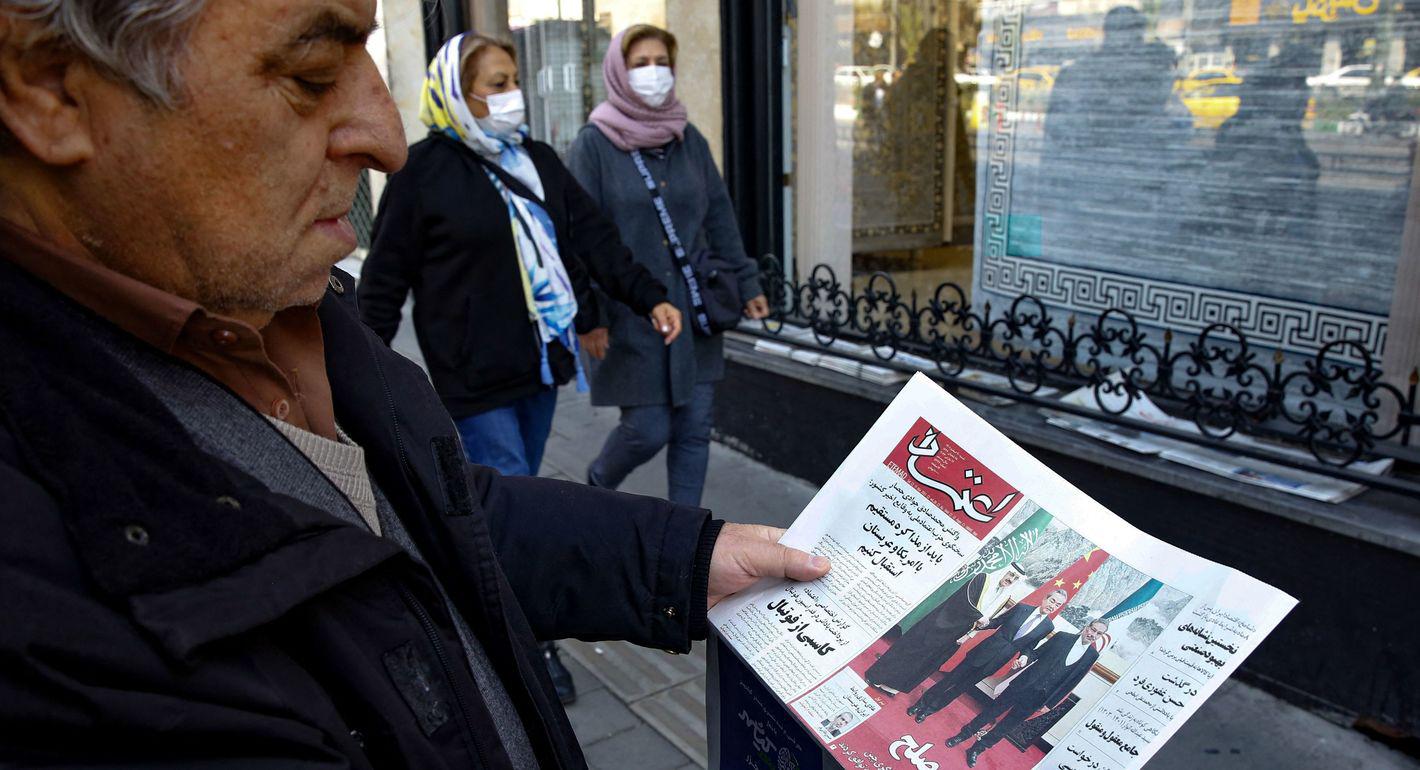
Transactional relationships are stable but can be shallow.



Paul Haenle, Maha Yahya, Benjamin Ho, …
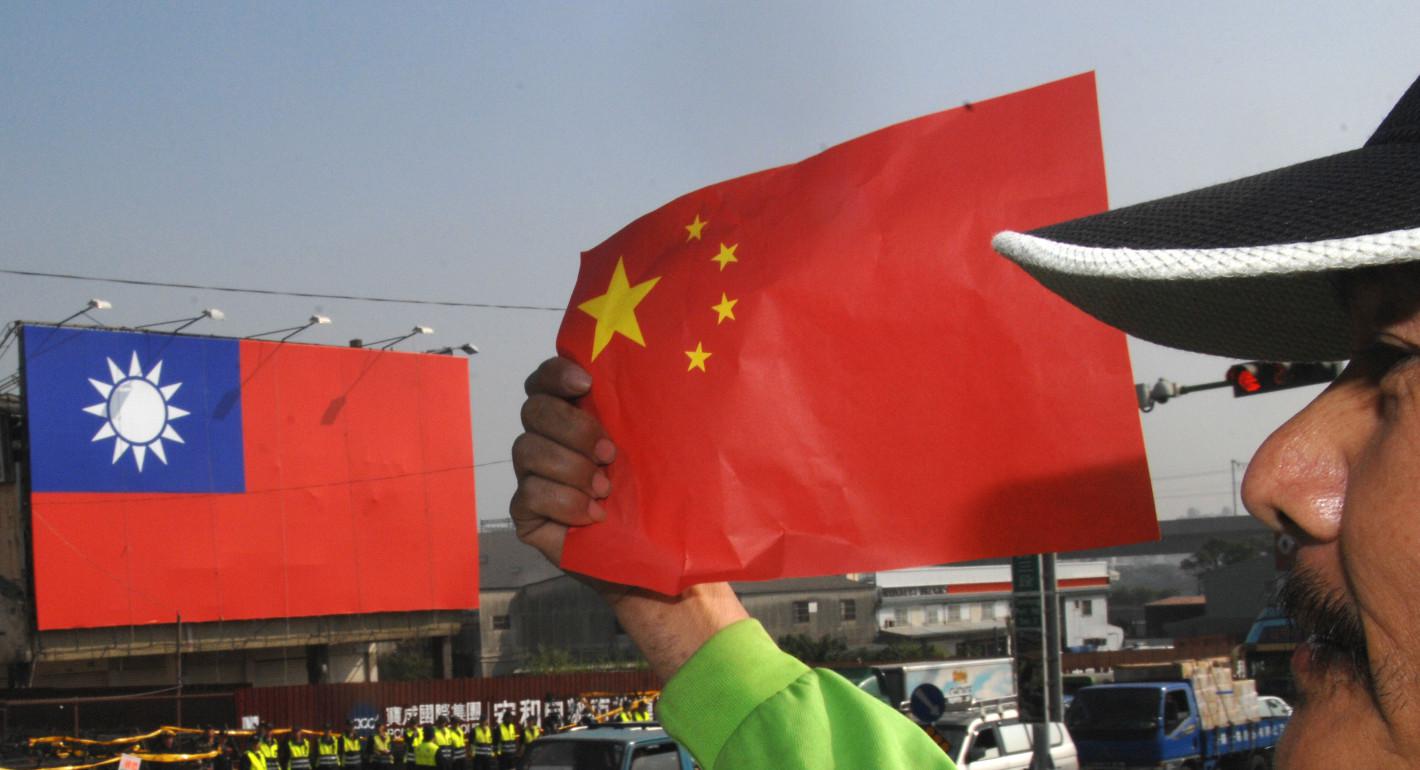
Beijing says that over 180 countries accept its “one China principle” regarding Taiwan, but the reality is more complicated.

Chong Ja Ian

Beijing must choose between preserving its pandemic narrative or facing more unrest.
Paul Haenle
It’s about managing oil prices, bread prices, and strategic partnerships.



Amr Hamzawy, Karim Sadjadpour, Aaron David Miller, …