

Paper
Omayma Abdel-Latif
{
  "authors": [
    "Omayma Abdel-Latif"
  ],
  "type": "commentary",
  "blog": "Sada",
  "centerAffiliationAll": "",
  "centers": [
    "Carnegie Endowment for International Peace",
    "Malcolm H. Kerr Carnegie Middle East Center"
  ],
  "collections": [],
  "englishNewsletterAll": "",
  "nonEnglishNewsletterAll": "",
  "primaryCenter": "Carnegie Endowment for International Peace",
  "programAffiliation": "",
  "programs": [],
  "projects": [],
  "regions": [
    "North Africa",
    "Egypt",
    "Middle East"
  ],
  "topics": []
}

REQUIRED IMAGE
In the face of Arab governments' ongoing, heavy-handed efforts to control public debate, the Internet has emerged as a platform for voices—especially those of Islamists—denied a place in the mainstream, state-owned media.
In the face of Arab governments' ongoing, heavy-handed efforts to control public debate, the Internet has emerged as a platform for voices—especially those of Islamists—denied a place in the mainstream, state-owned media. Contrary to the widespread Western perception that radical websites dominate Islamist cyberspace, groups embracing a moderate interpretation of the faith increasingly are launching websites to "break the monopoly of the state over the articulation of the political and social agenda," as one activist described it. These sites aim particularly to attract younger Muslims by addressing their concerns and providing an interpretation of Islam couched in modern lingo disseminated by modern technology. Egypt has been a key location for such cyber-initiatives.
"Does Islam only allow force in self-defense or can it also be used to remove oppression?" This is but one of the many questions on matters of politics, religion, love, marriage, and health that the Cairo-based Islamonline website [www.islamonline.net] receives on an hourly basis from Muslims across the globe. Part of a boom of websites offering new perspectives on the Muslim faith, Islamonline was launched in 1999 by a group of Egyptian Islamist intellectuals. In the words of its founders, Islamonline's main objective is "to work for the good of humanity and to support principles of freedom, justice, democracy and human rights." Besides its twenty-four-hour news service, the website provides a wealth of information on issues related to women, fatwas (religious rulings), interviews with Muslim scholars, and reflections on Islamic thought and jurisprudence.
Al Shaab newspaper, the mouthpiece of the Islamist-oriented Labor party (Hizb Al Amal), has also been a key cyber-player. When the Egyptian government banned the paper in 2000 following a heated controversy over a novel published by the Ministry of Culture that Al Shaab deemed offensive to Muslim sensibilities, cyberspace offered a much-needed platform to resume publication. The paper went online, with editor Magdi Hussein publishing remarkably fierce criticism of the Egyptian regime. But the website could not escape the heavy hand of the state. It was censored twice and hacked many times, although the culprits were never identified, and is off-line for the time being.
Since 1995, when the government shut down the headquarters and newspaper of the Muslim Brotherhood, Egypt’s largest Islamist opposition group, the Brotherhood’s website [www.ikhwanonline.com] has been its leading mass communication tool. The site provided an efficient instrument to connect the group to local and international audiences during the 2000 parliamentary elections in which the Brotherhood, technically illegal but sometimes tolerated by the regime, managed to field fifty-four candidates as independents. It reported police crackdowns on the group's sympathisers and disseminated electoral results and propaganda. The government's latest attempt to censor the website, in early September, was aborted by the group's team of technicians and the site is still operating. It will serve as the best outlet for the group's anticipated campaign in the November 2005 parliamentary elections and will continue to link the Brotherhood to followers outside of Egypt.
One of the most popular websites among young Egyptians is that of Amr Khalid, a young television preacher [www.amrkhalid.net]. Khalid seeks to address the concerns and aspirations of so-called born again or newly-religious Muslims by emphasizing social, ethical and lifestyle issues rather than direct political change or the creation of an Islamic state. The site's goal, according to one of Khalid's close aides, is to reconstruct popular attitudes toward Islam such that they embrace modernity.
The global reach of Khalid’s website has built him a following across the Arab world and Europe. Although Khalid himself was a victim of a vile state campaign that drove him out of the country—he now moves between Beirut and London—his website has remained immune to government intervention and censorship thanks mostly to its lack of overt political content.
Some might question the influence of such websites in Egypt, a country with an adult illiteracy rate of nearly 60 percent and whose Internet users do not exceed 2.42 million people out of a population of 74 million. But it is the quality of users and not the quantity that matters most. The bulk of Internet users in Egypt are young, educated, and politically ambitious and have the ability—more than any other segment in the society—to change a stagnant political and social reality. They are attracted by Islamist websites' overarching message of defiance against an oppressive regime. The sites are proving that despite the popularity of satellite television, they can reach a mass audience, and that they can continue to outwit the state's attempts to censor them.
Omayma Abdel-Latif is a staff writer for Al Ahram Weekly in Cairo.
Former Research and Program Associate, Middle East Center
Abdel-Latif, formerly the assistant editor-in-chief at Al-Ahram Weekly, has done extensive work on Islamist movements with special emphasis on the Muslim Brotherhood of Egypt.
Recent Work
Omayma Abdel-Latif
Omayma Abdel-Latif
Carnegie does not take institutional positions on public policy issues; the views represented herein are those of the author(s) and do not necessarily reflect the views of Carnegie, its staff, or its trustees.
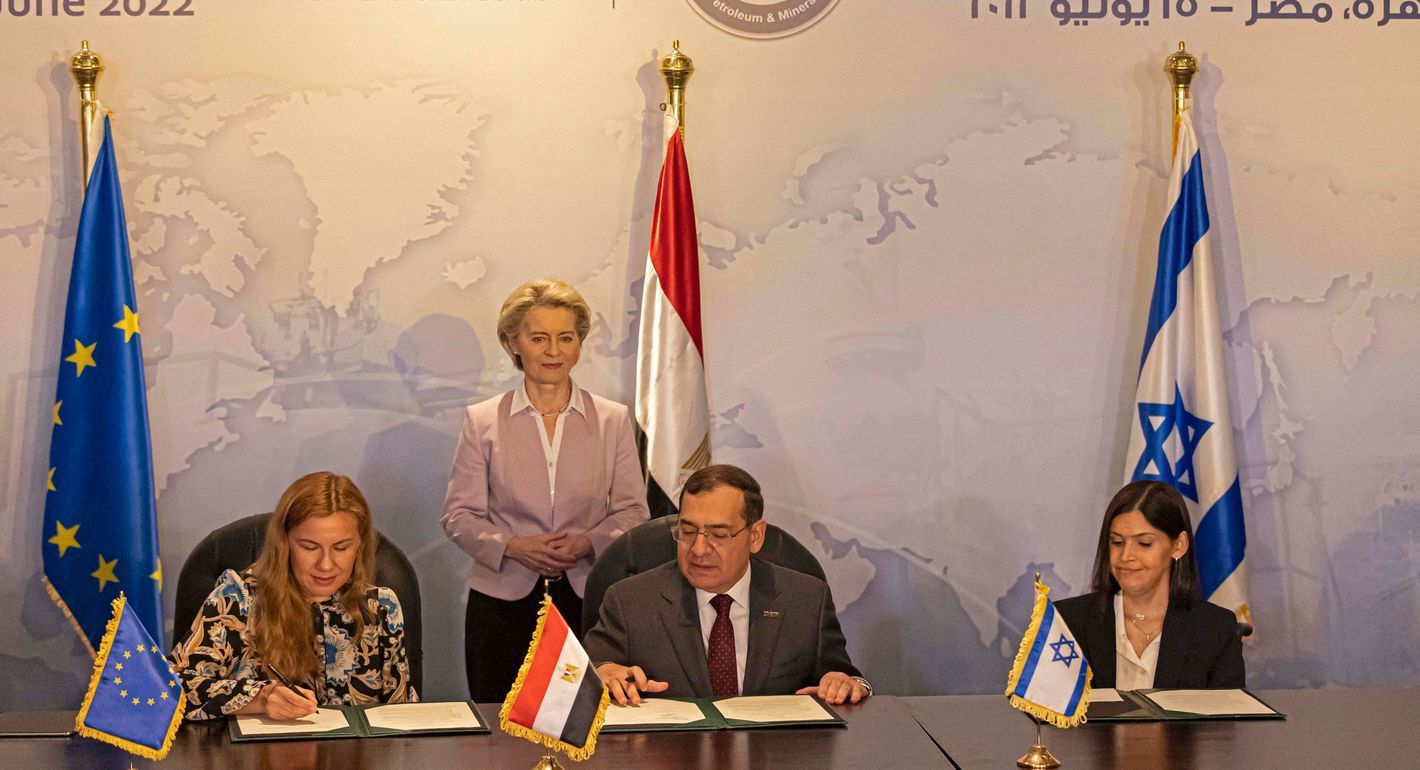
Can economic ties help contain conflict between Egypt and Israel, or do they simply postpone confrontation? Drawing on the German-Russian experience, the article examines how the gas deal creates mutual dependence, keeps channels of cooperation open, and raises the cost of conflict, without necessarily delivering lasting peace.
Nourhan Hefzy
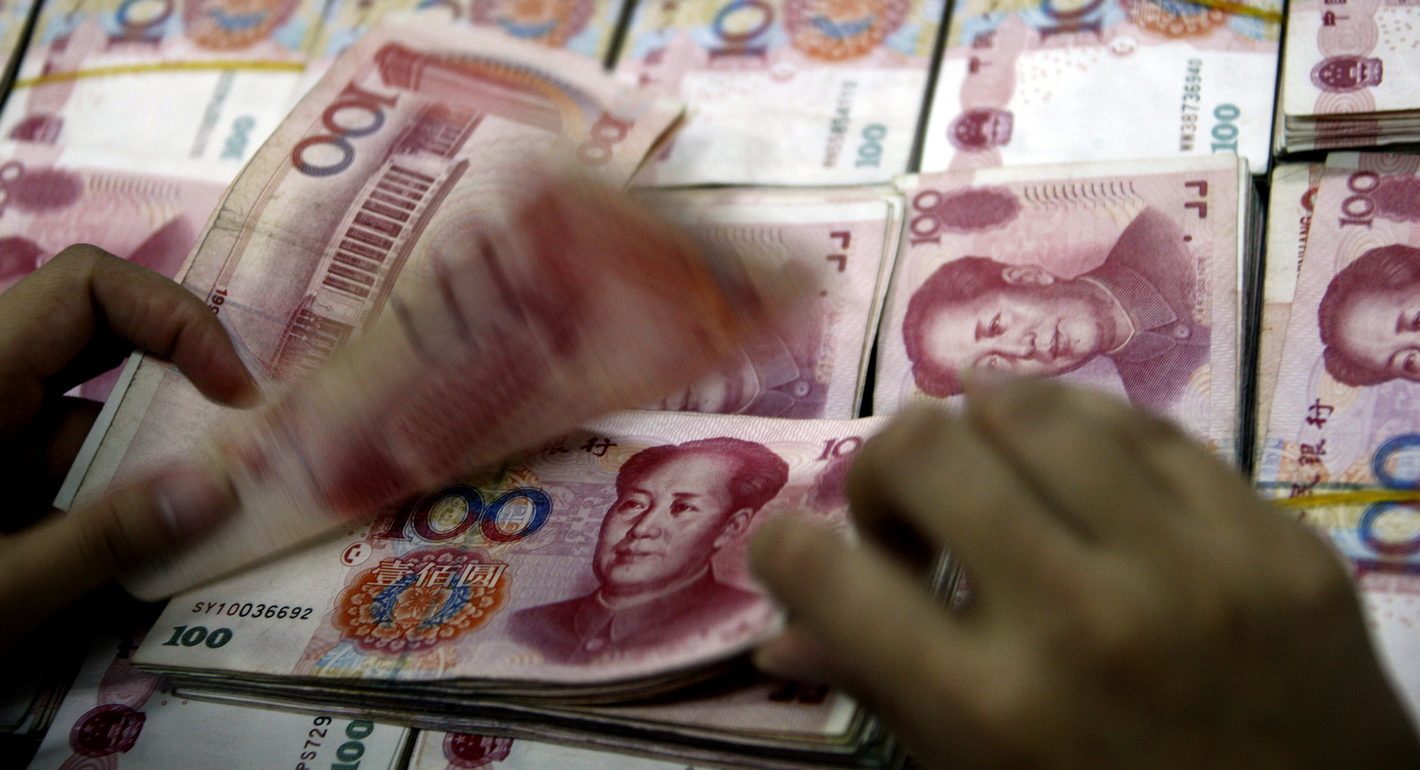
Is the Gulf moving beyond the dollar? This article examines how China is expanding the renminbi's role across Gulf markets, what that means for regional finance, and why the future of global currencies is more complex than the de-dollarization debate suggests.

Andrew Bonney
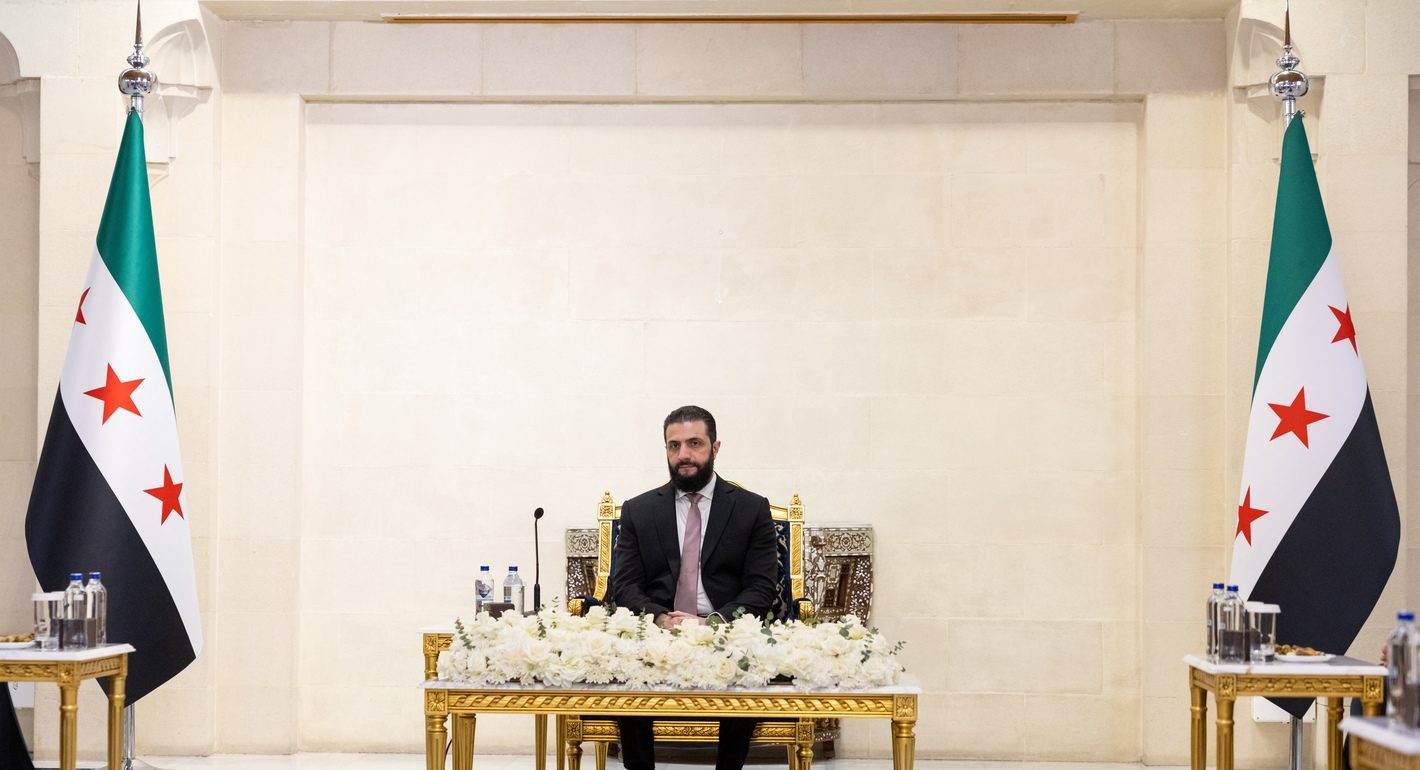
Syria's transition promised a fresh start. But are old habits of power making a comeback? This analysis looks at the warning signs and what it will take to build a more accountable state.
Sima Beitinjaneh
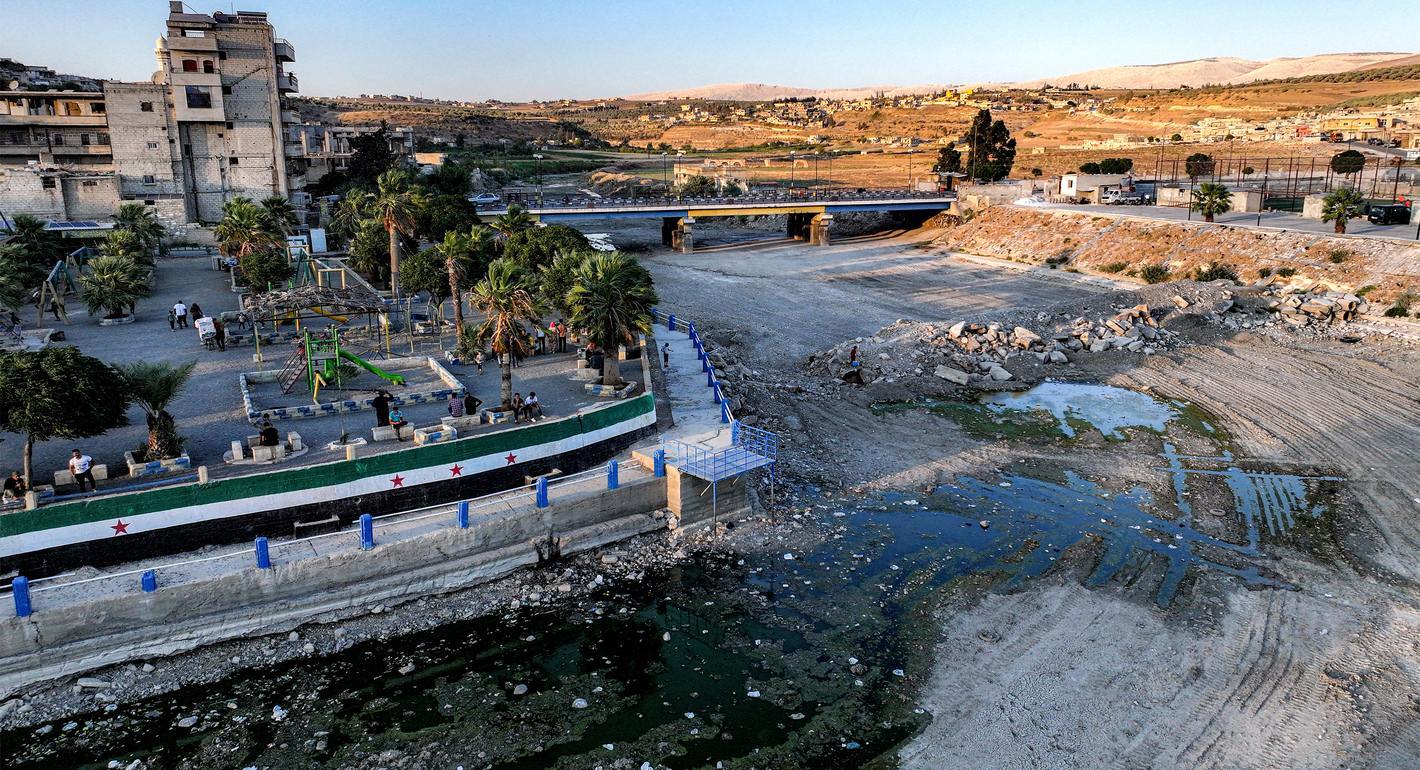
Syria’s worsening drought is no longer a seasonal crisis. This report explains what climate change is doing to rainfall, groundwater, and food security, and what solutions experts say are still possible.
Milia Esper
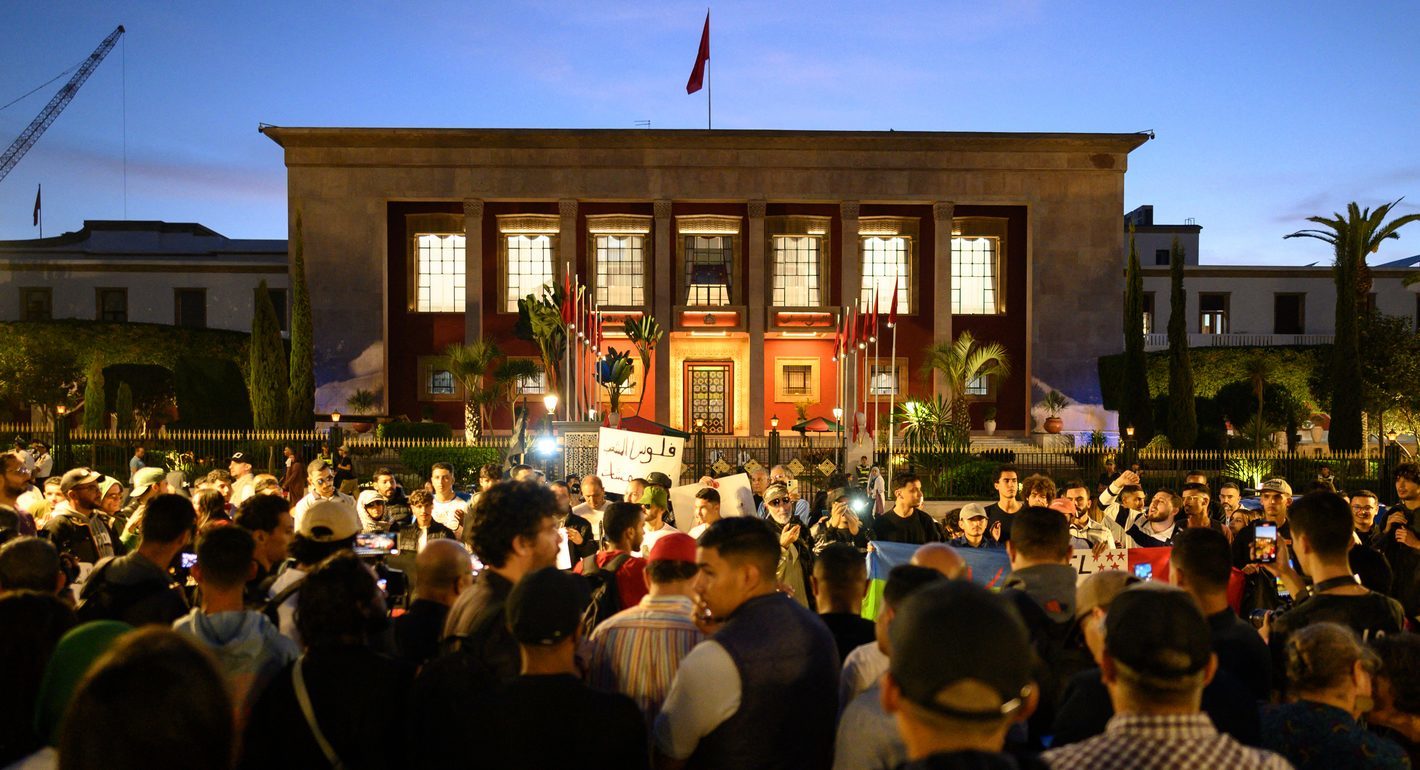
From anime heroes to online gaming communities, Morocco’s Gen Z is building a new protest culture. What does this digital imagination reveal about youth politics, and how should institutions respond?
Abdelilah Farah