

Other
- +1
Dmitri Trenin, Sergei Aleksashenko, Sam Greene, …
Source: Getty
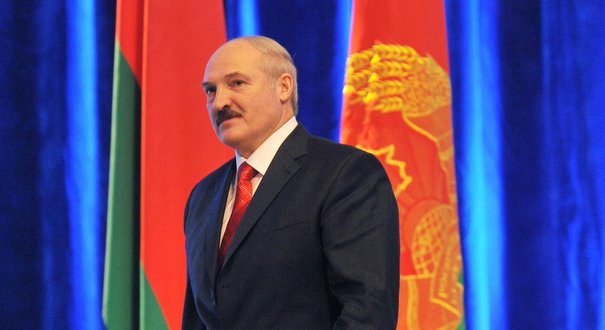
Alexander Lukashenko may have won a fourth term as president of Belarus, but he now faces both an opposition capable of mass mobilization and international partners in Europe and Russia that are growing tired of paying to maintain his status quo.
That Alexander Lukashenko would be re-elected to a fourth term as president of Belarus on December 19 was never in doubt. Such is his popularity—and so strong is his control of the media and the political system—that he would likely have won even without the manipulations that heavily skewed the campaign against his fractious opposition.
That the opposition would protest the results was also a given, and Lukashenko—for all his bluster that the people would never back his opponents—was ready. No one could have expected the size of the uprising in central Minsk—which had as many as 25,000 protesters by some accounts—but the government had left nothing to chance and the riot police eventually won the day.
It will be some time before we know what brought so many Belarusians to the streets on Sunday and the decisions that led to such heavy-handed use of force. By all accounts, the opposition leaders who stormed the government headquarters seemed surprised to have gotten inside; they could not have been surprised, however, when they were forced back out. Lukashenko’s time in Belarus will eventually run out, and the people will likely have a hand in showing him the door, but it will not happen by force.
Whatever the opposition’s aims on election day, it succeeded in making life difficult for Lukashenko and his international interlocutors. Significant parts of the Belarusian (and Russian) publics may be swayed by the official line that armed opposition leaders had launched a failed coup. Foreign leaders, however, will note that all but one of the opposition presidential candidates woke up in prison on December 20. Graphic footage of beatings has already flourished on the Internet and the airwaves. If there were any doubts about the authoritarian nature of Lukashenko’s rule before the election, there are none now.
This presents a problem for Europe. Belarus had been accepted into the Eastern Partnership on the basis of promises of political liberalization, in turn for closer political, trade, and visa cooperation, but against the advice of human rights organizations and Belarusian opposition leaders, who argued that Lukashenko’s promises could not be trusted. Brussels (and member state capitals) now face the uncomfortable choice of allowing Belarus to remain in the partnership—and thus eviscerating its democratization agenda—or booting it out, raising questions about further participation of other less-than-democratic members, such as Armenia and Azerbaijan.
This is also a problem for Russia’s leadership. In the short run, of course, Lukashenko will inevitably turn to Moscow for solace and may become more pliant on issues of trade, energy, and even possible recognition of Abkhazia and South Ossetia. But sheltering Lukashenko will not help Russia’s own relationship with Europe and the United States. Even more troubling, as Russia’s ruling tandem face their own upcoming elections, they will not be heartened by Lukashenko’s failure to maintain a stable balance between tight control and international legitimacy.
In the end, though, this is a problem for Lukashenko. A master at balancing, he remains standing and will, in all likelihood, serve out his five-year term. But he has never before faced a set of circumstances this challenging: an opposition clearly capable of mass mobilization, on the one hand, and international partners in Europe and Russia that are growing tired of paying increasing costs so he can maintain the status quo on the other. Lukashenko’s fourth term will inevitably bring change to Belarus, but with his room to maneuver rapidly running out, the president may find that he is no longer fully in control.

Former Deputy Director for Operations, Moscow Center
Sam Greene was a deputy director for operations at the Moscow Center. He joined the Moscow Center in 2005. Previously, he was senior media program advisor for the New Eurasia Foundation, and a London and Moscow correspondent for FT Business.
Recent Work
Dmitri Trenin, Sergei Aleksashenko, Sam Greene, …
Sam Greene
Carnegie does not take institutional positions on public policy issues; the views represented herein are those of the author(s) and do not necessarily reflect the views of Carnegie, its staff, or its trustees.

China’s political future will be shaped between now and next October. As the Communist Party enters its intense “campaign season” to prepare for a major political transition in 2027, reading Beijing's actions and responses may become more difficult as domestic politics weigh on its behavior more than usual.

Damien Ma
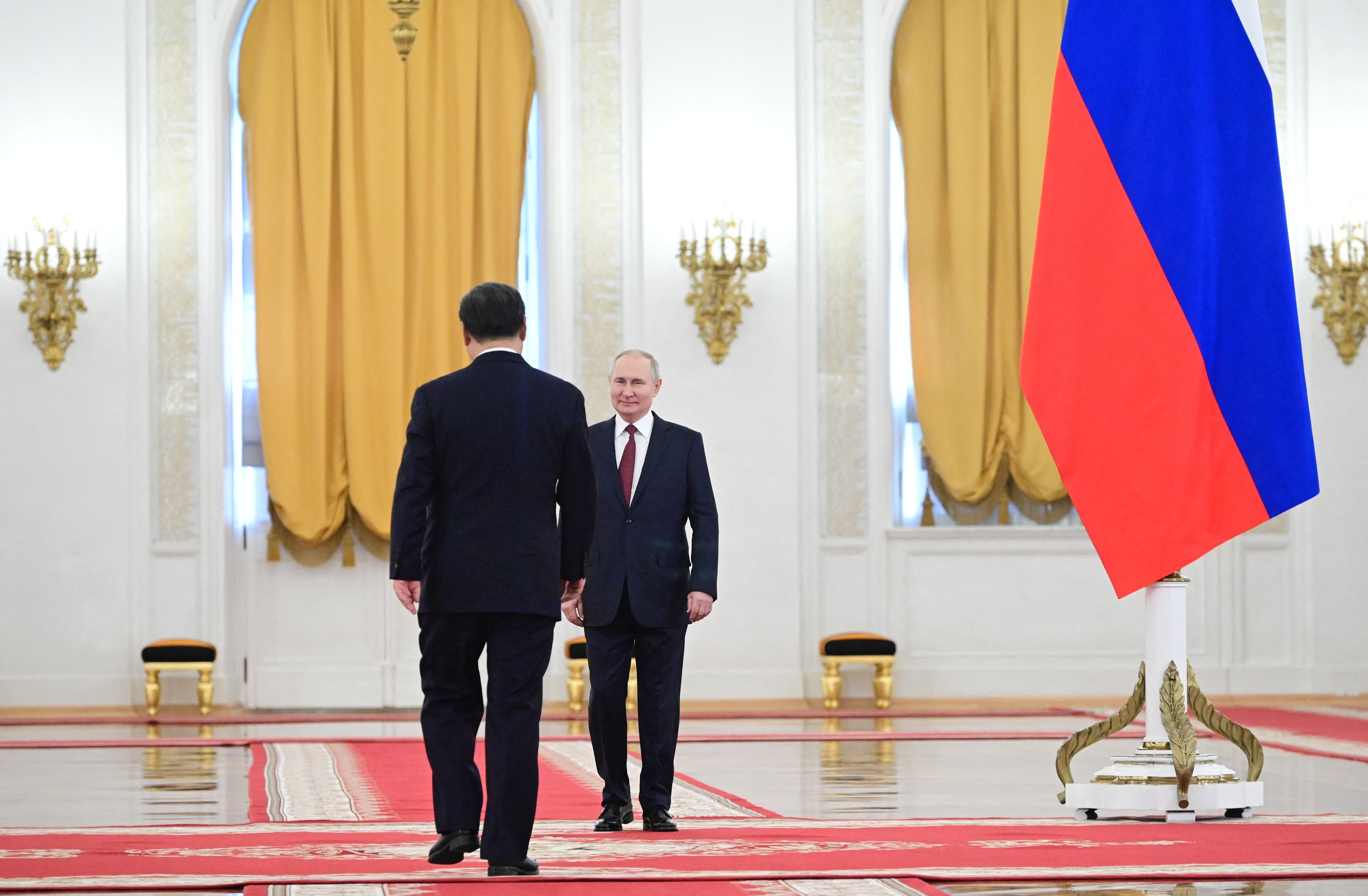
Beijing is trying to navigate the overall situation regarding Ukraine, especially the substance of interactions between Washington and Moscow.
Ellen Nakashima, Zhao Long, Pavlo Klimkin, …
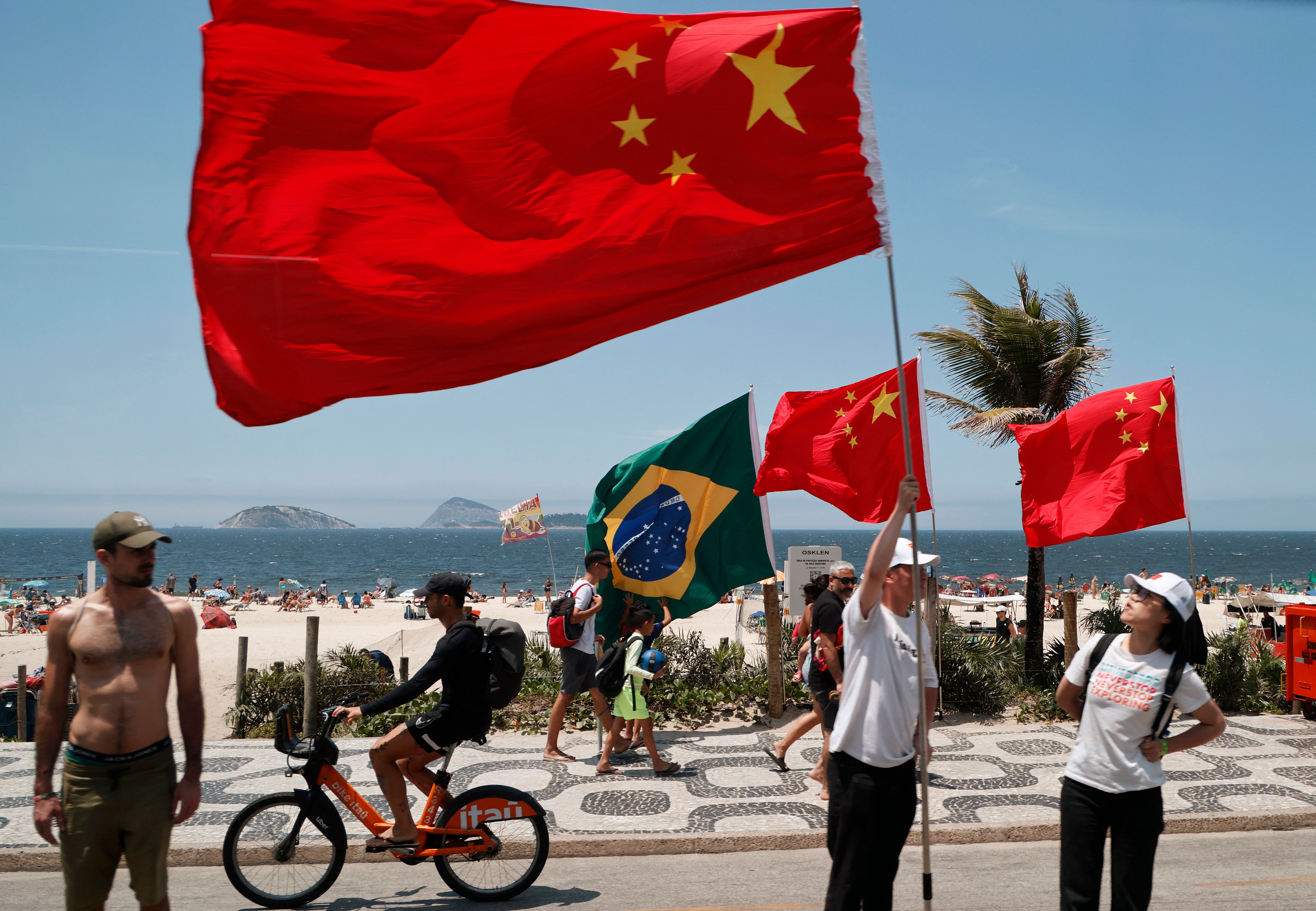
While China will remain a significant political and economic force in the Global South, its ambition to leverage the Global South as a counterbalance to the United States and the Global North is far from assured.

Xue Gong
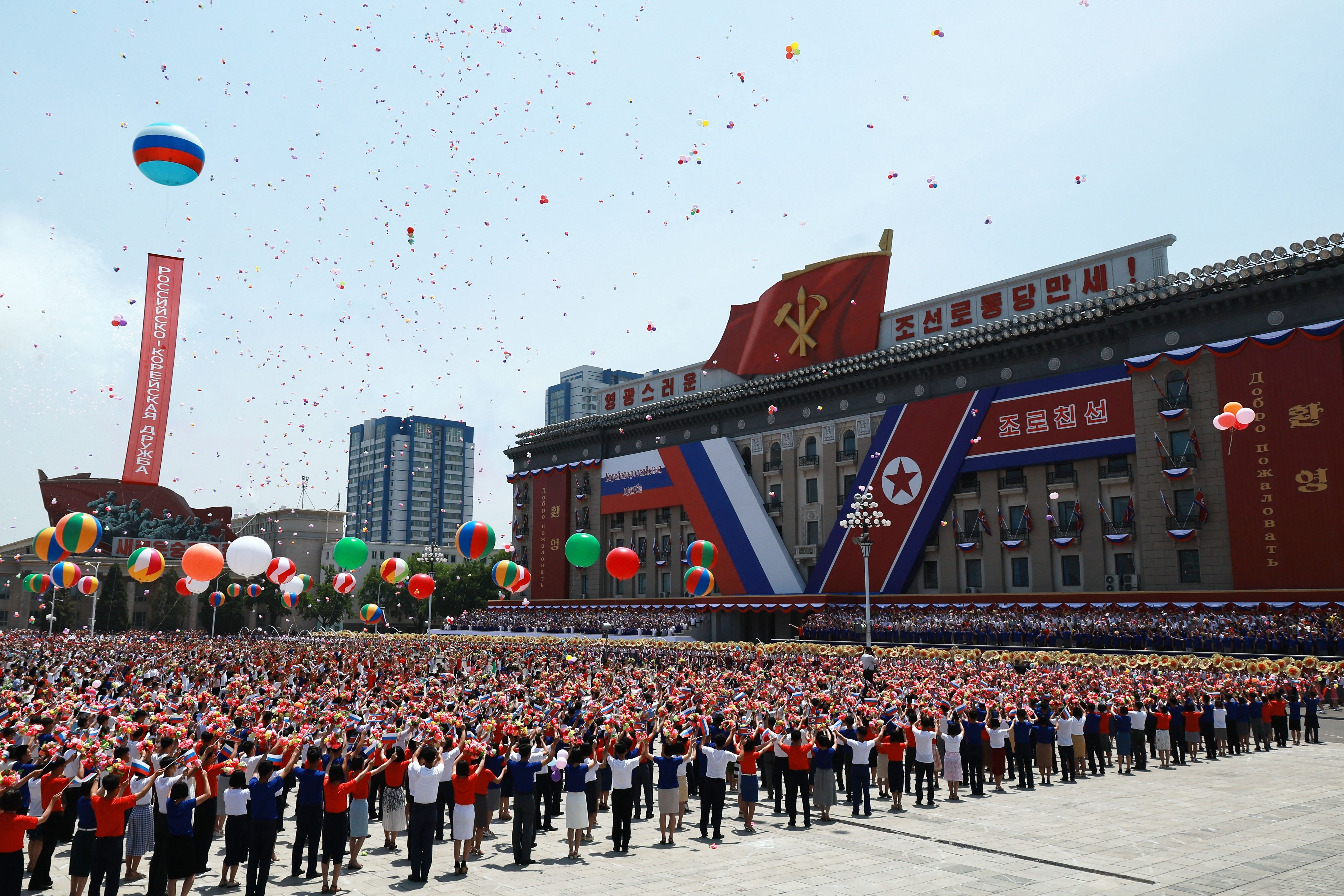
Faced with an increase in strategic maneuvering by Moscow and Pyongyang, Beijing will not sit idly by and allow Putin and Kim to shape the security environment on its behalf.

Tong Zhao
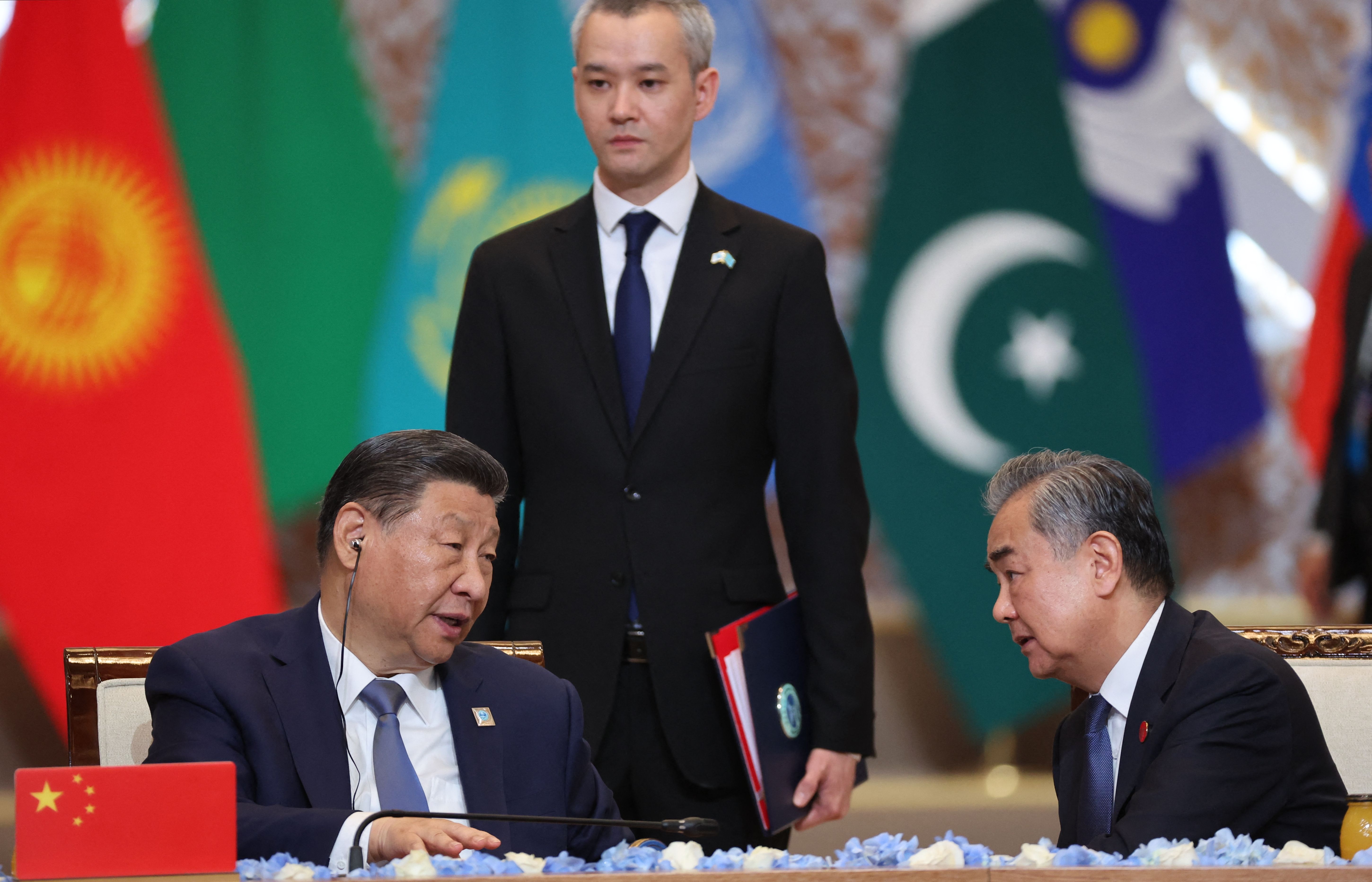
China’s growing attention to Central Asia is perceived as a harbinger of tectonic shifts in regional geopolitics.

Temur Umarov