

Commentary
Nikolay Petrov

Source: Getty
While Boris Yeltsin did a lot to build a state under difficult circumstances, he built it to suit his own interests and ultimately squandered his nation’s trust by not delivering on the hopes he represented.
Boris Yeltsin was a major figure in the founding of modern Russia, whose great merits were matched by just as many shortcomings. As a politician, he was like a battering ram. That was an advantage at a time when such qualities were needed, but it made him ill-suited for routine daily management. He was a captain for stormy weather, not calm seas.
Yeltsin’s merits are usually expressed in terms of what did not happen. Under his leadership, Russia did not descend into civil war and did not break apart (although it was Yeltsin who started the war in Chechnya). He raised high hopes among the public, who placed great confidence in him, but he squandered this trust without delivering any particular benefit to his country.
Much of what Yeltsin did can be attributed to a struggle for power, and he savored the combat and sometimes started battles that could have been avoided. But, at the same time, Yeltsin thought about Russia as well as about his place in history.
Adversity tempers politicians, and Yeltsin certainly experienced his share of challenges. He broke with the Soviet Communist Party, but in many respects remained an authoritarian, feudal product of the party’s nomenklatura, considering himself master of Russia’s broad lands. At the same time, he had formerly been a regional leader as well and realized the importance of self-governing regions and independent politicians. It was to Yeltsin that Russia owes the spontaneous federalism of the 1990s, but it was also Yeltsin who has to answer for the fact that this federalism proved short-lived.
Yeltsin did indeed build a state, but he built it to suit his own tastes and interests, so that he could set and change the rules of the game as he wished. He had the strong-willed nature of Peter the Great and, like Peter the Great, was not restrained by limits and external restrictions. This was not so much his fault, as his misfortune.
Yeltsin stepped down from power of his own accord—an act of which few leaders are capable—but he did so much later than he should have. He waited too long and did not groom a successor.
Still, political opportunism and personal factors play too big a part in evaluating Yeltsin and his era. But if one judges a politician by the number of memorable figures who worked with him and remember him well and fondly, it is possible to say that Yeltsin has achieved more than both his predecessors and the leaders who succeeded him.

Former Scholar-in-Residence, Society and Regions Program, Moscow Center
Nikolay Petrov was the chair of the Carnegie Moscow Center’s Society and Regions Program. Until 2006, he also worked at the Institute of Geography at the Russian Academy of Sciences, where he started to work in 1982.
Recent Work
Nikolay Petrov
Nikolay Petrov
Carnegie does not take institutional positions on public policy issues; the views represented herein are those of the author(s) and do not necessarily reflect the views of Carnegie, its staff, or its trustees.
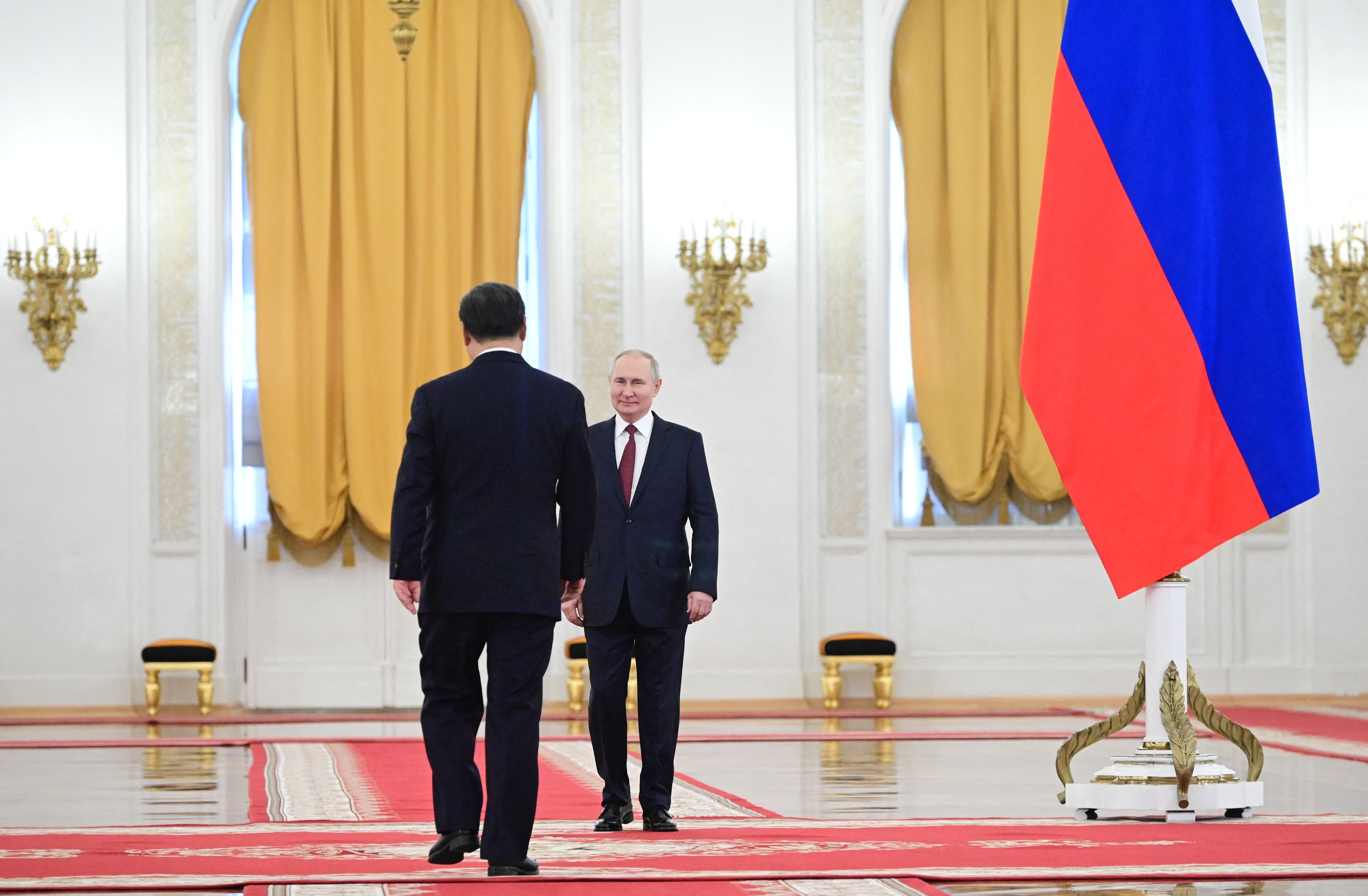
Beijing is trying to navigate the overall situation regarding Ukraine, especially the substance of interactions between Washington and Moscow.

Ellen Nakashima, Zhao Long, Pavlo Klimkin, …
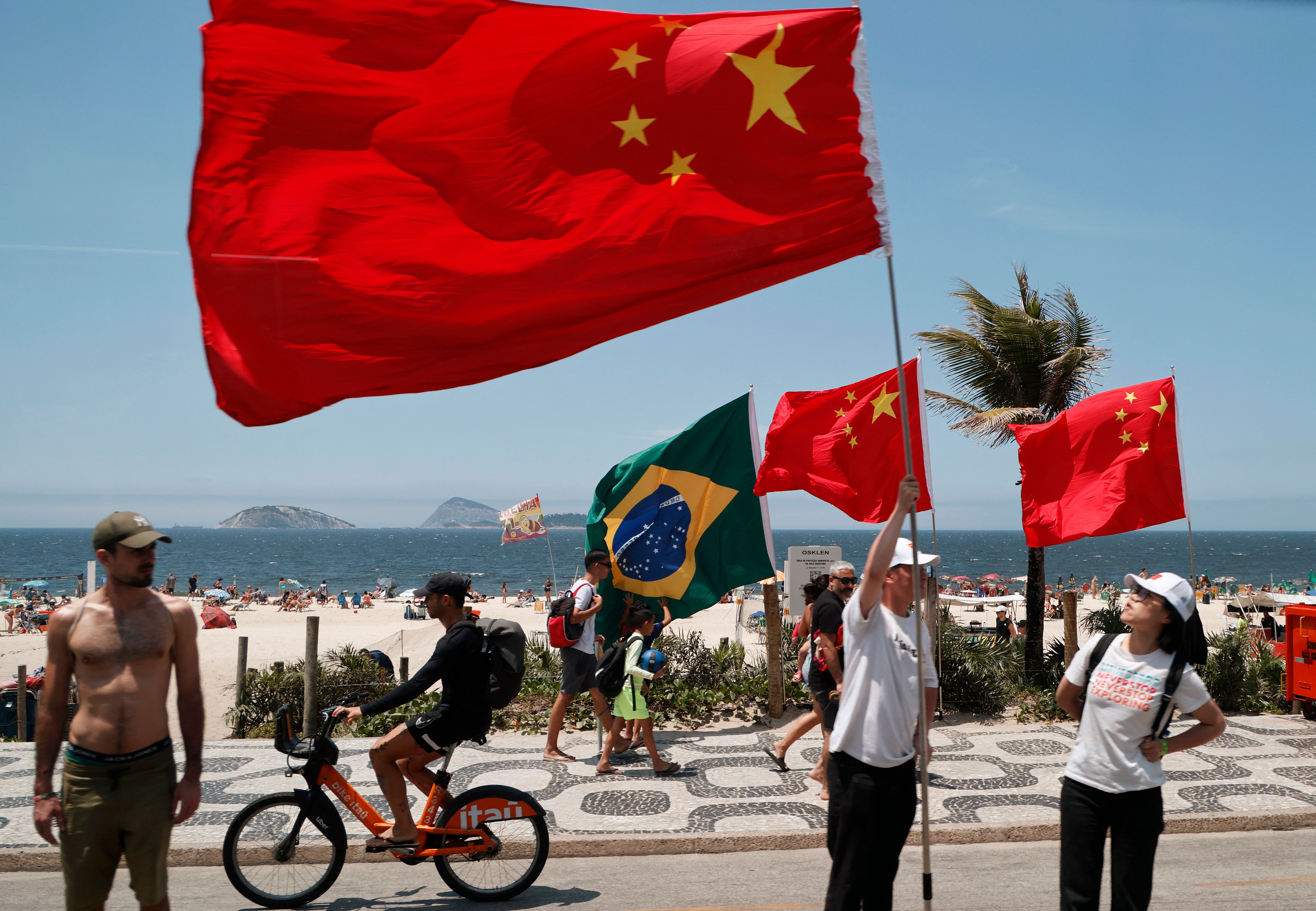
While China will remain a significant political and economic force in the Global South, its ambition to leverage the Global South as a counterbalance to the United States and the Global North is far from assured.

Xue Gong
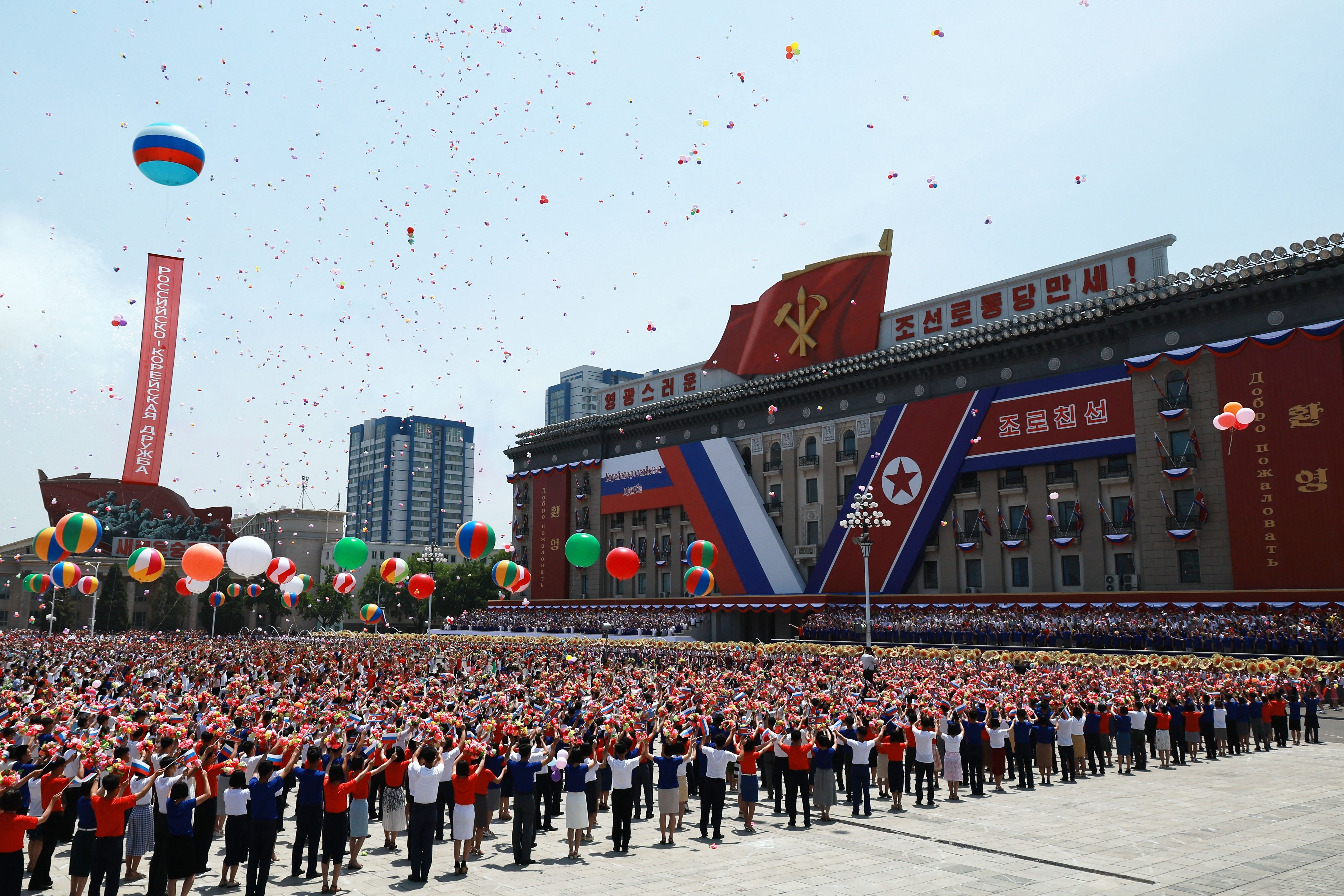
Faced with an increase in strategic maneuvering by Moscow and Pyongyang, Beijing will not sit idly by and allow Putin and Kim to shape the security environment on its behalf.

Tong Zhao
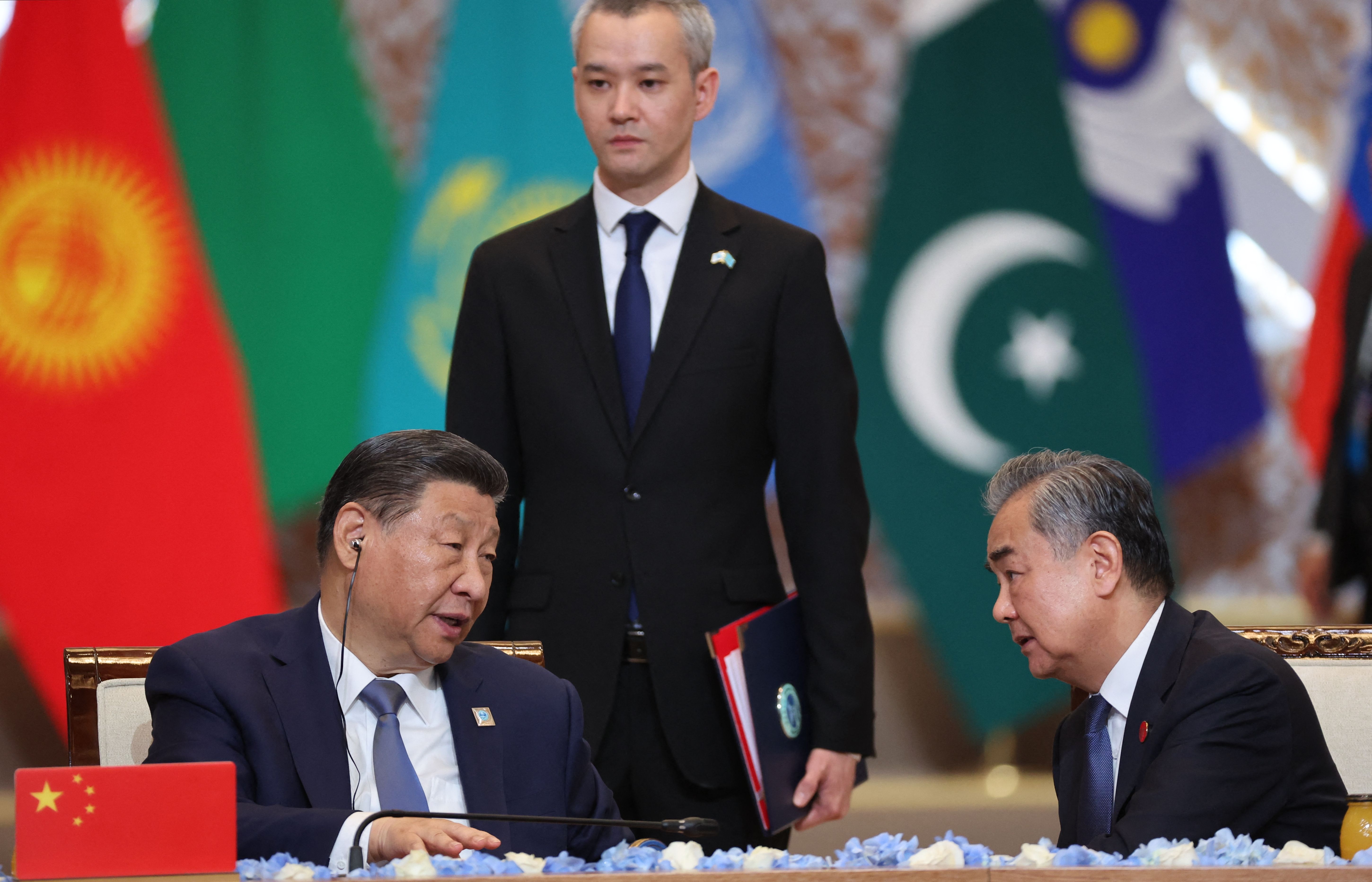
China’s growing attention to Central Asia is perceived as a harbinger of tectonic shifts in regional geopolitics.

Temur Umarov
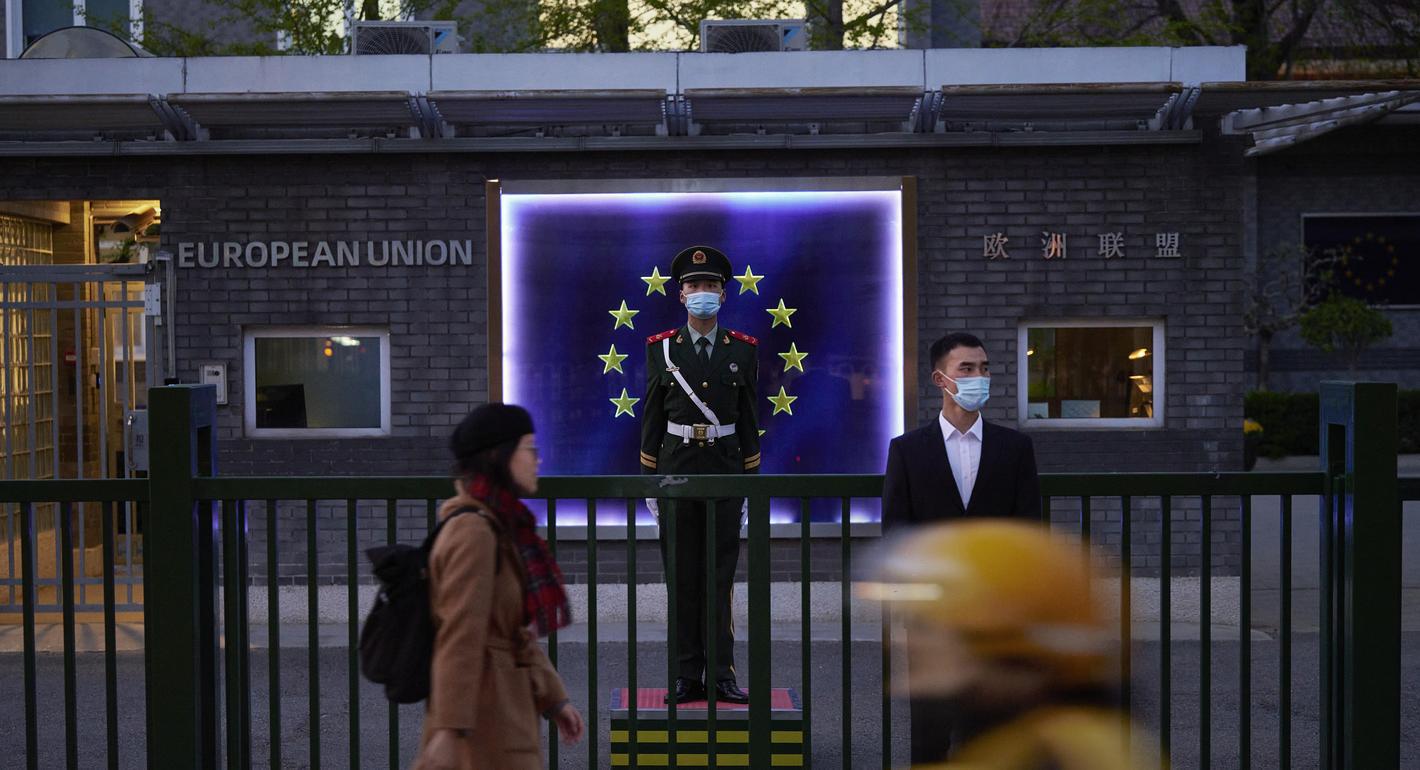
The Russian invasion of Ukraine is a turning point in the EU-China relationship, and evolution of the China-Russia relationship will continue to impact EU-China relations.
Yifan Ding, Alice Ekman