Source: Carnegie
New York Times, December 21, 1999
If the West believes that Russia's parliamentary elections
were a strong vote for democracy and market reform, it is deluding itself. The
elections on Sunday were indeed a remarkable victory for Prime Minister Vladimir
Putin, who revealed he has long political coattails. His endorsement late last
month of the Unity bloc, a diverse coalition concocted by the Kremlin in the
last three months of the campaign, propelled it from single-digit poll ratings
to a second-place finish, behind the Communists, with nearly a quarter of the
vote. Mr. Putin and his Kremlin allies showed great skill in destroying political
opponents. The anti-Kremlin bloc, led by former Prime Minister Yevgeny Primakov
and Mayor Yuri Luzhkov of Moscow, was widely expected just four months ago to
lead at the polls, but, under witheringattack, won only third place, with 12
to 13 percent of the vote.
But Mr. Putin's victory was won at great cost to democratic
norms. The Kremlin used its control of the two leading national television stations
to smear Mr. Luzhkov and his allies relentlessly with charges of corruption
and murder, based on half-truths and outright fabrications. The government's
tax authorities harassed media outlets that refused to hew to the line. To be
sure, Mr. Luzhkov responded in kind, but it was an unfair battle. His media
and financial resources pale in comparison to the Kremlin's.
In the process, the great issues facing Russia -- in particular,
how to extricate the country from its prolonged depression and social decline
-- were not even debated.
With this victory, Mr. Putin has become the odds-on favorite
to win the presidential elections next June. But who is Vladimir Putin, and
what does he believe in? His phenomenal rise is a direct consequence of the
brutal military operation in Chechnya, which remains widely popular with the
Russian public. With the election behind him, Mr. Putin now appears ready to
step up the final assault on Grozny, the capital of the breakaway republic.
He has won solid support from the military brass and the security services,
both of which have been promised additional resources, though neither has undertaken
any serious reform. And he has pushed for greater investment in the military-industrial
complex, which he sees as a pillar of economic recovery.
This is hardly the portrait of a Russian democrat, but
the Kremlin has tried to convince Western leaders that Mr. Putin is a devoted
market reformer with close ties to Anatoly Chubais, the architect of Russia's
now derailed radical reform program. Mr. Putin made a point of personally dropping
in on Mr. Chubais and his allies on election night to congratulate them on their
unexpectedly strong fourth-place finish.
Even if Mr. Putin is a reformer at heart, he will have
a hard time pushing the brand of reform favored by the West and Mr. Chubais
through the supposedly more centrist parliament. The large pro-government coalition
in the new Duma, which is being portrayed as good for reform, looks curiouser
and curiouser on closer inspection. It includes Mr. Chubais's allies; the ultranationalists
led by Vladimir Zhirinovsky; and the Unity bloc, an amalgam of statist, nationalist,
liberal and even Communist politicians. Unity's leadership even includes Aleksandr
Rutskoi, who led an armed rebellion against Boris Yeltsin in October 1993, and
Kirsan Ilyumzhinov, president of the republic of Kalmykia, who once threatened
to secede from Russia. Pro-government forces will also include Boris Berezovsky,
the media magnate and Kremlin insider who stands at the center of swirling corruption
allegations and who is said to have sought election partly because deputies
enjoy immunity from criminal prosecution.
Finally, this clashing coalition will not even enjoy a
majority in the new Duma. Indeed, the Communists and Mr. Luzhkov's forces could
end up with more deputies, and, in the run-up to the presidential elections,
they will not be inclined to give the government an easy ride. Mr. Putin will
have to cobble together a majority for every vote on his economic program, with
all the compromises that entails. Rather than rapidly moving to market and democratic
reforms, the new Duma promises to demonstrate the difficulties of making progress
in both areas. And expect the politics to become dirtier as Russia moves to
select Mr. Yeltsin's successor in June, when we'll find out who really holds
power in Russia.
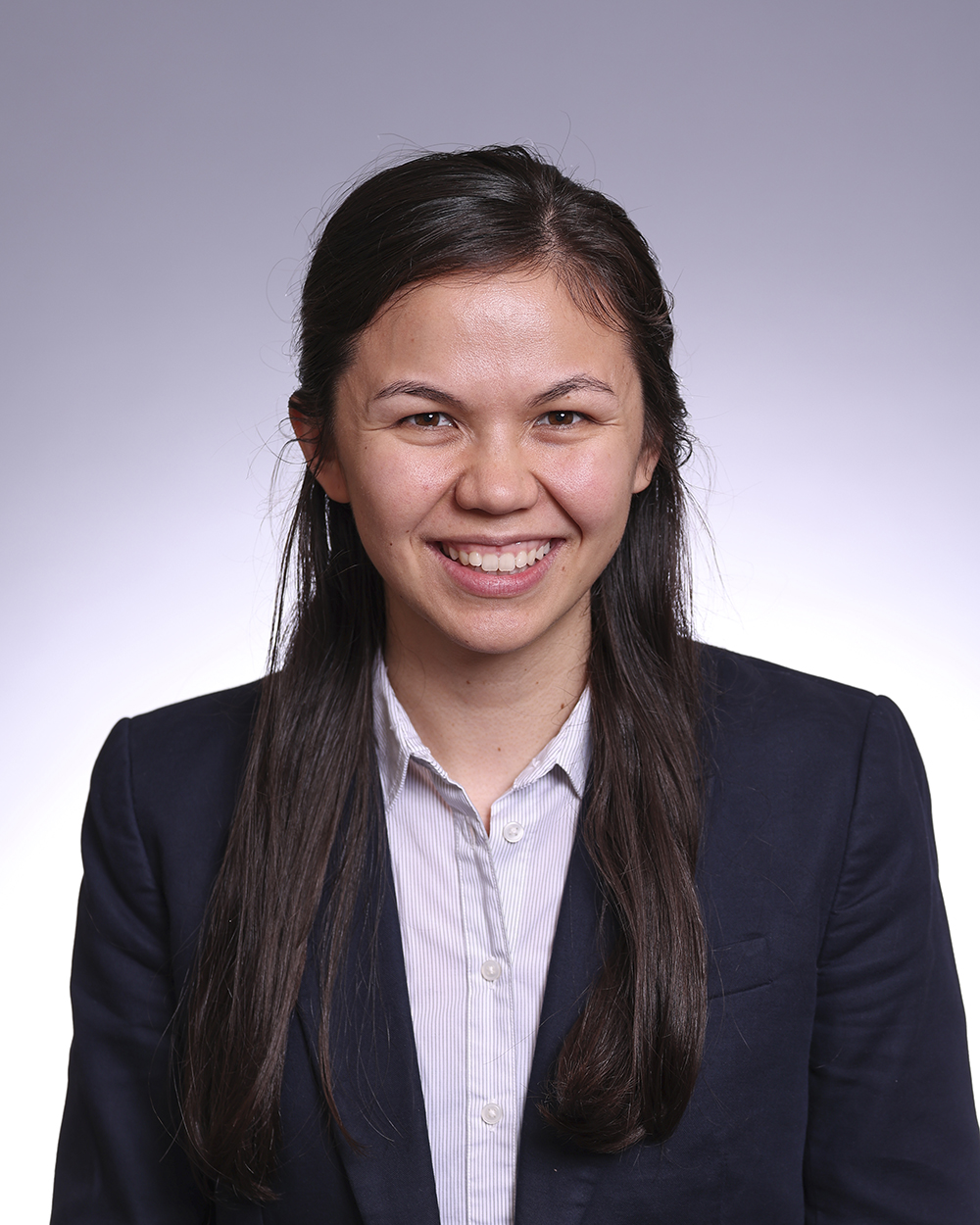
Thomas Graham, a senior associate at the Carnegie Endowment
for International Peace, was the chief political analyst at the United States
Embassy in Moscow from 1994 to 1997.