

Commentary
As European leadership prepares for the sixteenth EU-India Summit, both sides must reckon with trade-offs in order to secure a mutually beneficial Free Trade Agreement.
Dinakar Peri
{
  "authors": [
    "Husain Haqqani"
  ],
  "type": "other",
  "centerAffiliationAll": "",
  "centers": [
    "Carnegie Endowment for International Peace"
  ],
  "collections": [],
  "englishNewsletterAll": "",
  "nonEnglishNewsletterAll": "",
  "primaryCenter": "Carnegie Endowment for International Peace",
  "programAffiliation": "",
  "programs": [
    "Russia and Eurasia"
  ],
  "projects": [],
  "regions": [
    "Middle East",
    "India",
    "Afghanistan",
    "Pakistan"
  ],
  "topics": []
}
REQUIRED IMAGE
Source: Carnegie
Pakistan has become a strategic U.S. ally in the war against al Qaeda. For now, Washington's support of General Pervez Musharraf's military regime is untempered by any insistence on the restoration of democracy. But military rule is likely to increase hostility between Pakistan and India and undercut efforts to root out Islamic extremists, who have been the armed forces' political allies in the past.
Despite intervals of strained relations, the United States and Pakistan were allies for most of the Cold War. Like past periods of engagement, the present spell of close relations is likely to sour into disillusion unless the United States strongly encourages Pakistan to return to democracy. A democratic regime, however flawed, is more likely to provide long-term stability to Pakistan. Specifically, democratic rule would help contain Islamic militancy and would probably lead to improved India-Pakistan relations.
Click on link above for full text of this Policy Brief.
A limited number of print copies will be available.
Request a copy
About the Author
Husain Haqqani, a leading journalist, diplomat, and former advisor to Pakistan prime ministers, is a visiting scholar in Carnegie’s Russian and Eurasian Program.
Carnegie does not take institutional positions on public policy issues; the views represented herein are those of the author(s) and do not necessarily reflect the views of Carnegie, its staff, or its trustees.
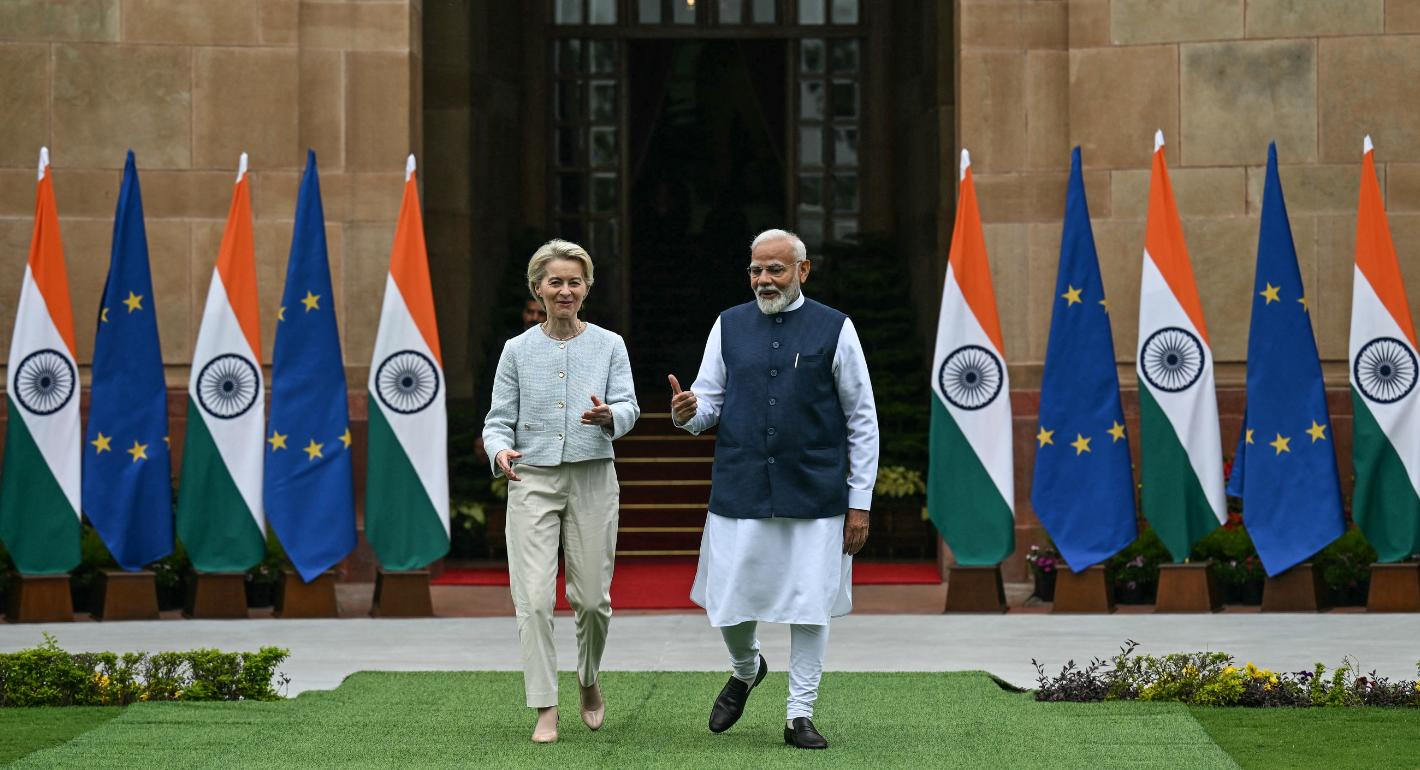
As European leadership prepares for the sixteenth EU-India Summit, both sides must reckon with trade-offs in order to secure a mutually beneficial Free Trade Agreement.

Dinakar Peri
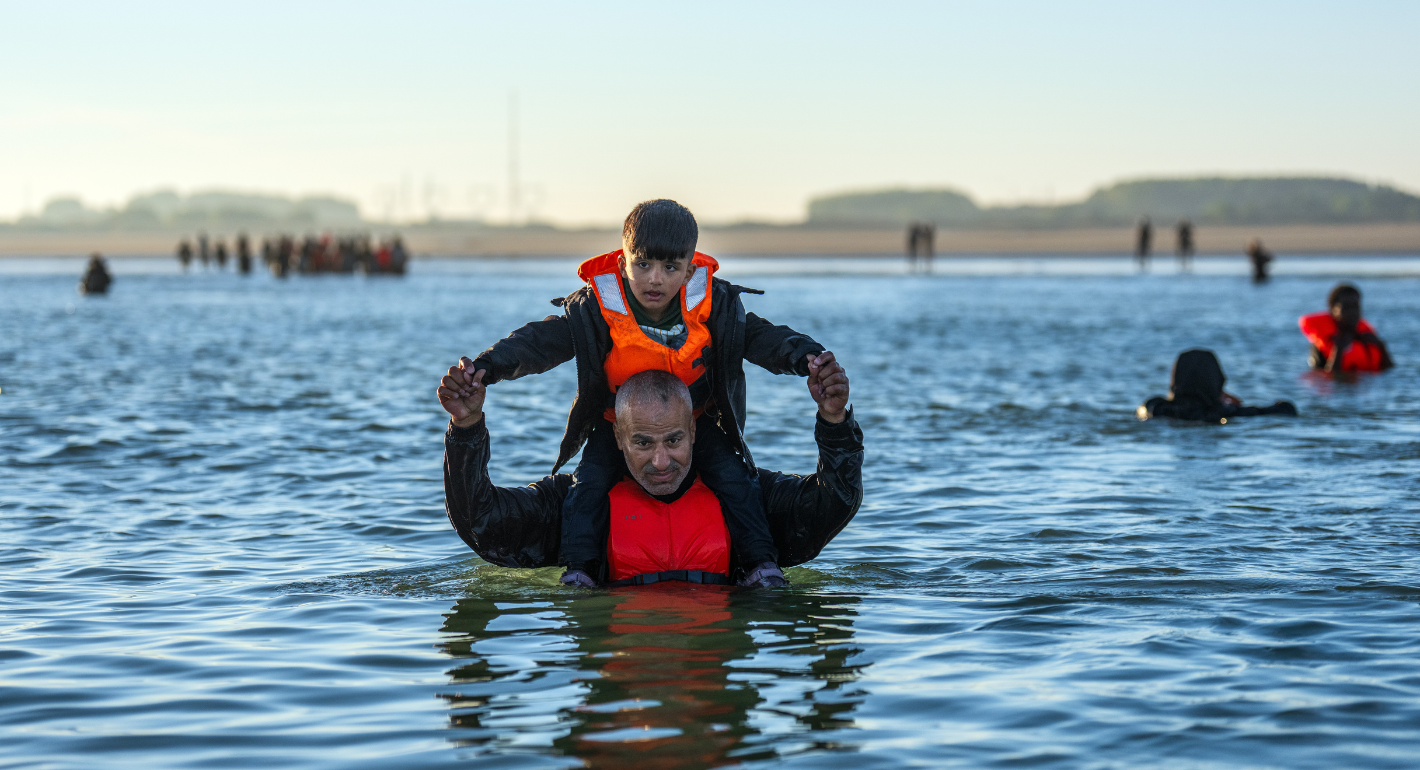
Hard-line approaches to asylum policy are increasingly common, with crackdowns proposed even by parties that traditionally hold liberal views on migration. Does this shift represent a break with Europe’s fundamental values?

Thomas de Waal
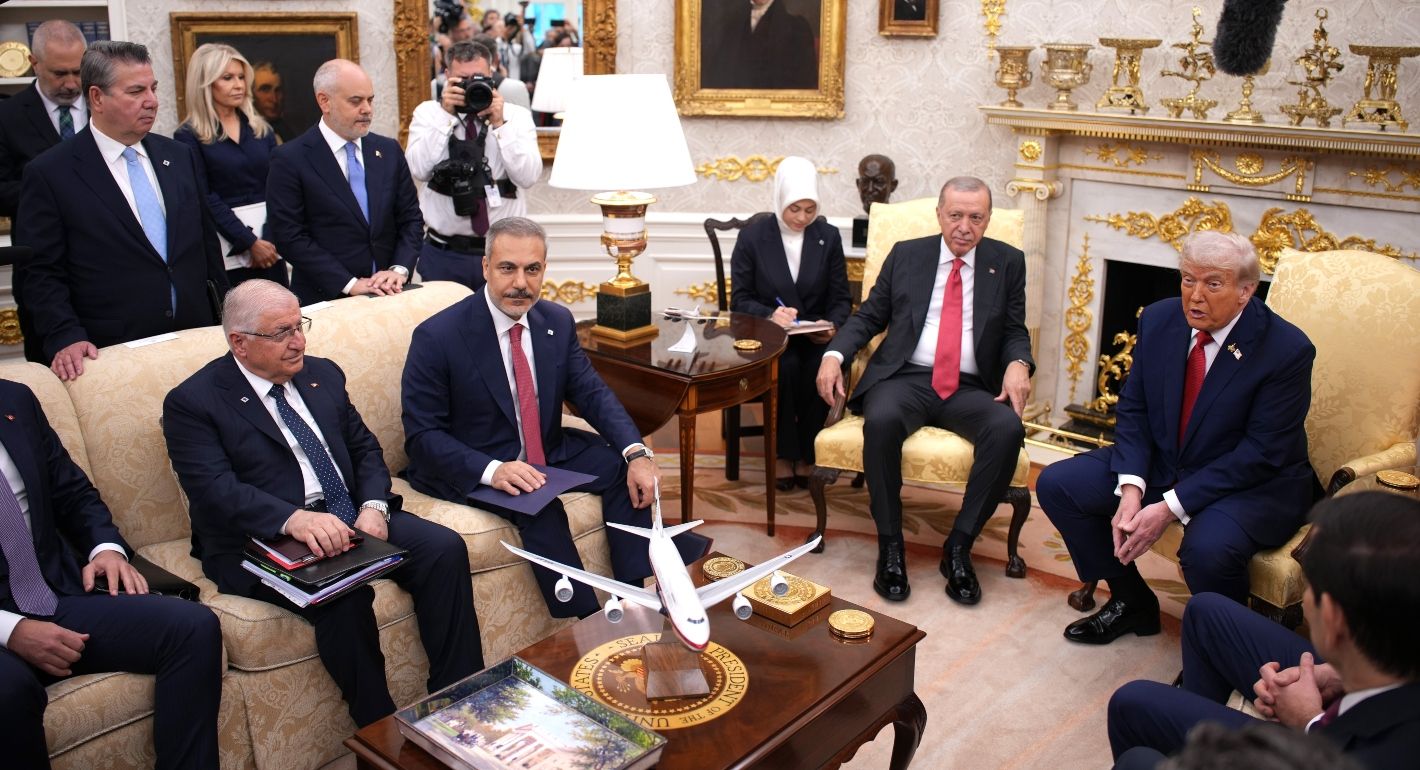
Erdoğan and Trump’s meeting served both leaders’ domestic and personal agendas. For Europe, it highlights how America’s transactional approach risks sidelining allies and empowering authoritarians.

Marc Pierini
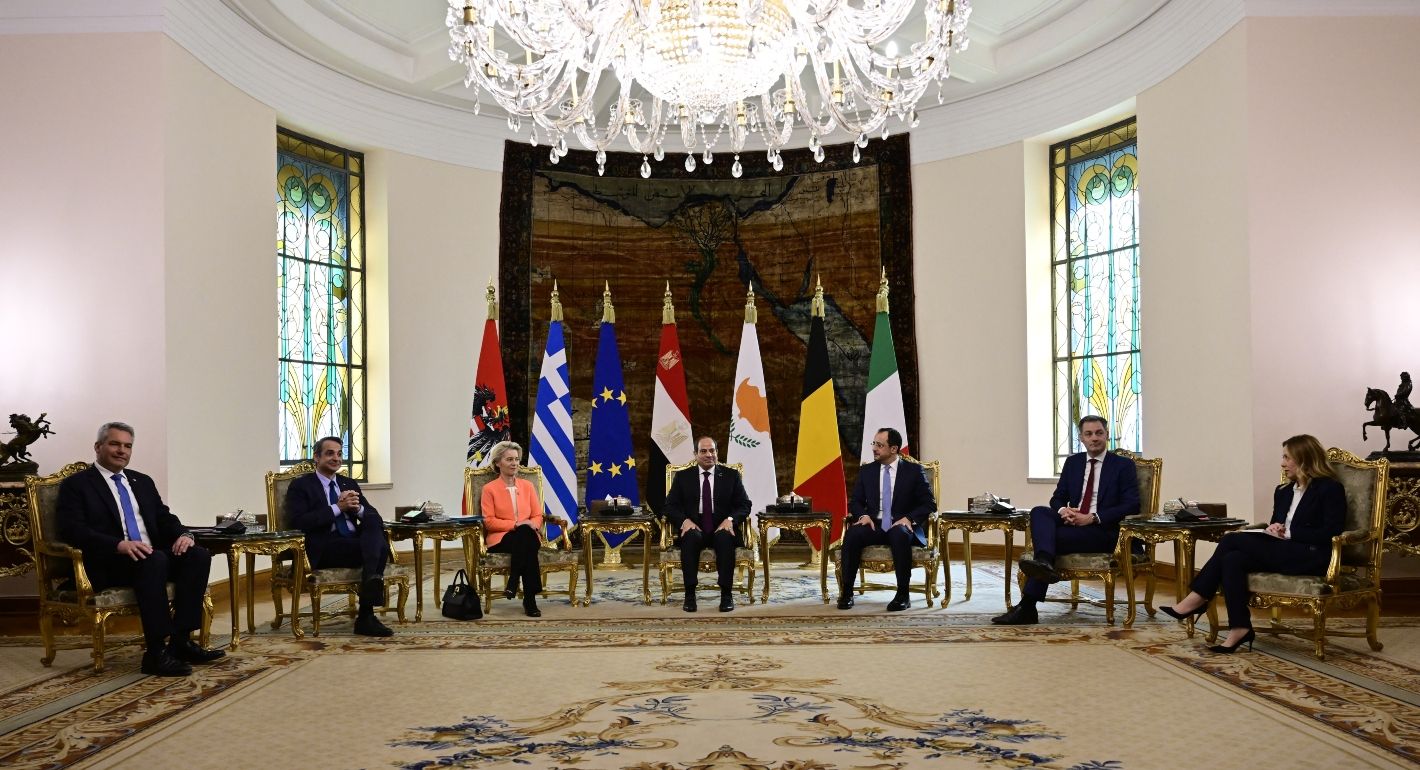
The EU’s new Pact for the Mediterranean aims to reshape the bloc’s relations with its Southern neighborhood. But the initiative lacks concrete measures to address societal divides and the region’s pressing challenges.

Richard Youngs
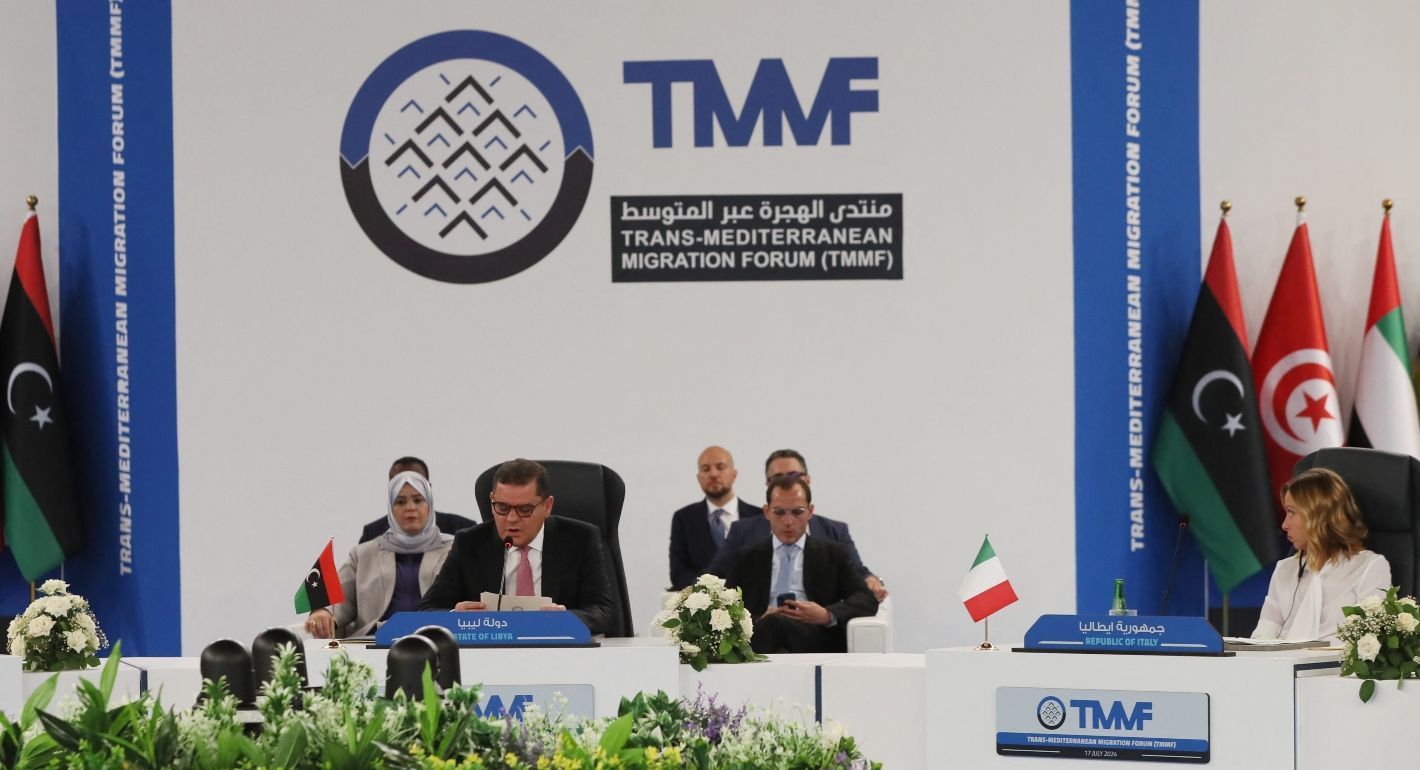
As the EU prepares a new pact for its Southern neighborhood, the union should balance economic and security interests with support for civil society, political reforms, and inclusive governance.
Hussein Baoumi