• Research
  • Strategic Europe
  • About
  • Experts
Carnegie Europe logoCarnegie lettermark logo
EUUkraine
  • Donate
{
  "authors": [],
  "type": "pressRelease",
  "centerAffiliationAll": "dc",
  "centers": [
    "Carnegie Endowment for International Peace"
  ],
  "collections": [],
  "englishNewsletterAll": "menaTransitions",
  "nonEnglishNewsletterAll": "",
  "primaryCenter": "Carnegie Endowment for International Peace",
  "programAffiliation": "MEP",
  "programs": [
    "Middle East"
  ],
  "projects": [],
  "regions": [
    "Middle East",
    "Israel",
    "Palestine"
  ],
  "topics": []
}
REQUIRED IMAGE

REQUIRED IMAGE

Press Release

Two-State Solution Talks Dead for Now, Focus Should be Sustainable Armistice

Negotiations over a two-state solution to resolve the Israeli–Palestinian conflict have reached a dead end. International efforts should focus on a short-term cease-fire between Israel and Hamas that can pave the way for a sustainable armistice.

Link Copied
Published on Feb 26, 2009

WASHINGTON, Feb 26—Negotiations over a two-state solution to resolve the Israeli–Palestinian conflict have reached a dead end. International efforts should focus on a short-term cease-fire between Israel and Hamas that can pave the way for a sustainable armistice, concludes a new policy brief by Nathan J. Brown.

The bitter realities on the ground make an immediate and comprehensive solution to the Israeli–Palestinian conflict unattainable for now. A new diplomatic approach should be based on three steps: first, a properly negotiated cease-fire; second, a medium-term armistice; and finally, addressing the underlying causes of the conflict during the respite.

Key Conclusions:

  • A new cease-fire agreement must be attractive to both sides. Hamas can be enticed with border openings, freedom of operation in Palestinian areas, and a freeze on settlements, and Israel with a cessation of attacks from Hamas and other groups, combined with a serious effort to halt arms supplies to Hamas.
  • Both have indicated interest in an armistice, but credibility and trust issues must be addressed. Palestinians need assurances that an armistice will not become a permanent solution and Israel must believe that Hamas will not use the time for a military build-up.
  • Enforcement mechanisms—settlement monitoring and border inspections—are key to the armistice.
  • The United States should encourage rather than discourage European and Arab efforts to lead negotiations among Palestinians and between Palestinians and Israelis.
  • A period of relative stability for five to ten years under the armistice could serve as a platform to address the underlying causes of the conflict. Paramount in this stage will be rebuilding Palestinian institutions and democracy.

Brown concludes:

“Acknowledging and working with existing realities must not, however, mean accepting them as permanent. The existing situation is not only short on security and justice; it is also unstable. Things can—and might well—get worse unless the United States and other outside actors couple a realistic view of the present with a serious effort to push for a more promising future. But for the present, they should stop banging their heads against the obstacles to an immediate and comprehensive solution of the Israeli–Palestinian conflict. Instead, it is time for Plan B.”

###


NOTES

  • Direct link to the PDF: www.carnegieendowment.org/files/palestine_israel_planB.pdf
  • Nathan J. Brown is director of the Institute for Middle East Studies at George Washington University, a nonresident senior associate at the Carnegie Endowment, and a distinguished scholar and author of four well-received books on Arab politics.
  • The Carnegie Middle East Program combines in-depth local knowledge with incisive comparative analysis to examine economic, socio-political, and strategic interests in the Arab world to provide analysis and recommendations in both English and Arabic that are deeply informed by knowledge and views from the region.
  • The Carnegie Middle East Center based in Beirut, Lebanon, aims to better inform the process of political change in the Middle East.
  • Carnegie's Arab Reform Bulletin has been transformed into a full-featured website that offers greatly enhanced search functionality, the option for readers to comment on articles, and frequent news updates.
  • Press Contact: Trent Perrotto, 202/939-2372, tperrotto@ceip.org
Middle EastIsraelPalestine

Carnegie does not take institutional positions on public policy issues; the views represented herein are those of the author(s) and do not necessarily reflect the views of Carnegie, its staff, or its trustees.

More Work from Carnegie Europe

  • Commentary
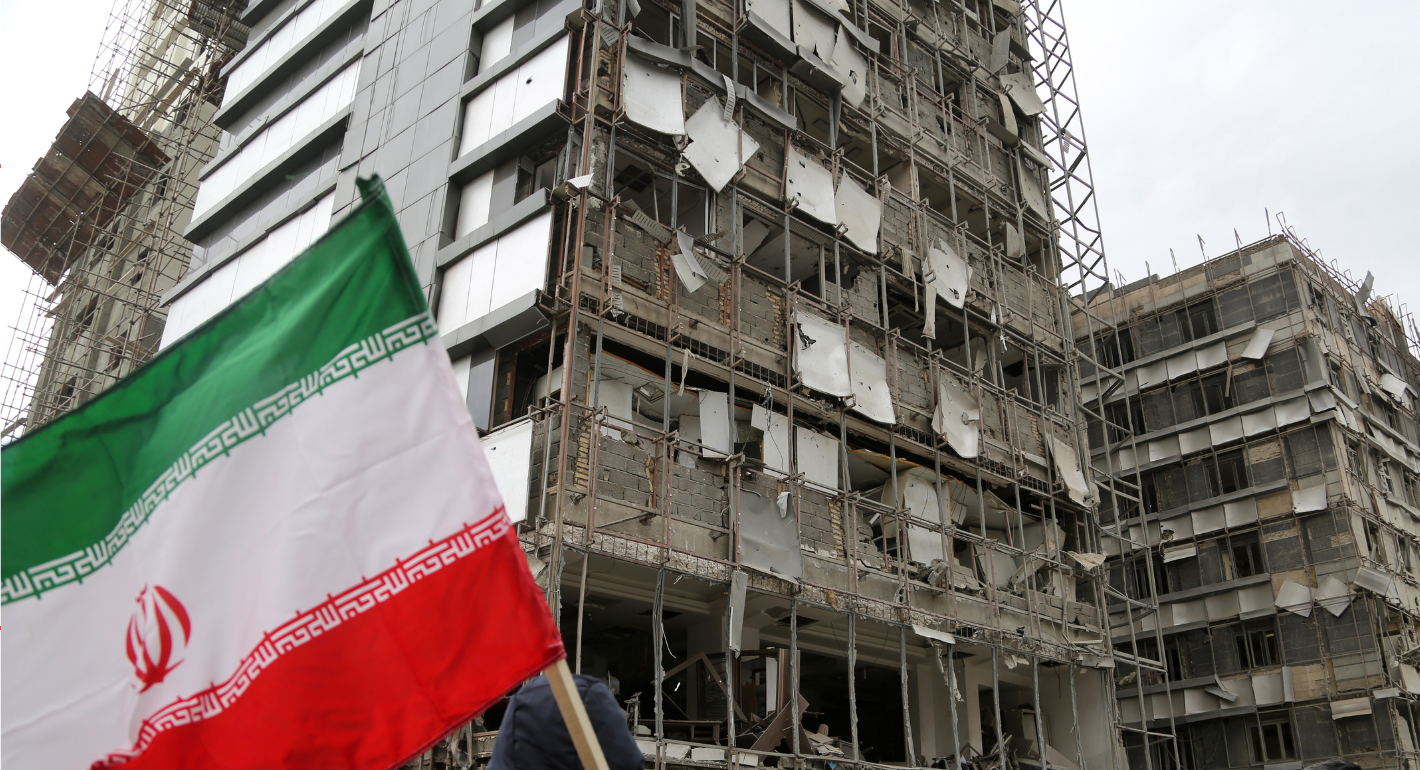
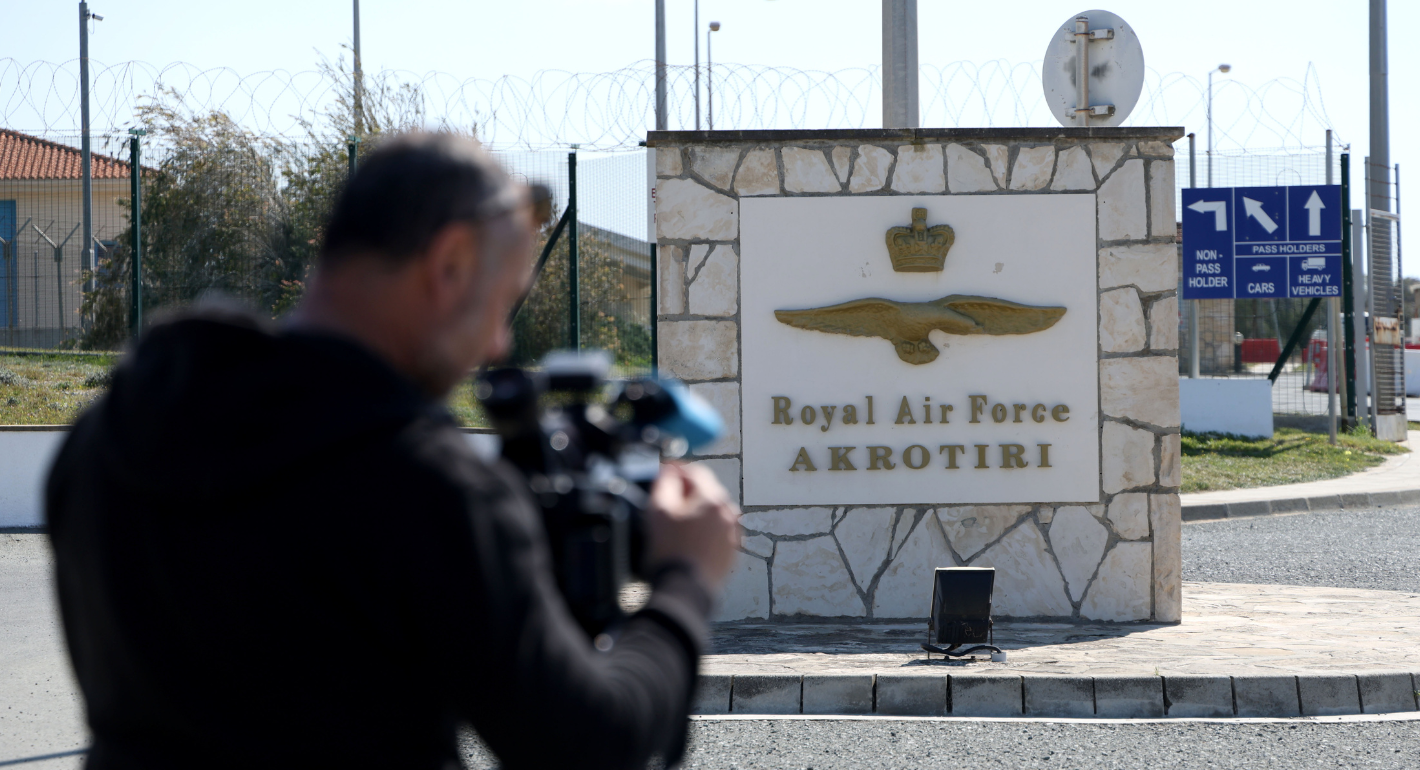
    The Iran War’s Dangerous Fallout for Europe

    The drone strike on the British air base in Akrotiri brings Europe’s proximity to the conflict in Iran into sharp relief. In the fog of war, old tensions in the Eastern Mediterranean risk being reignited, and regional stakeholders must avoid escalation.

      Marc Pierini

  • Commentary
    Strategic Europe
    Europe on Iran: Gone with the Wind

    Europe’s reaction to the war in Iran has been disunited and meek, a far cry from its previously leading role in diplomacy with Tehran. To avoid being condemned to the sidelines while escalation continues, Brussels needs to stand up for international law.

      Pierre Vimont

  • Paper
    How EU Foreign Policy Turned Regional

    The EU’s engagement with the rest of the world has become increasingly uneven. To chase the ambition of a global Europe, the second von der Leyen commission must leverage funds and diplomatic tools to play a more cohesive role in shaping international affairs.

      • Francesco Siccardi

      Francesco Siccardi

  • Commentary
    Strategic Europe
    Taking the Pulse: Are Europe’s New Asylum Policies a Betrayal of its Values?

    Hard-line approaches to asylum policy are increasingly common, with crackdowns proposed even by parties that traditionally hold liberal views on migration. Does this shift represent a break with Europe’s fundamental values?

      Thomas de Waal

  • Commentary
    Strategic Europe
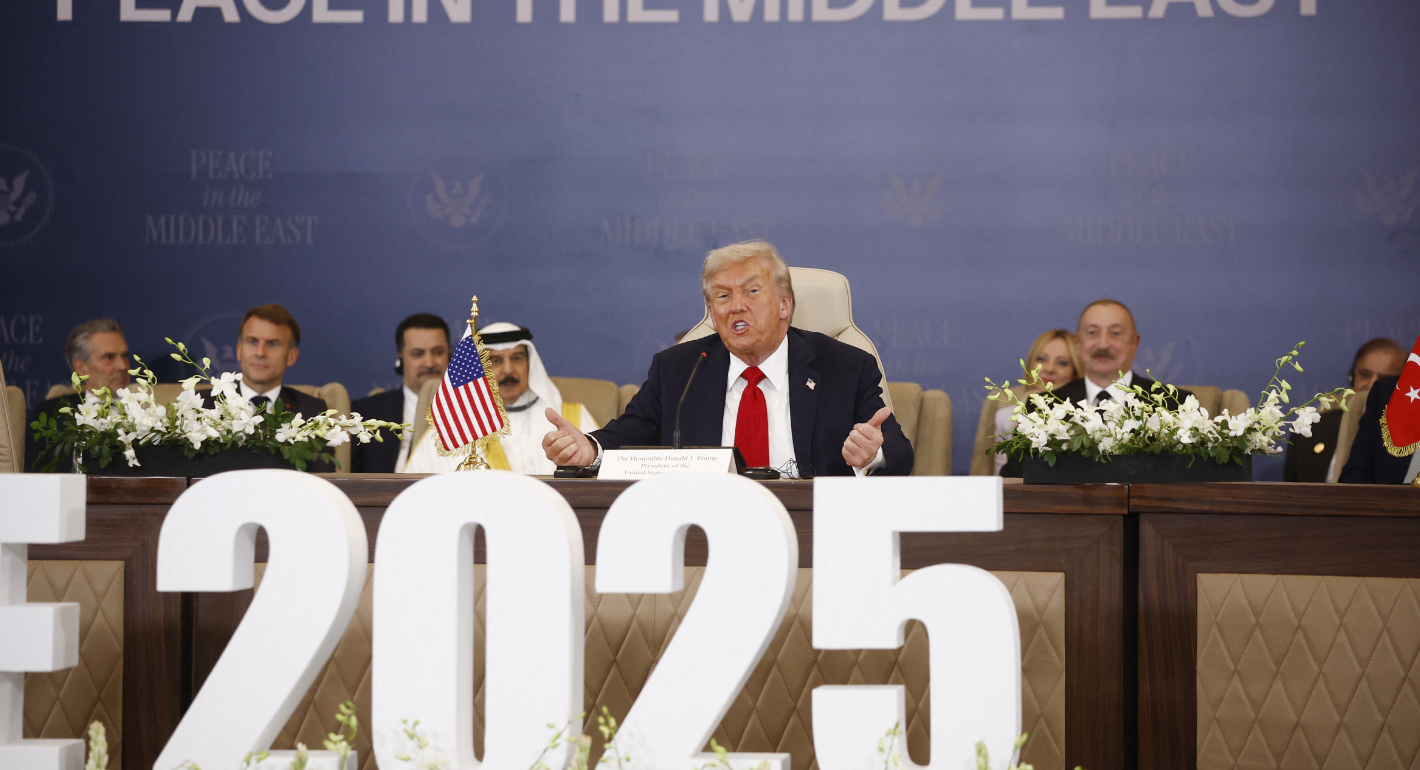
    Taking the Pulse: Should the EU Seek a Seat on Trump’s Gaza Board of Peace?

    Despite holding significant leverage, the EU remains sidelined in ongoing diplomacy around the Gaza peace plan. How can the union overcome internal divisions to take a more active role?

      • Rym Momtaz

      Rym Momtaz

Get more news and analysis from
Carnegie Europe
Carnegie Europe logo, white
Rue du Congrès, 151000 Brussels, Belgium
  • Research
  • Strategic Europe
  • About
  • Experts
  • Projects
  • Events
  • Contact
  • Careers
  • Privacy
  • For Media
  • Gender Equality Plan
Get more news and analysis from
Carnegie Europe
© 2026 Carnegie Endowment for International Peace. All rights reserved.