

Commentary
Europe isn’t as weak in the new geopolitics of power as many would believe. But to leverage its assets and claim a sphere of influence, Brussels must stop undercutting itself.
Dimitar Bechev
{
  "authors": [
    "James F. Collins",
    "Kenneth Yalowitz"
  ],
  "type": "legacyinthemedia",
  "centerAffiliationAll": "dc",
  "centers": [
    "Carnegie Endowment for International Peace"
  ],
  "collections": [
    "Inside Russia"
  ],
  "englishNewsletterAll": "ctw",
  "nonEnglishNewsletterAll": "",
  "primaryCenter": "Carnegie Endowment for International Peace",
  "programAffiliation": "russia",
  "programs": [
    "Russia and Eurasia"
  ],
  "projects": [],
  "regions": [
    "Russia",
    "Eastern Europe",
    "Ukraine"
  ],
  "topics": []
}
Source: Getty
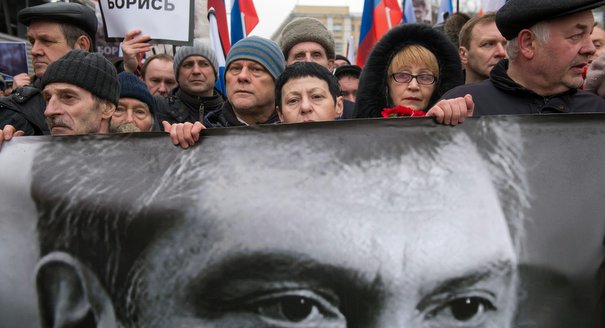
The death of opposition leader Boris Nemtsov may hold the key to understanding deeper schisms within Russia, both between the government and advocates for reform, and between Putin and extreme nationalist entities.
Source: Fletcher Forum of World Affairs
The assassination of Russian opposition leader Boris Nemtsov has spawned numerous theories about the cause and its organizers. Like past political assassinations in Russia, the truth may never be fully known, but Nemtsov’s open opposition to Russia’s military action in Ukraine and his work on a report documenting Russia’s large-scale involvement in the fighting there could provide a motive. Furthermore, Nemtsov’s death may hold the key to understanding deeper schisms within Russia, both between the government and advocates for reform, and between Putin and extreme nationalist entities.
The official Russian version of the conflict in Ukraine, fanned by Russia’s leadership and the state-controlled media, holds that the fighting in Ukraine is a purely internal matter and that claims of involvement of Russian forces and equipment are simply lies. Playing on nationalist sentiments and a belief that outsiders, particularly the United States, have wronged Russia, President Putin has enjoyed a large popularity bump from Crimea. Deftly used lies, obfuscations and outrageous assertions to mislead the Russian public about the depth of Russian involvement in the Ukraine fighting and to cover up the mounting number of combat deaths have become standard fare. The president’s paeans to Russia’s great power status and the blame he has placed on the West for Russia’s economic woes have all but obliterated overt opposition to his presidency.Nemtsov, a charismatic and telegenic former deputy prime minister, had been politically marginalized and commanded little popular support. However, on the eve of his murder, Nemtsov was ready to offer an overt rebuttal to the official version of events in Crimea and, with it, to President Putin’s authority. He was organizing a demonstration to oppose the President’s actions in Ukraine, and was also preparing a report documenting the heavy involvement of the Russian army in equipping the separatist forces there, fighting alongside them, and incurring a large number of Russian casualties. The evidence of these charges disappeared soon after Nemtsov’s death, as police and security forces raided Nemtsov’s apartment and reportedly confiscated his computers and papers.
In the face of the seemingly overwhelming support for the nationalist course and the weakness of Putin’s opponents, why silence Nemtsov? As a former deputy prime minister with a wide circle of friends in high places, Nemtsov’s voice would have lent the prestige and the credibility of a recognized Russian authority to the evidence against the official version of Ukrainian events offered by the Russian government. Outside President Putin’s close ring of advisors, there are voices in official Russia that are uneasy with what is happening in Ukraine and with Russia’s increasing isolation and economic stagnation. Nemtsov’s report and voice would have strengthened these elements and could have been a threat to Putin’s power.
Public opinion polls in Russia show very strong support for the annexation of Crimea, but they also reflect a more moderate stance about Russia engaging in a war in Ukraine. It is useful to recall the role played by Russian mothers and grandmothers in raising opposition to Russia’s war in Afghanistan thirty-five years ago when their sons and grandsons came back in sealed coffins. Similar manifestations of parental grief are occurring today.
So, what does Nemtsov’s death mean? Despite the threat of Nemtsov’s report, Nemtsov and Russia’s liberal community hardly represented a direct political threat to Putin’s government. Nemtsov was killed a short distance from the Kremlin, the most heavily guarded place in Moscow, and his movements were certainly monitored in the days before his death. All this suggests a well-planned operation with perpetrators well-versed in the routine of Russia’s security forces. Nemtsov’s killers decided that he should serve as an example to demonstrate the fate of those who would call for Russian moderation in Ukraine. The crime, if not the intended message, has been obfuscated by constructing an Islamist “plot” to explain his murder.
Since his reelection President Putin has led his country away from cooperation with the West. His insistence on Russia defining its independent path and his Ukrainian venture have encouraged and empowered extreme nationalist forces. These elements are pushing for more overt Russian support for the separatists in Ukraine. The question is whether the tiger the President and his supporters have unleashed has moved beyond his authority by killing Nemtsov without government approval. It is unclear whether President Putin will raise the stakes and escalate the divisive rhetoric, or tone it down and take a hard look at the Russian nationalists and their allies in his security services. No matter what, the Nemtsov killing is a warning that Putin’s war in Ukraine may be coming closer to home.
This article was originally published in the Fletcher Forum of World Affairs.
Nonresident Senior Fellow, Russia and Eurasia Program; Diplomat in Residence
Ambassador Collins was the U.S. ambassador to the Russian Federation from 1997 to 2001 and is an expert on the former Soviet Union, its successor states, and the Middle East.
Kenneth Yalowitz
Kenneth S. Yalowitz is a Global Fellow at the Kennan Institute and Polar Initiative at the Woodrow Wilson International Center for Scholars.
Carnegie does not take institutional positions on public policy issues; the views represented herein are those of the author(s) and do not necessarily reflect the views of Carnegie, its staff, or its trustees.
Europe isn’t as weak in the new geopolitics of power as many would believe. But to leverage its assets and claim a sphere of influence, Brussels must stop undercutting itself.

Dimitar Bechev

Despite offering security benefits to candidates and the EU alike, the enlargement agenda appears stalled. Why is progress not being made, and is it time for Europe to rethink its approach?
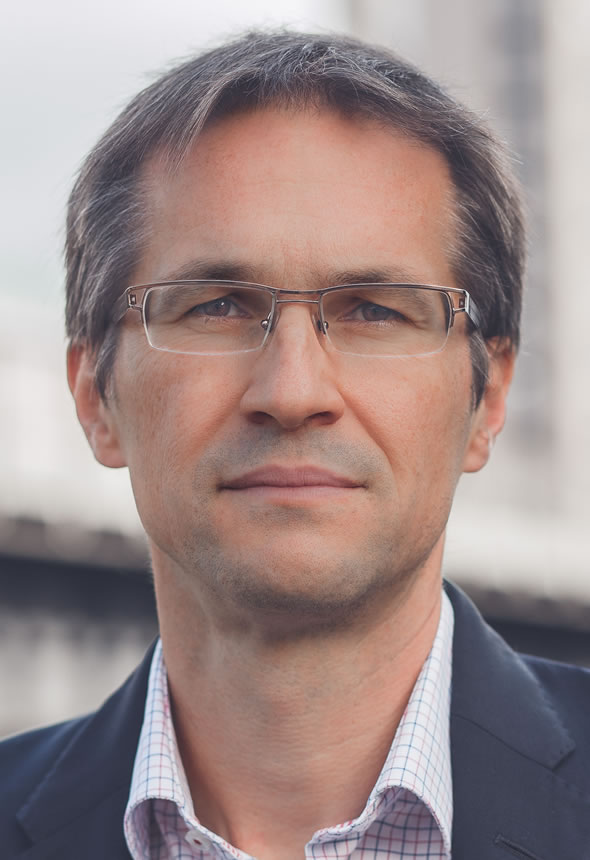
Sylvie Goulard, Gerald Knaus
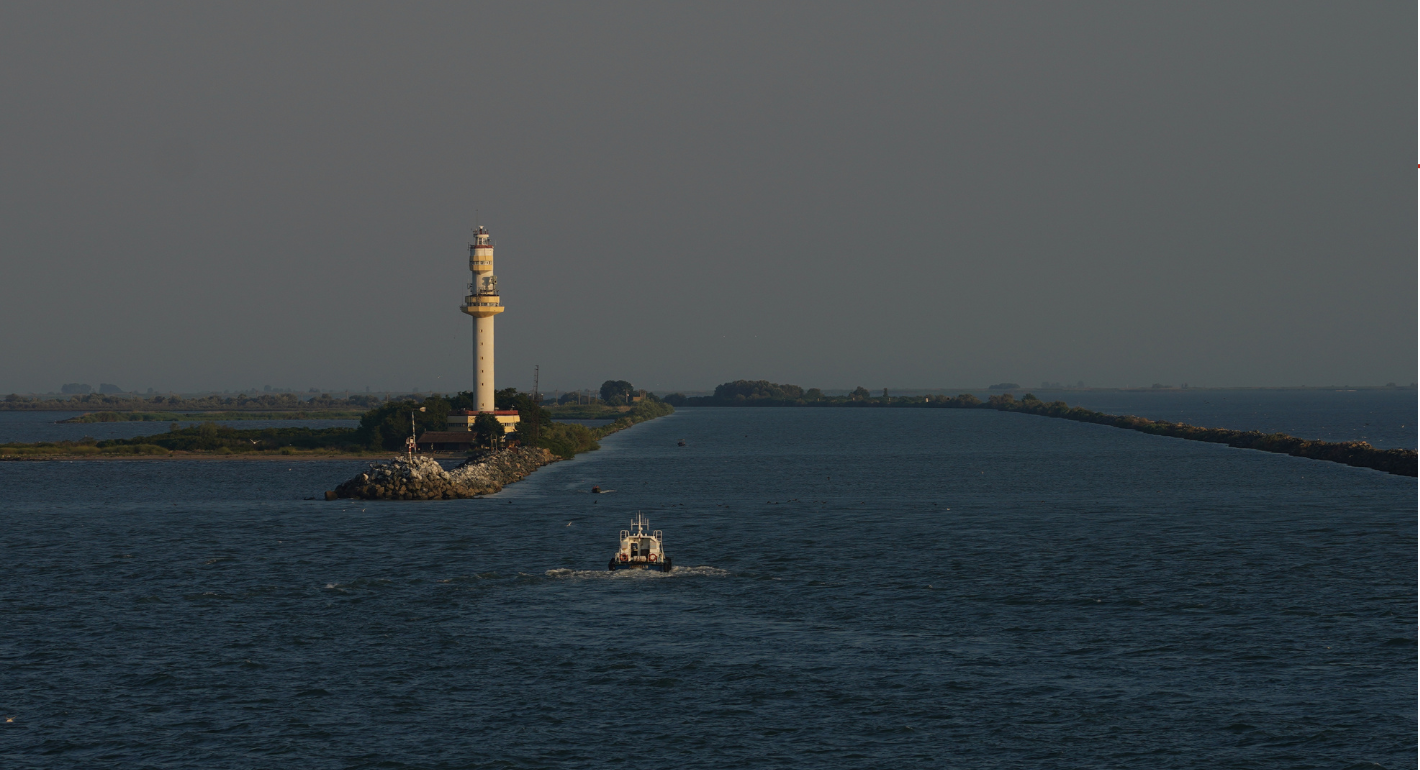
A prophetic Romanian novel about a town at the mouth of the Danube carries a warning: Europe decays when it stops looking outward. In a world of increasing insularity, the EU should heed its warning.

Thomas de Waal
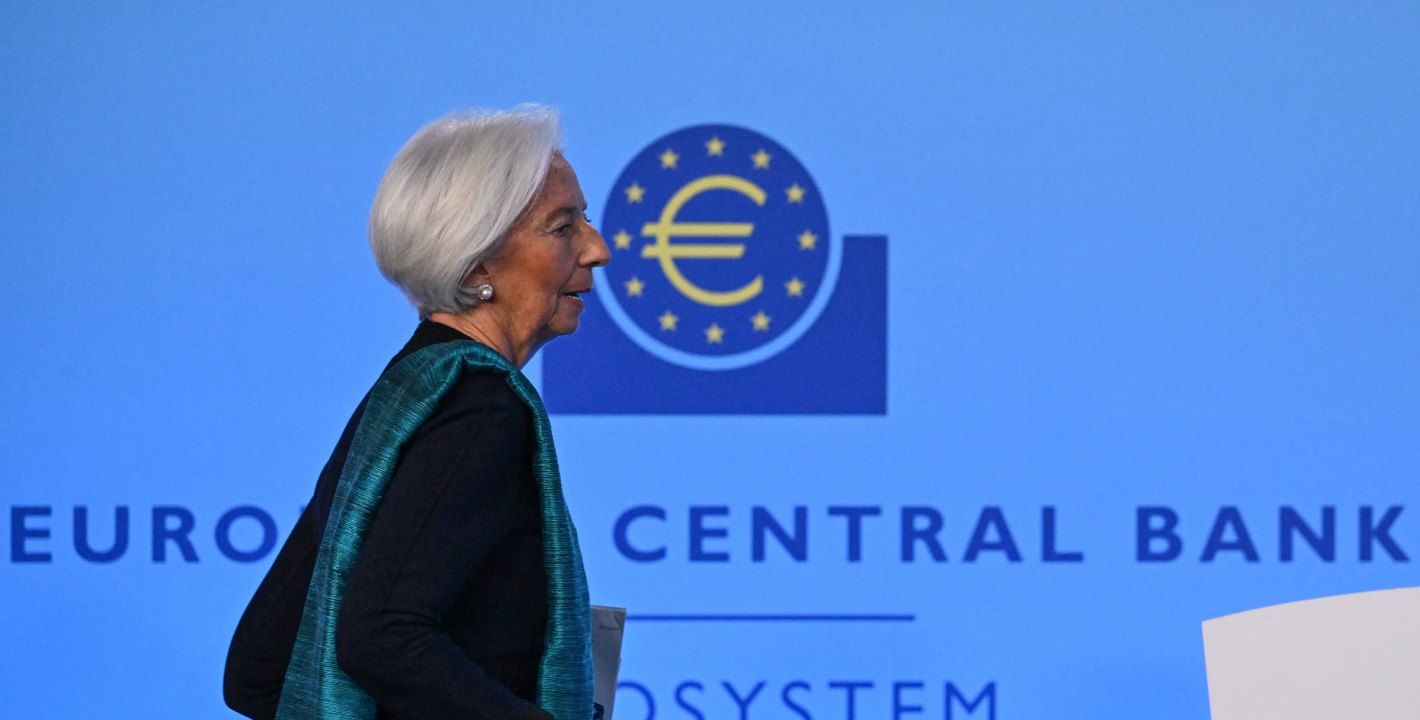
2026 has started in crisis, as the actions of unpredictable leaders shape an increasingly volatile global environment. To shift from crisis response to strategic foresight, what under-the-radar issues should the EU prepare for in the coming year?
Thomas de Waal
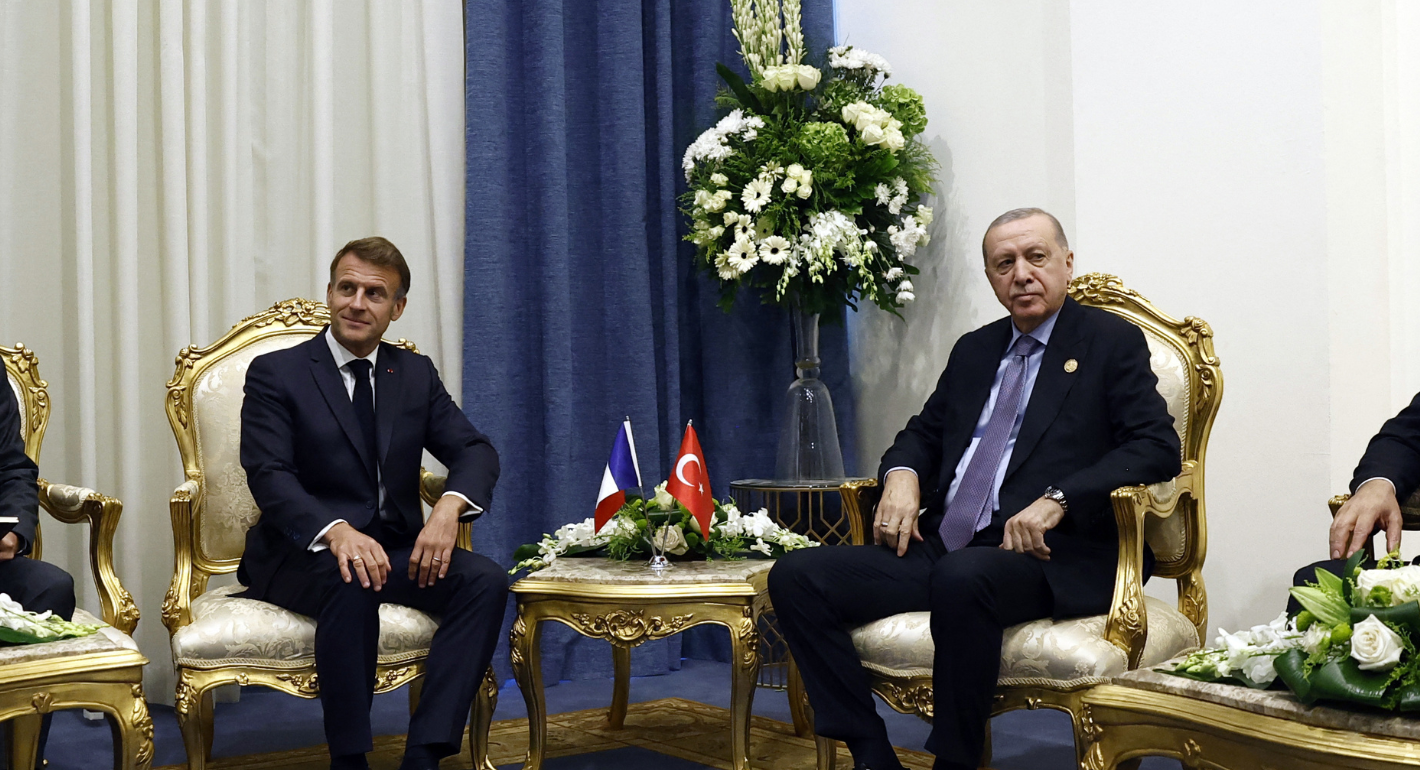
A renewal of relations between France and Turkey is vital to strengthen European strategic autonomy. To make this détente a reality, Paris and Ankara should move beyond personal friction and jointly engage with questions of Black Sea security.
Romain Le Quiniou