• Research
  • Strategic Europe
  • About
  • Experts
Carnegie Europe logoCarnegie lettermark logo
EUUkraine
  • Donate
{
  "authors": [
    "Paul Stronski"
  ],
  "type": "legacyinthemedia",
  "centerAffiliationAll": "",
  "centers": [
    "Carnegie Endowment for International Peace"
  ],
  "collections": [],
  "englishNewsletterAll": "",
  "nonEnglishNewsletterAll": "",
  "primaryCenter": "Carnegie Endowment for International Peace",
  "programAffiliation": "",
  "programs": [
    "Russia and Eurasia"
  ],
  "projects": [
    "Changing Geopolitics of Eurasia"
  ],
  "regions": [
    "Central Asia",
    "Kazakhstan"
  ],
  "topics": [
    "Political Reform"
  ]
}
In The Media

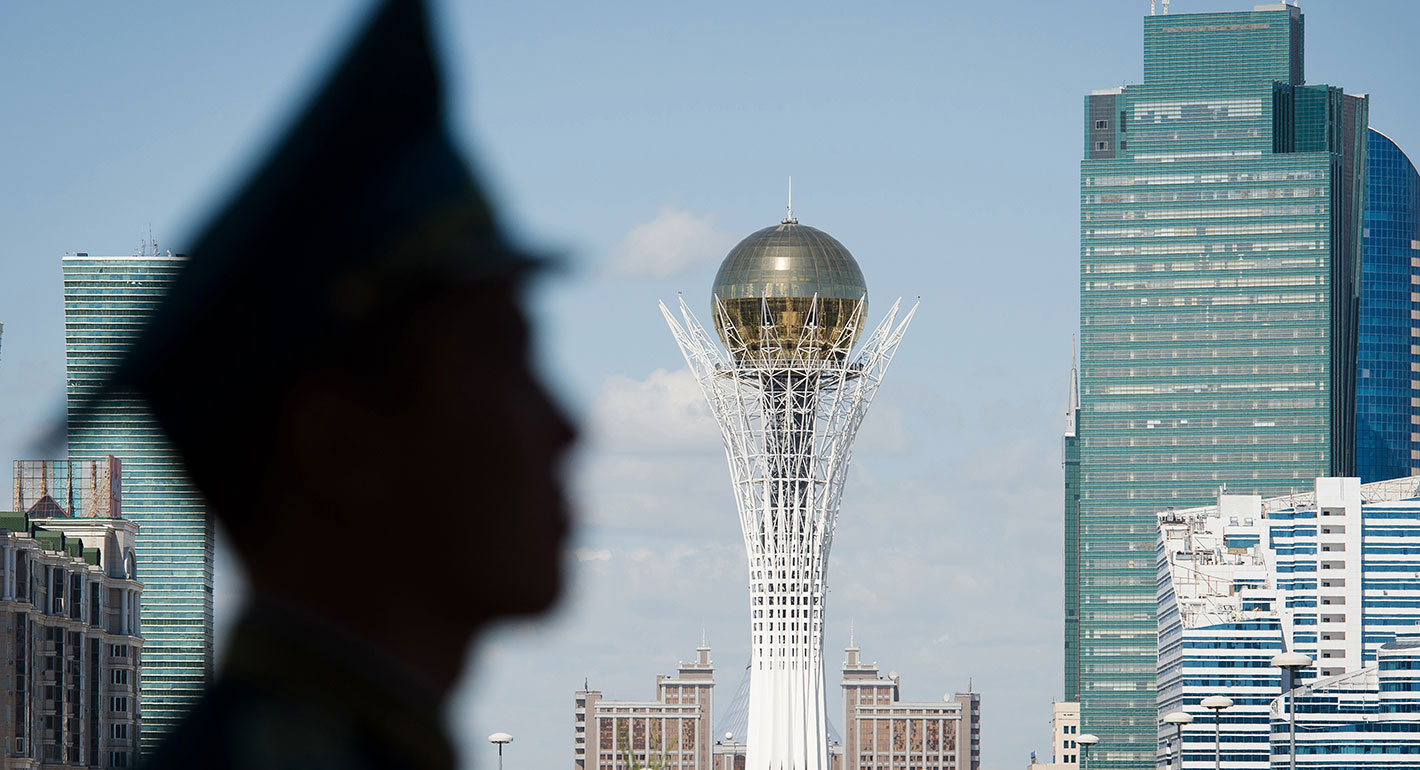
Is Kazakhstan Preparing for a Post-Nazarbayev Era?

Kazakhstan’s political system is quite opaque, so it is not clear what exactly is driving recent changes in the senior ranks of the government. What is clear, however, is that Kazakh society is growing restless, as socioeconomic problems in the country grow.

Link Copied
By Paul Stronski
Published on Sep 27, 2018
Changing Geopolitics of Eurasia

Project

Changing Geopolitics of Eurasia

Twenty-five years after the dissolution of the Soviet Union, Carnegie’s Changing Geopolitics of Eurasia project will assess the trajectories of the countries of Eastern Europe, the South Caucasus, and Central Asia. It will examine their foreign policies, evolving geopolitical environments, and implications for U.S. interests. The Changing Geopolitics of Eurasia project is supported, in part, by the Norwegian Ministry of Foreign Affairs.

Learn More

Source: World Politics Review

Since he turned 78 in July, Kazakh President Nursultan Nazarbayev has appointed a number of new ministers to his Cabinet, fueling speculation about whether he will run for another term in elections scheduled for 2020. Such speculation is not new in Kazakhstan, but given Nazarbayev’s advanced age, observers fear that without a clearly defined succession plan, the country’s stability could deteriorate. In an email interview with WPR, Paul Stronski, a senior fellow in the Russia and Eurasia Program at the Carnegie Endowment for International Peace, discusses Kazakhstan’s political outlook.

World Politics Review: What is driving Nazarbayev’s ongoing Cabinet reshuffle?

Paul Stronski: There has been a fair amount of change in the senior ranks of the Kazakh government since August, with Nazarbayev appointing a new defense minister, finance minister, head of the presidential administration, secretary of the country’s Security Council and mayor of Astana, the capital, along with several other lower-level personnel changes. In July, Nazarbayev also became chairman of the Security Council, a position he can hold for life. Recent legislative changes have transformed the Security Council from an advisory body to one with greater power to craft and implement state policy, so it truly is a government in flux. However, Kazakhstan’s political system is quite opaque, so it is not clear what exactly is driving these changes. This lack of transparency creates a robust rumor mill about the rise and fall of various Kazakh political factions, and swift changes inevitably foster speculation that Nazarbayev is preparing for succession. All of this may or may not be true. 

What is clear, however, is that Kazakh society is growing restless, as socioeconomic problems in the country grow. Floods devastated parts of Astana this summer, causing a backlash at government officials and anger about shoddy construction in a city that is just 20 years old. The commercial capital of Almaty was rocked in July by the murder of a 25-year-old figure skater, Denis Ten, who was a bronze medalist at the Sochi Olympics and one of the country’s famous sons. Ten’s murder highlighted growing social problems in the country’s rapidly urbanizing areas, including rising crime, disenfranchised urban poor, growing wealth gaps and a lack of public faith in the police. To make matters worse, Kazakhstan’s currency, the tenge, has dropped in value by over 14 percent relative to the dollar since January, and the government is nervous about any possibility of protests. So, the Cabinet reshuffle may also be intended to show that the government is responding to these challenges, although there are no quick fixes to the country’s problems...

Read Full Text

This article was originally published by World Politics Review.

Paul Stronski
Former Senior Fellow, Russia and Eurasia Program
Paul Stronski
Political ReformCentral AsiaKazakhstan

Carnegie does not take institutional positions on public policy issues; the views represented herein are those of the author(s) and do not necessarily reflect the views of Carnegie, its staff, or its trustees.

More Work from Carnegie Europe

  • Commentary
    Strategic Europe
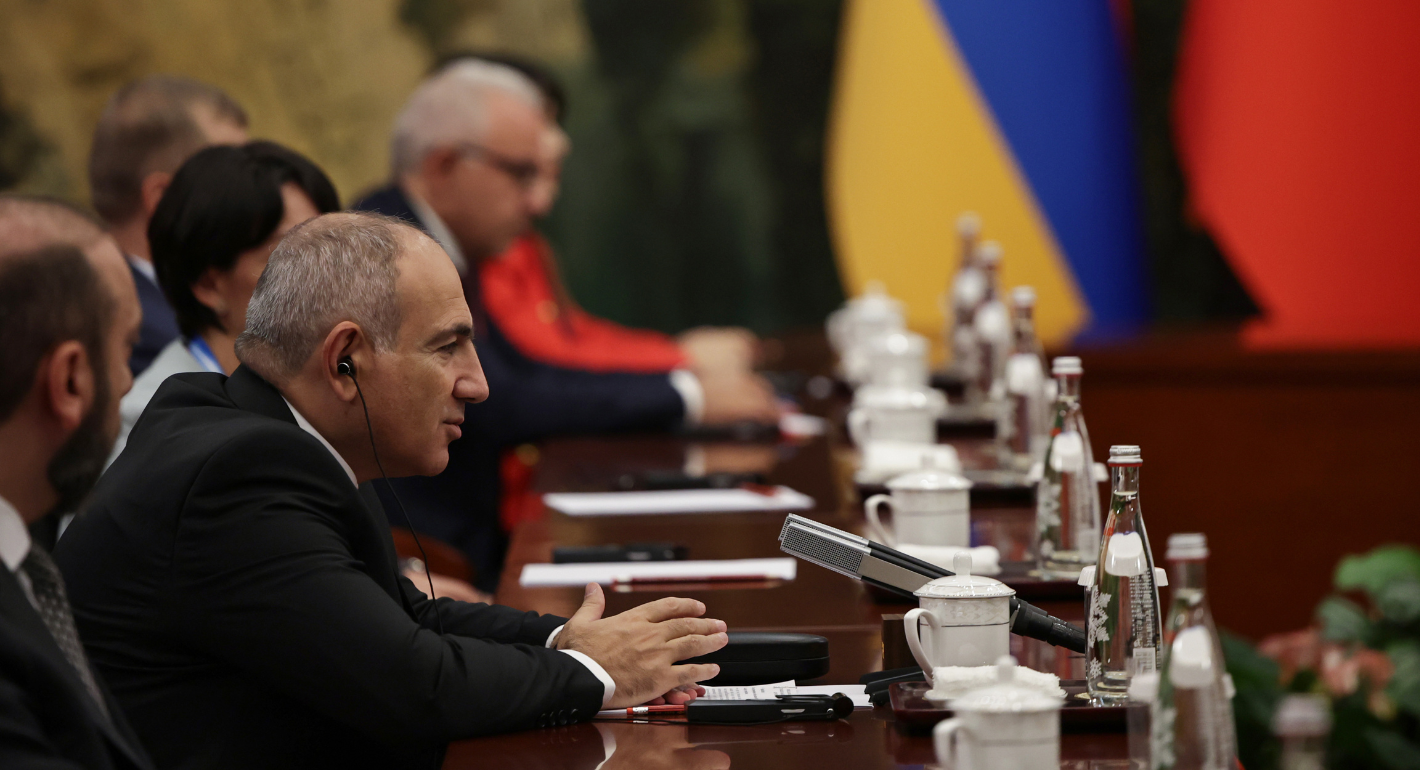
    Armenia’s Election Is a Foreign Affair

    As the 2026 Armenian election approaches, Prime Minister Nikol Pashinyan is facing fierce opposition from both Russia and the diaspora. He will need the help of Europe, the United States, and regional neighbours to advance his ambitious foreign policy. 

      Thomas de Waal

  • Moldova Election Russia Europe
    Article
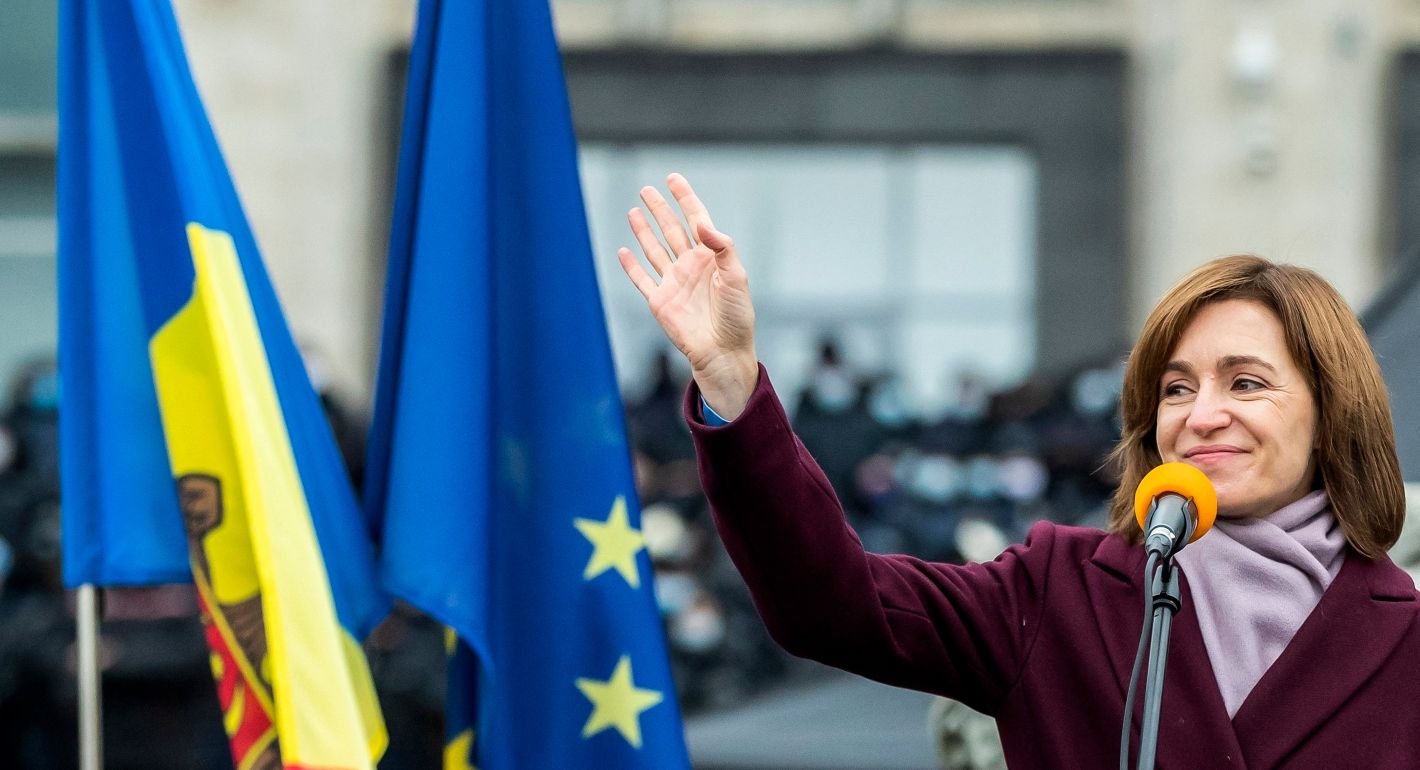
    Moldova’s Election Is a Test for Russian Influence in Europe

    Moldova’s parliamentary election is make-or-break for the country’s European future. The outcome will test whether Chișinău will stay on the EU accession path or fall prey to Russia’s multi-domain interference campaign.

      Oana Popescu-Zamfir

  • Meloni - Trump - Far right - Italy - US - Populism
    Paper
    The European Radical Right in the Age of Trump 2.0

    Europe’s radical-right parties felt empowered by Trump’s return to the White House, but their ability to reshape politics is constrained by divisions and a lack of vision. Pro-EU political forces can still forge the bloc’s future if they stop chasing the radical right.

      Rosa Balfour, Stefan Lehne, Elena Ventura

  • The EU Needs Values-Based Engagement in the Southern Mediterranean
    Commentary
    Strategic Europe
    The EU Needs Values-Based Engagement in the Southern Mediterranean

    As the EU prepares a new pact for its Southern neighborhood, the union should balance economic and security interests with support for civil society, political reforms, and inclusive governance.

      • Hussein Baoumi headshot

      Hussein Baoumi

  • Democracy tech citizenship
    Paper
    Rethinking EU Digital Policies: From Tech Sovereignty to Tech Citizenship

    The EU’s pursuit of tech sovereignty has often sidelined the role of democracy in the digital sphere. The union should adopt a tech citizenship strategy that promotes citizen engagement, democratic innovation, and accountability.

      Richard Youngs

Get more news and analysis from
Carnegie Europe
Carnegie Europe logo, white
Rue du Congrès, 151000 Brussels, Belgium
  • Research
  • Strategic Europe
  • About
  • Experts
  • Projects
  • Events
  • Contact
  • Careers
  • Privacy
  • For Media
  • Gender Equality Plan
Get more news and analysis from
Carnegie Europe
© 2026 Carnegie Endowment for International Peace. All rights reserved.