

Commentary
As European leadership prepares for the sixteenth EU-India Summit, both sides must reckon with trade-offs in order to secure a mutually beneficial Free Trade Agreement.
Dinakar Peri
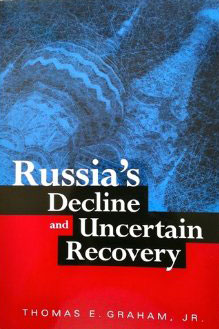
The precipitous decline of Russian power and influence in the world may stand as the most significant development for international relations of the last quarter of the 20th century. Never in modern history has a great power fallen so far so fast during peacetime.
Source: Washington, DC: Carnegie Endowment for International Peace, 2002
The precipitous decline of Russian power and influence in the world may stand as the most significant development for international relations of the last quarter of the 20th century. Never in modern history has a great power fallen so far so fast during peacetime. This decline initially brought the four-decades-long Cold War to a hasty, unexpected conclusion, and subsequently the Russian state and people have experienced a traumatic decade of chaos and widespread impoverishment that can be compared with the Time of Troubles at the turn of the 17th century or the Bolshevik Revolution and ensuing civil war in the early 20th century.
In this monograph, Thomas E. Graham, Jr., clearly and succinctly analyzes the sources of Russia's decline during the Soviet period and the dangerous fragmentation and erosion of state power in Russia during the 1990s. In finding roots in Russian history for the oligarchic regime of the Yeltsin years and the increasingly authoritarian characteristics of the Putin regime, he challenges the appropriateness of the transition paradigm for what has emerged in Russia during the past ten years. According to Graham, whether Russia will achieve sustainable economic growth, political stability, and renewed international influence remains an open question.
About the Author
Thomas E. Graham, Jr. is associate director of the Policy Planning Staff at the Department of State. He was previously a senior associate in the Russian and Eurasian Program of the Carnegie Endowment for International Peace, where he undertook a two-year project on the fragmentation of Russia that resulted in this monograph.
Carnegie does not take institutional positions on public policy issues; the views represented herein are those of the author(s) and do not necessarily reflect the views of Carnegie, its staff, or its trustees.
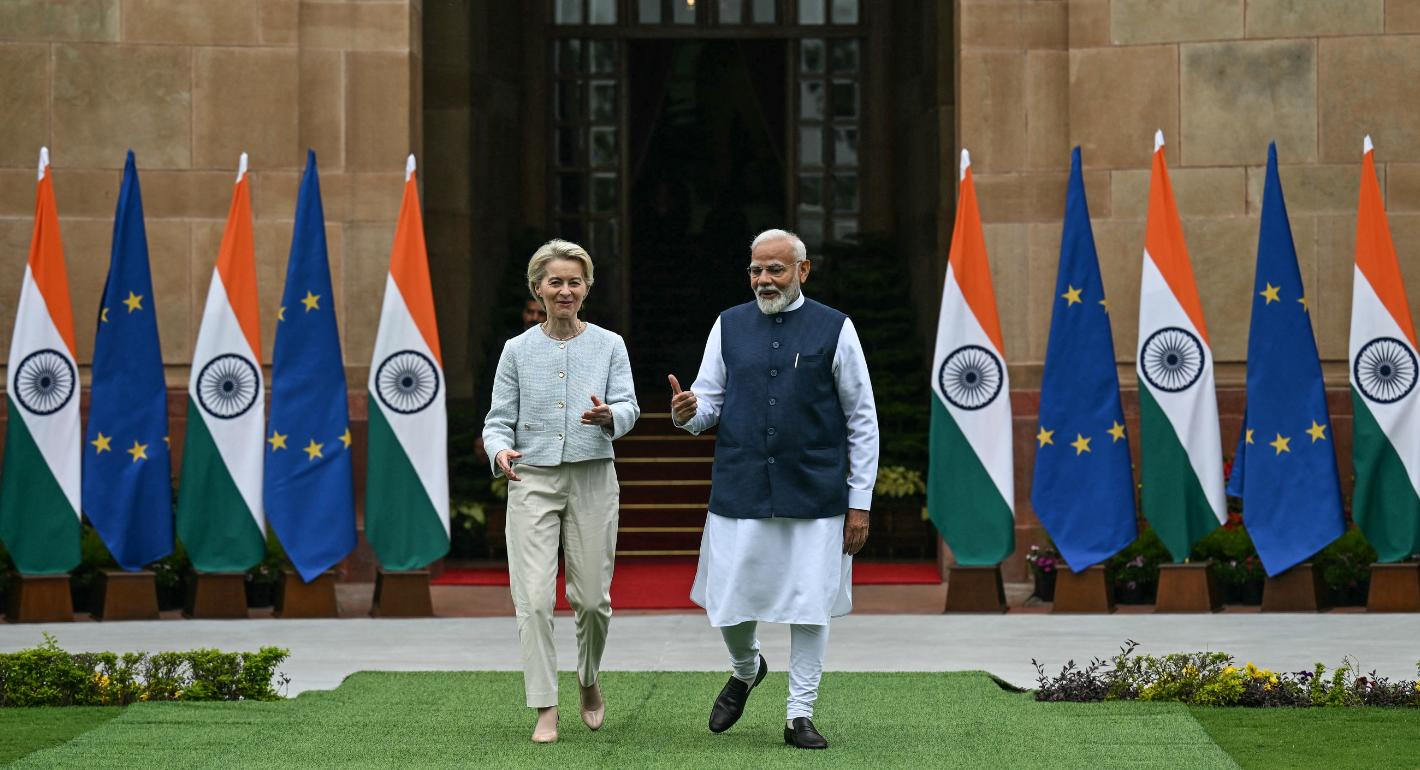
As European leadership prepares for the sixteenth EU-India Summit, both sides must reckon with trade-offs in order to secure a mutually beneficial Free Trade Agreement.

Dinakar Peri
2026 has started in crisis, as the actions of unpredictable leaders shape an increasingly volatile global environment. To shift from crisis response to strategic foresight, what under-the-radar issues should the EU prepare for in the coming year?
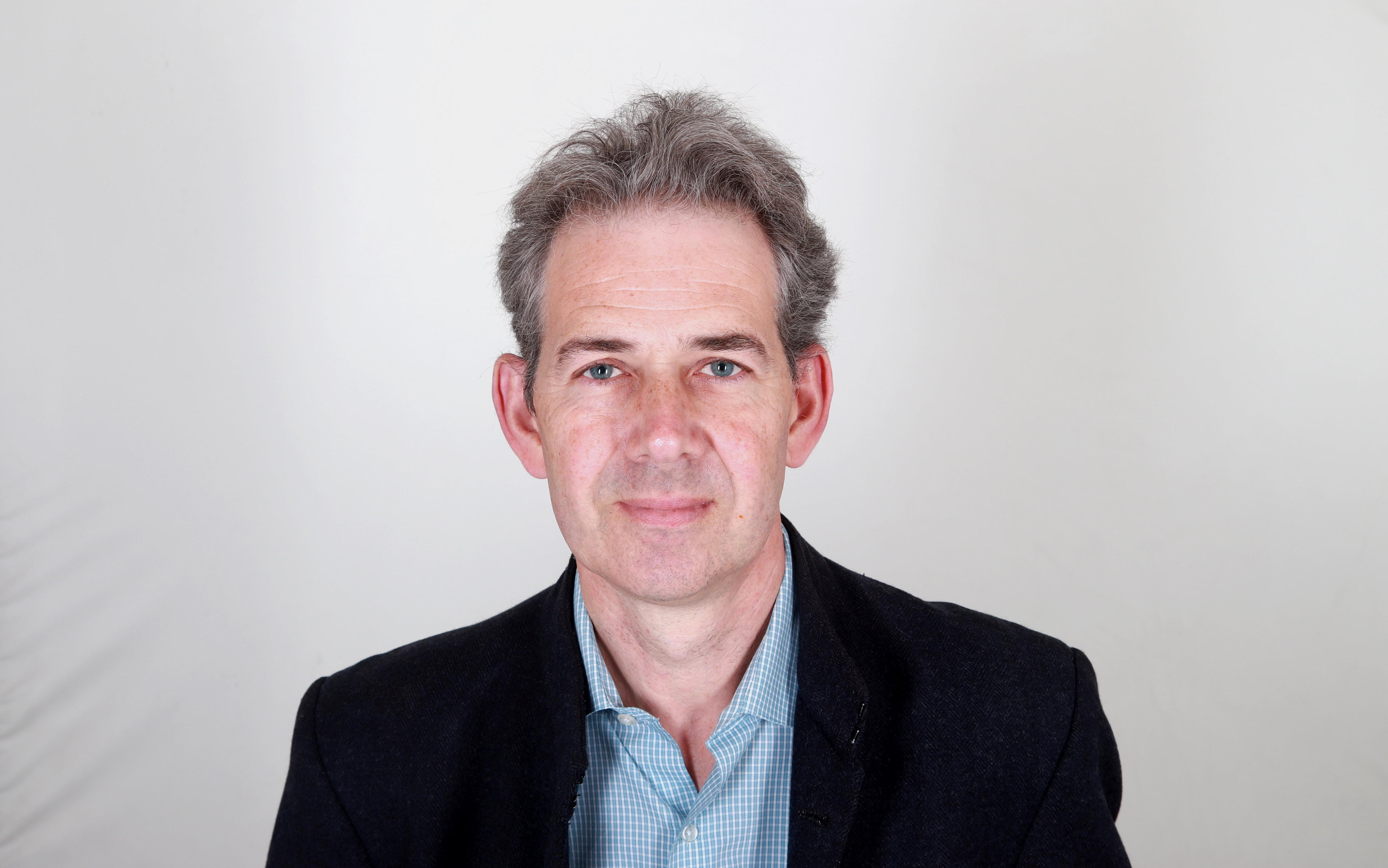
Thomas de Waal
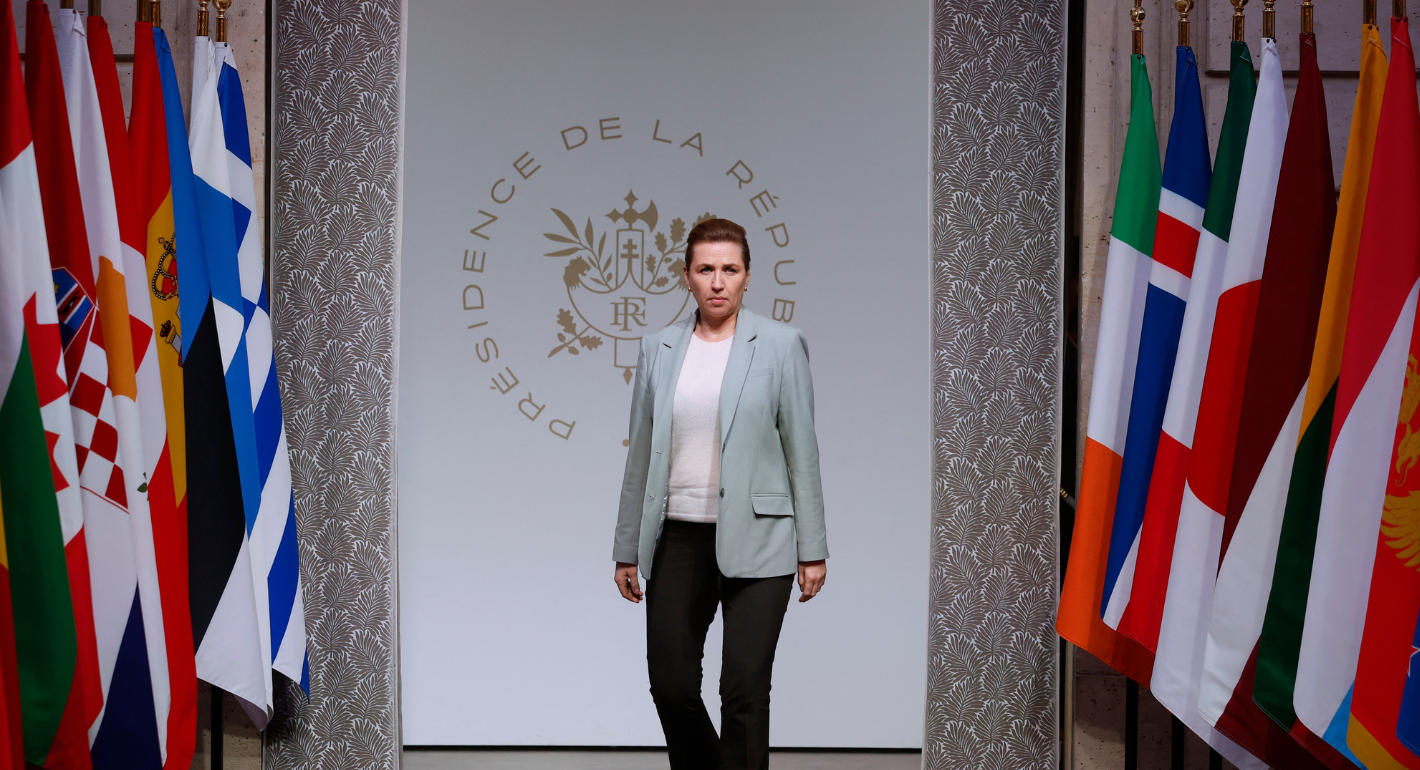
Europe is designing a new model of collective security that no longer relies on the United States. For this effort to succeed, solidarity between member states that have different threat perceptions is vital.

Erik Jones
In Donald Trump’s second term in office, the transatlantic relationship that helped define the postwar European project and global order appears broken. Is it time for Brussels to chart its own path?


Nathalie Tocci, Jan Techau
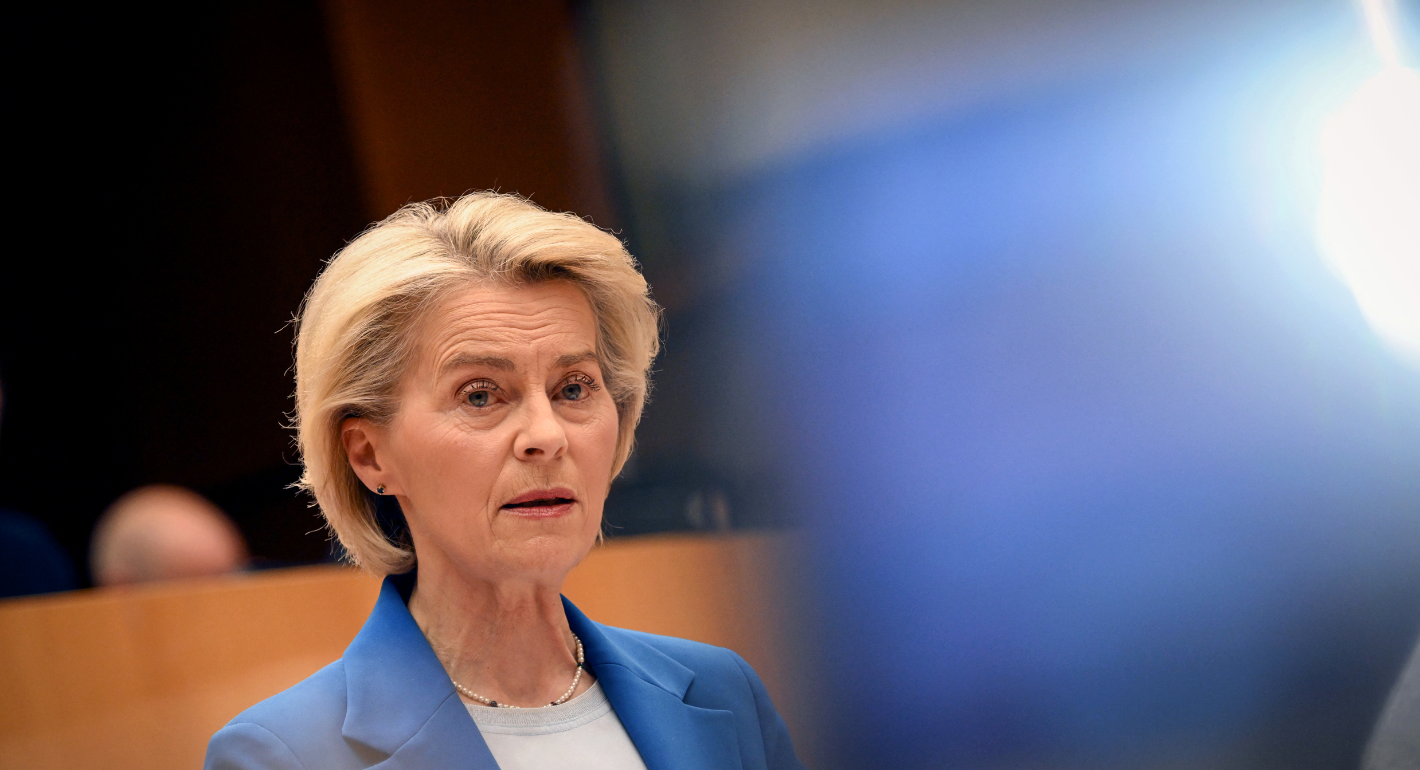
Beset by an increasingly hostile United States, internal divisions, and the threat of Russian aggression, the EU finds itself in a make-or-break moment. U.S. President Donald Trump calls it a decaying group of nations headed by weak leaders. Is Europe able to prove him wrong?
Thomas de Waal