

Commentary
Michael Young
{
  "authors": [
    "Michael Young"
  ],
  "type": "commentary",
  "blog": "Diwan",
  "centerAffiliationAll": "",
  "centers": [
    "Malcolm H. Kerr Carnegie Middle East Center"
  ],
  "englishNewsletterAll": "",
  "nonEnglishNewsletterAll": "",
  "primaryCenter": "Malcolm H. Kerr Carnegie Middle East Center",
  "programAffiliation": "",
  "regions": [
    "United States",
    "Iran",
    "Israel"
  ],
  "topics": [
    "Foreign Policy"
  ]
}

Source: Getty
A coalition of states is seeking to avert a U.S. attack, and Israel is in the forefront of their mind.
Reports on February 2 that Türkiye and Qatar, with the collaboration of Russia and Egypt, had managed to delay a U.S. attack against Iran, brought out into the full light of day the new geopolitical moment in which we find ourselves in the Middle East.
The Trump administration’s demands of Iran have been primarily focused on two things, dismantling its nuclear program and limiting its ballistic missile arsenal. In an effort to avert a conflict, the Turks and Qataris have reportedly put together the contours of an accord that would involve direct contact between President Donald Trump and Iranian President Massoud Pezeshkian, albeit online, followed by negotiations between U.S. envoy Steve Witkoff and an Iranian delegation that would address a range of topics, including the nuclear standoff, Iranian missiles, Iran’s regional allies, and even, it seems, Tehran’s hydrocarbons exports. Russia may be brought into to the deal to enrich Iranian uranium outside Iran, under supervision.
Regardless of what happens, something much broader is taking shape, representing a fundamentally new moment in the region. One has to go back a few years to grasp the geopolitical context in which we find ourselves today. When the United States began disengaging from the Middle East under Barack Obama, both the president and U.S. foreign policy elites had to think of what would replace it. In an interview with the Atlantic in April 2016, during his last year in office, Obama revealed his thinking when he outlined that he would have liked to see an understanding between Saudi Arabia and Iran, and their respective partners, showing that they could find “an effective way to share the neighborhood and institute some sort of cold peace.” In other words, he hoped for the foundations of a balance of power.
Yet this vision clashed with that of Israel and its supporters in the United States. They, rightly, understood that the president sought to acknowledge an Iranian stake in the Middle East, which meant recognizing its influence in countries throughout the region. They also correctly assumed that the nuclear deal his administration had concluded with Tehran was the door through which U.S.-Iranian normalization could take place. This was unacceptable to Israel, and it worked hard, with its advocates in Washington, to undermine the agreement. This succeeded when Donald Trump pulled out of the so-called Joint Comprehensive Plan of Action in May 2018.
Near the end of his first term, Trump opted for an alternative approach to U.S. disengagement from the Middle East, that of affirming and abetting Israeli paramountcy. His path to guaranteeing such an outcome was the so-called Abraham Accords of 2020, which would anchor Israeli domination through peace agreements with Arab states that entirely sidestepped the Palestinian problem or continued Israeli occupation of Arab lands. Nor was this solely a Republican aspiration; it had bipartisan backing in Washington, and when Joe Biden came to office, he tried to add icing on the cake by persuading Saudi Arabia to join the accords. He also took measures to shore the accords up with economic initiatives, such as the formation of the I2U2 Group and the proposal to establish an India-Middle East Corridor.
Under both Trump and Biden, then, the replacement for U.S. disengagement was to prepare the Middle East for a U.S.-sponsored Pax Israelica to fill the void. At no time was this clearer than after the outbreak of the war in Gaza in 2023, when the Biden administration went all the way in supporting Israel against what was perceived to be an Iranian challenge. The Americans armed Israel unconditionally, despite the fact that its systematic violations of human rights legally prevented the U.S. from doing so. Throughout the Gaza war, not only did the United States bypass Congress several times to transfer weapons to Israel, it also helped the Israelis in targeting the strip, opposed all legal avenues to hold Israeli officials accountable, and helped set up a so-called humanitarian body that systematically killed starving Palestinians while trying to concentrate them in a corner of Gaza as a prelude to pushing them out of the territory.
This U.S. investment in Israel went much further than just bolstering an ally. What was very visible after October 2023 was the extent to which Israel’s interpretations of geopolitical realities in the Middle East was adopted by U.S. policymakers and representatives. Under the ceasefire terms for Gaza prepared by Trump in October 2025, for example, a resolution of the Palestinian issue was relegated to brief boilerplate mentions. Similarly, under Biden, agreements tilted strongly in Israel’s favor. For example, the ceasefire agreement with Lebanon in November 2024 was no more than a ceasefire imposed on one side, which Israel continues to violate almost daily. The United States also later supported Israel in its longstanding efforts to eliminate the United Nations Interim Force in Lebanon, giving it greater latitude to act freely in Lebanon without the hindrance of an international force reporting on its behavior.
Perhaps the ultimate sign of the extent of Israeli influence over U.S. policy in the region was Israel’s success in drawing the Americans into an attack on Iran in June 2025. And when the Iranians began adapting their missile launches to dwindling Israeli air defenses during the conflict, causing major devastation in Israeli cities, it was the United States that swiftly intervened to enforce a ceasefire with Iran. This explains why Prime Minister Benjamin Netanyahu was so keen to secure U.S. approval of new hostilities with Iran when he visited Washington last December. He’s dead set on destroying Iran’s ballistic missile capacity.
Israel’s success in defining the U.S. agenda in the Middle East is now generating blowback. A major sign of Israeli hubris was Netanyahu’s decision to bomb the Hamas offices in Doha last September. While Trump claimed he was unaware of Israel’s plans, for many of the Gulf states the strike called into question their alliance with the United States, which failed to protect them against a more aggressive Israel. To a country like Saudi Arabia, for example, it makes much more sense today to join a partnership of states that contains Israel than to rely on a United States facilitating Israeli regional hegemony and forcing this on other states.
Such thinking is now widespread in the region, as Türkiye, Egypt, Qatar, Iran, and even Pakistan are allies of circumstance in their shared aim of restraining a U.S.-supported Israel. Recently, Türkiye and Saudi Arabia together pushed back against an Israeli desire to see Syria fragmented along ethnosectarian lines by supporting a Syrian government offensive in the north and northeast against the Kurds. Similarly, Saudi Arabia, by intervening militarily in southern Yemen, affirmed it was unwilling to allow Israel and the United Arab Emirates to have de facto sway over the Bab al-Mandab passage into the Red Sea. There have also been reports that Türkiye, Saudi Arabia, and Pakistan are exploring forming a defense pact, a primary (if implicit) objective of which would be to thwart Israeli regional hegemony.
This alignment is now trying to prevent a U.S. attack on Iran that, in its members’ eyes, would only strengthen Israel, aside from causing great regional instability. That is not to say that Saudi Arabia, Türkiye, and Iran are everlasting allies; far from it. Circumstances may change. But today they all have a mutual interest in maintaining a status quo that cannot turn in Israel’s favor, especially with the United States so often willing to ratify Israeli priorities.
Israel’s advantages in this game are limited. Against the Israeli preference for fragmentation, countries such as Türkiye, Saudi Arabia, and Egypt favor unified states under single identifiable authorities. However, the Israelis do have one thing in their favor: an eternally receptive ear in Washington. For now, they cannot be happy with the delay in the U.S. attack on Iran, but that doesn’t mean they will not keep trying to push for this. Israel’s rivals may have momentarily won the battle in stalling a U.S. attack, but the war is far from over.

Editor, Diwan, Senior Editor, Malcolm H. Kerr Carnegie Middle East Center
Michael Young is the editor of Diwan and a senior editor at the Malcolm H. Kerr Carnegie Middle East Center.
Recent Work
Michael Young
Michael Young
Carnegie does not take institutional positions on public policy issues; the views represented herein are those of the author(s) and do not necessarily reflect the views of Carnegie, its staff, or its trustees.
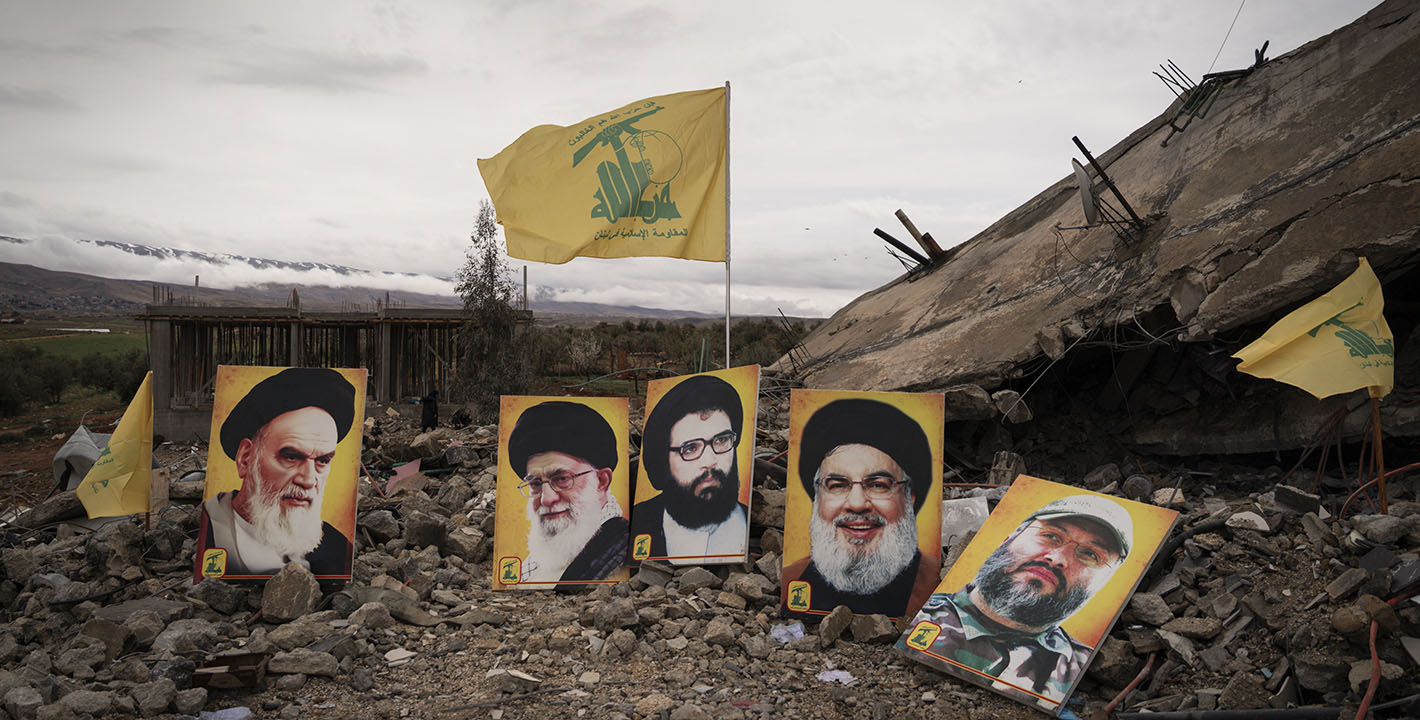
The party’s objectives involve tying together the Lebanese and Iranian fronts, while surviving militarily and politically at home.
Mohamad Fawaz
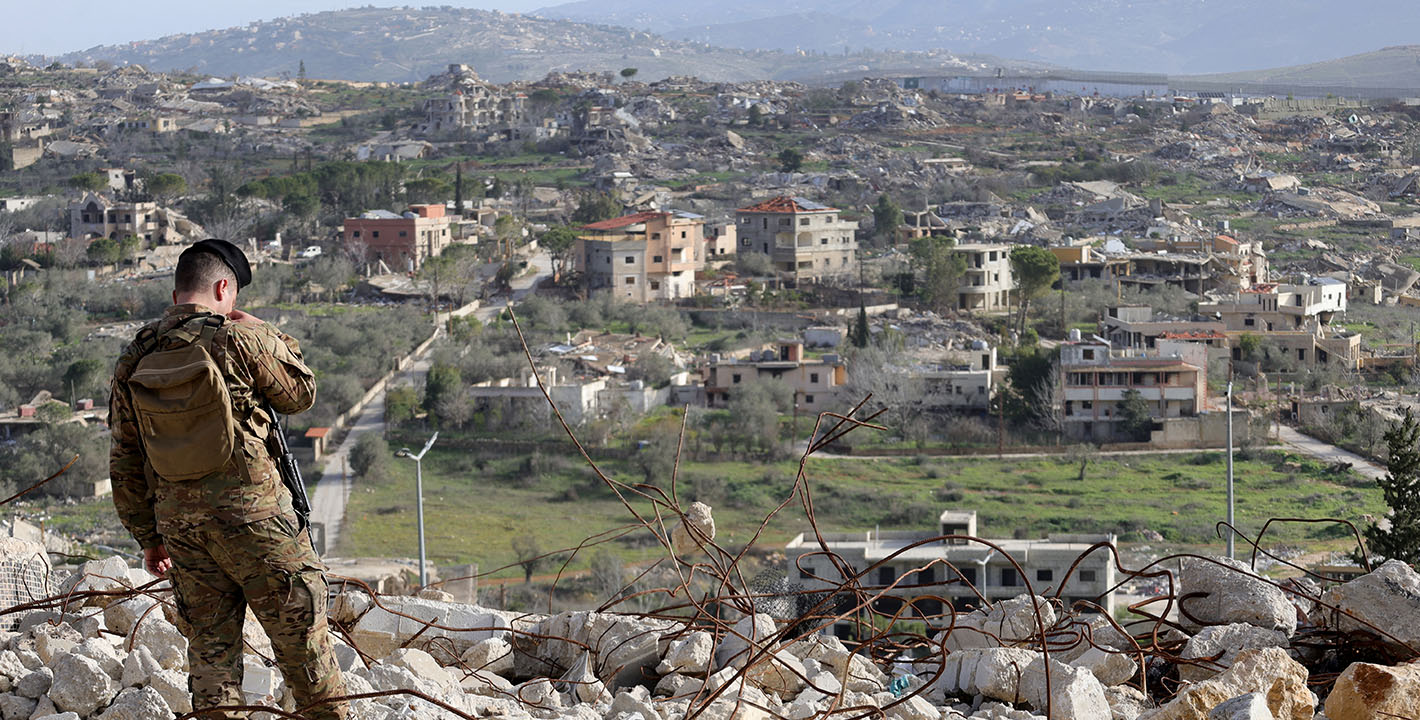
While armed forces commander Rudolph Haykal’s caution is understandable, he is in a position to act, and must.
Michael Young
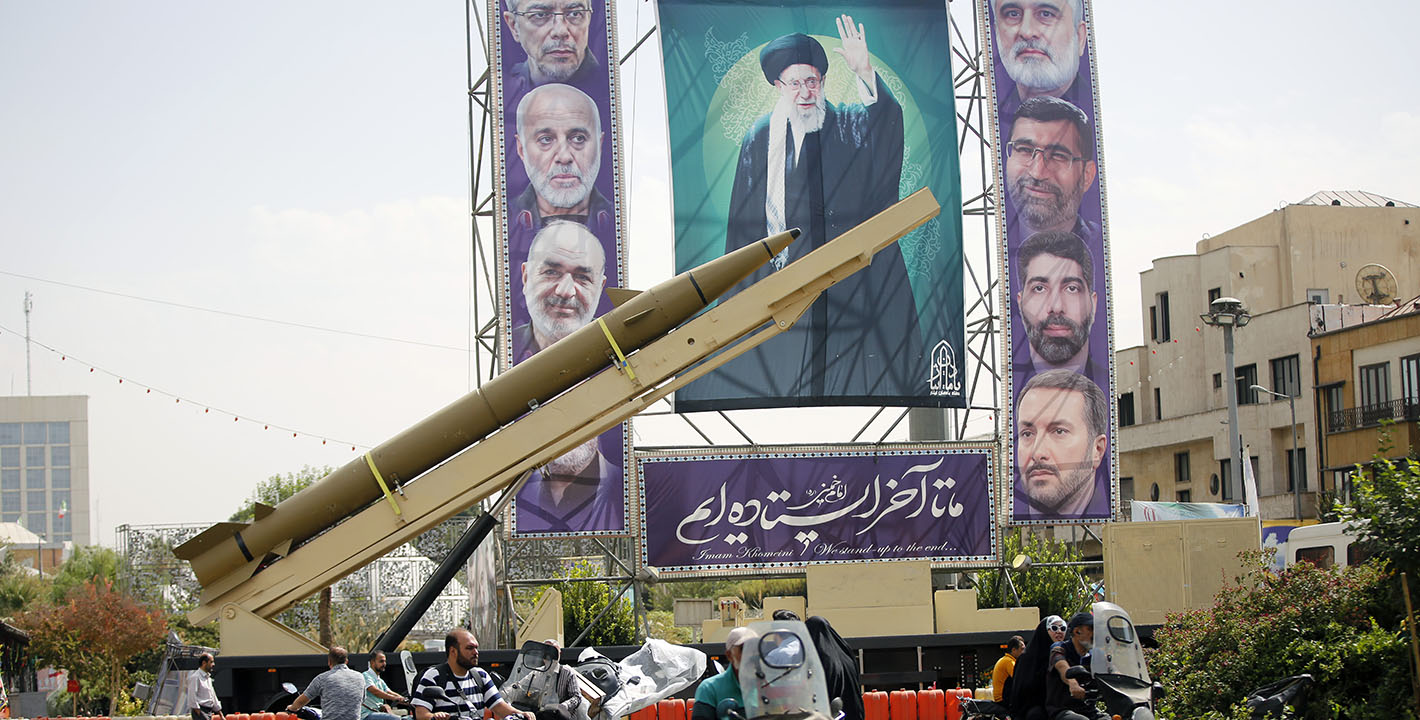
In an interview, Hamidreza Azizi discusses how Tehran has adapted in real time to the conflict with the United States and Israel.
Michael Young
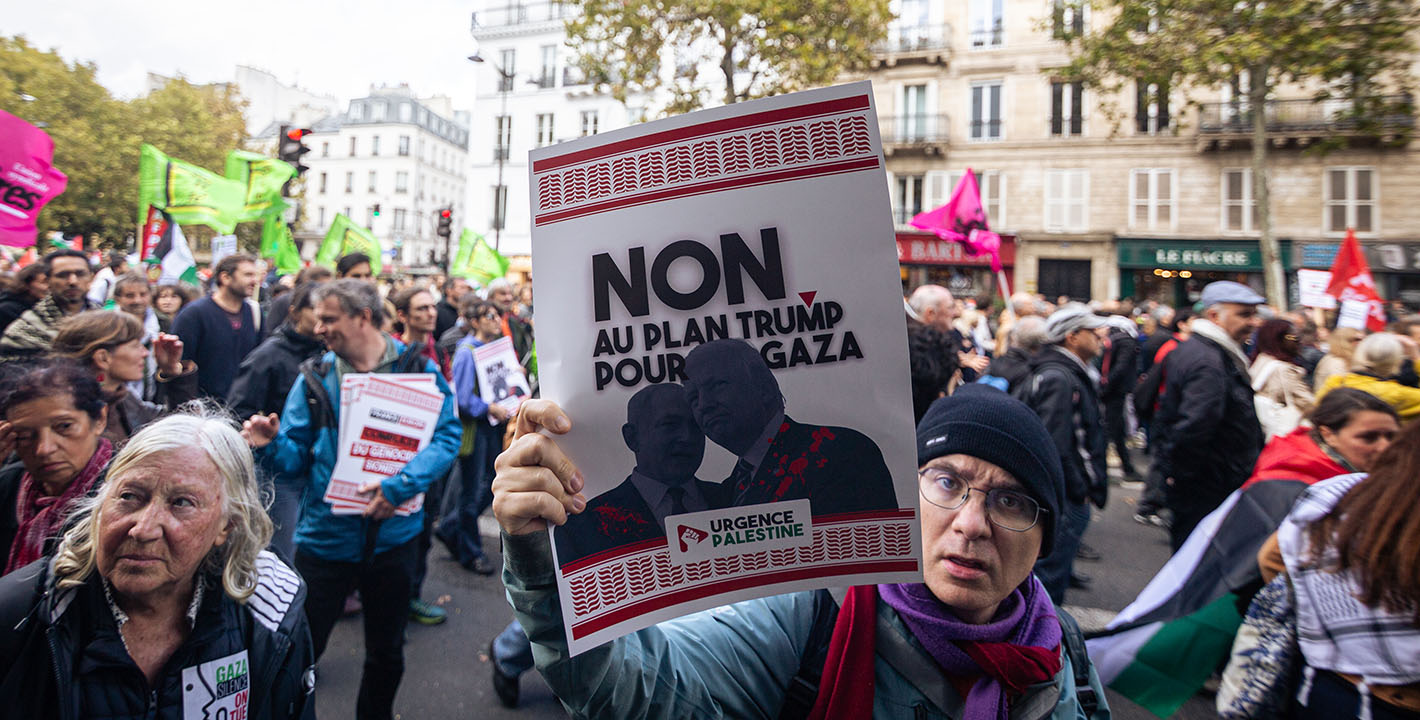
The simple conclusion is that the scheme will bring neither peace nor prosperity, but will institutionalize devastation.

Nathan J. Brown
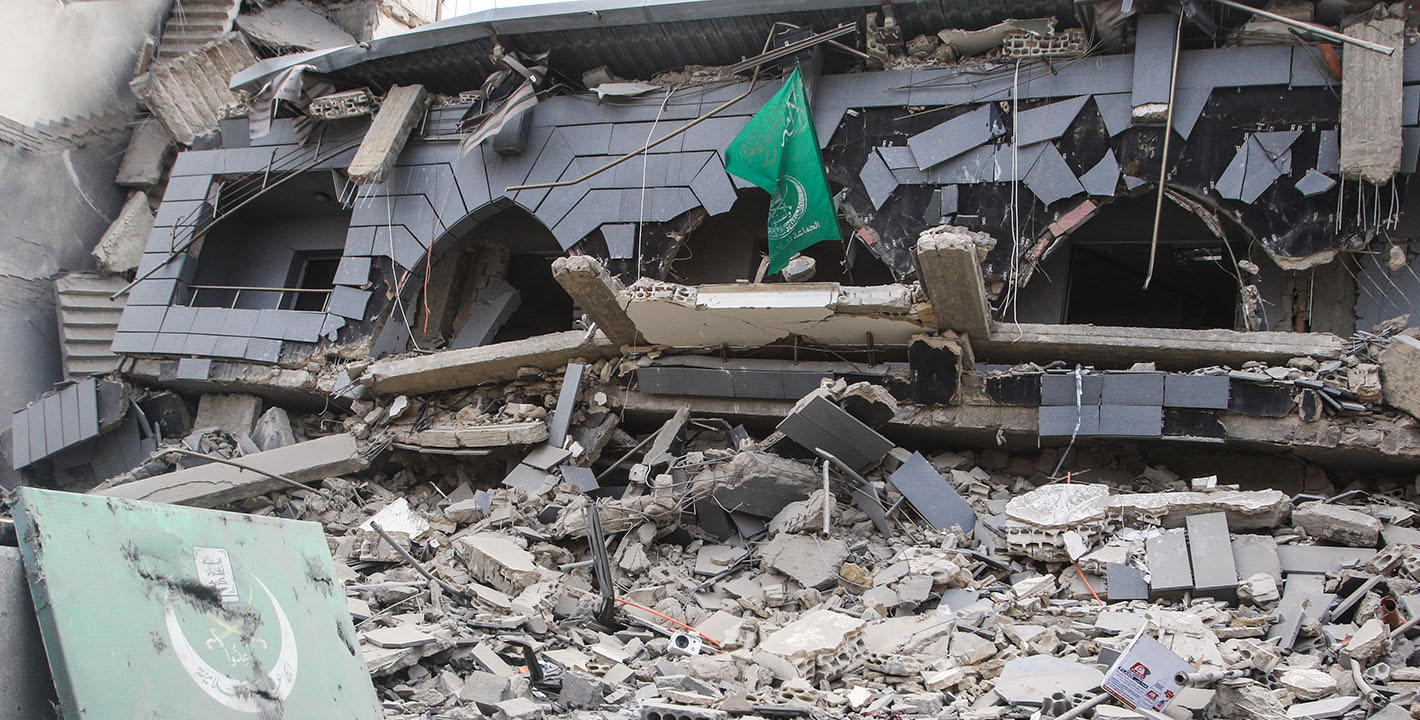
The Jamaa al-Islamiyya is the local Lebanese dimension of a broader struggle involving rival regional powers.

Issam Kayssi