• Research
  • Diwan
  • About
  • Experts
Carnegie Middle East logoCarnegie lettermark logo
PalestineSyria
{
  "authors": [],
  "type": "other",
  "centerAffiliationAll": "",
  "centers": [
    "Carnegie Endowment for International Peace",
    "Malcolm H. Kerr Carnegie Middle East Center"
  ],
  "collections": [],
  "englishNewsletterAll": "",
  "nonEnglishNewsletterAll": "",
  "primaryCenter": "Carnegie Endowment for International Peace",
  "programAffiliation": "",
  "programs": [],
  "projects": [],
  "regions": [
    "Egypt",
    "Gulf",
    "Levant",
    "Maghreb"
  ],
  "topics": [
    "Political Reform",
    "Security",
    "Economy"
  ]
}
Other

Carnegie Middle East Center Ranked Leading Think Tank in Middle East

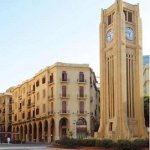
The Carnegie Middle East Center, based in Beirut, was ranked "first among the 273 think tanks in the Middle East and North Africa" for 2009 in a study of the world's 6,305 think tanks. Established only three years ago, the Center was also named among "the best five new think tanks in the world."
Link Copied
Published on Feb 12, 2010
The Carnegie Middle East Center, based in Beirut, was ranked "first among the 273 think tanks in the Middle East and North Africa" for 2009 in a study of the world's 6,305 think tanks. Established only three years ago, the Center was also named among "the best five new think tanks in the world."

The study recognized the Carnegie Endowment for International Peace's global network. The Carnegie Moscow Center was ranked first among the 517 think tanks in Central and Eastern Europe and the Washington-based Carnegie Endowment was ranked second among the 1,183 think tanks in the United States.

Paul Salem, director of the Carnegie Middle East Center, said:

"This survey result is wonderful recognition for the work of our scholars from various Arab countries and abroad; and all those who helped establish and grow the Center. I strongly believe that, in cooperation with other Middle East institutions, we can make valuable contributions to much needed political and socio-economic reform and development in the region."
Political ReformSecurityEconomyEgyptGulfLevantMaghreb

Carnegie does not take institutional positions on public policy issues; the views represented herein are those of the author(s) and do not necessarily reflect the views of Carnegie, its staff, or its trustees.

More Work from Malcolm H. Kerr Carnegie Middle East Center

  • Commentary
    Diwan
    Kurdish Nationalism Rears its Head in Syria

    A recent offensive by Damascus and the Kurds’ abandonment by Arab allies have left a sense of betrayal.


      Wladimir van Wilgenburg
  • Commentary
    Carnegie Politika
    Baku Proceeds With Caution as Ethnic Azeris Join Protests in Neighboring Iran

    Baku may allow radical nationalists to publicly discuss “reunification” with Azeri Iranians, but the president and key officials prefer not to comment publicly on the protests in Iran.
      Bashir Kitachaev
  • Commentary
    Diwan
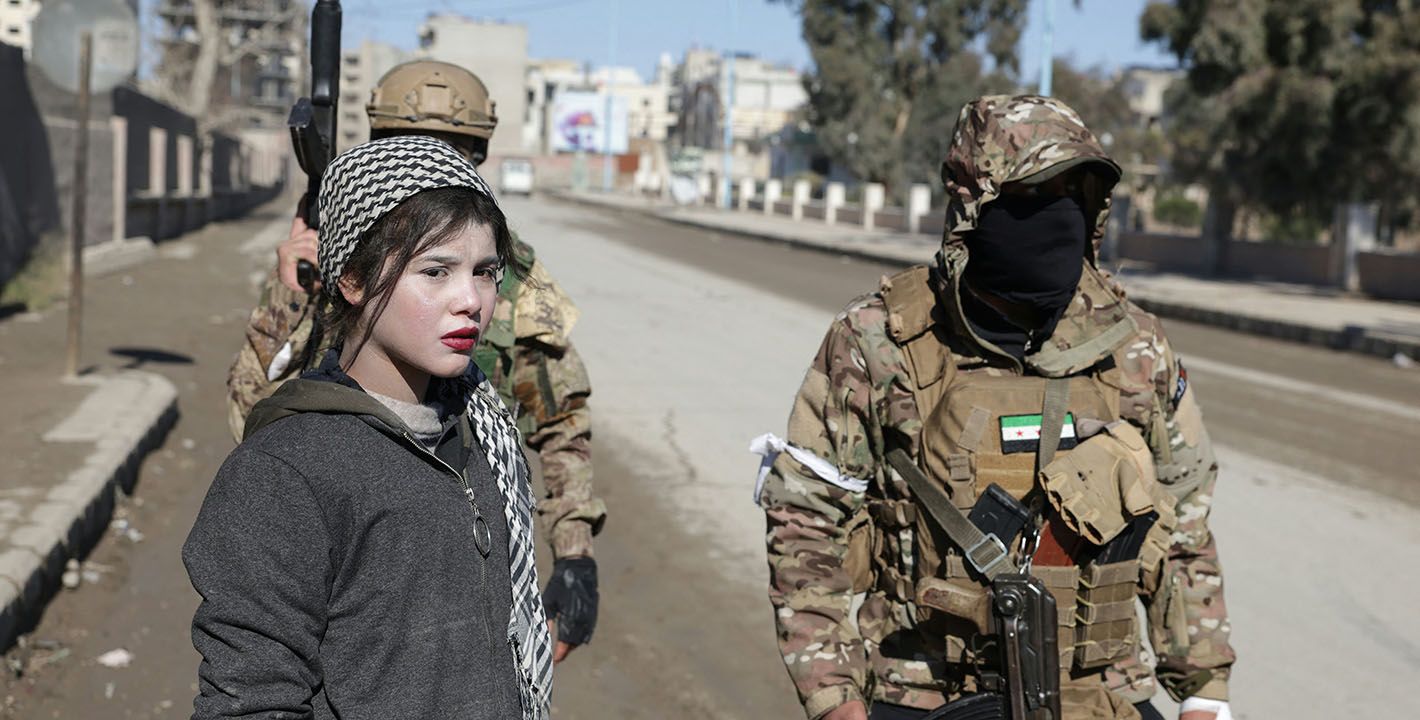
    All Eyes on Southern Syria

    The government’s gains in the northwest will have an echo nationally, but will they alter Israeli calculations?
      Armenak Tokmajyan
  • Commentary
    Diwan
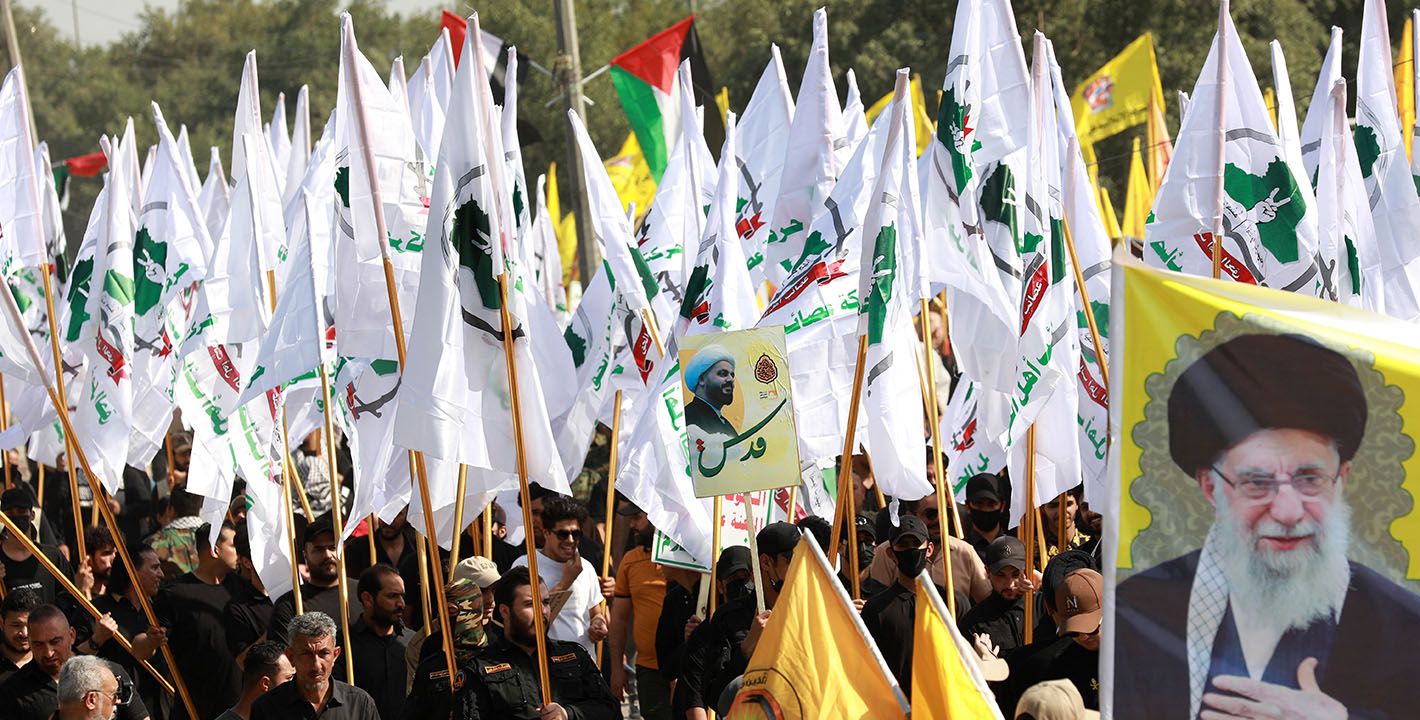
    The Hezbollah Disarmament Debate Hits Iraq

    Beirut and Baghdad are both watching how the other seeks to give the state a monopoly of weapons. 

      Hasan Hamra
  • Commentary
    Diwan
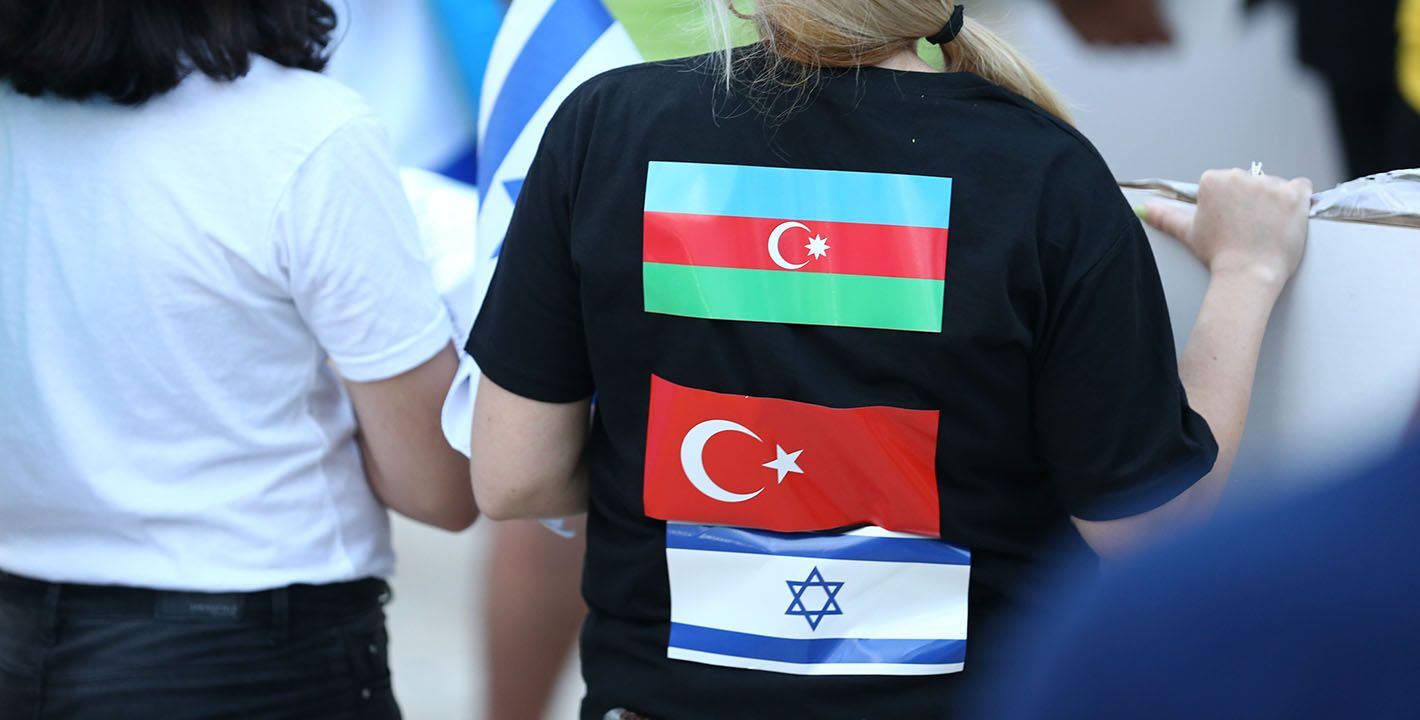
    Iran’s Woes Aren’t Only Domestic

    The country’s leadership is increasingly uneasy about multiple challenges from the Levant to the South Caucasus.

      Armenak Tokmajyan

Get more news and analysis from
Malcolm H. Kerr Carnegie Middle East Center
Carnegie Middle East logo, white
  • Research
  • Diwan
  • About
  • Experts
  • Projects
  • Events
  • Contact
  • Careers
  • Privacy
  • For Media
Get more news and analysis from
Malcolm H. Kerr Carnegie Middle East Center
© 2026 Carnegie Endowment for International Peace. All rights reserved.