

Commentary
Implementing Phase 2 of Trump’s plan for the territory only makes sense if all in Phase 1 is implemented.
Yezid Sayigh
{
  "authors": [
    "Uri Dadush"
  ],
  "type": "other",
  "centerAffiliationAll": "",
  "centers": [
    "Carnegie Endowment for International Peace"
  ],
  "collections": [],
  "englishNewsletterAll": "",
  "nonEnglishNewsletterAll": "",
  "primaryCenter": "Carnegie Endowment for International Peace",
  "programAffiliation": "",
  "programs": [],
  "projects": [],
  "regions": [
    "North America",
    "United States",
    "Middle East",
    "North Africa",
    "Western Europe"
  ],
  "topics": [
    "Economy"
  ]
}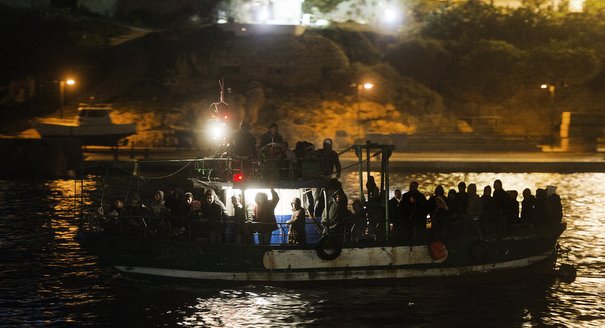
Migration of low-skilled workers into advanced countries remains a highly contentious issue, despite high demand for such workers to carry out a range of essential tasks, especially services.
Source: Knomad Working Paper
Migration of low-skilled workers into advanced countries remains a highly contentious issue, despite high demand for such workers to carry out a range of essential tasks, especially services. This systematic survey of the empirical literature on the effect of low-skilled migration on host countries suggests that fears of an adverse impact on the wages, unemployment and living standards of native low-skilled workers are largely misplaced, while the positive effects on the broad economy are significant and typically underestimated. The empirical literature is underpinned by a robust theoretical framework which suggests that migration will spur investment, induce task specialization of natives and, under certain plausible conditions, ultimately raise the demand for all workers. Host countries should recognize that they need low-skilled migrants and adjust their policies accordingly. Because migrants respond to demand, opening up new avenues for legal migration of low-skilled workers need not necessarily result in increased total immigration provided they are combined with enforcement of labor regulations among employers.This paper was originally published by the World Bank-led Knomad partnership on migration.
Carnegie does not take institutional positions on public policy issues; the views represented herein are those of the author(s) and do not necessarily reflect the views of Carnegie, its staff, or its trustees.
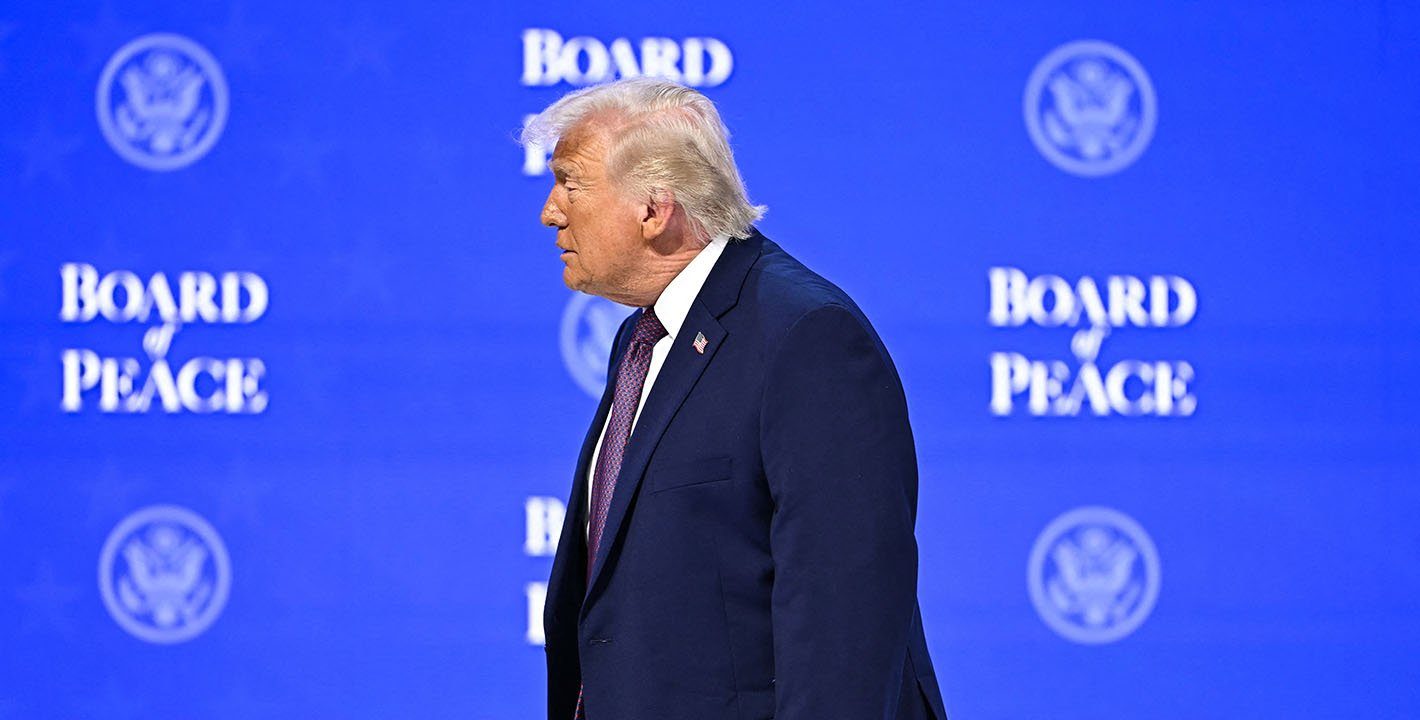
Implementing Phase 2 of Trump’s plan for the territory only makes sense if all in Phase 1 is implemented.
Yezid Sayigh

Fifteen years after the Arab uprisings, a new generation is mobilizing behind an inclusive growth model, and has the technical savvy to lead an economic transformation that works for all.
Jihad Azour
Israeli-Lebanese talks have stalled, and the reason is that the United States and Israel want to impose normalization.
Michael Young
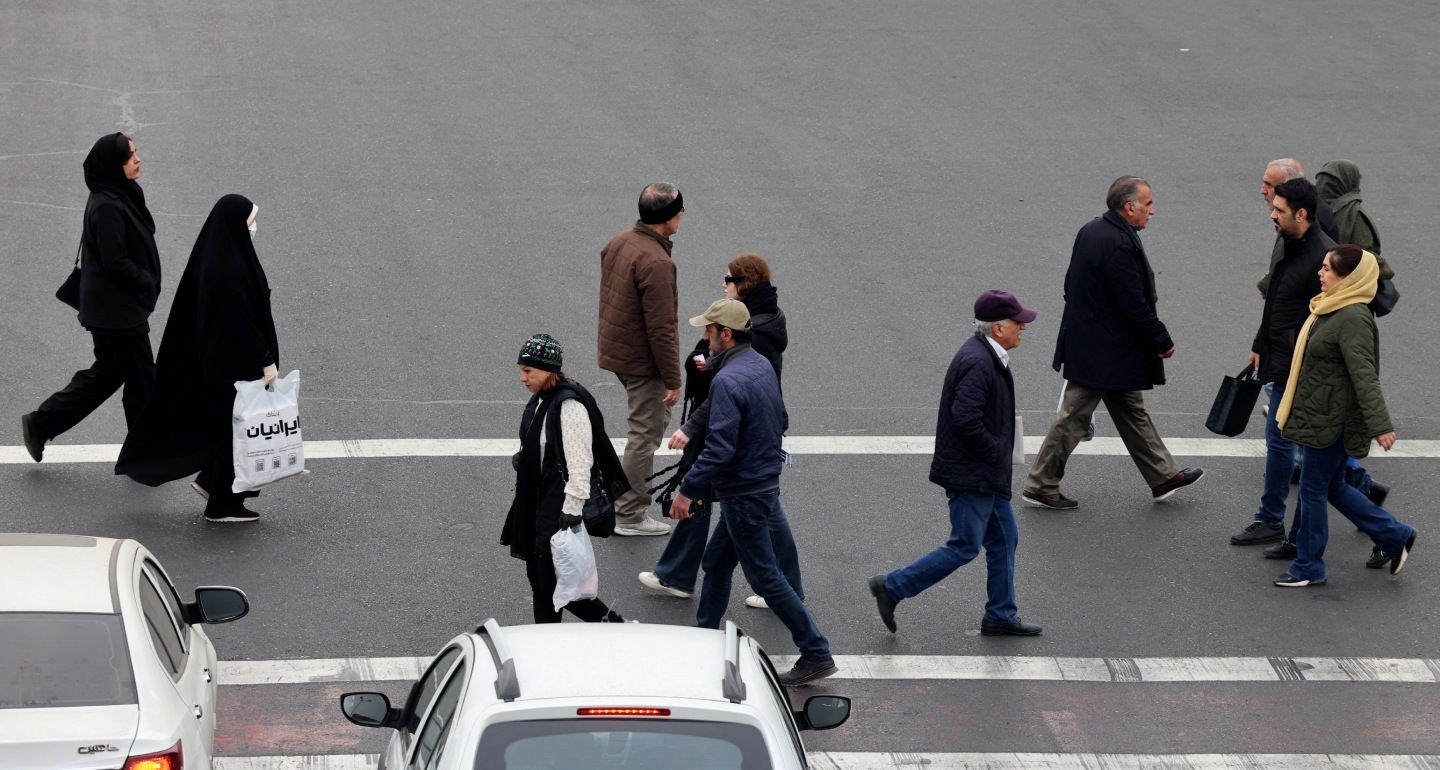
Baku may allow radical nationalists to publicly discuss “reunification” with Azeri Iranians, but the president and key officials prefer not to comment publicly on the protests in Iran.

Bashir Kitachaev

The country’s leadership is increasingly uneasy about multiple challenges from the Levant to the South Caucasus.

Armenak Tokmajyan