

Commentary
Israeli-Lebanese talks have stalled, and the reason is that the United States and Israel want to impose normalization.
Michael Young
{
  "authors": [
    "C. Raja Mohan"
  ],
  "type": "legacyinthemedia",
  "centerAffiliationAll": "",
  "centers": [
    "Carnegie Endowment for International Peace",
    "Carnegie India"
  ],
  "collections": [],
  "englishNewsletterAll": "",
  "nonEnglishNewsletterAll": "",
  "primaryCenter": "Carnegie India",
  "programAffiliation": "",
  "programs": [
    "South Asia"
  ],
  "projects": [],
  "regions": [
    "United States",
    "East Asia",
    "Indo-Pacific",
    "North America",
    "North Korea"
  ],
  "topics": [
    "Foreign Policy",
    "Security",
    "Nuclear Policy",
    "Global Governance"
  ]
}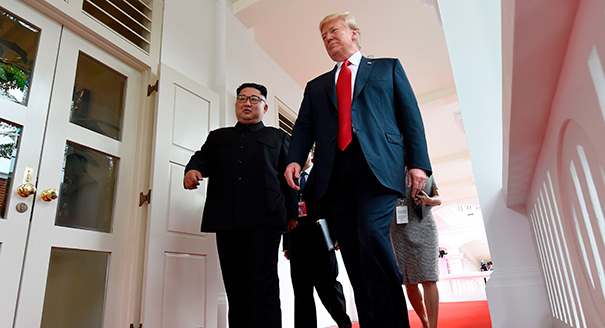
In the course of one morning in Singapore, U.S. President Donald Trump and the North Korean leader Kim Jong-un have begun to loosen a deeply entrenched and hostile relationship.
Source: Indian Express
Only a few other countries have demonised America as much as North Korea. The United States returned the favour by putting the rulers of the Kim dynasty in the gallery of rouge regimes. In the course of one morning in Singapore, US President Donald Trump and the North Korean leader Kim Jong-un have begun to loosen a deeply entrenched and hostile relationship.
Reading the short statement issued after the talks between the two leaders, you would think it did not take much to do this—just three simple political principles.
The first principle is about building a new relationship between America and North Korea. The second is about building a stable peace regime in the Korean Peninsula. The third is about ridding the Korean Peninsula of nuclear weapons.
When you unpack the three principles you will begin to see a rather complex story. The first takes us back to the Korean War of 1950-53, which saw thousands of American, Korean and Chinese soldiers die. It also divided the Peninsula and put Washington and Pyongyang on the path of perennial enmity. Ending the prolonged tensions and building a new relationship between America and North Korea has inevitably become the first principle for Trump and Kim.
The second refers to a ‘stable peace regime’ in the Peninsula. This is about America guaranteeing the security of North Korea. If nuclear weapons were in insurance for the Kim family against regime change, Trump is assuring Kim that he has no intention of dislodging the family from power.
A stable peace regime also demands reduction of military tensions between US and North Korea. At his press conference Trump revealed that he is suspending the routine but provocative military exercises that America conducts in South Korea. He also mused about withdrawing American troops from the Korean Peninsula over the longer term.
The third refers to denuclearisation. If Kim sees no threat to his survival, why does he need nuclear weapons? The first two principles quite clearly create the political conditions for nuclear disarmament in North Korea.
To be sure, there will be many problems when the two sides begin to put flesh on the bones of this agreement. Trump and Kim know they need a lot mutual trust to realise the goals of this agreement. That brings us to the political gesture.
Kim promised to recover the remains of thousands of American soldiers captured or missing in action during the Korean War. This move comes on top of Kim’s earlier confidence-building measures like suspension of nuclear and missile tests, destruction of nuclear test site, and release of American political prisoners.
With the three principles and one gesture, Trump and Kim may have begun to move the Korean Peninsula into uncharted but hopefully calmer waters.
This article was originally published in the Indian Express.
Carnegie does not take institutional positions on public policy issues; the views represented herein are those of the author(s) and do not necessarily reflect the views of Carnegie, its staff, or its trustees.
Israeli-Lebanese talks have stalled, and the reason is that the United States and Israel want to impose normalization.
Michael Young
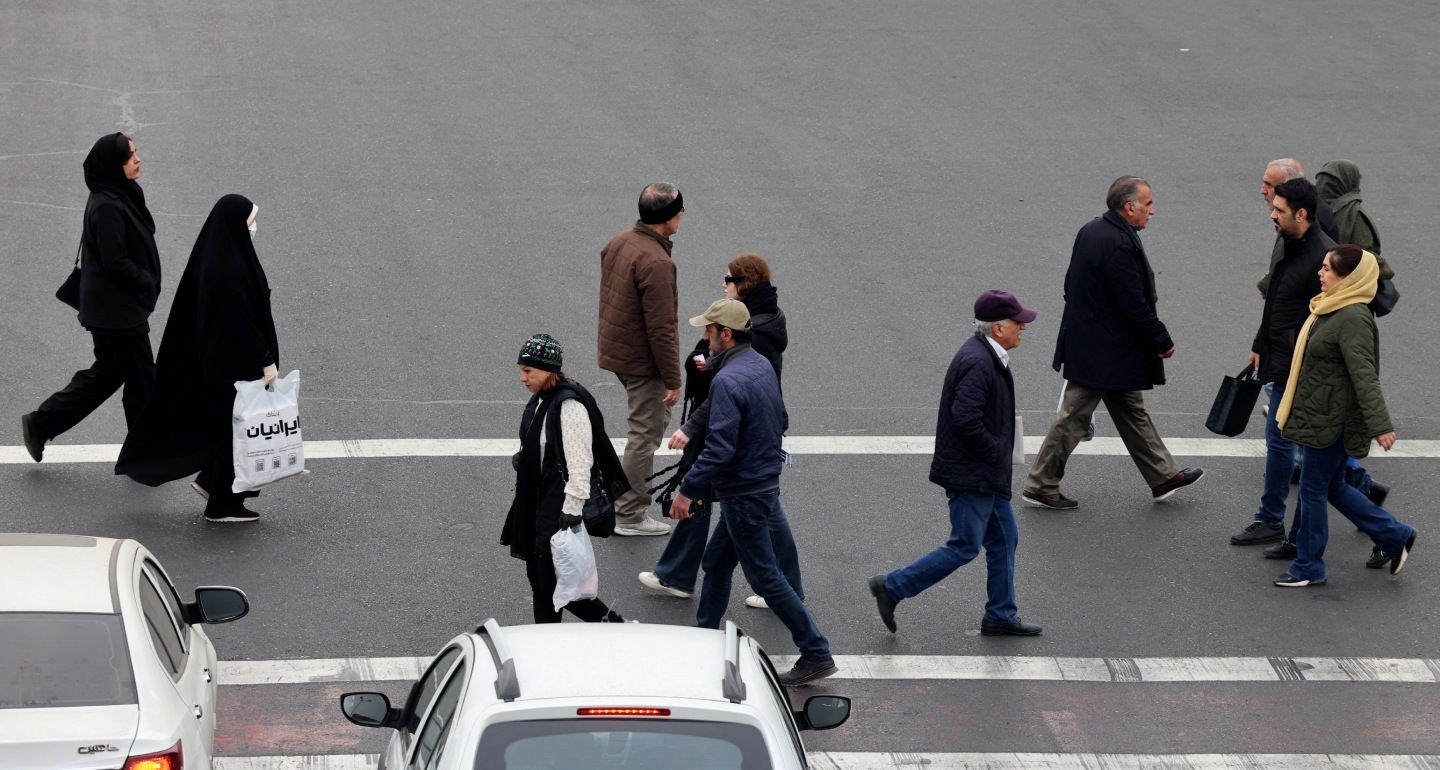
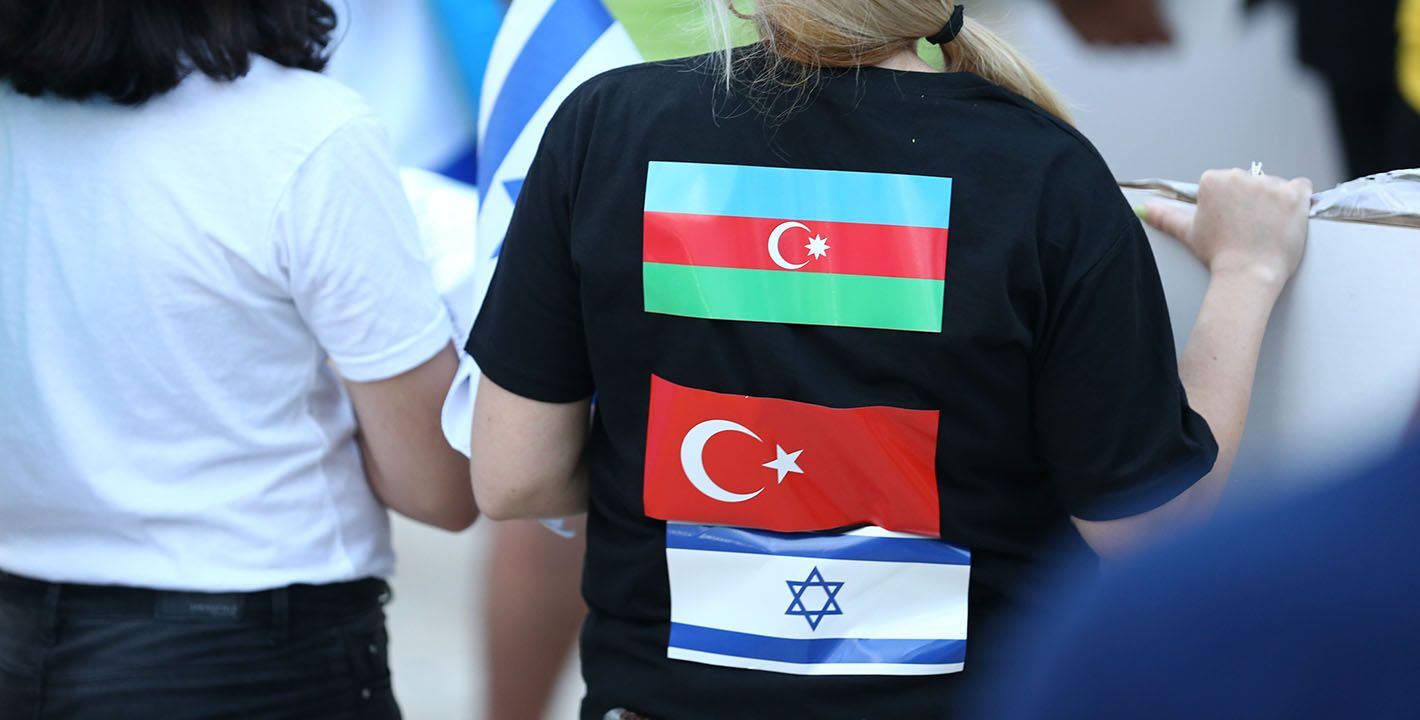
Baku may allow radical nationalists to publicly discuss “reunification” with Azeri Iranians, but the president and key officials prefer not to comment publicly on the protests in Iran.

Bashir Kitachaev
The country’s leadership is increasingly uneasy about multiple challenges from the Levant to the South Caucasus.
Armenak Tokmajyan
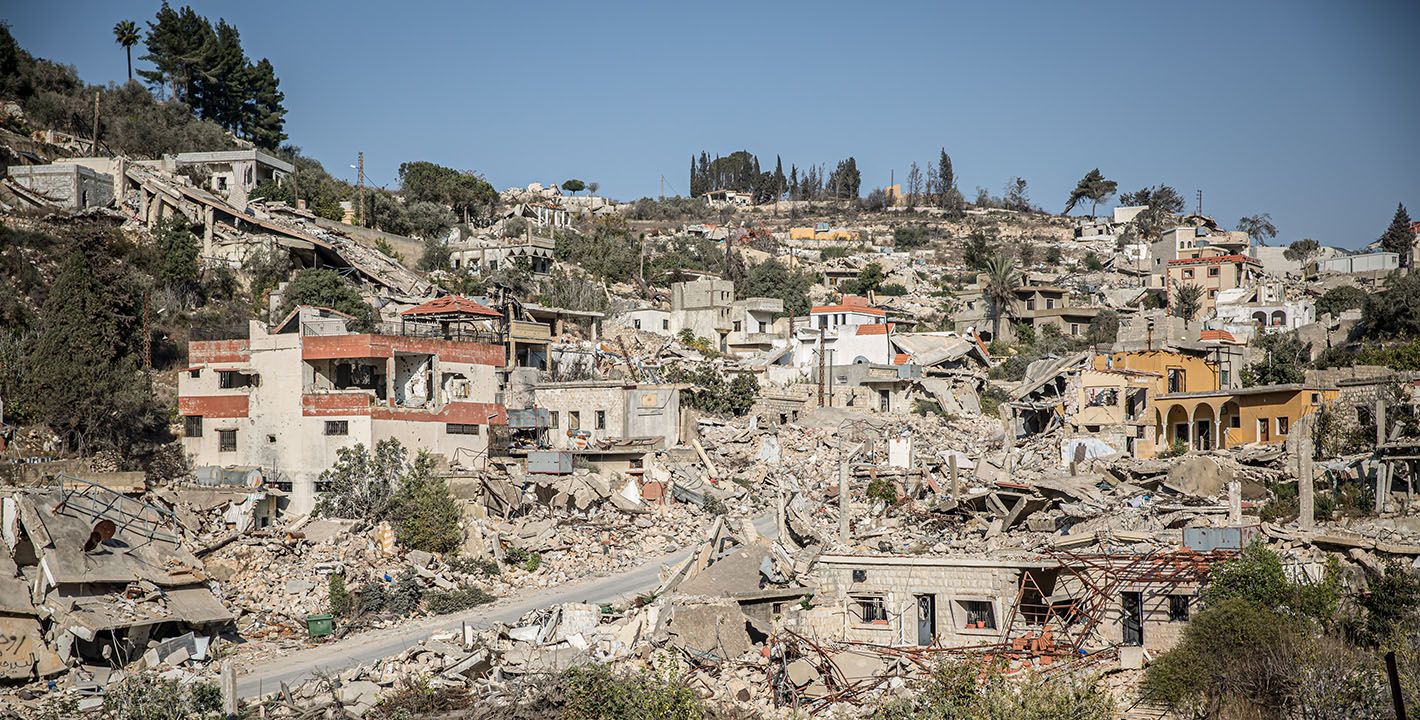
The U.S. is trying to force Lebanon and Syria to normalize with Israel, but neither country sees an advantage in this.
Michael Young
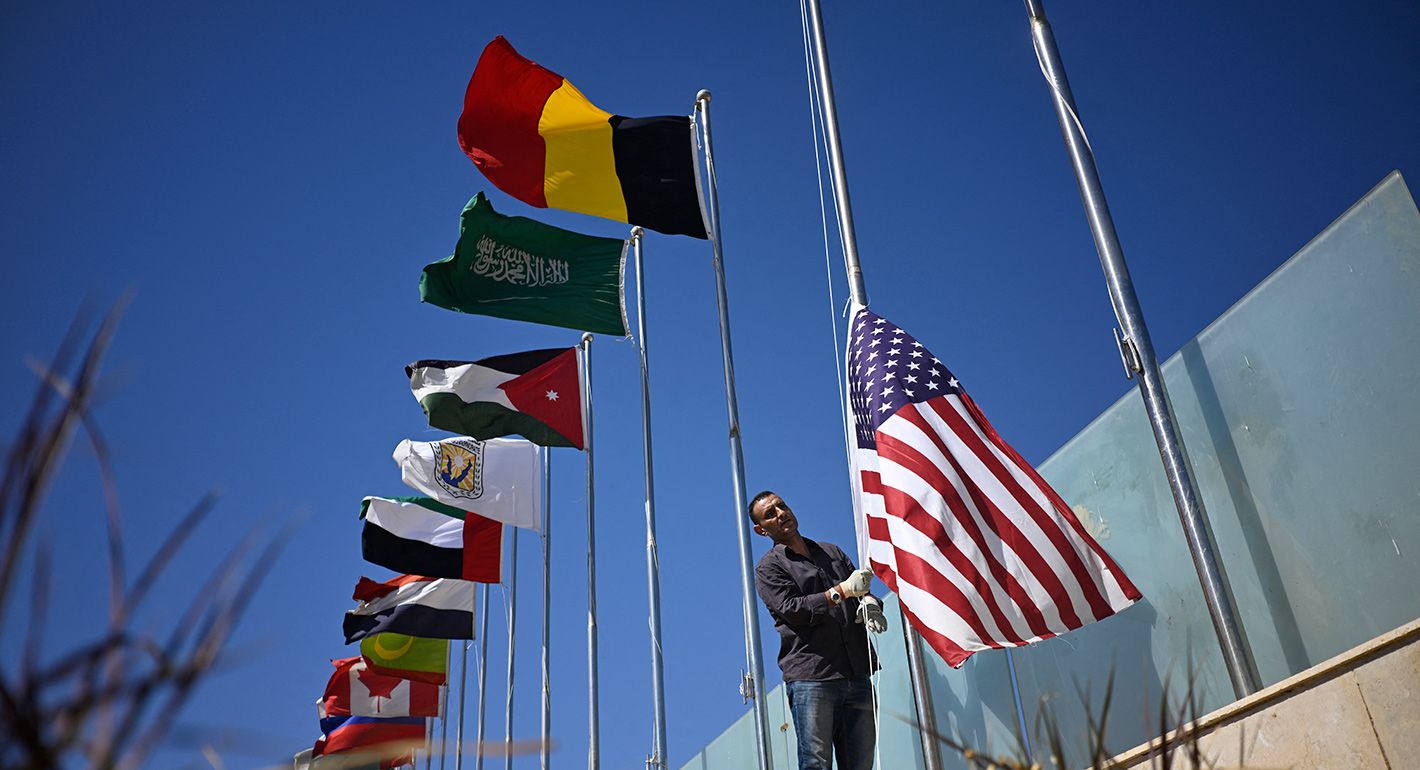
The countries of the region have engaged in sustained competition that has tested their capacities and limitations, while resisting domination by rivals. Can a more stable order emerge from this maelstrom, and what would it require?

Hamza Meddeb, Mohamed Ali Adraoui