

Commentary
Fifteen years after the Arab uprisings, a new generation is mobilizing behind an inclusive growth model, and has the technical savvy to lead an economic transformation that works for all.
Jihad Azour
{
  "authors": [
    "Michele Dunne"
  ],
  "type": "other",
  "centerAffiliationAll": "",
  "centers": [
    "Carnegie Endowment for International Peace",
    "Malcolm H. Kerr Carnegie Middle East Center"
  ],
  "collections": [
    "Arab Awakening"
  ],
  "englishNewsletterAll": "",
  "nonEnglishNewsletterAll": "",
  "primaryCenter": "Carnegie Endowment for International Peace",
  "programAffiliation": "",
  "programs": [
    "Middle East"
  ],
  "projects": [],
  "regions": [
    "Middle East",
    "North Africa"
  ],
  "topics": [
    "Political Reform",
    "Democracy"
  ]
}
Source: Getty
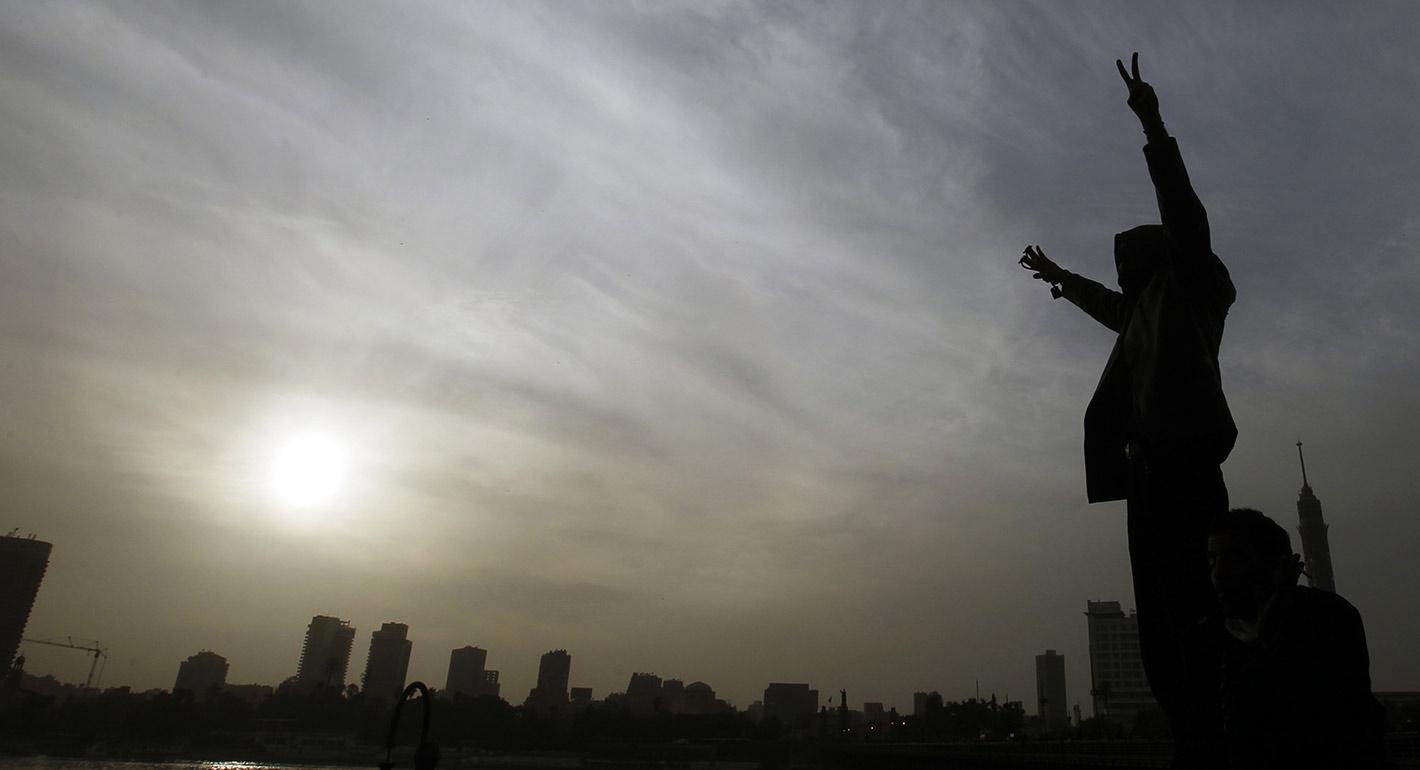
As the tenth anniversary of the first uprising of the Arab Spring approaches, massive and sustained popular uprisings in Sudan, Algeria, Iraq, and Lebanon have shown that the Arab world is far from finished with the question of democracy.
Source: Journal of Democracy
As the tenth anniversary of the first uprising of the Arab Spring approaches, massive and sustained popular uprisings in Sudan, Algeria, Iraq, and Lebanon have shown that the Arab world is far from finished with the question of democracy. In each of these countries, protesters have connected grievances about economic hardships and corruption to issues of governance. They have demanded changes to undemocratic aspects of current power structures: sectarian bargains in Iraq and Lebanon, and military dominance in Sudan and Algeria.
The struggle of citizens of Arab-majority countries for more responsive, accountable, and participatory governance has been long and difficult. Vested interests both foreign and domestic have pushed back, often with great brutality. In Lebanon, the Arab country in which citizens long had the most individual freedom, sectarianism erupted into civil war in 1975. Even after the fighting ended, sectarian divisions constrained political competition and undermined accountability; they also opened the country to ongoing foreign intervention. Algeria's experiment with political pluralism in the early 1990s led into a decade of horrific civil war.
This article was originally published in the Journal of Democracy.
Carnegie does not take institutional positions on public policy issues; the views represented herein are those of the author(s) and do not necessarily reflect the views of Carnegie, its staff, or its trustees.

Fifteen years after the Arab uprisings, a new generation is mobilizing behind an inclusive growth model, and has the technical savvy to lead an economic transformation that works for all.
Jihad Azour
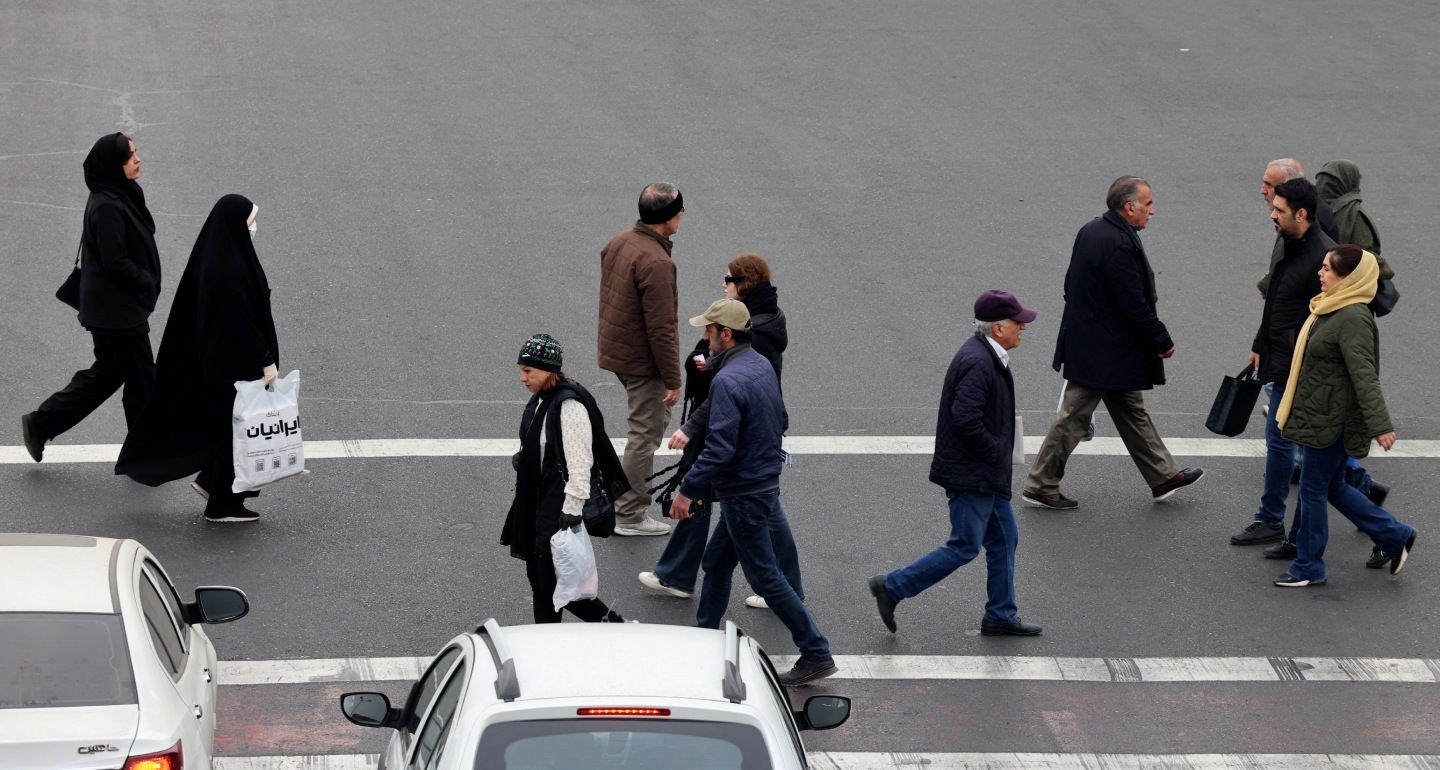
Baku may allow radical nationalists to publicly discuss “reunification” with Azeri Iranians, but the president and key officials prefer not to comment publicly on the protests in Iran.

Bashir Kitachaev
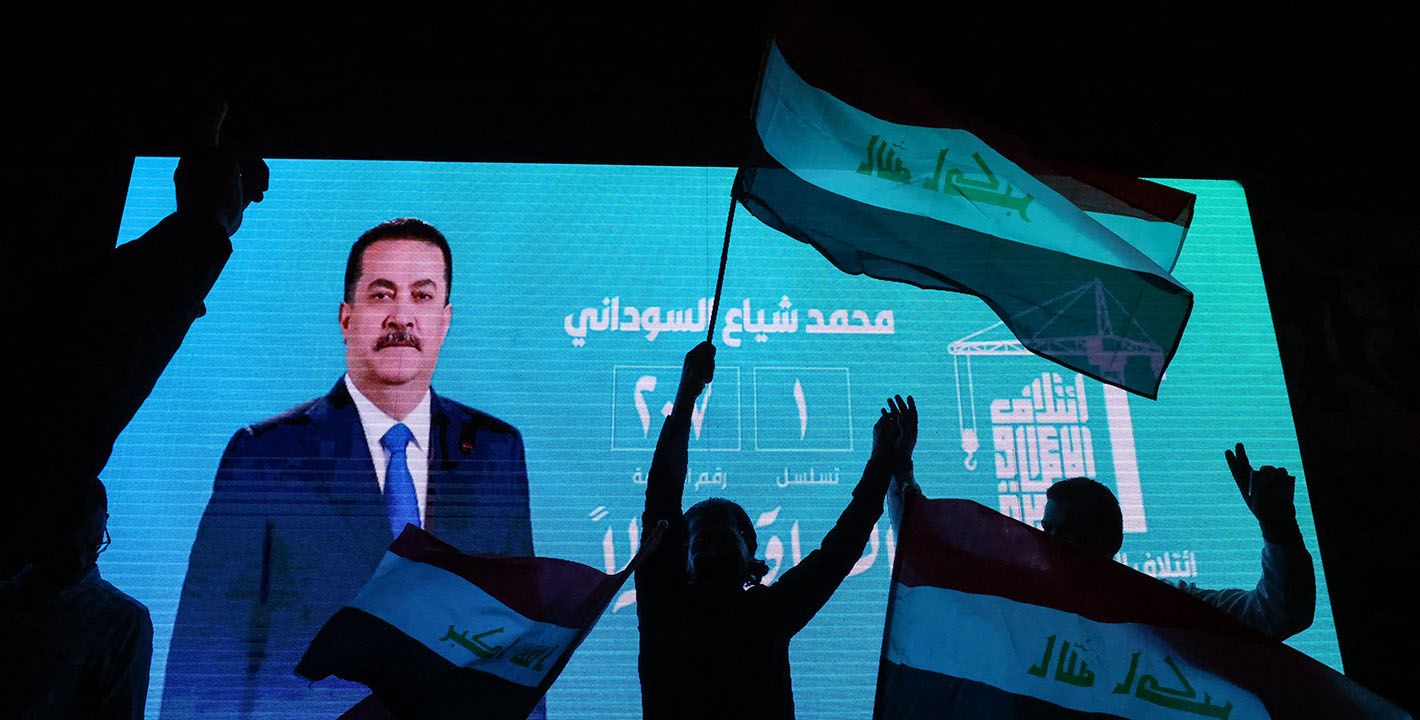
In an interview, Shahla al-Kli discusses the country’s parliamentary elections and what they reveal.
Rayyan Al-Shawaf
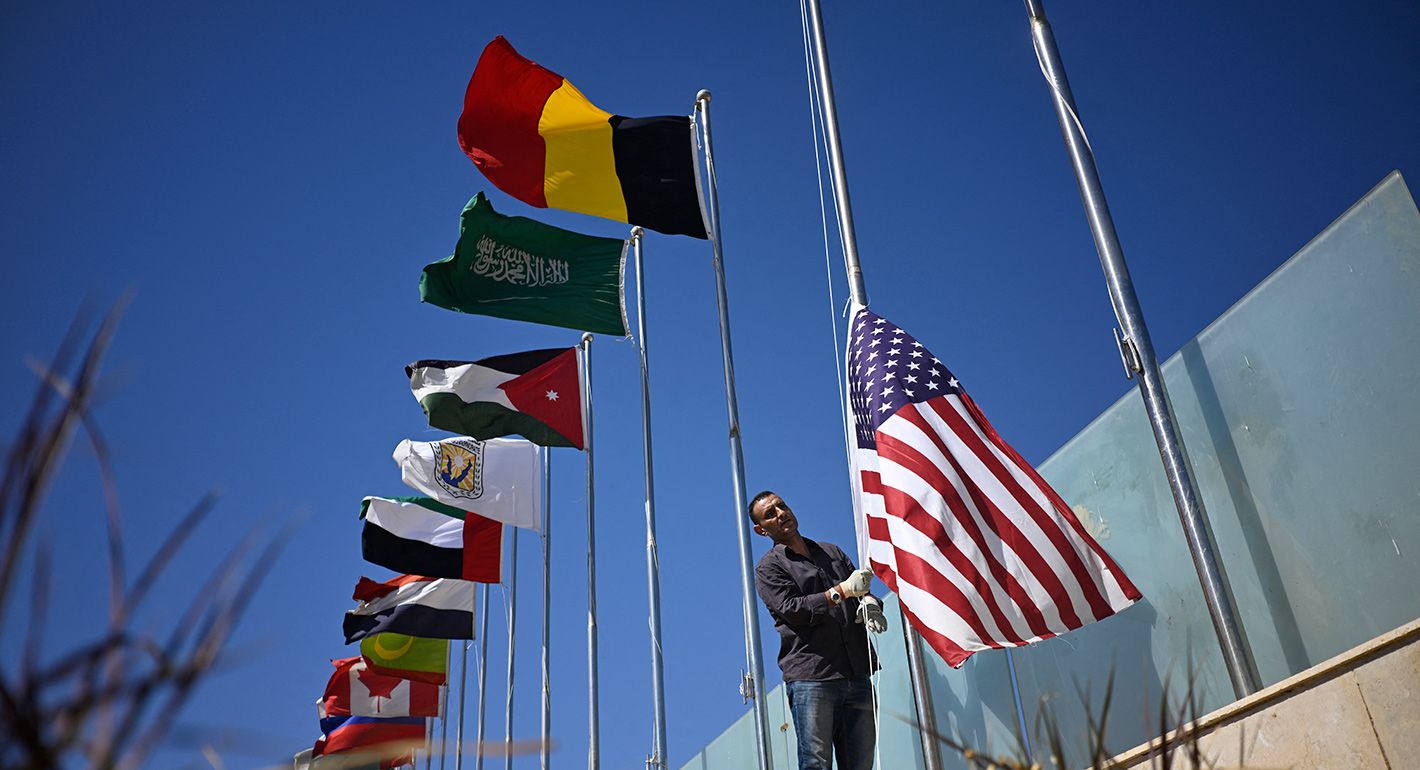
The countries of the region have engaged in sustained competition that has tested their capacities and limitations, while resisting domination by rivals. Can a more stable order emerge from this maelstrom, and what would it require?
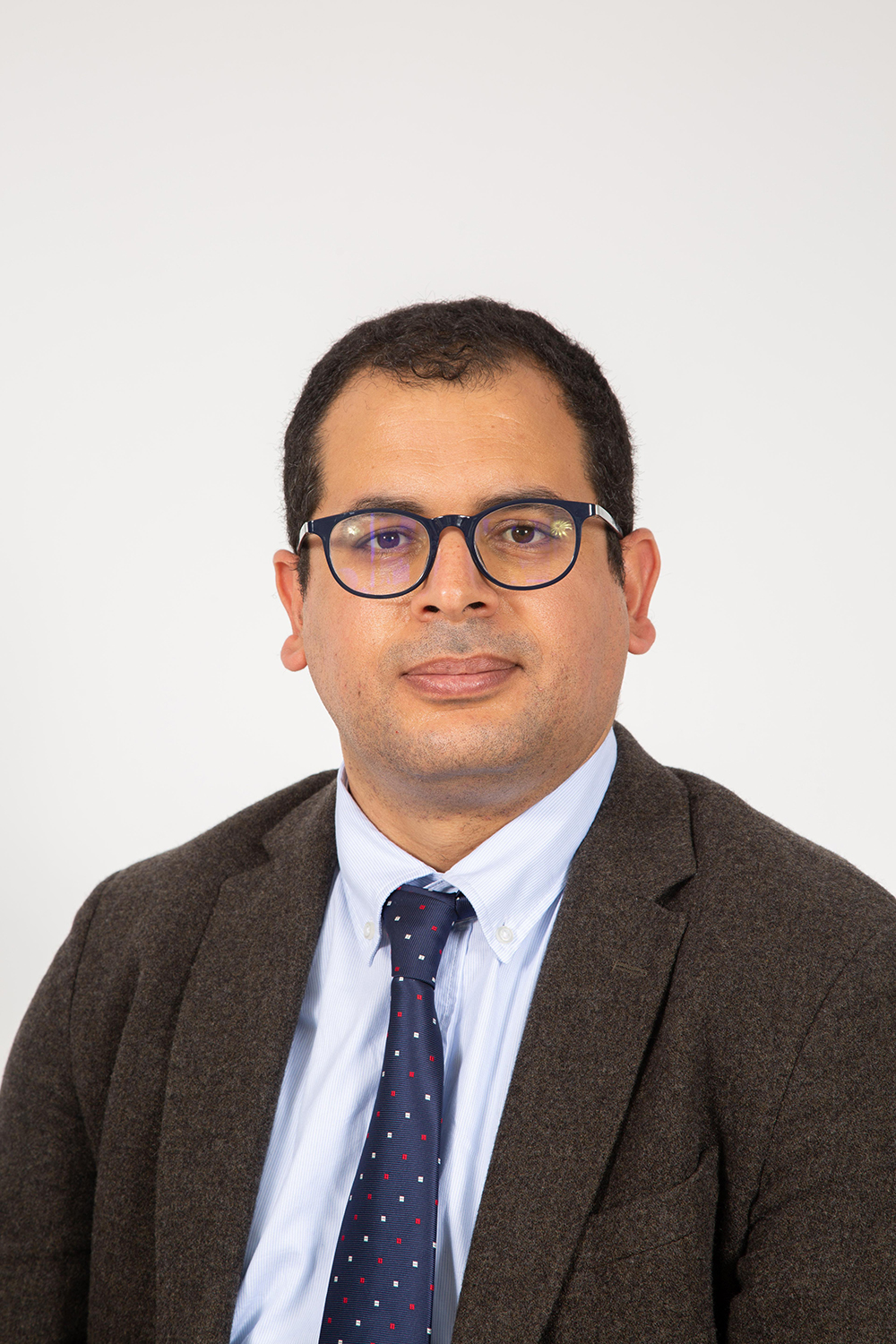

Hamza Meddeb, Mohamed Ali Adraoui
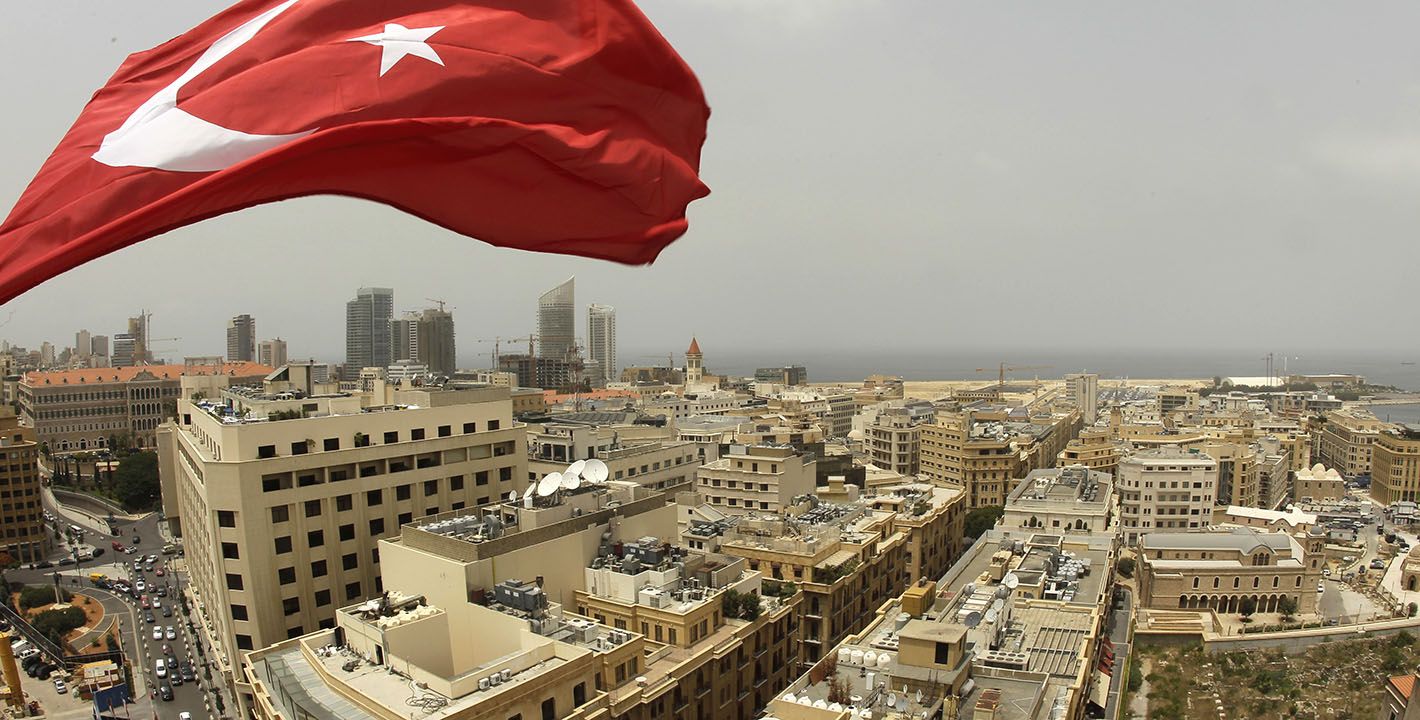
Ankara may seek to annul a maritime deal with Cyprus and expand its influence in the next parliament.
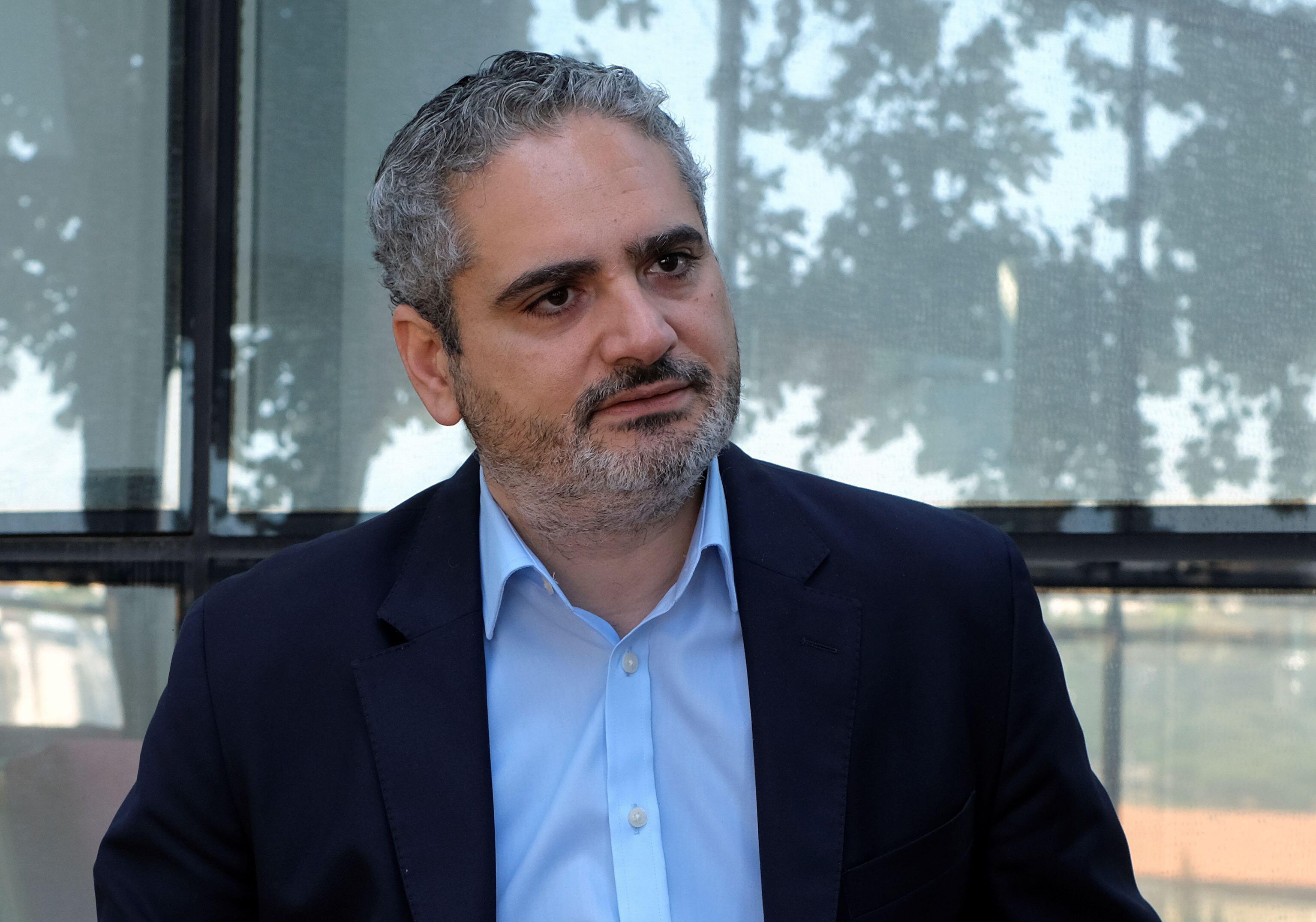
Mohanad Hage Ali