

Commentary
Israeli-Lebanese talks have stalled, and the reason is that the United States and Israel want to impose normalization.
Michael Young
{
  "authors": [
    "Paul Haenle",
    "Chong Ja Ian"
  ],
  "type": "questionAnswer",
  "centerAffiliationAll": "",
  "centers": [
    "Carnegie Endowment for International Peace",
    "Carnegie China"
  ],
  "collections": [
    "Carnegie China Commentaries"
  ],
  "englishNewsletterAll": "",
  "nonEnglishNewsletterAll": "",
  "primaryCenter": "Carnegie China",
  "programAffiliation": "",
  "programs": [],
  "projects": [],
  "regions": [
    "North America",
    "United States",
    "East Asia",
    "China",
    "Southeast Asia"
  ],
  "topics": []
}
Southeast Asian capitals would prefer that the U.S. and PRC manage their relationship, if not get along.
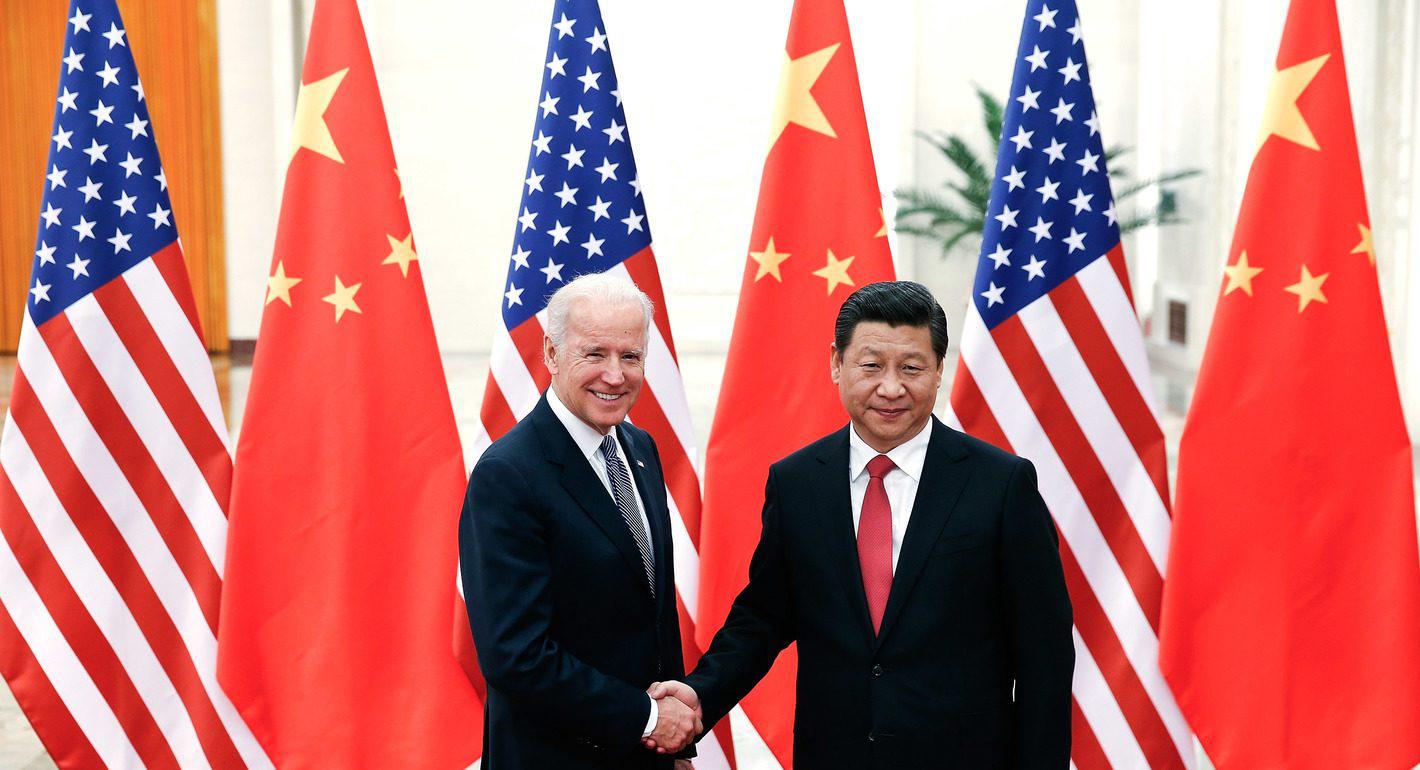
On a recent episode of the China in the Worldpodcast, Paul Haenle spoke with Ian Chong, nonresident fellow at Carnegie China, about Southeast Asian views of the Biden-Xi meeting. A portion of their conversation, which has been edited and condensed for clarity, is below.
Paul Haenle: ASEAN countries have a lot at stake in U.S.-China relations. Southeast Asian countries watch very closely the U.S.-China relationship because it is so consequential to them. The Singapore Prime Minister Lee Hsien Loong said recently, “You need a meeting to head in the right direction, but you don’t expect a meeting to make everything sweetness and light.” What, in your view, would ASEAN countries see as a successful meeting between President Xi and Biden?Ian Chong: In ASEAN capitals, the Biden-Xi meeting itself does not necessarily signify anything substantial. If you recall, at last year’s G20 meeting, it appeared that Biden and Xi had a very good conversation. However, the subsequent balloon incident led to an immediate downward spiral in bilateral relations.Southeast Asian capitals would prefer that the U.S. and PRC manage their relationship, if not get along. They will be looking to see if there is real momentum behind the recent economic and political dialogues, and if there will be effort to move forward on military-to-military dialogues. They will also be watching to see how far the PRC side is willing to go in softening its positions on regional security. Before he was removed, General Li Shangfu claimed that there had been an increase in maritime and aerial patrols in and near PRC waters. This, of course, is a matter of dispute. The PRC’s excessive claims put a lot of pressure on Southeast Asian capitals. So they will be watching to see if, as a result of the forward movement in U.S.-China relations, the PRC is willing to dial back its rhetoric and behavior in relation to its excessive regional claims.
To listen to the full episode, use the player below, or subscribe in your favorite podcast app.
Carnegie does not take institutional positions on public policy issues; the views represented herein are those of the author(s) and do not necessarily reflect the views of Carnegie, its staff, or its trustees.
Israeli-Lebanese talks have stalled, and the reason is that the United States and Israel want to impose normalization.
Michael Young

The country’s leadership is increasingly uneasy about multiple challenges from the Levant to the South Caucasus.
Armenak Tokmajyan
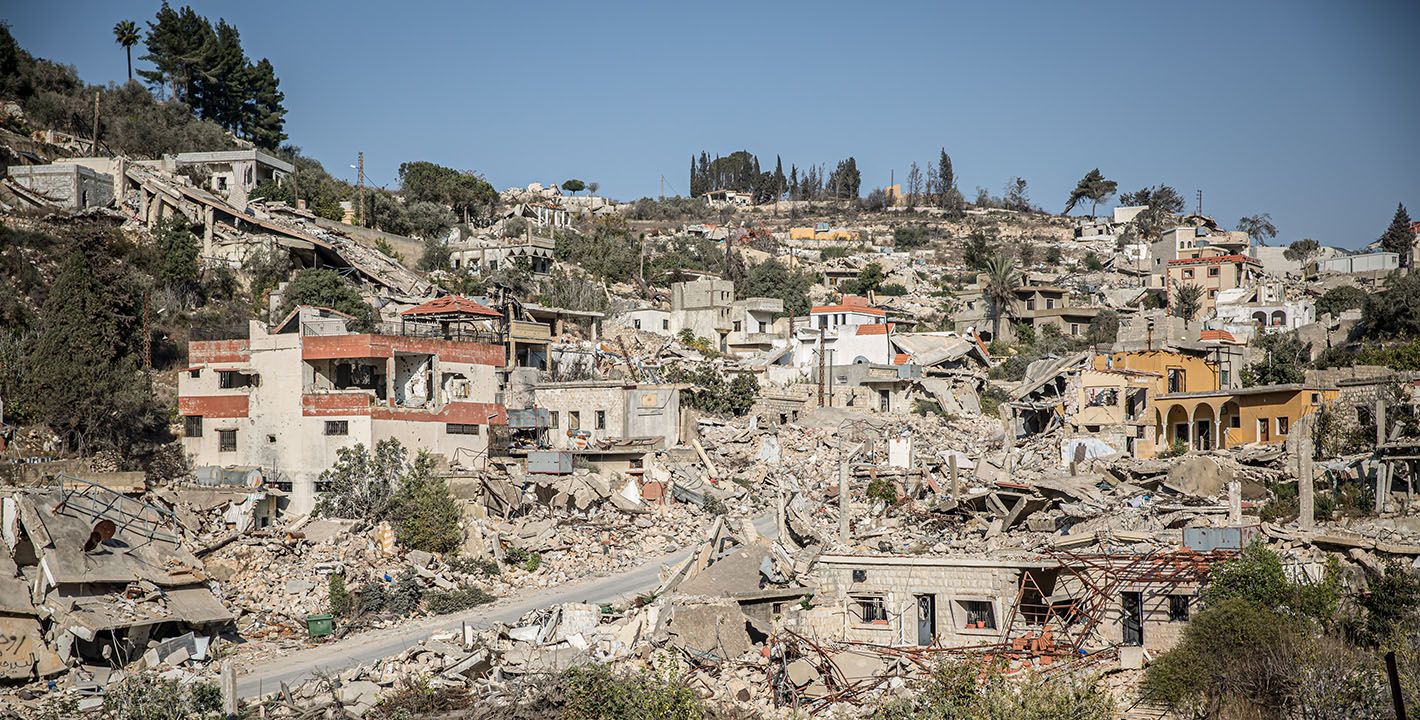
The U.S. is trying to force Lebanon and Syria to normalize with Israel, but neither country sees an advantage in this.
Michael Young
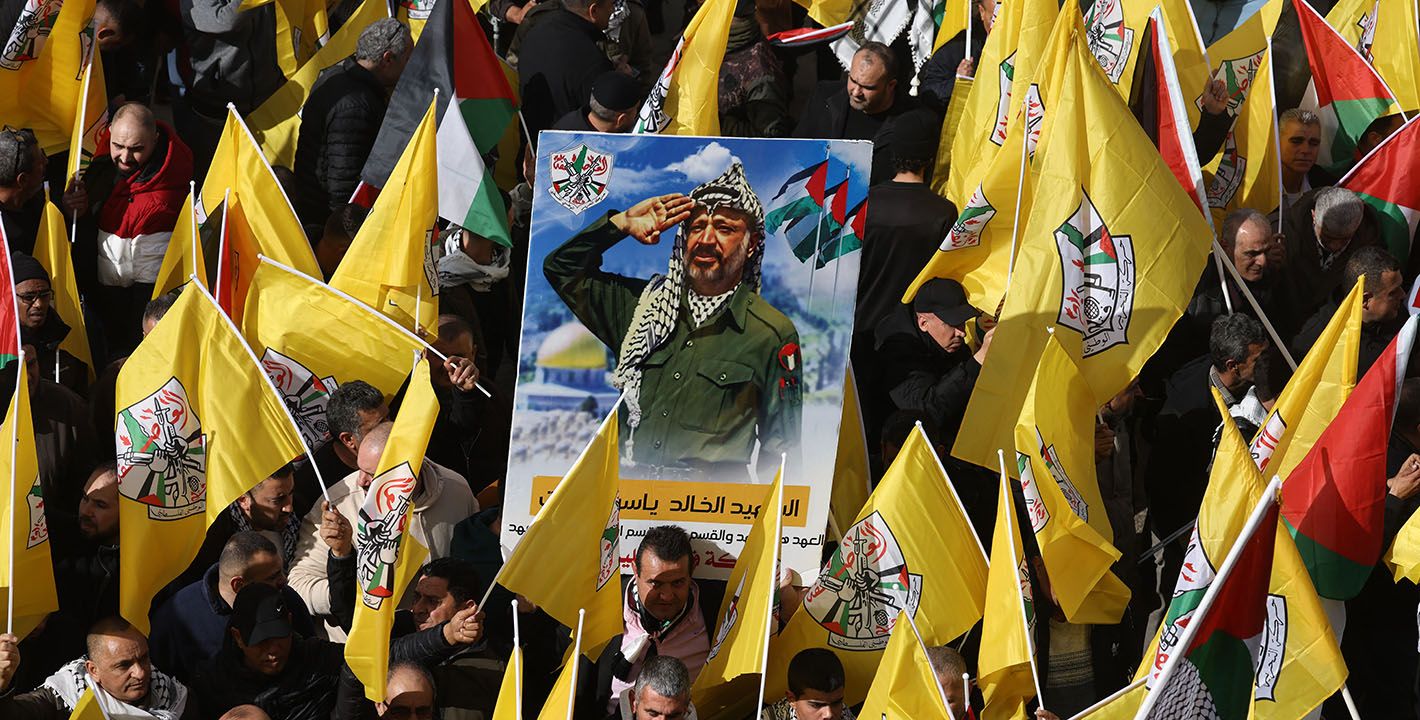
The objective is to lock Hamas out of political life, but the net effect may be negative indeed.

Nathan J. Brown

As Washington reduces its presence in the country, the success of its withdrawal and continued containment of the Islamic State will hinge on adopting an approach of flexible oversight built around three priorities, as well as balancing Turkish and Israeli red lines.
Kheder Khaddour, Issam Kayssi