

Commentary
A recent offensive by Damascus and the Kurds’ abandonment by Arab allies have left a sense of betrayal.
Wladimir van Wilgenburg
{
  "authors": [],
  "type": "pressRelease",
  "centerAffiliationAll": "",
  "centers": [
    "Carnegie Endowment for International Peace",
    "Carnegie India"
  ],
  "englishNewsletterAll": "",
  "nonEnglishNewsletterAll": "",
  "primaryCenter": "Carnegie Endowment for International Peace",
  "programAffiliation": ""
}
Source: Getty
Today the Carnegie Endowment for International Peace India announced that Dr. Anit Mukherjee will be the next director of Carnegie India, the New Delhi-based research center.
Today the Carnegie Endowment for International Peace India announced that Dr. Anit Mukherjee will be the next director of Carnegie India, the New Delhi-based research center. With a focus on technology and society, political economy, and security studies, Carnegie India scholars provide rigorous analysis and insight about the key issues shaping India today and India’s role in the world.
Dr. Mukherjee joins Carnegie India from King’s College London’s India Institute, where he focused on the intersection of India’s foreign and defense policies, strategic studies, and broader security dynamics across the Indo-Pacific. A former Indian army officer, he is also a nonresident fellow at the Centre for Social and Economic Progress (CSEP), New Delhi, with past experience at the S. Rajaratnam School of International Studies (RSIS), Nanyang Technological University, and the Manohar Parrikar Institute for Defence Studies and Analyses (MP-IDSA).
Dr. Mukherjee is the author of The Absent Dialogue: Politicians, Bureaucrats and the Military in India, one of the leading books on civil-military relations in India, and has published in Armed Forces & Society, European Journal of International Security, Asian Security, Asia Policy, New York Times, and The Caravan, among others.
Dr. Mukherjee will take the helm of Carnegie India in July 2026, based in New Delhi. He succeeds Rudra Chaudhuri, who led Carnegie India since 2018. Arun K. Singh, India’s former ambassador to the United States and France, will take a leadership role at Carnegie India in the interim.
Dr. Anit Mukherjee, Director, Carnegie India:
“The events of the last few years have led to astonishing changes in the world—some fabulous, others a cause for concern. It is a privilege to lead Carnegie India through these exciting times and to follow in the footsteps of my illustrious predecessors. I look forward to working with my colleagues and I cannot think of a better time, full of promises and challenges, to return home.”
Mariano-Florentino (Tino) Cuéllar, President, Carnegie Endowment for International Peace:
“Carnegie India plays a vital role illuminating India’s growing importance and its role in the world. As director of Carnegie India, Dr. Mukherjee brings a rare combination of academic depth and enormously relevant professional experience to this role. Building on the work of our remarkable team, his leadership will help Carnegie India reach new heights.”
Evan Feigenbaum, Vice President for Studies, Carnegie Endowment for International Peace:
“The India story is exciting and dynamic. And increasingly, it’s about how ideas, models, and platforms developed in India can be exported to other parts of the world—for example, the application of digital technologies. Carnegie India crystallizes these exciting developments while tempering them with outstanding work on India’s complex security environment. Carnegie India is ready for its next phase and Anit is the right person to lead and build our outstanding team.”
Press Contact:
Sharmeen Aly
Carnegie does not take institutional positions on public policy issues; the views represented herein are those of the author(s) and do not necessarily reflect the views of Carnegie, its staff, or its trustees.
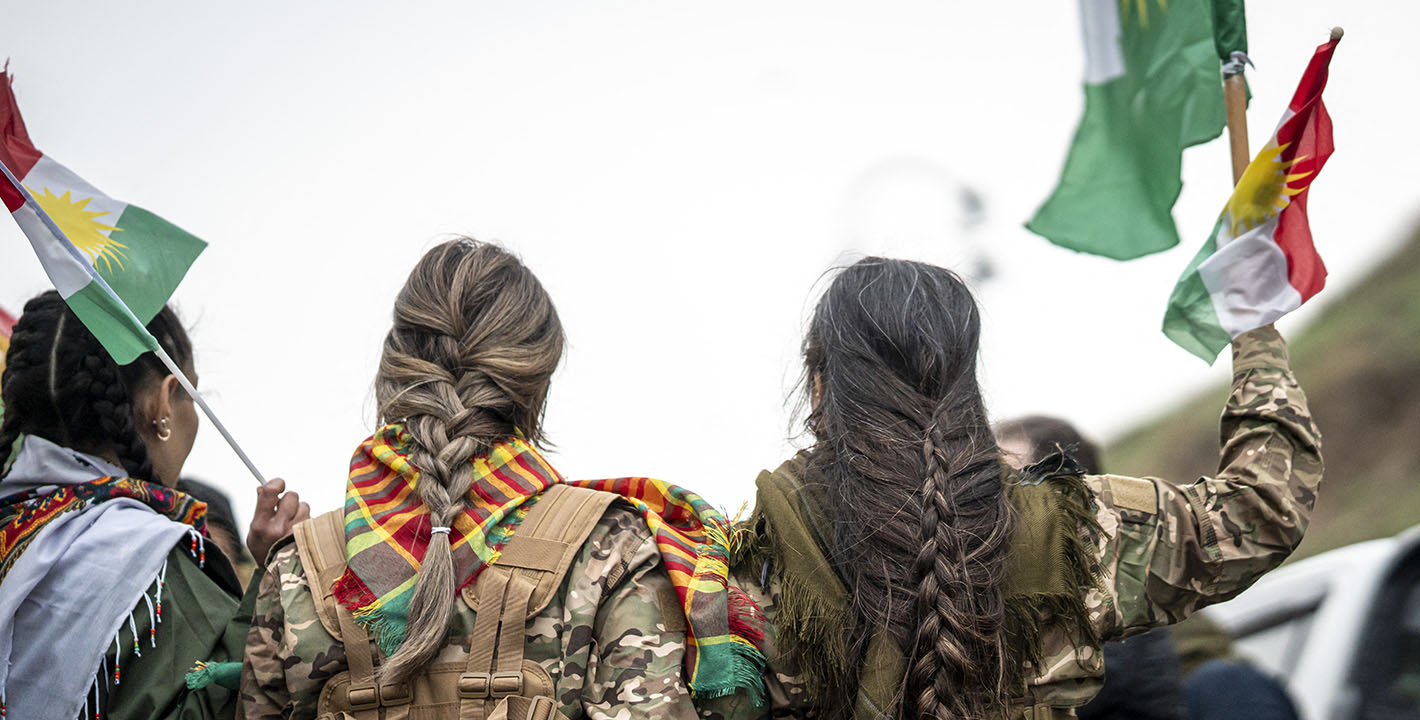
A recent offensive by Damascus and the Kurds’ abandonment by Arab allies have left a sense of betrayal.
Wladimir van Wilgenburg
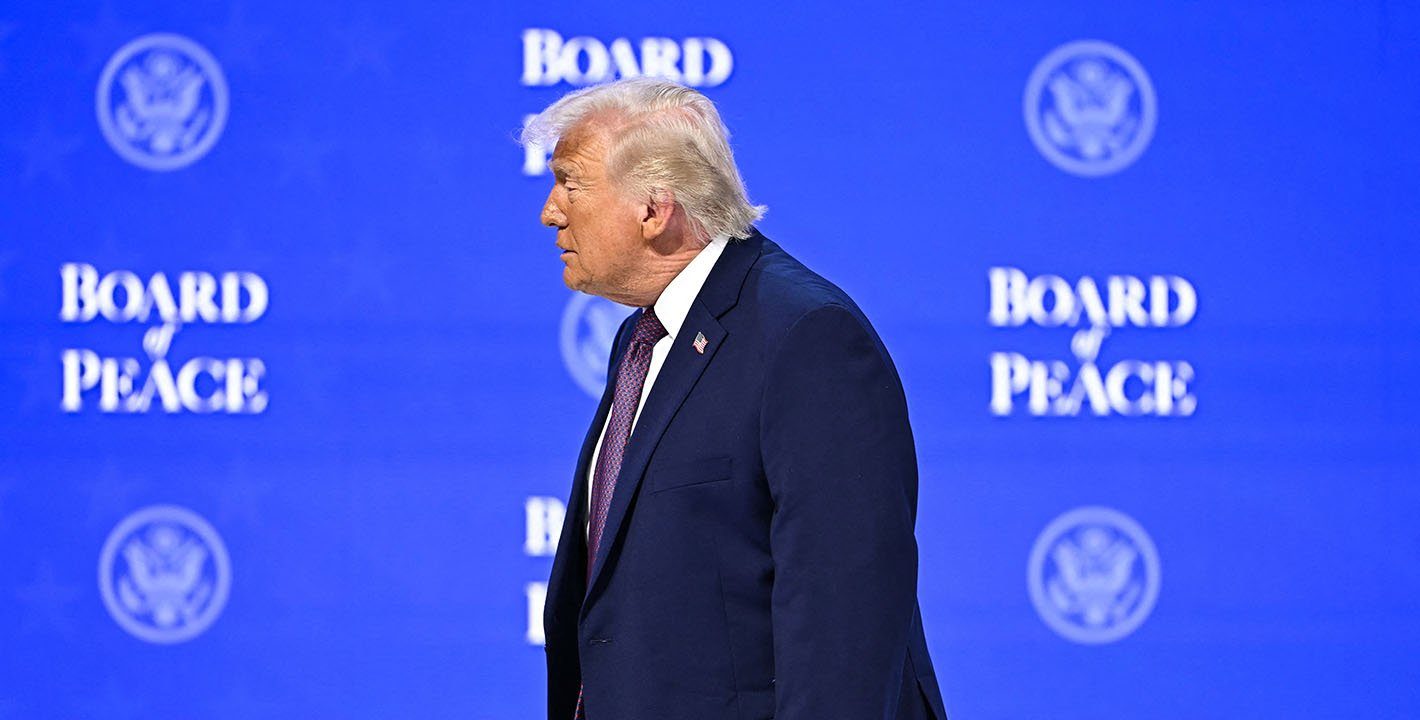
Implementing Phase 2 of Trump’s plan for the territory only makes sense if all in Phase 1 is implemented.
Yezid Sayigh

Fifteen years after the Arab uprisings, a new generation is mobilizing behind an inclusive growth model, and has the technical savvy to lead an economic transformation that works for all.
Jihad Azour
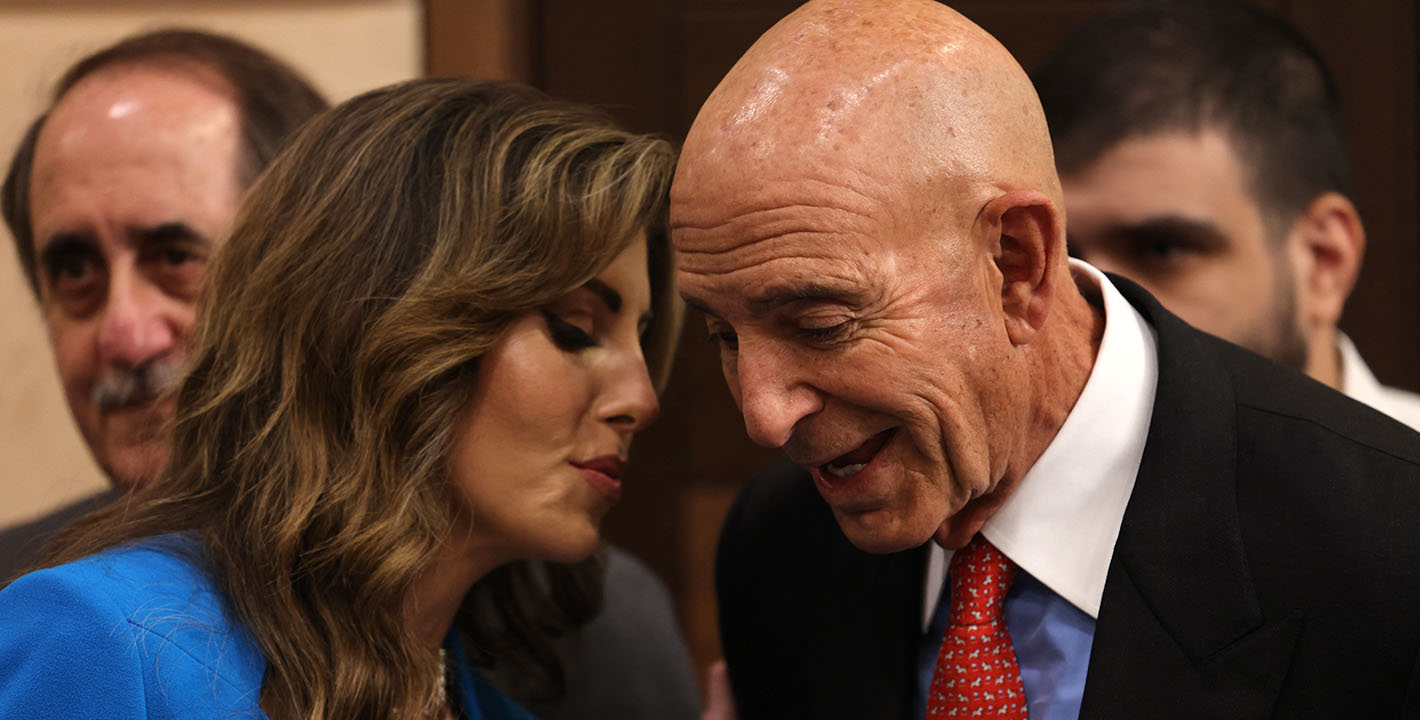
Israeli-Lebanese talks have stalled, and the reason is that the United States and Israel want to impose normalization.
Michael Young
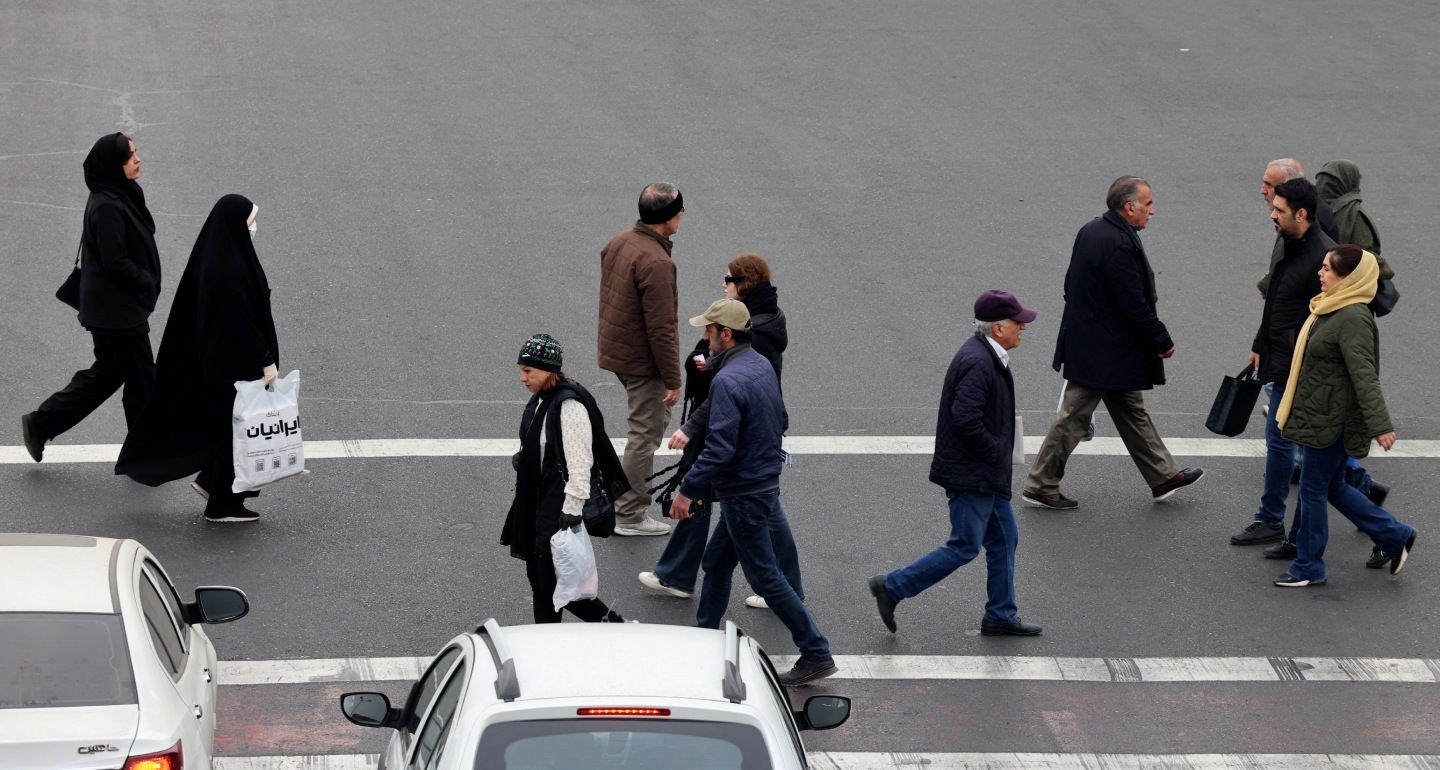
Baku may allow radical nationalists to publicly discuss “reunification” with Azeri Iranians, but the president and key officials prefer not to comment publicly on the protests in Iran.
Bashir Kitachaev