

Commentary
Unexpectedly, Trump’s America appears to have replaced Putin’s Russia’s as the world’s biggest disruptor.
Alexander Baunov
{
  "authors": [
    "Konstantin Skorkin"
  ],
  "type": "commentary",
  "blog": "Carnegie Politika",
  "centerAffiliationAll": "",
  "centers": [
    "Carnegie Endowment for International Peace",
    "Carnegie Russia Eurasia Center"
  ],
  "englishNewsletterAll": "",
  "nonEnglishNewsletterAll": "",
  "primaryCenter": "Carnegie Russia Eurasia Center",
  "programAffiliation": "",
  "programs": [],
  "projects": [],
  "regions": [
    "Ukraine"
  ],
  "topics": [
    "Domestic Politics",
    "Military",
    "Global Governance",
    "Foreign Policy",
    "Security",
    "Civil Society"
  ]
}
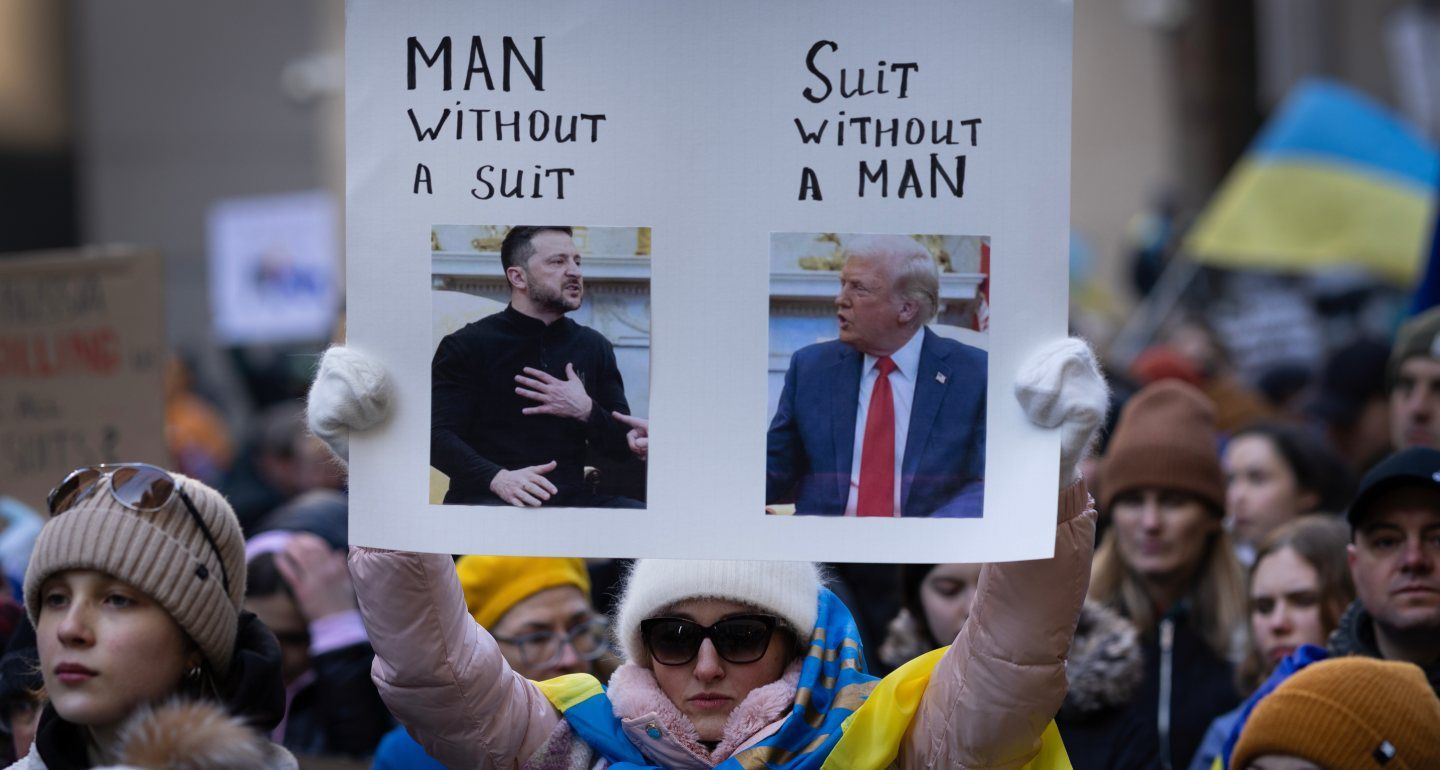
Both the government and the opposition in Ukraine understand that by caving to pressure to hold dubious elections during wartime, they could be sacrificing their own future.
Ten or fifteen years ago, if the Ukrainian president had been kicked out of the White House amid a scandal, it would likely have been the end of his career. In the turbulent world of Ukrainian politics, the remnants of his credibility would have been swiftly destroyed by rivals and oligarch-controlled media. But the war has changed Ukraine’s political landscape beyond recognition, and President Volodymyr Zelensky’s very public spat with his U.S. counterpart Donald Trump—followed by the suspension of U.S. military aid to Ukraine—has had quite the opposite effect. Ukrainian politicians and society have rallied around Zelensky, and there is little appetite for holding elections so long as the war is still raging.
The pressure from Washington is seen by Ukrainians as an attack on their country’s sovereignty—especially since the U.S. claims have started sounding all too similar to Russian President Vladimir Putin’s demands. Zelensky’s position is further strengthened by the fact that neither the new U.S. administration nor the Kremlin has a preferred alternative candidate in Ukraine.
Following the televised debacle in the U.S. White House, Ukraine’s parliament, the Verkhovna Rada, passed a resolution expressing support for Zelensky. Even Petro Poroshenko, Zelensky’s predecessor and bitter rival who had just been put under strict sanctions at home, said publicly that he would not criticize Zelensky over his clash with Trump, and called for unity.
Inevitably, there were individual voices criticizing the president, saying his egocentrism had jeopardized Ukraine’s national interests, but those voices were the exception. So long as the war continues, only the most marginal figures would dare to put forward an alternative in the hope of attracting Trump’s attention with their aggressive rhetoric. Those figures include former presidential adviser Oleksiy Arestovych, who has fled abroad to avoid criminal charges and has been open about his own presidential ambitions, and former parliamentary deputy Oleksandr Dubinsky, who is in pretrial detention.
Recent opinion polls show that the majority of Ukrainians (63 percent) are still opposed to the idea of holding elections before a lasting peace is concluded. And as long as Ukrainian society has the will to keep fighting, so will Zelensky. If the pendulum of public sentiment were to swing toward peace at any price, that would inevitably affect his position.
Most Ukrainians interpreted the tense meeting at the White House as Zelensky assertively standing up for Ukraine’s interests, while Trump repeated narratives that sounded suspiciously like Kremlin propaganda. They may resonate with some Ukrainians, but they are far from the majority. For most, the sight of their president being shouted over by Trump and his vice president only strengthened rather than undermined Zelensky’s popularity.
Another factor shoring up Ukraine’s political unity is the lack of a clear alternative to Zelensky. Trump’s team is clearly not happy with the current Ukrainian leader, but there is no obvious favorite in Washington among his opponents.
Poroshenko, the leader of the largest opposition party, does not enjoy any particular goodwill among the Republicans. Former prime minister Yulia Tymoshenko, despite all her efforts to make inroads with the new administration, cannot boast of having U.S. support either and is largely viewed as a figure from the past. As for other Ukrainian politicians, their names are completely unknown outside of their own country.
Moreover, the White House’s proposal, which looks a lot like capitulation, wouldn’t tempt even the most foolhardy members of Ukraine’s political class. No matter how exhausted Ukraine may be by the war, there is no demand in the country for a leader who would sign a peace agreement without security guarantees, thereby devaluing the loss of life and other sacrifices made by Ukrainians during three years of war.
The Kremlin does not have a preferred rival candidate either. There is no love lost between the Russian leadership and Zelensky, and Moscow would gladly see him removed, but it has no alternative proposal. The old pro-Russian camp in Ukraine has been decimated, and it’s impossible for new representatives of that contingent to appear while the country is at war with Russia.
Sooner or later, it’s likely that a political force similar to Georgia’s ruling party—Georgian Dream—will emerge in Ukraine, combining pro-European aspirations with a willingness to compromise with Moscow. But again, such flexible pragmatists will not be able to gain any kind of foothold until the war is over.
Trump’s cynical approach to foreign policy may allow Washington to openly dictate its will to Kyiv, but it also gives Zelensky certain advantages. For a start, it enables the Ukrainian president’s team to deal with domestic politics as it sees fit, with little regard for the United States.
The Kremlin’s mantra that Ukraine is directly run by the Americans has once again been exposed as being as far from reality as possible. Even while heavily dependent on U.S. aid, the Ukrainian elite seeks to preserve its agency simply for the sake of its own survival. Both the government and the opposition in Ukraine understand that by caving to pressure to hold dubious elections during wartime, they could be sacrificing their own future.
Of course, Washington has no shortage of leverage. It could, for example, make the resumption of U.S. aid conditional on Zelensky agreeing not to run in future elections. The Ukrainian president himself has acknowledged this possibility, saying “I can be exchanged for NATO”— making it clear his departure would be contingent on serious guarantees from the West. For now, however, such a radical scenario does not look inevitable.
By standing up to Trump, Zelensky hopes that his tenacity, coupled with the support of his European allies, will push Washington to soften its stance. It is perhaps the riskiest move he has made since he decided to remain in Kyiv in February 2022 as Russian tanks closed in.
Of course, the almost unanimous support for Zelensky from European leaders gives cause for optimism and offers Ukraine hope that it can continue its resistance even without American aid. But that will require even more effort from the exhausted country, as well as unpopular new measures by the Ukrainian government, such as lifting the ban on drafting young people aged 18—25, who—against the wishes of Western allies—have been spared until now. Confronted with such prospects, the balance may shift between those who want to continue the country’s resistance and those seeking an immediate peace, which will threaten the internal consensus on which Zelensky now relies.
Carnegie does not take institutional positions on public policy issues; the views represented herein are those of the author(s) and do not necessarily reflect the views of Carnegie, its staff, or its trustees.
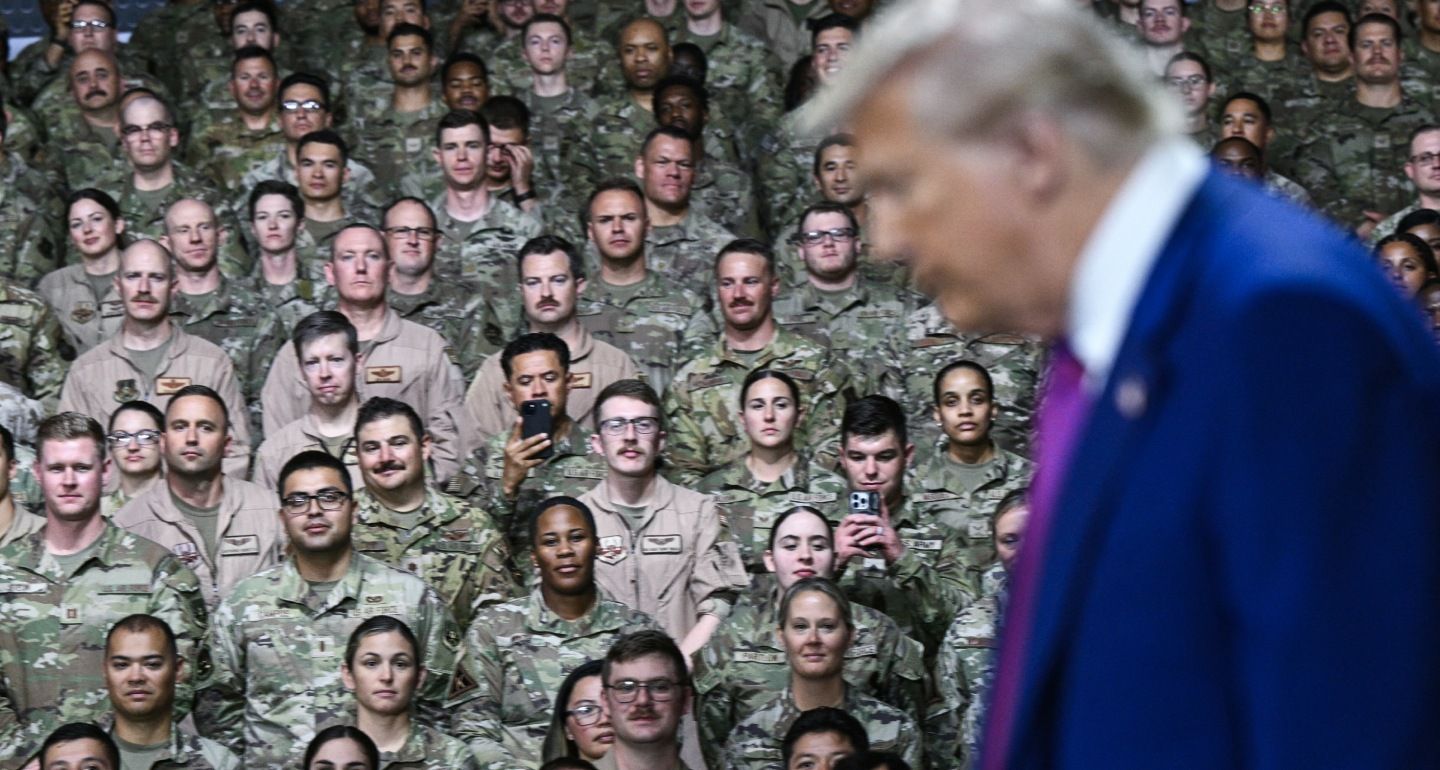
Unexpectedly, Trump’s America appears to have replaced Putin’s Russia’s as the world’s biggest disruptor.
Alexander Baunov
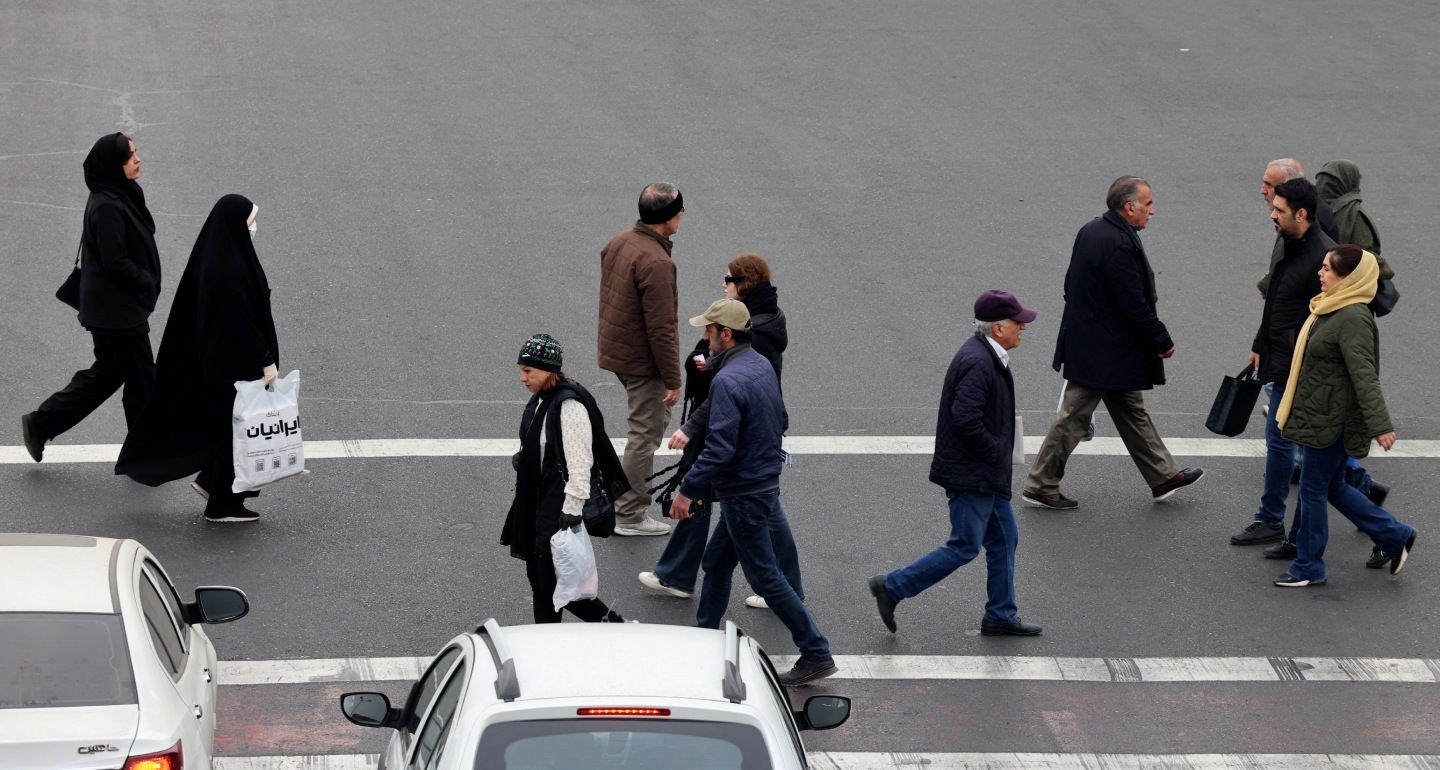
Baku may allow radical nationalists to publicly discuss “reunification” with Azeri Iranians, but the president and key officials prefer not to comment publicly on the protests in Iran.

Bashir Kitachaev
The Kremlin will only be prepared to negotiate strategic arms limitations if it is confident it can secure significant concessions from the United States. Otherwise, meaningful dialogue is unlikely, and the international system of strategic stability will continue to teeter on the brink of total collapse.

Maxim Starchak
The story of a has-been politician apparently caught red-handed is intersecting with the larger forces at work in the Ukrainian parliament.

Konstantin Skorkin
For years, the Russian government has promoted “sovereign” digital services as an alternative to Western ones and introduced more and more online restrictions “for security purposes.” In practice, these homegrown solutions leave people vulnerable to data leaks and fraud.

Maria Kolomychenko