

Commentary
The story of a has-been politician apparently caught red-handed is intersecting with the larger forces at work in the Ukrainian parliament.
Konstantin Skorkin
{
  "authors": [
    "Bashir Kitachaev"
  ],
  "type": "commentary",
  "blog": "Carnegie Politika",
  "centerAffiliationAll": "",
  "centers": [
    "Carnegie Endowment for International Peace",
    "Carnegie Russia Eurasia Center"
  ],
  "collections": [
    "Aso Tavitian Initiative"
  ],
  "englishNewsletterAll": "",
  "nonEnglishNewsletterAll": "",
  "primaryCenter": "Carnegie Russia Eurasia Center",
  "programAffiliation": "",
  "programs": [],
  "projects": [],
  "regions": [
    "Georgia",
    "Caucasus"
  ],
  "topics": [
    "Domestic Politics",
    "Civil Society",
    "Political Reform"
  ]
}
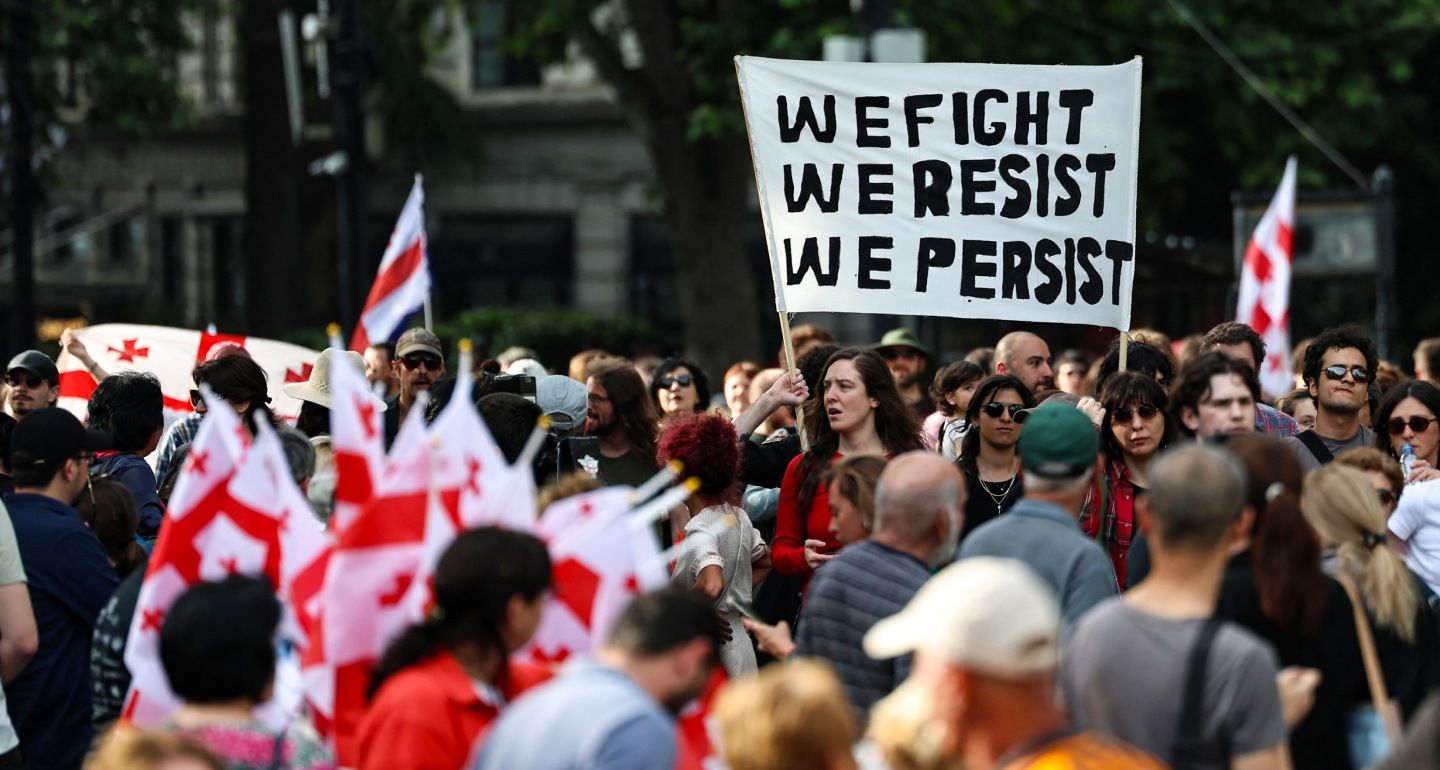
The Georgian opposition’s internal conflicts, as well as its strategy of boycotting all elections, risks leaving a dangerous vacuum.
Local elections in Georgia in October will not be full-fledged elections because eight opposition parties—including the country’s biggest—arenot taking part. The opposition maintains that the ruling Georgian Dream party is an illegitimate government because of its alleged complicity in voter fraud during the 2024 parliamentary elections. While such a position is understandable, it risks depriving the opposition of any remaining influence it has over Georgian politics. Amid dwindling street protests, the electoral boycott might not end up being a problem for the authorities, and may only exacerbate the opposition’s marginalization.
The biggest problem faced by Georgia’s opposition is internal conflict. The various movements were unable to form aunited coalition in either the run-up to the October 2024 parliamentary elections, or the street protests and international condemnation that came in the vote’s aftermath.
Georgia’s biggest opposition group is the United National Movement (UNM) that arose out of the party led by ex-president Mikheil Saakashvili. It also includes Strategy Aghmashenebeli (the party of Giorgi Vashadze) and European Georgia—both founded by Saakashvili allies who fell out with their boss (and then reconsidered).
Other opposition groups have been unable to forgive UNM’s refusal to acknowledge abuses of power under Saakashvili. That was the spark for the creation of the Coalition for Change, which includes the Ahali and Droa parties (both led by ex-UNM figures) and the libertarian Girchi–More Freedom party.
There is a third opposition coalition called Strong Georgia, which is known for its focus on social issues, and includes the Lelo party (founded by ex-bankers), ex-deputy defense minister Ana Dolidze’s For the People party, and the Freedom Square movement.
Finally, there is the For Georgia party led by Giorgi Gakharia, a former prime minister under Georgian Dream, who positions himself as the moderate opposition.
Even though these groups all have roughly the same position on major political issues, they have beenunable to come together. Almost all of them want to see integration with Europe, an independent judiciary, parliamentary democracy, and far-reaching reforms. All of them are critical of the laws passed by Georgian Dream.
The divisions, then, are rooted in personal rivalries rather than political differences. Many opposition leaders—most of whom know one another from the Saakashvili era—have been unable to overcome their mutual distrust. And a process of fragmentation tends to have its own momentum: the easiest way for politicians to lead a party is to set up a new one. In one particularly egregious example, there are two Georgian parties with almost exactly the same name: Girchi, and Girchi–More Freedom.
These divisions were painfully in evidence in the 2024 parliamentary elections when Georgian Dream officiallywon more than 53 percent of the vote. The Coalition for Change got just 11 percent, and other opposition groups even less. While international observers reported significant amounts of fraud, it’s very unlikely that, even if the elections had been free and fair, the opposition would have won.
Outraged by the ballot stuffing and inspired by tens of thousands of people protesting on the streets, the opposition decided to boycott parliament. But over time, that has only had the effect of pushing them out of the country’s political life. Even though most Georgiansdon’t approve of the government, the opposition has become more politically irrelevant.
The rolling street protests that began after the elections have also been dwindling. There are still rallies in Tbilisi most days, but they are attended by just a few dozen people. In other words, the opposition has been unable to convert discontent into a political alternative.
Georgia’s opposition has always been more focused on the middle class in Tbilisi and Batumi, and has limited support outside major urban centers. In many areas, the opposition’s agenda—integration with Europe, promotion of democratic norms, and no rapprochement with Moscow—loses out to day-to-day concerns, deeply ingrained paternalism, and conservatism.
Another major opposition weakness is the excessive hope it invests in foreign support. It’s true that the European Union and the United States expressed concern about the situation in Georgia following the 2024 vote, condemning police violence and sanctioning some officials. The European Parliament did not recognize the results of the elections. However, that did not have any serious impact on Georgian Dream’s position. Amid multiple international crises, the bottom line is that currently the West does not have the bandwidth to pay much attention to events in Georgia.
While the opposition falters, Georgian Dream has been consolidating its position, successfully depicting the opposition as out of touch, and accusing it of seeking foreign help to destabilize Georgia and trying to impose alien values, including via links with a mythical “LGBT lobby.” Such rhetoric from officials, religious leaders, and pro-regime media has contributed to the opposition’smarginalization.
Georgian Dream has also passed a number of repressive laws (like the “law on foreign influence” thatobliges all organizations receiving more than 20 percent of their funding from abroad to be listed on a special register) that would have been unthinkable a few years earlier. The party hasincreased the punishment for administrative violations, which has been used againstprotesters as well as journalists covering opposition rallies. And it has stepped up pressure on opposition political parties byassembling a parliamentary commission to look into the alleged abuses of the “Saakashvili regime.” Those who refuse to attend the commission can be jailed—which has led to some opposition leaders fleeing abroad or ending up in jail.
In short, Georgian Dream has created a system in which it can use the instruments of state to delegitimize its opponents. The party’s use of political repression remains selective: enough to frighten protesters, but not far-reaching enough to provoke international outrage. On paper, Georgia remains a multiparty democracy, but in practice, all its institutions are furthering the interests of one political party.
Barring any last-minute upsets, the upcoming local elections look set to help Georgian Dream accrue even more power. It seems inevitable that the opposition’s boycott will deprive it of representation in the country’s municipalities and mayoralties, and hand an easy victory to Georgian Dream.
In the long term, a weak opposition in Georgia increases the chances of political instability. Without a proper mouthpiece, social discontent could end up spilling out into the streets. And the potential for protest in Georgia remains as real as ever. It’s possible that Georgian Dream’s rhetoric, or a development like an end tovisa-free travel to the EU, could spark a new wave of rallies. And if there is no one to lead such demonstrations, then violence is more likely.
Carnegie does not take institutional positions on public policy issues; the views represented herein are those of the author(s) and do not necessarily reflect the views of Carnegie, its staff, or its trustees.
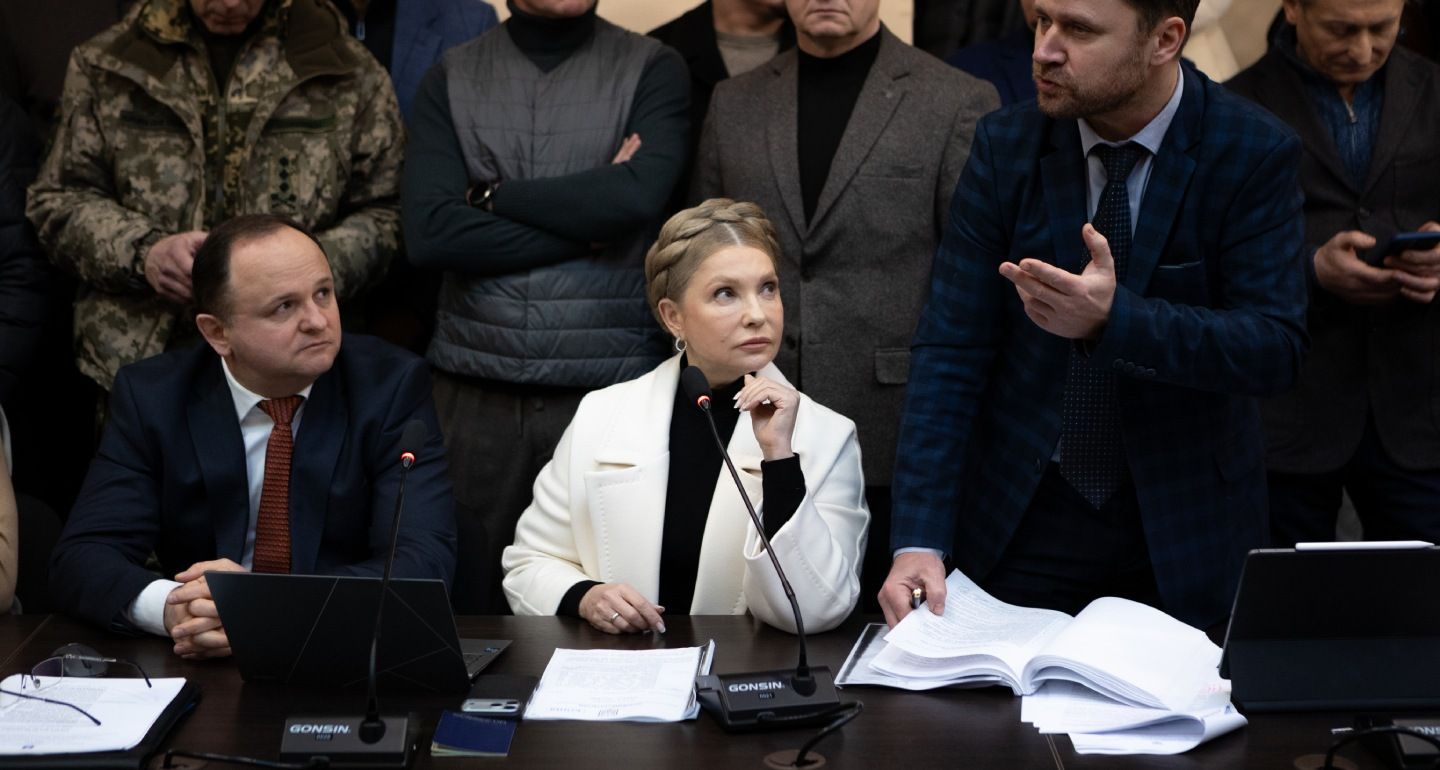
The story of a has-been politician apparently caught red-handed is intersecting with the larger forces at work in the Ukrainian parliament.
Konstantin Skorkin
For years, the Russian government has promoted “sovereign” digital services as an alternative to Western ones and introduced more and more online restrictions “for security purposes.” In practice, these homegrown solutions leave people vulnerable to data leaks and fraud.

Maria Kolomychenko
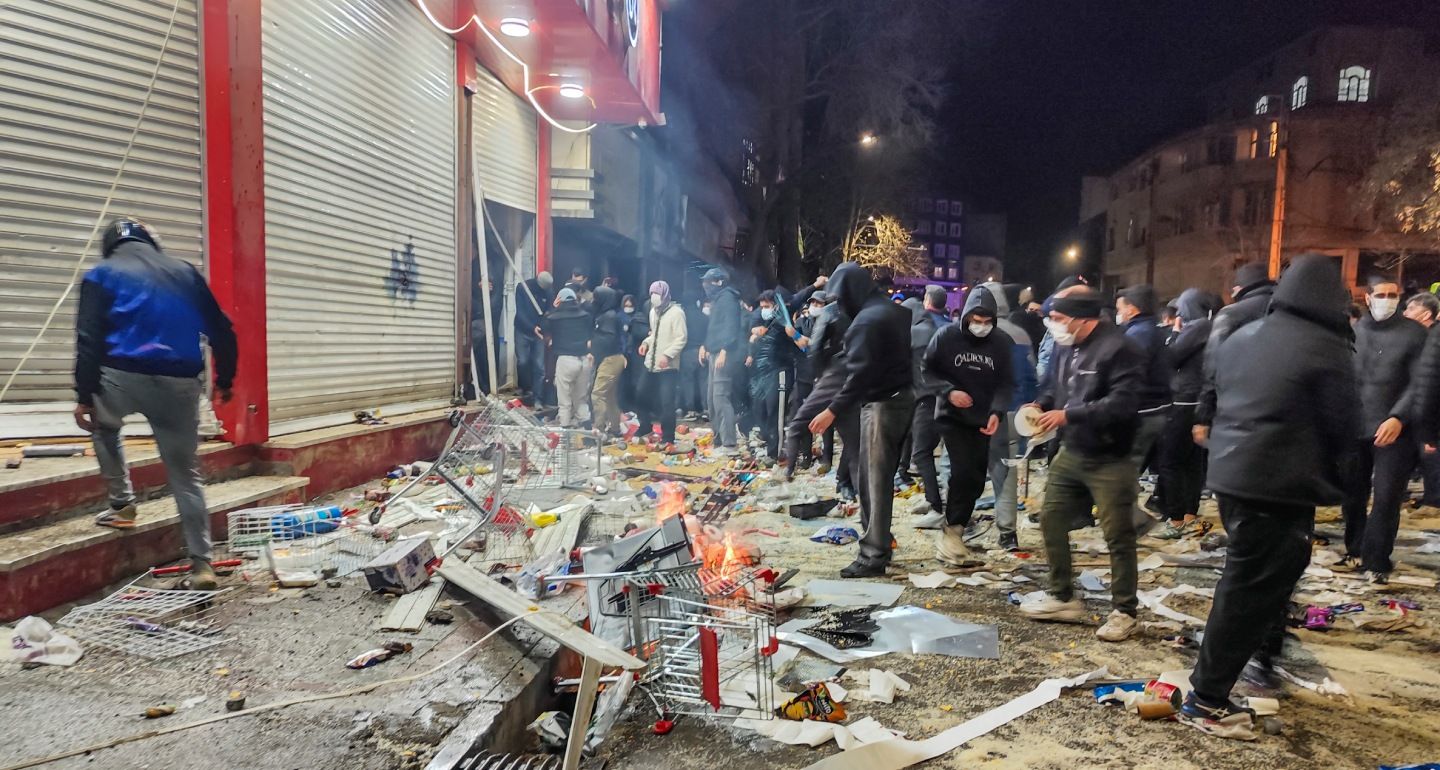
It’s one thing to export Russian helicopters to Iran to fight the insurgency, and it’s easy to imagine Moscow becoming a haven for fleeing Iranian leaders. But it’s very difficult to imagine Russian troops defending the Iranian regime on the ground.
Nikita Smagin
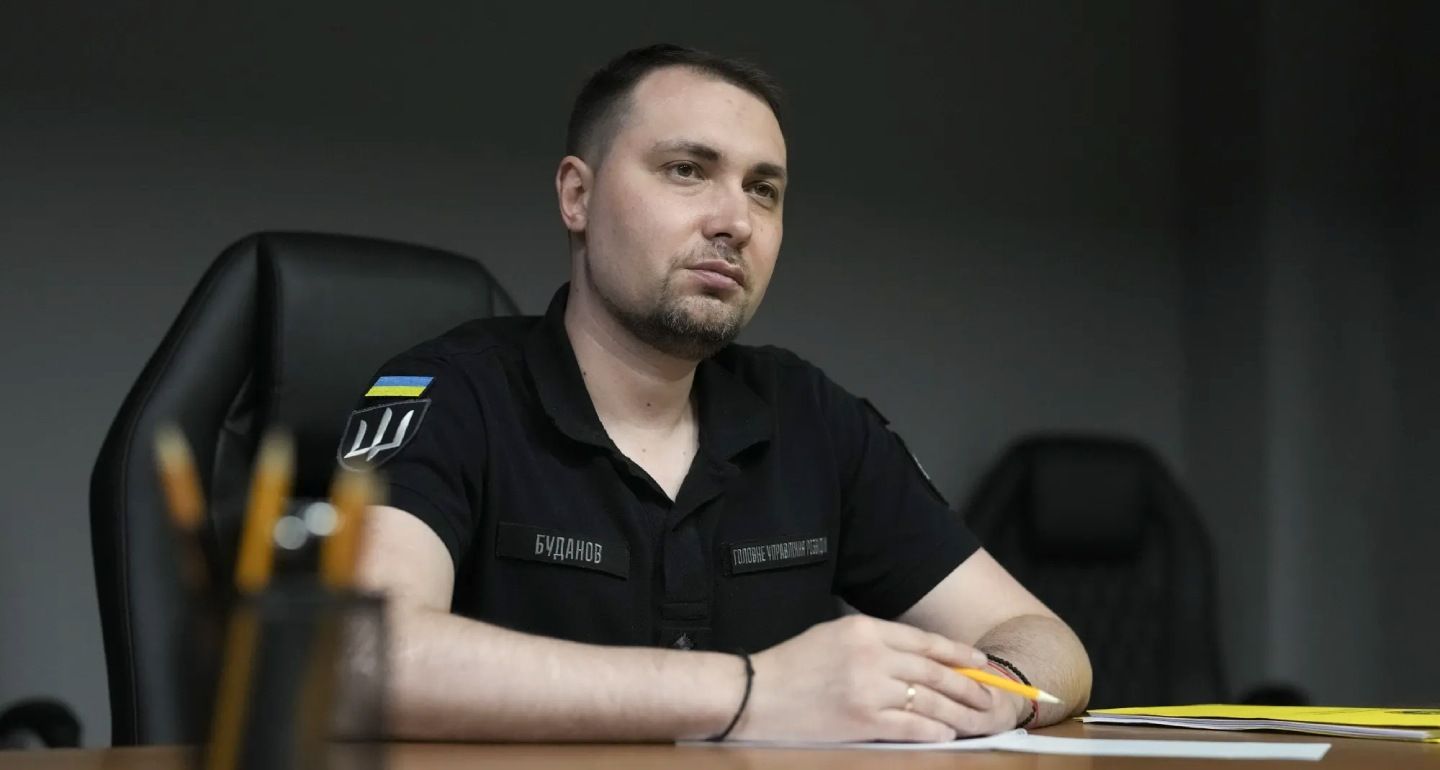
While appointing Kyrylo Budanov will help shore up Zelensky’s political authority and balance the president’s inner circle, the spy chief’s political ambitions mean he could be a threat.
Konstantin Skorkin
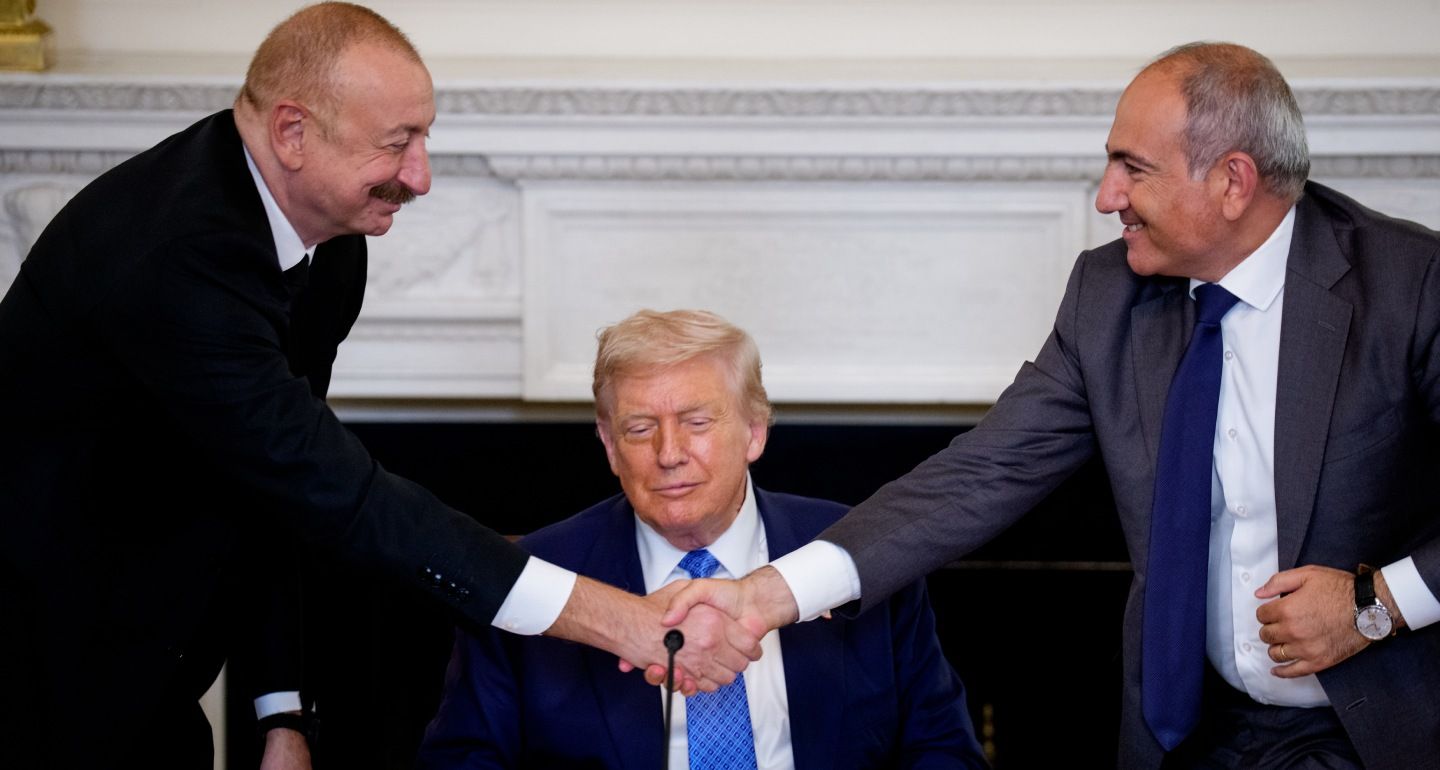
While signaling internationally that it wants peace, the Azerbaijani regime continues to promote anti-Armenian sentiment at home to mobilize domestic support.
Bashir Kitachaev