

{
  "authors": [
    "Alexander Gabuev",
    "Chung Min Lee",
    "Andrei Lankov"
  ],
  "type": "event",
  "centerAffiliationAll": "",
  "centers": [
    "Carnegie Endowment for International Peace",
    "Carnegie Russia Eurasia Center"
  ],
  "collections": [],
  "englishNewsletterAll": "",
  "nonEnglishNewsletterAll": "",
  "primaryCenter": "Carnegie Russia Eurasia Center",
  "programAffiliation": "",
  "programs": [],
  "projects": [],
  "regions": [
    "North America",
    "United States",
    "East Asia",
    "Russia",
    "North Korea"
  ],
  "topics": [
    "Foreign Policy"
  ]
}
The Korean Peninsula After U.S. Elections: Role of Russia and China
Wed, October 7th, 2020
Live Online
Event Transcript
The U.S.-China confrontation has severely damaged the willingness of Washington and Beijing to continue their cooperation on key global issues like the Korean Peninsula. As the United States prepares for a presidential election on November 3, the country’s policy on North Korea remains uncertain: while Joe Biden is likely to focus more on U.S. allies, Donald Trump will give precedence to personal dealings with North Korea’s leader, Kim Jong Un.
Yet progress on the Korean Peninsula doesn’t just depend on the outcome of the U.S. presidential election. It also requires cooperation between all the other major powers involved, namely China and Russia.
On October 7, a panel of leading scholars from Russia and South Korea discussed questions including:
- How is the Sino-American confrontation affecting stability on the Korean Peninsula?
- How do views in Washington, Beijing, and Moscow differ or align on North Korea?
- What are the prospects for the resumption of diplomacy between Washington and Pyongyang?
- How do tensions on the Korean Peninsula affect Northeast Asia more broadly?
- Is there a way for regional and global powers to establish security mechanisms to decrease tensions?
This event was made possible by a grant from the Korea Foundation.
Carnegie does not take institutional positions on public policy issues; the views represented herein are those of the author(s) and do not necessarily reflect the views of Carnegie, its staff, or its trustees.
Event Speakers
Director, Carnegie Russia Eurasia Center

Alexander Gabuev is director of the Carnegie Russia Eurasia Center. Gabuev’s research is focused on Russian foreign policy with particular focus on the impact of the war in Ukraine and the Sino-Russia relationship. Since joining Carnegie in 2015, Gabuev has contributed commentary and analysis to a wide range of publications, including the Financial Times, the New York Times, the Wall Street Journal, and the Economist.
Senior Fellow, Asia Program
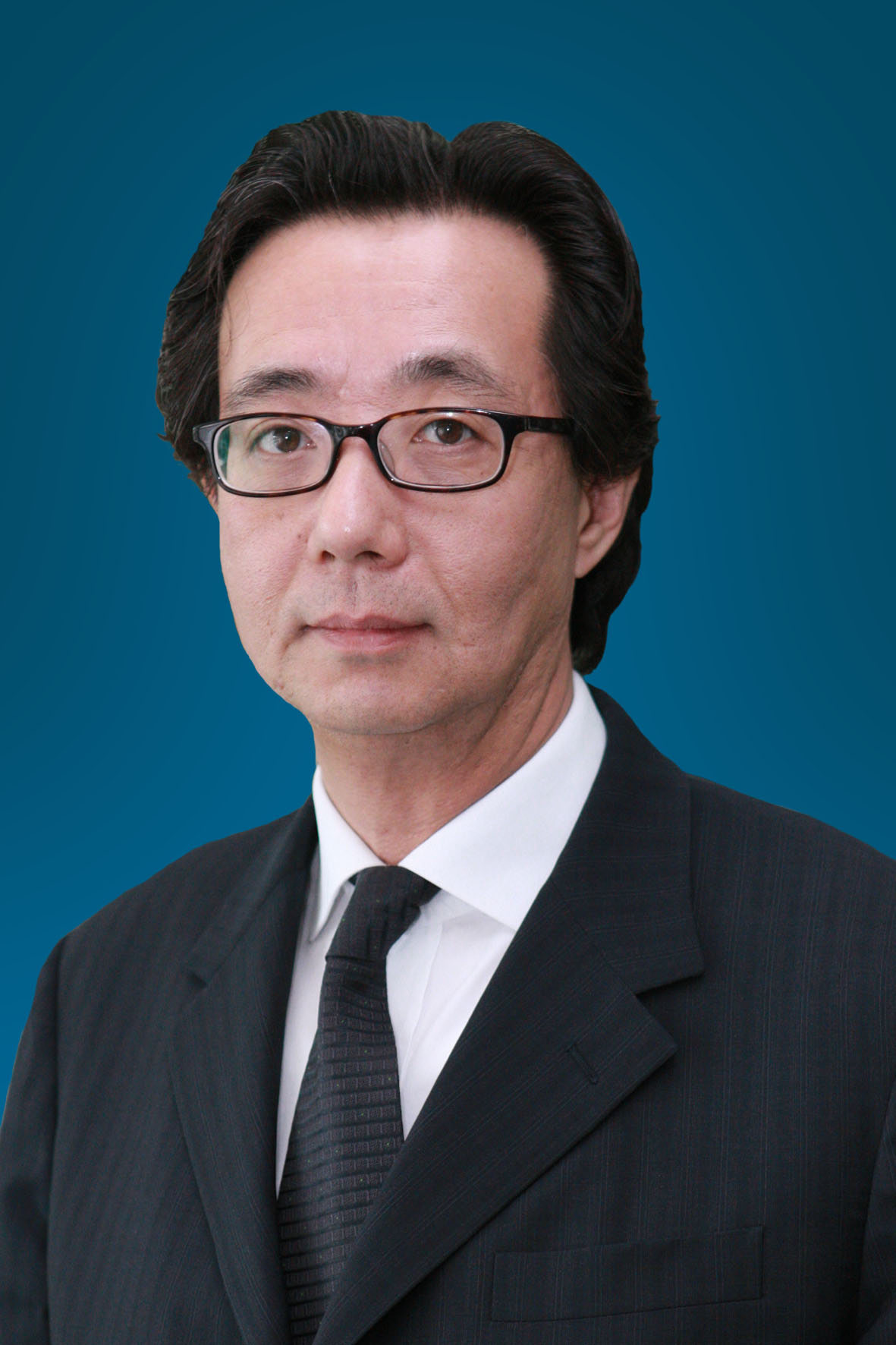
Chung Min Lee is a senior fellow in Carnegie’s Asia Program. He is an expert on Korean and Northeast Asian security, defense, intelligence, and crisis management.
Andrei Lankov
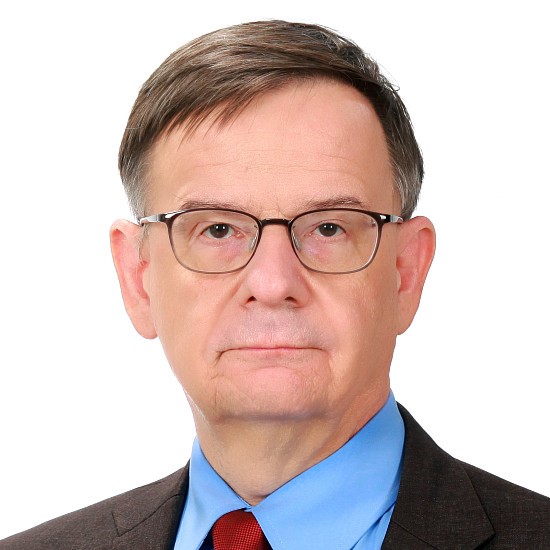
Professor of Korean Studies at Kookmin University (Seoul)