

Commentary
Europe isn’t as weak in the new geopolitics of power as many would believe. But to leverage its assets and claim a sphere of influence, Brussels must stop undercutting itself.
Dimitar Bechev
{
  "authors": [
    "Thomas Graham, Jr."
  ],
  "type": "legacyinthemedia",
  "centerAffiliationAll": "dc",
  "centers": [
    "Carnegie Endowment for International Peace"
  ],
  "collections": [],
  "englishNewsletterAll": "",
  "nonEnglishNewsletterAll": "",
  "primaryCenter": "Carnegie Endowment for International Peace",
  "programAffiliation": "russia",
  "programs": [
    "Russia and Eurasia"
  ],
  "projects": [],
  "regions": [
    "Caucasus",
    "Russia"
  ],
  "topics": [
    "Foreign Policy"
  ]
}
REQUIRED IMAGE
Source: Carnegie
Thomas Graham, Jr.
New York Times, June 1, 2000
WASHINGTON -- Barring a sudden change of heart, President
Vladimir Putin of Russia will do the United States a great service
when he sits down with President Clinton this weekend and refuses to
modify the Antiballistic Missile Treaty to allow the United States to
deploy a limited missile defense.
Why does Russian opposition work in America's interest? We are still in
the early stages of a serious debate over a national defense against missile
attacks and, more broadly, over our nuclear strategy in the new century.
Without a consensus on these important points, it is simply wrong to cut a
deal with Moscow, either now or in the remaining months of the Clinton
presidency.
The Clinton administration, of course, does not see it that way. Mr.
Clinton does not want to be the first president in decades to fail to sign a
significant arms control agreement with the Russians. When the summit
meeting was announced several weeks ago, officials hoped to make an
arms-control agreement its centerpiece, and saw reasons for optimism.
In April, Mr. Putin pushed the long-delayed ratification of the second
strategic arms reduction treaty, known as Start II, through the Russian
Parliament. The Clinton administration took this as a sign that he was
prepared to deal. American officials were also encouraged that Sergei
Ivanov, director of Russia's national security council and a close Putin
confidant, had not flatly opposed amending the ABM treaty, which bans
missile defense systems, during a visit to Washington in February.
Subsequent discussions, however, have shattered the administration's
optimism, and it has since tried to lower expectations. Last week, Samuel
Berger, the White House national security adviser, stated that he did not
expect arms control issues to be resolved this weekend. Rather, he said,
the summit would be "a good opportunity for us to explain our view of
the problem, and for President Putin to express his view of the problem."
The administration still hopes to cut a deal before Mr. Clinton leaves
office, but that remains wishful thinking. The Russians have little incentive
to negotiate. The debate in the United States over the reliability of the
missile-defense technology and the scope of the system we should build
is growing. Our European allies are becoming more concerned, and
China is adamantly opposed to missile defense systems. This only
encourages Mr. Putin to stand his ground.
The Russians are also concerned that an American missile defense could
eventually undermine the effectiveness of their own nuclear arsenal,
arguably their last remaining claim to great power status. The problem is
not the limited system the Clinton administration wants to deploy against
the threat of missile attacks from North Korea.
The Russians know that the White House's proposed system would pose
no defense against their arsenal. But over the next decade, as the
technology improves, they fear that without the ABM treaty's controls, a
more effective system could be built.
Also worrying the Russians are the economic constraints that will force
them to reduce their nuclear arsenal, as weapons can no be longer be
maintained or replaced, to below 1,500 warheads, regardless of what the
United States does. The last thing they can afford is a new high-tech arms
race.
To overcome Moscow's resistance, the Clinton administration could be
tempted to sweeten the pot further in its last months by promising to
reduce the capabilities of a national defense system. That would be the
wrong approach at this time.
As Gov. George W. Bush and others have noted, there is a new world
out there: the nuclear equation has changed radically. The challenge has
expanded beyond maintaining stability between two nuclear-armed
superpowers. Arsenals in Russia and the United States may be reduced,
but others, notably in China, will increase. Nuclear-weapons and
ballistic-missile technology will almost inevitably continue to spread to
rogue states.
While it would be folly to lightly discard the strategic arms treaties that
have maintained stability for the last 30 years, it would be equal folly not
to reassess these treaties in light of the changes over the past decade.
In this environment, we do not need a quick decision on whether to
deploy a national missile defense system. Instead, we need to forge a
domestic consensus about anything we might build, and we must
persuade our allies in Europe and East Asia to endorse whatever path we
choose.
Yes, we should be talking all along to the Russians to assess their views
and reactions. But until we have done our work at home and with our
allies, we should be wary of signing any treaty with Moscow.
Logically, only the next administration can conclude this debate. And that
is why, if events unfold as expected, Americans should be prepared to
thank Vladimir Putin for looking out for their interests by saying no to
President Clinton on missile defense.
Thomas Graham, a senior associate at the Carnegie Endowment for
International Peace, was the chief political analyst at the United
States Embassy in Moscow from 1994 to 1997.
Former Senior Associate
Carnegie does not take institutional positions on public policy issues; the views represented herein are those of the author(s) and do not necessarily reflect the views of Carnegie, its staff, or its trustees.
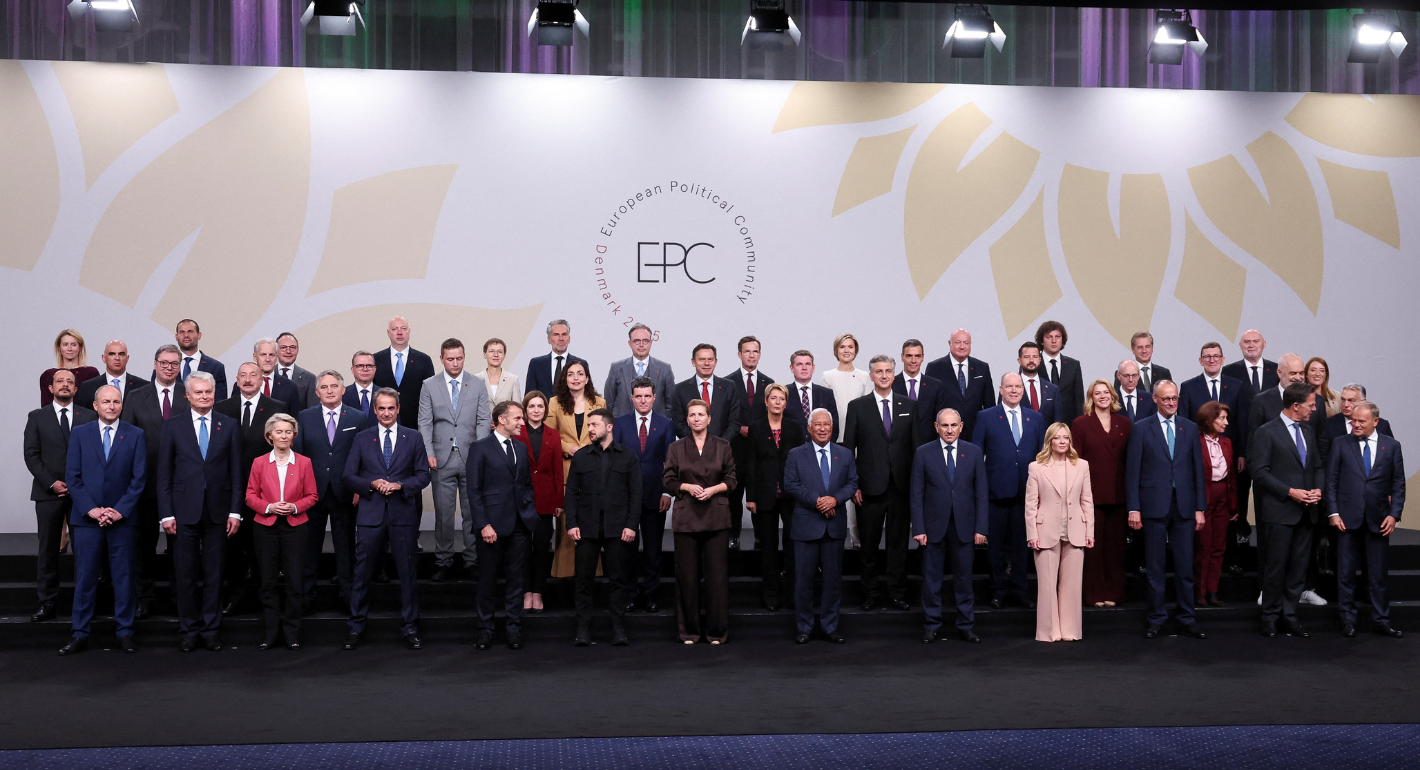
Europe isn’t as weak in the new geopolitics of power as many would believe. But to leverage its assets and claim a sphere of influence, Brussels must stop undercutting itself.

Dimitar Bechev
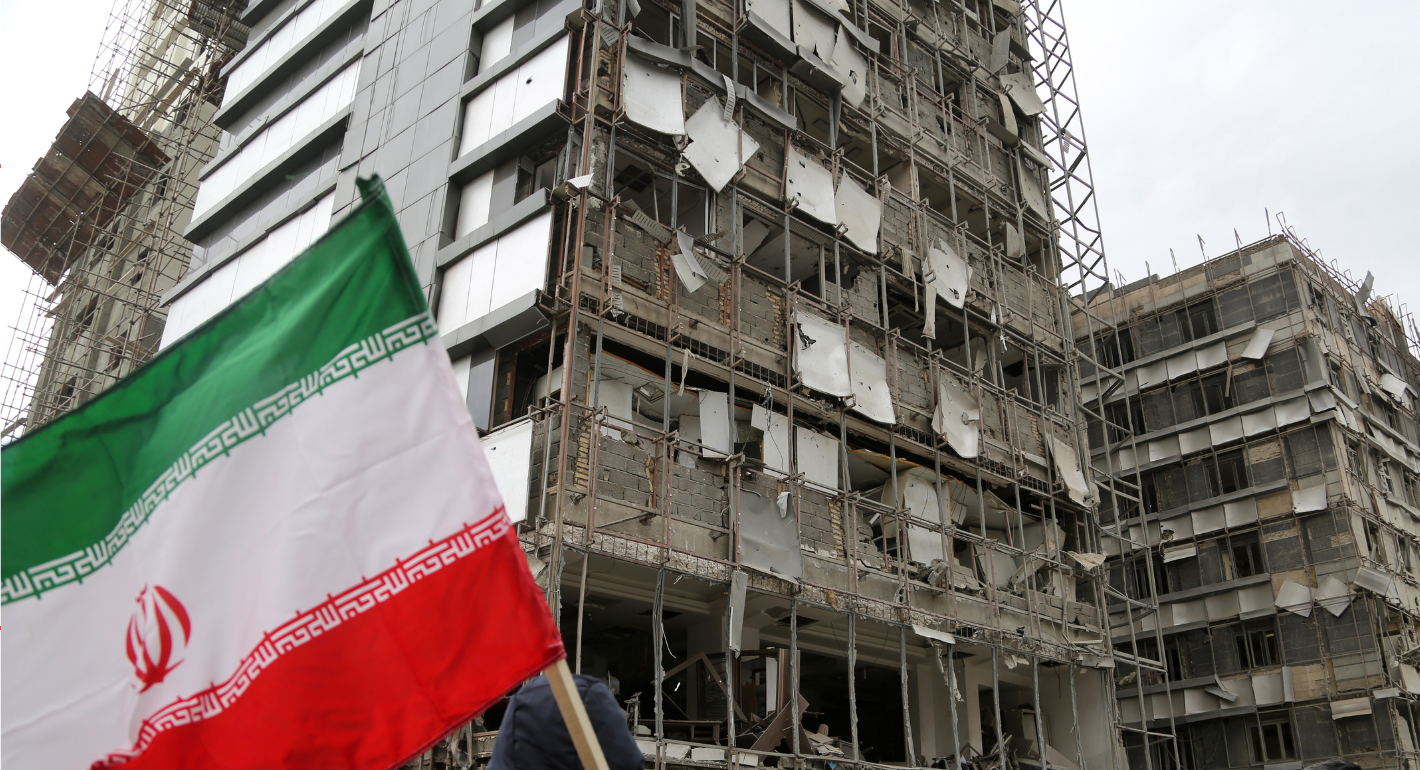
Europe’s reaction to the war in Iran has been disunited and meek, a far cry from its previously leading role in diplomacy with Tehran. To avoid being condemned to the sidelines while escalation continues, Brussels needs to stand up for international law.

Pierre Vimont
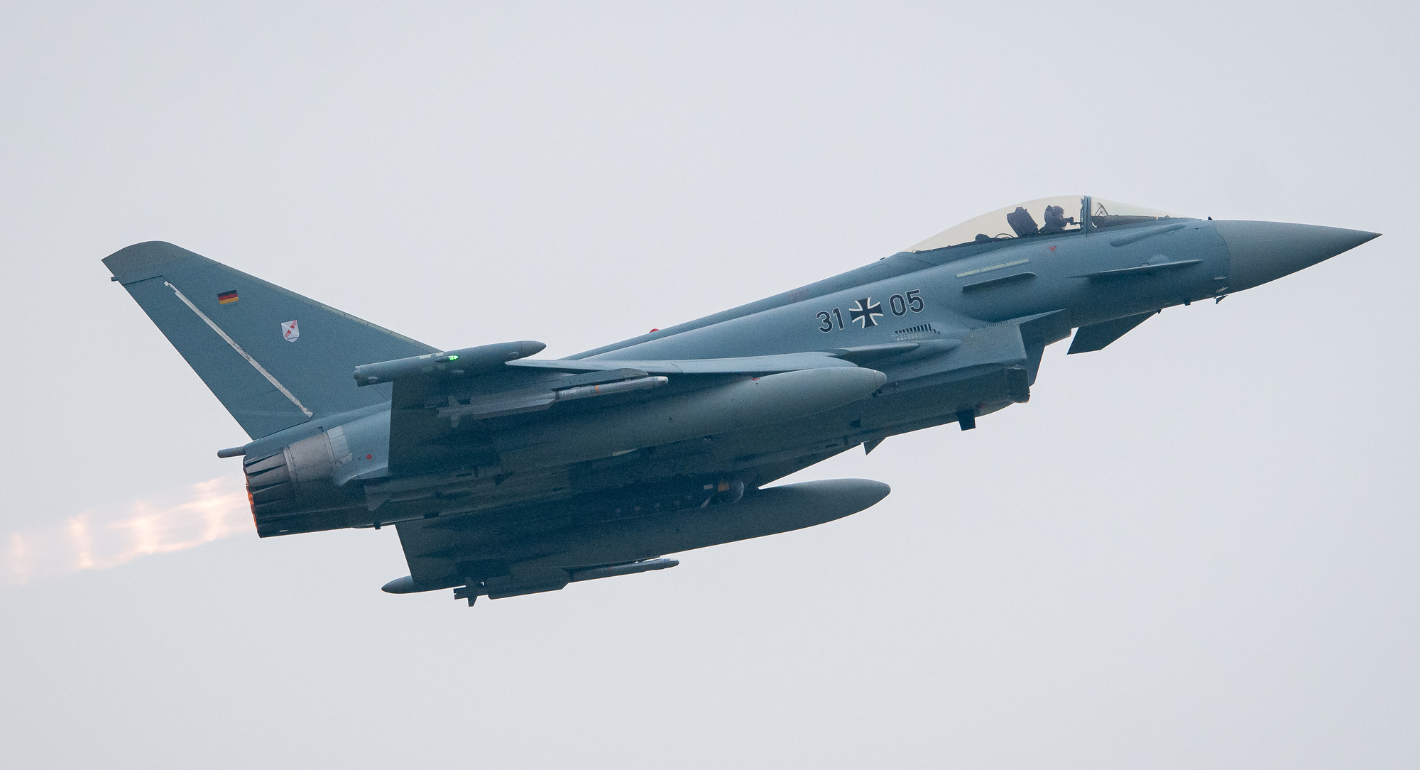
France and Germany’s failure to agree on the Future Combat Air System (FCAS) raises questions about European defense. Amid industrial rivalries and competing strategic cultures, what does the future of European military industrial projects look like?

Rym Momtaz, ed.
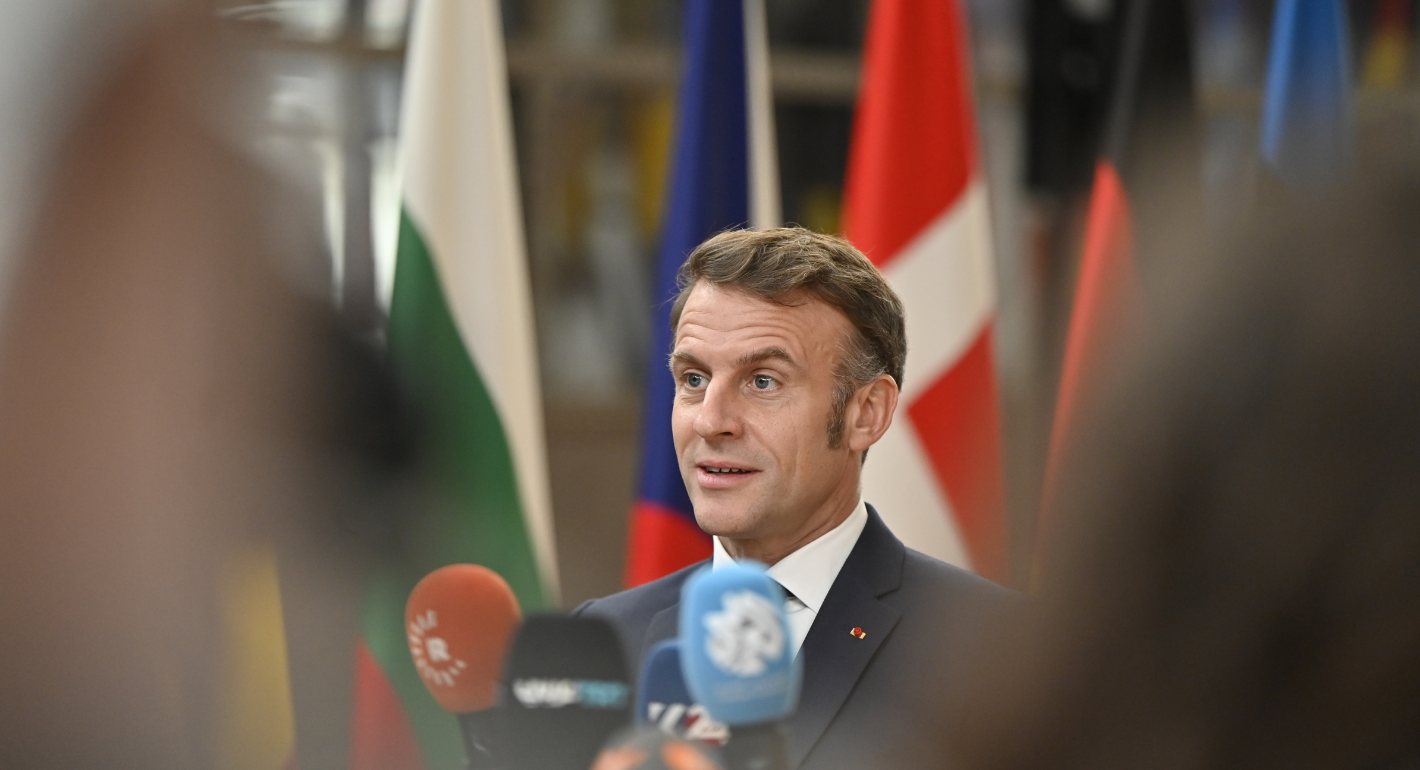
France has stopped clinging to notions of being a great power and is embracing the middle power moment. But Emmanuel Macron has his work cut out if he is to secure his country’s global standing before his term in office ends.
Rym Momtaz

Despite offering security benefits to candidates and the EU alike, the enlargement agenda appears stalled. Why is progress not being made, and is it time for Europe to rethink its approach?

Sylvie Goulard, Gerald Knaus