

Article
Andrew Kuchins
{
  "authors": [
    "Andrew Kuchins"
  ],
  "type": "legacyinthemedia",
  "centerAffiliationAll": "dc",
  "centers": [
    "Carnegie Endowment for International Peace"
  ],
  "collections": [],
  "englishNewsletterAll": "ctw",
  "nonEnglishNewsletterAll": "",
  "primaryCenter": "Carnegie Endowment for International Peace",
  "programAffiliation": "russia",
  "programs": [
    "Russia and Eurasia"
  ],
  "projects": [],
  "regions": [
    "Caucasus",
    "Russia"
  ],
  "topics": [
    "Military",
    "Foreign Policy",
    "Nuclear Policy"
  ]
}
REQUIRED IMAGE
Source: Carnegie
Originally published in Arms Control Today October 2002
Since at least 1999, much of the arms control and Russia-watching communities repeatedly cautioned that U.S. plans to develop and deploy national missile defense would bring on the next “great train wreck” in U.S.-Russian relations (to say nothing of the nonproliferation regime). Some Russian analysts in 2000 and 2001 expressed concern that the one-two punch of killing the Anti-Ballistic Missile (ABM) Treaty and expanding NATO to include the Baltic states would strike such a blow to U.S.-Russian relations that it risked bringing on another Cold War and an arms race as well as a possible security alliance between Moscow and Beijing.
Former Senior Associate and Director, Russian & Eurasian Program
Recent Work
Andrew Kuchins
Andrew Kuchins
Carnegie does not take institutional positions on public policy issues; the views represented herein are those of the author(s) and do not necessarily reflect the views of Carnegie, its staff, or its trustees.
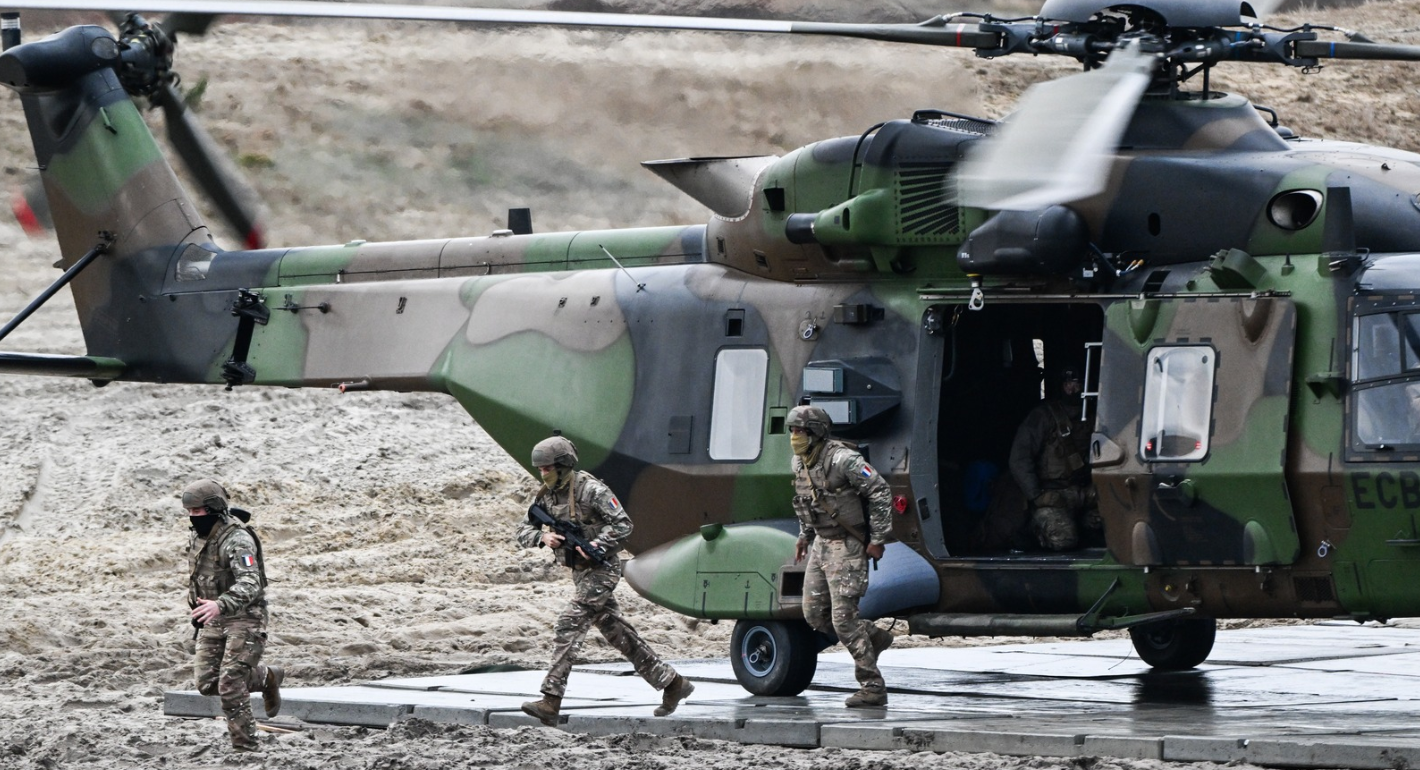
A trilateral summit in China was advertised as the new Yalta but yielded little more than a photo opportunity for Vladimir Putin. The real work was being done by the Europeans, quietly, in rural Poland.

Rym Momtaz
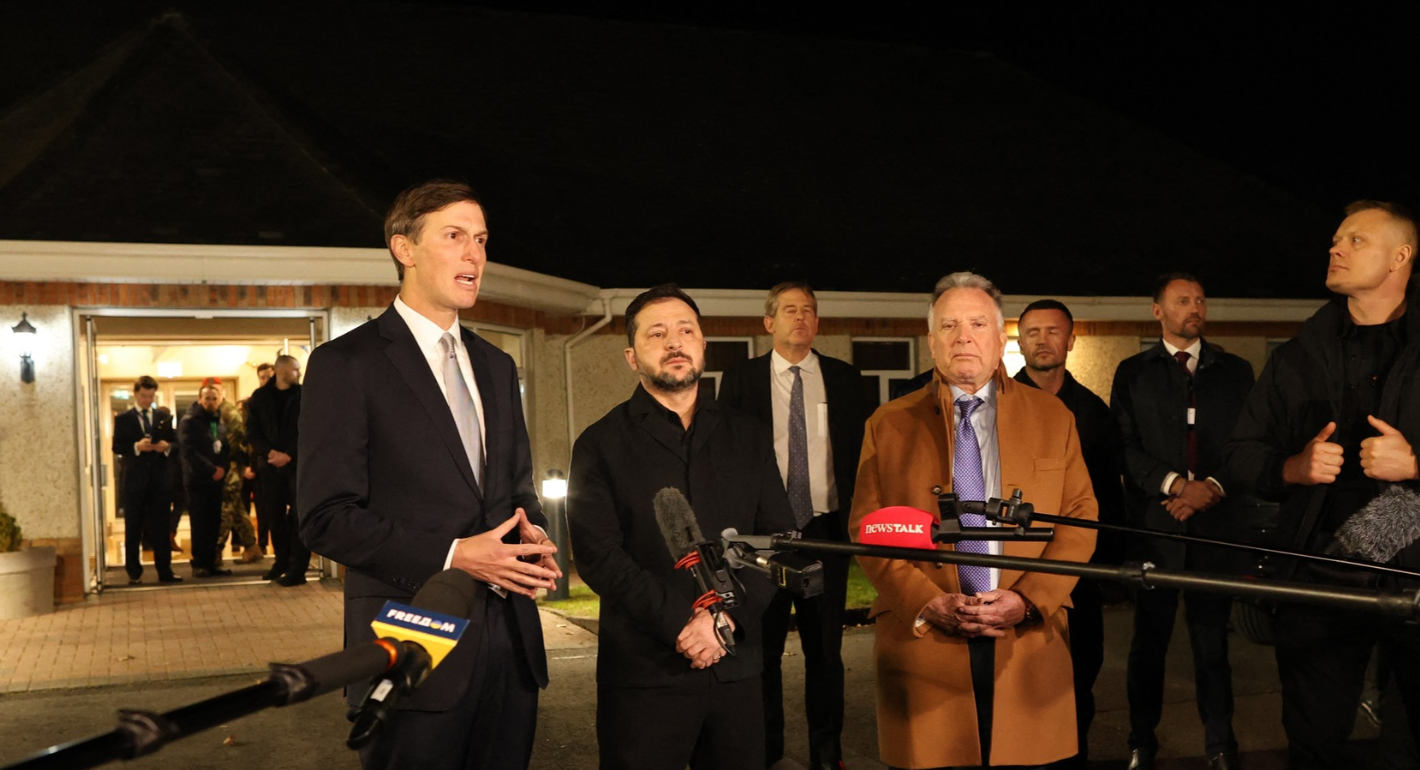
Russia’s maximalist demands are preventing any serious attempt at ending the war in Ukraine. To make peace a realistic prospect, Putin must recognize that diplomacy is a two-way street.
Kadri Liik

Too many national interests, too many EU institutions, and too little political will are preventing Europe from acting in its own best interests.

Judy Dempsey
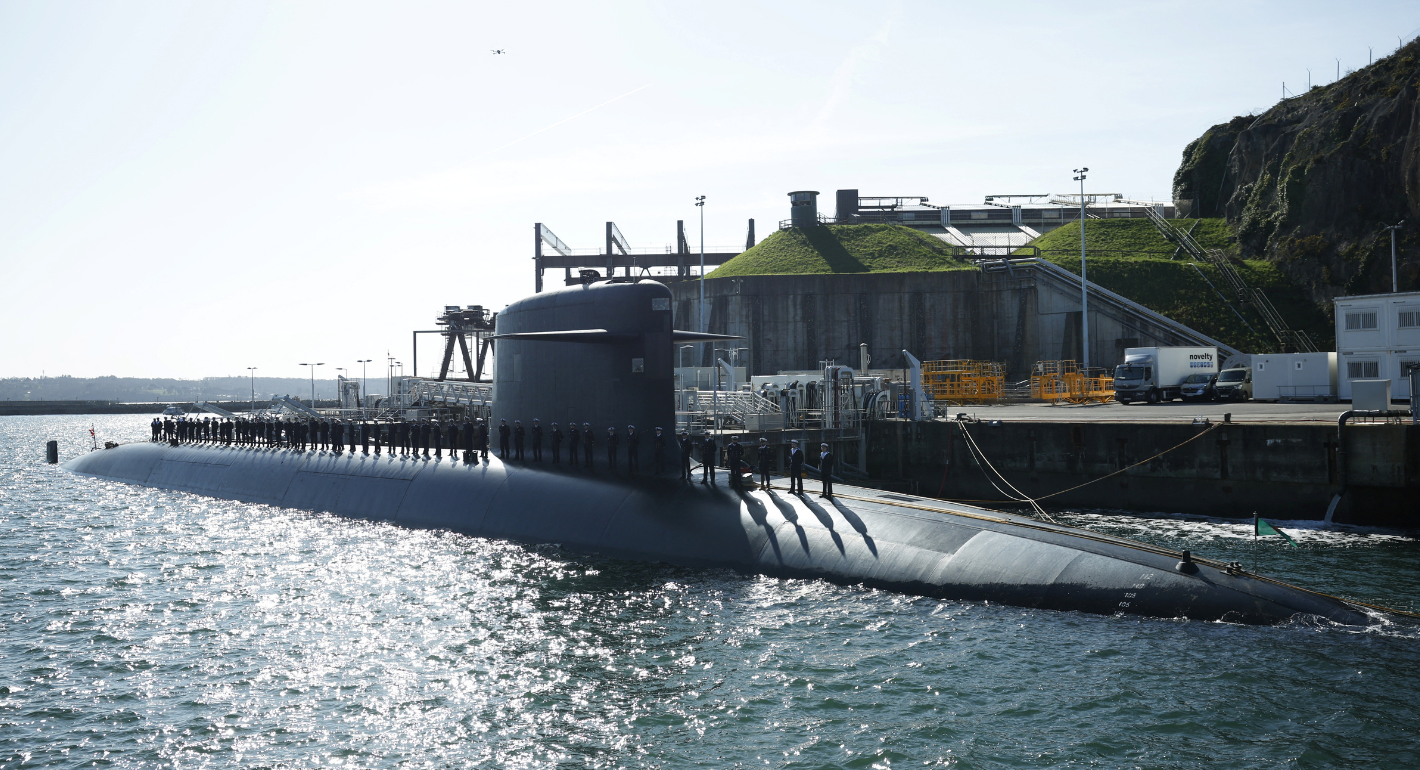
As the nuclear order rapidly evolves, what can Europeans and other key players do to strengthen deterrence and reduce risks?

Jamie Kwong, ed.
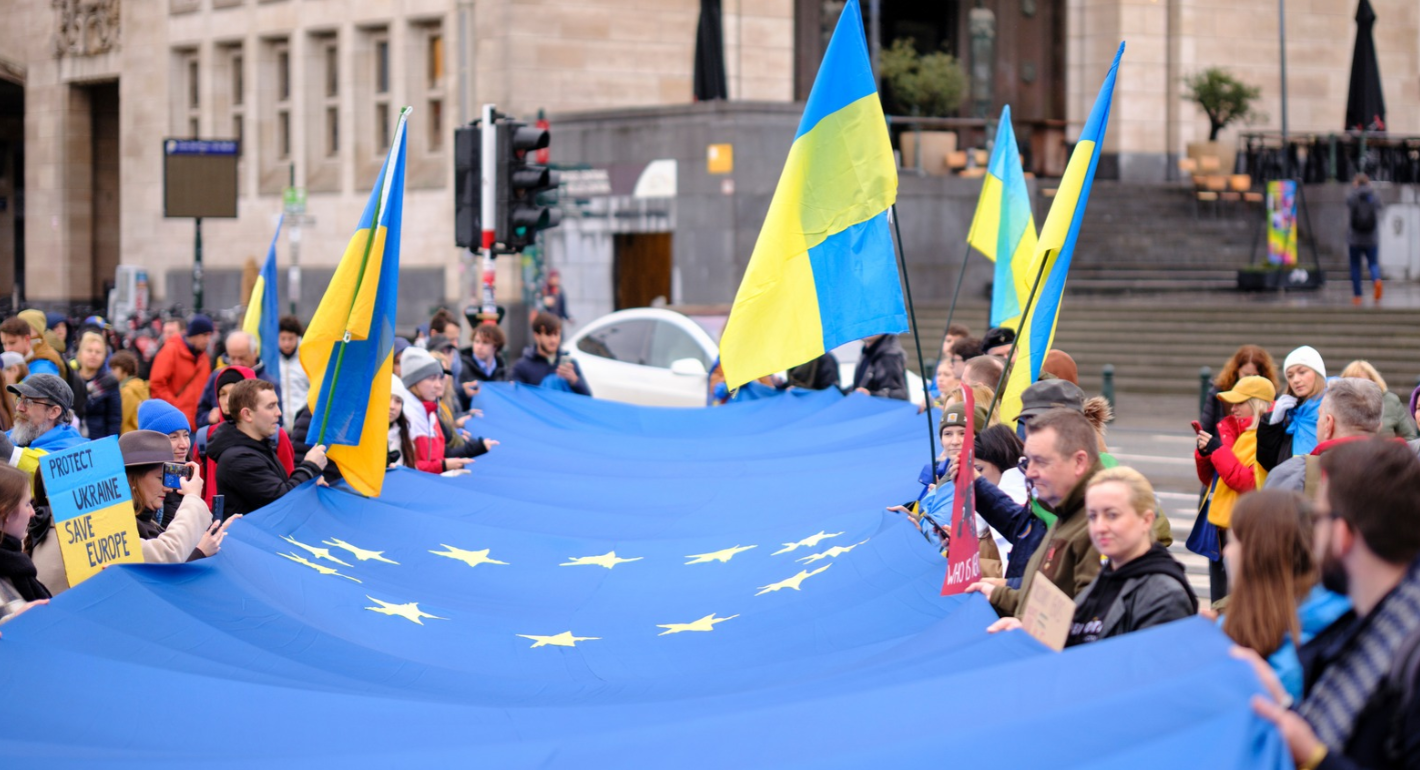
A sizeable funding shortfall looks increasingly likely to hit Ukraine in 2027. Can the Europeans, with their strained budgets and economies, come up with the cash without seizing frozen Russian assets?
Rym Momtaz, ed.