

In The Media
Michele Dunne, Robert Kagan
{
  "authors": [
    "Robert Kagan"
  ],
  "type": "legacyinthemedia",
  "centerAffiliationAll": "",
  "centers": [
    "Carnegie Endowment for International Peace"
  ],
  "collections": [],
  "englishNewsletterAll": "",
  "nonEnglishNewsletterAll": "",
  "primaryCenter": "Carnegie Endowment for International Peace",
  "programAffiliation": "",
  "programs": [],
  "projects": [],
  "regions": [
    "Iraq"
  ],
  "topics": []
}
REQUIRED IMAGE
Source: Carnegie
Originally published in the Washington Post, September 13, 2002
If you're the kind of person who worries about American unilateralism, here's what should really keep you up at night: Even most American multilateralists are unilateralists at the core.
Consider what passes these days for a "multilateralist" view on Iraq: Before taking any action against Iraq, the United States should seek the approval of the U.N. Security Council. Then, if the Security Council refuses, the United States can invade anyway. As Secretary of State Colin Powell said on Sunday, the Bush administration will bring the Iraq case to the United Nations, but that doesn't mean "we lose our option to do what we might think is appropriate to do." Or, as James Baker put it, "even if the administration fails in the Security Council, it is still free" to make its own decision.
Really? Many Europeans -- and Kofi Annan -- would disagree with that quintessentially American view. They have this idea that the U.N. Security Council is the only world body legally empowered to decide whether Iraq is to be invaded. They think that if powerful nations such as the United States go around deciding for themselves who will and who will not be invaded, then the world will collapse into a Hobbesian state of nature. As French President Jacques Chirac told the New York Times' Elaine Sciolino recently, "a few principles and a little order are needed to run the affairs of the world. . . . I can't say both 'the Security Council must decide' and then, once it has decided, 'I'll do what I want.' " But that's the funny thing about American "multilateralists": Powell and Baker and many others have no trouble saying exactly that.
Clearly multilateralism has different meanings on either side of the Atlantic. Most Europeans believe in what might be called principled multilateralism. In this view, gaining U.N. Security Council approval is not a means to an end but an end in itself, the sine qua non for establishing an international legal order. Even if the United States were absolutely right about Iraq, even if the dangers were exactly as the Bush administration presents them, Europeans believe the United States would be wrong to invade without formal approval. If the Security Council says no, the answer is no.
Not many Americans would agree. Most Americans are not principled multilateralists. They are instrumental multilateralists. Yes, they want to win international support. They like allies, and they like approval for their actions. But the core of the American multilateralist argument is pragmatic. As Baker puts it, "the costs will be much greater, as will the political risks, both domestic and international, if we end up going it alone." This would seem unarguable. But Baker's multilateralism is a cost-benefit analysis, not a principled commitment to multilateral action as the cornerstone of world order.
The press refers to Baker and Powell as foreign policy "realists." But remember, realists in the tradition of Hans Morgenthau and George Kennan don't actually believe in the United Nations. And, in fact, very few American multilateralists are as committed as their European friends to building an international legal order around the United Nations. For most Americans, getting a few important allies on board is multilateralism. When the Clinton administration fought Slobodan Milosevic without Security Council authorization, many European governments considered that a troubling precedent. But Richard Holbrooke, Madeleine Albright and their colleagues thought it a very fine precedent indeed. To most American multilateralists the U.N. Security Council is not the final authority. It's like a blue-ribbon commission. If it makes the right recommendation, it strengthens your case. If not, you can always ignore it.
In fact, despite what many believe, there really isn't a debate between multilateralists and unilateralists in the United States today. Just as there are few principled multilateralists, there are few genuine unilateralists. Few inside or outside the Bush administration truly consider it preferable for the United States to go it alone in the world. Most would rather have allies. They just don't want the United States prevented from acting alone if the allies refuse to come along.
So the real debate in the United States is about style and tactics. Some of the administration's critics, such as Holbrooke and Joseph Nye, say the United States should build goodwill by working hard for Security Council support. When that fails, the United States can go ahead and do what it wants, but the good-faith effort to accommodate allied concerns will have won the United States Brownie points. Some Bush administration strategists believe, on the contrary, that the best way to bring the allies along is by making clear that the United States will go it alone if necessary. They figure that key allies such as Britain and France won't want to be left behind, looking helpless and irrelevant.
The two views aren't necessarily contradictory. Fear of the Bush administration's "going it alone" has already begun forcing important Europeans such as Chirac to accommodate themselves to an American-created reality on Iraq. Now Bush's willingness to talk about the United Nations' role may ease the path for Chirac, Tony Blair and others to join in an eventual military action, even if, at the end of the day, there is no explicit U.N. authorization. It's the unilateralist iron fist inside the multilateralist velvet glove.
This blend of unilateralism and multilateralism reflects a broad and deep American consensus. Americans prefer to act with the sanction and support of other countries if they can. But they're strong enough to act alone if they must. That combination may prove to be the winning formula in Europe and elsewhere. Maybe it won't be quite the principled multilateralism Europeans and Kofi Annan prefer. In an age of American hegemony, it will be multilateralism, American style.
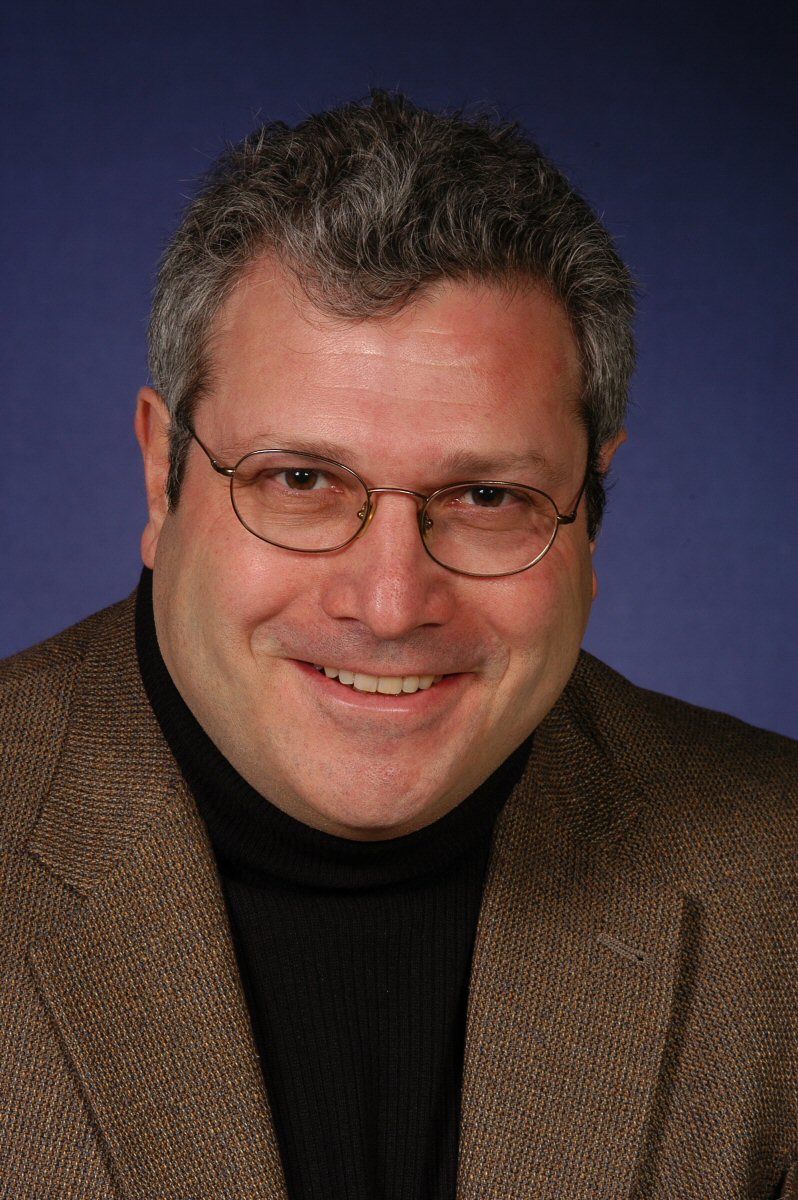
Robert Kagan, a senior associate at the Carnegie Endowment for International Peace, writes a monthly column for The Post.
Former Senior Associate
Kagan, author of the recent book, The Return of History and the End of Dreams (Knopf 2008), writes a monthly column on world affairs for the Washington Post and is a contributing editor at both the Weekly Standard and the New Republic.
Recent Work

Michele Dunne, Robert Kagan
Robert Kagan, Michele Dunne
Carnegie does not take institutional positions on public policy issues; the views represented herein are those of the author(s) and do not necessarily reflect the views of Carnegie, its staff, or its trustees.

The U.S.-Iran war has crossed a dangerous threshold: water infrastructure in the Gulf is now a target. Ecological statecraft is no longer peripheral to security, it's part of its foundations.


Olivia Lazard, Ali Bin Shahid
Hard-line approaches to asylum policy are increasingly common, with crackdowns proposed even by parties that traditionally hold liberal views on migration. Does this shift represent a break with Europe’s fundamental values?

Thomas de Waal
Turkey’s dependence on energy imports has an impact on the country’s economic and geopolitical orientation. Turkish leaders should devise energy policies that respond to domestic priorities, regional ambitions, and the challenges posed by climate change.
Francesco Siccardi
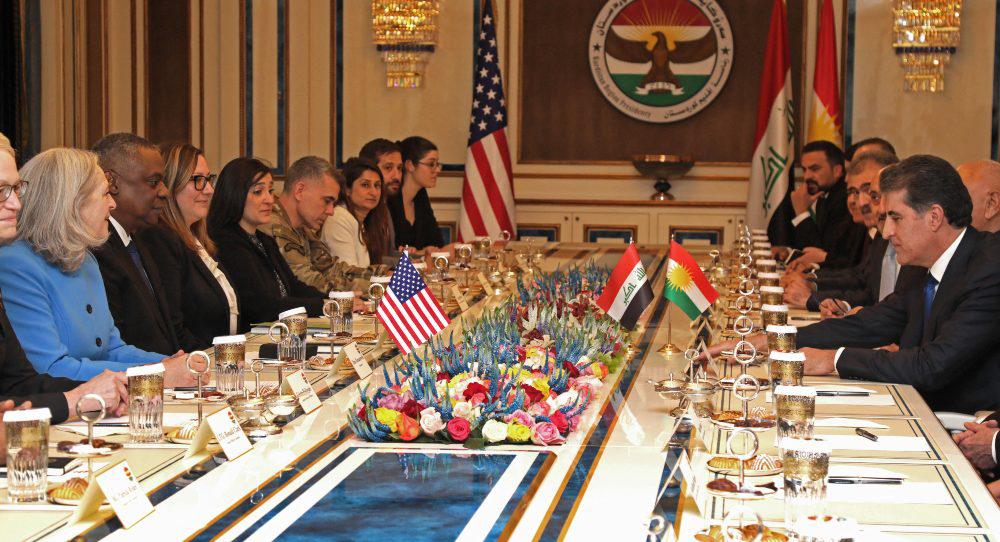
The United States and its European allies are still grappling with the consequences of their invasion of Iraq. As Russia continues its invasion of Ukraine, it is time to understand the lessons from 2003.

Rosa Balfour
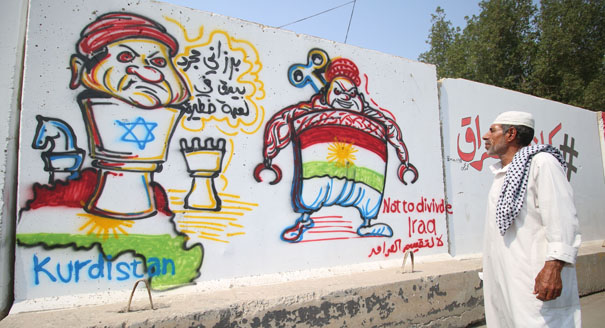
Iraqi Kurdistan, like Catalonia, must move on to peaceful negotiations over the modalities of equitable coexistence.

Marc Pierini