

Article
Radical-right parties are expected to do well in upcoming elections in four of the EU's biggest member states. If successful, they could prevent the union from addressing key challenges ahead.
Stefan Lehne
{
  "authors": [
    "Thomas Carothers",
    "Marina Ottaway",
    "Amy Hawthorne",
    "Daniel Brumberg"
  ],
  "type": "other",
  "centerAffiliationAll": "dc",
  "centers": [
    "Carnegie Endowment for International Peace"
  ],
  "collections": [],
  "englishNewsletterAll": "democracy",
  "nonEnglishNewsletterAll": "",
  "primaryCenter": "Carnegie Endowment for International Peace",
  "programAffiliation": "DCG",
  "programs": [
    "Democracy, Conflict, and Governance"
  ],
  "projects": [],
  "regions": [
    "Middle East",
    "Iraq"
  ],
  "topics": [
    "Political Reform",
    "Democracy"
  ]
}
REQUIRED IMAGE
Source: Carnegie
The increasingly popular idea in Washington that the United States, by toppling Saddam Hussein, can rapidly democratize Iraq and unleash a democratic tsunami in the Middle East is a dangerous fantasy. The U.S. record of building democracy after invading other countries is mixed at best and the Bush administration's commitment to a massive reconstruction effort in Iraq is doubtful. The repercussions of an intervention in Iraq will be as likely to complicate the spread of democracy in the Middle East as promote it. The United States has an important role to play in fostering democracy in the region, but the task will be slow and difficult given the unpromising terrain and lack of U.S. leverage over key governments.
Click on link above for full text of this Policy Brief.
About the Authors
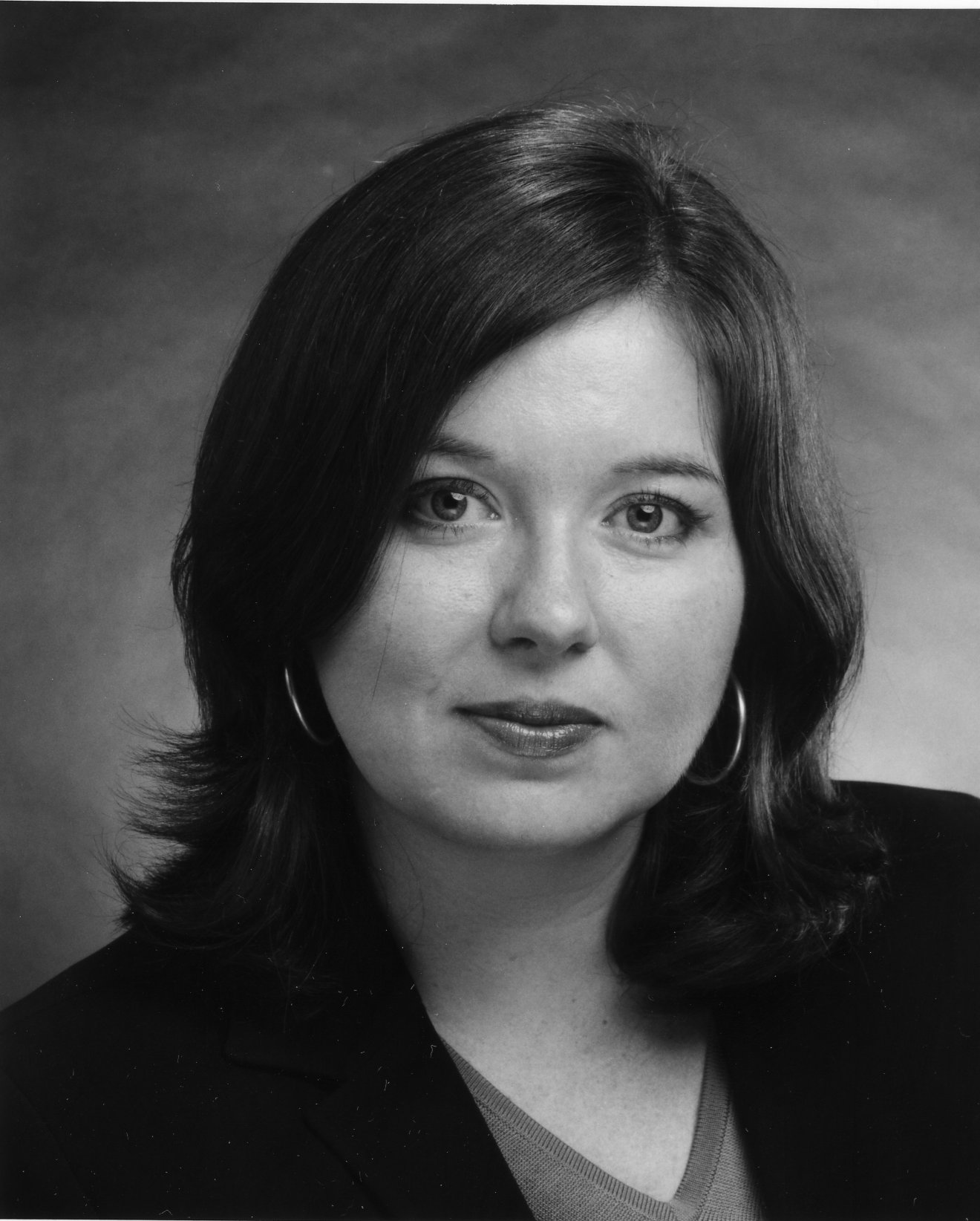
Marina Ottaway, senior associate in the Democracy and Rule of Law Project at the Carnegie Endowment, is the author or editor of more than ten books on comparative politics including the forthcoming Democracy Challenged: The Rise of Semiauthoritarianism (Carnegie Endowment, January 2003). She is also the coauthor of Rebuilding Afghanistan: Fantasy versus Reality (Carnegie Endowment Policy Brief No. 12)
Thomas Carothers directs Carnegie's Democracy and Rule of Law Project and is a leading specialist on democracy promotion. He is the author of several books and many articles on the subject including Aiding Democracy Abroad: The Learning Curve (Carnegie Endowment, 1999).
Amy Hawthorne is associate in the Democracy and Rule of Law Project and a specialist in Arab politics. She is the author of a forthcoming monograph on U.S. democracy promotion in the Middle East.
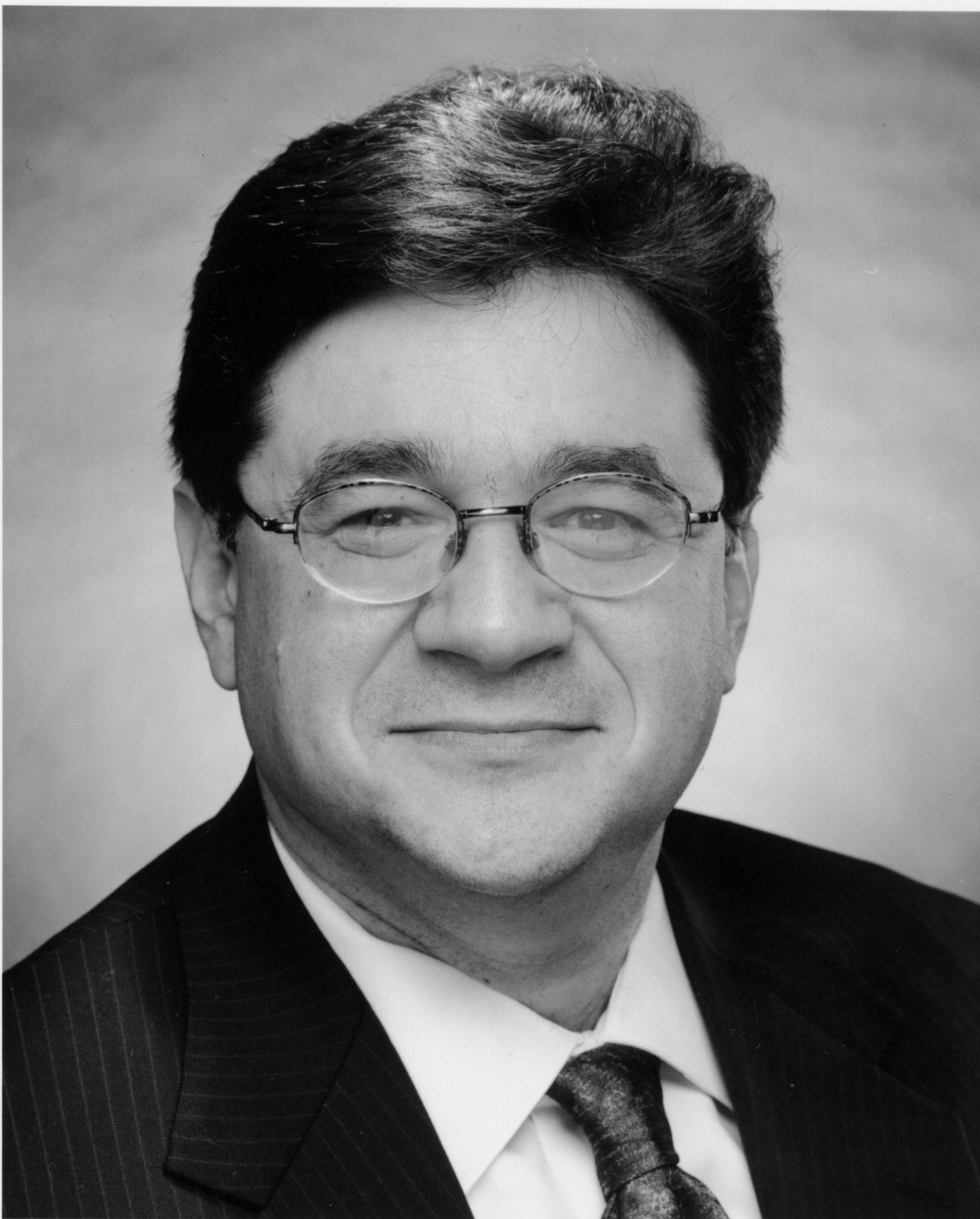
Dan Brumberg is visiting scholar in the Democracy and Rule of Law Project and associate professor of government at Georgetown University. He has written widely on political and social change in the Middle East including Reinventing Khomeini: The Struggle for Reform in Iran (University of Chicago, 2001).

Harvey V. Fineberg Chair for Democracy Studies; Senior Fellow, Democracy, Conflict, and Governance Program
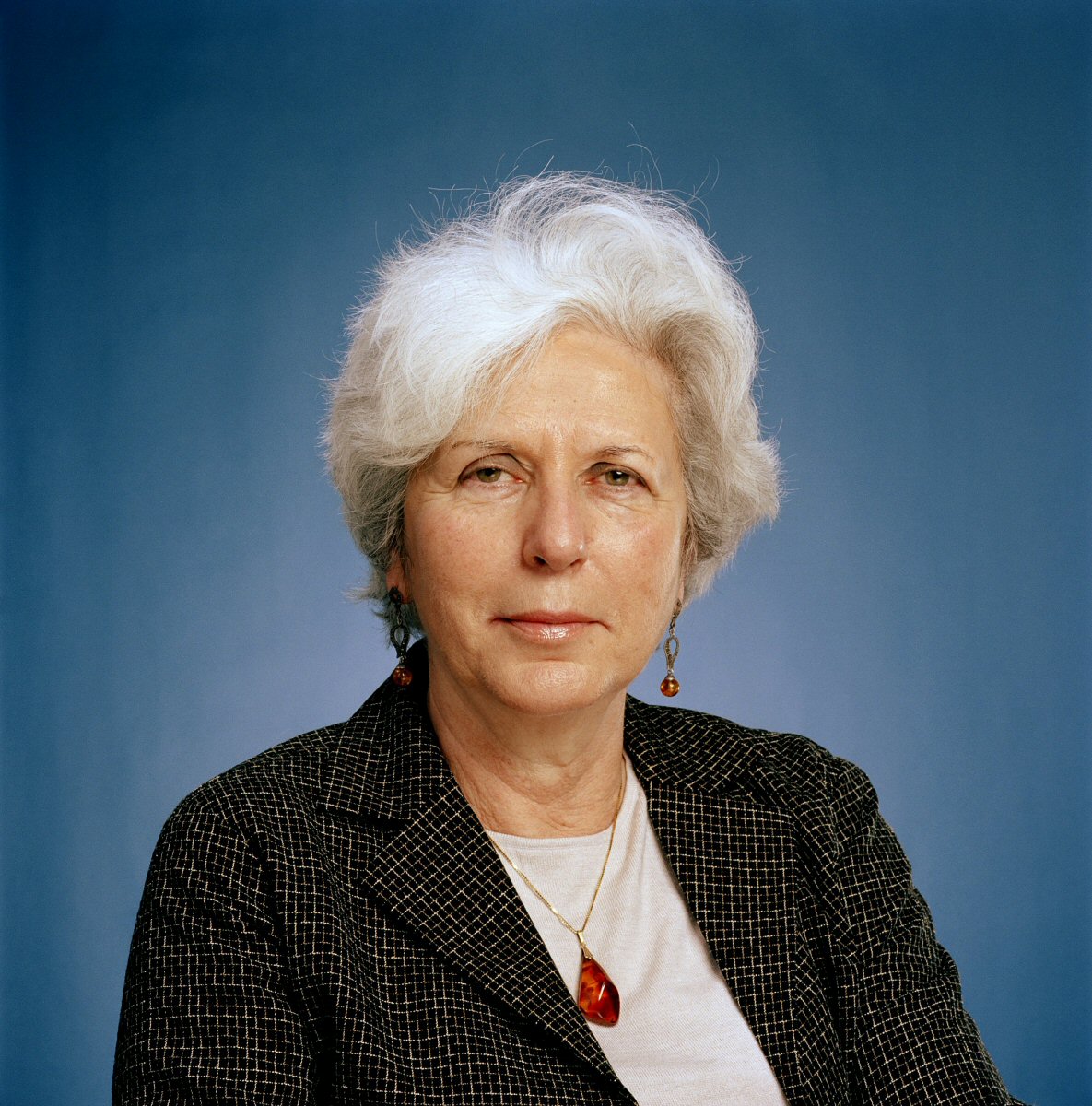
Thomas Carothers, a senior fellow in the Carnegie Endowment for International Peace’s Democracy, Conflict, and Governance Program, is a leading expert on comparative democratization and international support for democracy.
Former Senior Associate, Middle East Program
Before joining the Endowment, Ottaway carried out research in Africa and in the Middle East for many years and taught at the University of Addis Ababa, the University of Zambia, the American University in Cairo, and the University of the Witwatersrand in South Africa.
Former Associate
Former Senior Associate
Carnegie does not take institutional positions on public policy issues; the views represented herein are those of the author(s) and do not necessarily reflect the views of Carnegie, its staff, or its trustees.

Radical-right parties are expected to do well in upcoming elections in four of the EU's biggest member states. If successful, they could prevent the union from addressing key challenges ahead.

Stefan Lehne

An overwhelming victory by a far-right-wing party in a small state in eastern Germany will have major repercussions for Chancellor Friedrich Merz’s coalition.

Judy Dempsey

In supporting Europe’s far-right, MAGA and Russia both want the same thing: a weaker EU. Europe must defend itself without abandoning the openness these forces exploit.

Armida van Rij

The hybrid warfare landscape is evolving rapidly, leaving policymakers without clear strategies. To better inform their work in addressing emerging challenges, governments must dig deeper into the underlying dynamics at play.


Raluca Csernatoni, Alicia Wanless

As the EU confronts profound challenges, several leaders have called for fundamental reform to the union’s model—but only modest, superficial changes have resulted. What if Europe really could be reimagined from zero today: What should such a redesigned European order look like?

Richard Youngs, ed.