• Research
  • Strategic Europe
  • About
  • Experts
Carnegie Europe logoCarnegie lettermark logo
EUNATO
  • Donate
{
  "authors": [
    "Andrew Kuchins"
  ],
  "type": "legacyinthemedia",
  "centerAffiliationAll": "dc",
  "centers": [
    "Carnegie Endowment for International Peace"
  ],
  "collections": [],
  "englishNewsletterAll": "ctw",
  "nonEnglishNewsletterAll": "",
  "primaryCenter": "Carnegie Endowment for International Peace",
  "programAffiliation": "russia",
  "programs": [
    "Russia and Eurasia"
  ],
  "projects": [],
  "regions": [
    "Iraq",
    "Caucasus",
    "Russia"
  ],
  "topics": [
    "Foreign Policy"
  ]
}
REQUIRED IMAGE

REQUIRED IMAGE

In The Media

Saddam's Fate: The Main Issue for Putin and Bush

Link Copied
By Andrew Kuchins
Published on Nov 22, 2002

Source: Carnegie


An interview with Carnegie Senior Associate Andrew Kuchins on the St. Petersburg meeting of Presidents Bush and Putin after the Prague NATO summit.
Originally printed in Nezavisimaya Gazeta on November 22, 2002. To view article, click here.

About the Author

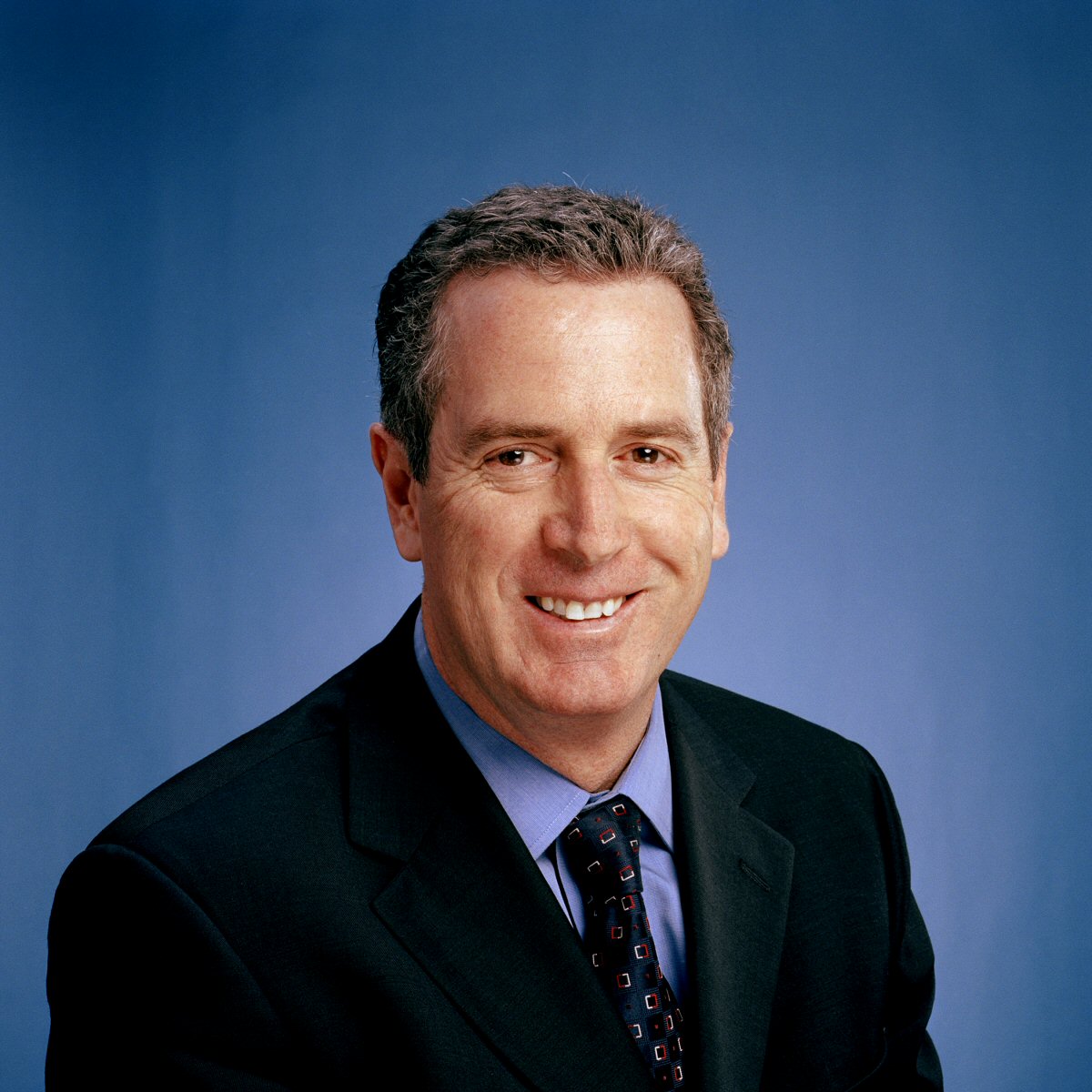
Andrew Kuchins

Former Senior Associate and Director, Russian & Eurasian Program

    Recent Work

  • Article
    Russian Spin Job?

      Andrew Kuchins

  • Article
    Vladimir the Lucky

      Andrew Kuchins

Andrew Kuchins
Former Senior Associate and Director, Russian & Eurasian Program
Andrew Kuchins
Foreign PolicyIraqCaucasusRussia

Carnegie does not take institutional positions on public policy issues; the views represented herein are those of the author(s) and do not necessarily reflect the views of Carnegie, its staff, or its trustees.

More Work from Carnegie Europe

  • Commentary
    Strategic Europe
    Europe Should Not Let Nuclear Nonproliferation Die

    Amid uncertainty caused by the Iran war, the global drive for nonproliferation has stalled. With Europe diplomatically marginalized and countries reassessing their nuclear options, efforts to curb the spread of nuclear weapons risk becoming irrelevant.

      • Jane Darby Menton

      Jane Darby Menton

  • Commentary
    Can Europe Compete with the United States and China?

    Between the United States’ market-driven approach and China's state-led industrial strategy, Europe is reckoning with how it can remain competitive in the global economy. But is Europe in danger of becoming a U.S. or China colony?

      Noah Barkin, Anu Bradford

  • Commentary
    Strategic Europe
    Trump Turns NATO into a Tool of Coercion

    The full list of humiliations Europe has endured since Donald Trump returned to the White House makes for grim reading. But Washington’s adversarial approach to its allies undermines its own power base.

      • Rym Momtaz

      Rym Momtaz

  • Climate desalination plant Saudi Arabia
    Paper
    Ecological Statecraft in the Midst of War: Water, Regeneration, and the Future of Gulf Security

    The U.S.-Iran war has crossed a dangerous threshold: water infrastructure in the Gulf is now a target. Ecological statecraft is no longer peripheral to security, it's part of its foundations.

      • Ali Bin Shahid

      Olivia Lazard, Ali Bin Shahid

  • Commentary
    Strategic Europe
    How the EU Can Become Energy Independent

    The closure of the Strait of Hormuz has triggered a global energy crisis, but Europe is stuck in reaction mode. Without more strategic foresight, the EU will remain dependent on fossil fuels and will never be truly secure.

      Milo McBride, Pauline Gerard

Get more news and analysis from
Carnegie Europe
Carnegie Europe logo, white
Rue du Congrès, 151000 Brussels, Belgium
  • Research
  • Strategic Europe
  • About
  • Experts
  • Projects
  • Events
  • Contact
  • Careers
  • Privacy
  • For Media
  • Gender Equality Plan
Get more news and analysis from
Carnegie Europe
© 2026 Carnegie Endowment for International Peace. All rights reserved.