

Article
Radical-right parties are expected to do well in upcoming elections in four of the EU's biggest member states. If successful, they could prevent the union from addressing key challenges ahead.
Stefan Lehne
{
  "authors": [
    "Michael McFaul",
    "Abbas Milani"
  ],
  "type": "legacyinthemedia",
  "centerAffiliationAll": "dc",
  "centers": [
    "Carnegie Endowment for International Peace"
  ],
  "collections": [],
  "englishNewsletterAll": "democracy",
  "nonEnglishNewsletterAll": "",
  "primaryCenter": "Carnegie Endowment for International Peace",
  "programAffiliation": "DCG",
  "programs": [
    "Democracy, Conflict, and Governance"
  ],
  "projects": [],
  "regions": [
    "Middle East",
    "Iran"
  ],
  "topics": [
    "Political Reform",
    "Democracy"
  ]
}
REQUIRED IMAGE
Source: The International Herald Tribune
STANFORD, California On the surface, the presidential election campaign in Iran underscores the weakness of the Iranian democratic movement and the futility of elections under Iran's current Constitution.
Most of the would-be candidates were barred from the election by the hard-line Guardian Council, the unelected mullahs who control Parliament. And many leading democrats, disappointed in their hopes that President Mohammad Khatami would be the reformer he had promised to be, have called for a boycott of the vote on Friday.
Beneath the surface, however, there are encouraging signs for the future of Iranian democracy.
Most important, the election suggests that the ruling elite is not united. Even with most of the candidates disqualified, the campaign has been nasty and competitive, an indication that the monolith of clerical power is beginning to crack. The front-runner, former President Hashemi Rafsanjani, and the supreme religious leader, Ayatollah Ali Khamenei, were once twin pillars of this monolith; now they are at each other's political throats.
While some in the West call Rafsanjani a pragmatist, he has remained one of the most influential leaders in the Islamic Republic since its creation and a stalwart of the regime. Yet in this election campaign, Khamenei has allowed the press to publish detailed accounts of some of the Rafsanjani family's illicit financial gains.
While some analysts have posited that the divide is a mere rhetorical ploy orchestrated to create drama for the election campaign, the attacks have been so virulent and so personal that seems unlikely.
The attacks on Rafsanjani, and emerging differences among clerical institutions over his candidacy demonstrate a clear division within the ruling elite. This division is not about ideology, but about control of economic resources and political power.
In transitions from authoritarian rule in other countries, a factional feud between different wings of the ruling regime was a condition for the beginning of political liberalization.
Moreover, the two leading candidates - Rafsanjani and Mostafa Moin, a doctor who was the minister of science under Khatami and Rafsanjani - have both made statements challenging the legitimacy of the Islamic Republic and its current leadership.
Both have even called for new limits on the power of Khamenei and his colleagues in the Guardian Council - a reform pledge that President Khatami never, not even once, made.
To varying degrees, both candidates have also claimed the mantle of democracy and promised political reform. Outsiders should not interpret this rhetoric of reform as a sign that either candidate (especially Rafsanjani) is sincere in his commitment to change, but it can be interpreted as a genuine challenge to the supreme leader and his autocratic hold on power.
Third, both Moin and Rafsanjani have promised to improve relations with the United States, another affront to Khamenei. In recent days, the Rafsanjani camp has been telling its supporters that recent statements by the Bush administration, exhibiting less militancy toward Iran, are de facto indications of America's approval of his candidacy.
For everyone except the extreme right, it has become clear that normalizing relations with the United States is popular enough to be a campaign promise.
The regime has also seemed genuinely worried about lower voter turnout. Moin was initially disqualified from running by the Guardian Council, but Khamenei intervened and allowed Moin in the race. This extraordinary move was, according to some, intended to bring reformist voters to the polls. Others have suggested that it was intended by Khamenei to take votes from Rafsanjani.
The regime also started a campaign of rumors, threatening dire consequences for those who do not vote. That students will not be able to get their grades and citizens their passports are among the less ominous of the threats. This is significant because powerful, stable, autocratic regimes do not worry about low voter turnouts.
For an election that was supposed to be a nonevent for those committed to democratic change in Iran, these developments are encouraging. Contrary to the claims of the regime and its apologists, the current clerical despotism is far from stable.
Unlike recent votes in Ukraine or Georgia, this election will not bring down autocracy. But it may sow the seeds of discord within Iran's dictatorship and lead to a genuine democratic breakthrough sooner than most think.
(Abbas Milani and Michael McFaul are directors of the Project on Iranian Democracy at the Hoover Institution, Stanford University, where they are professors.)
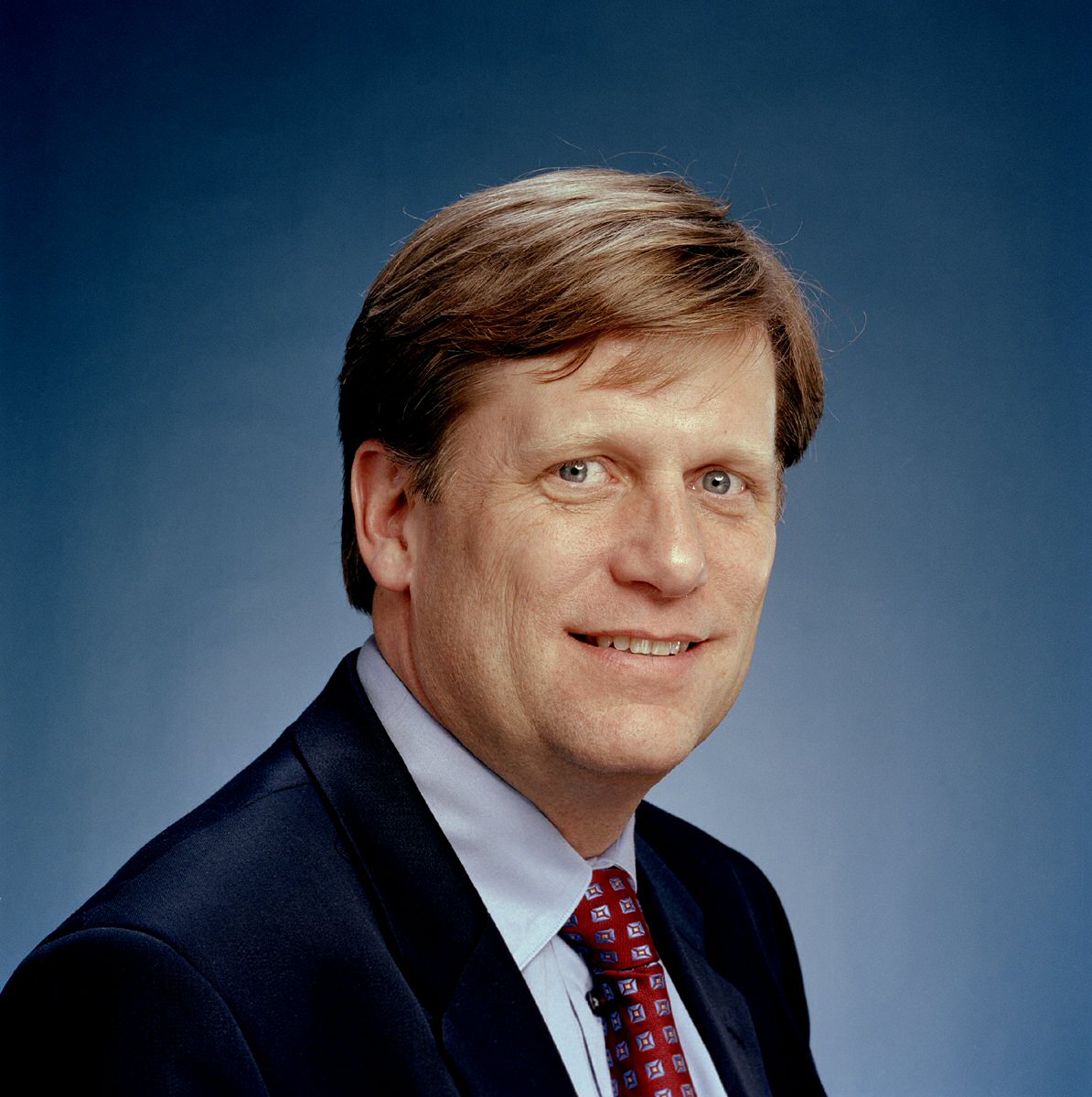
Former Senior Associate
In addition to his role at Carnegie, McFaul is Peter and Helen Bing Senior Fellow at the Hoover Institution and associate professor of political science at Stanford University.
Abbas Milani
Carnegie does not take institutional positions on public policy issues; the views represented herein are those of the author(s) and do not necessarily reflect the views of Carnegie, its staff, or its trustees.

Radical-right parties are expected to do well in upcoming elections in four of the EU's biggest member states. If successful, they could prevent the union from addressing key challenges ahead.

Stefan Lehne

An overwhelming victory by a far-right-wing party in a small state in eastern Germany will have major repercussions for Chancellor Friedrich Merz’s coalition.

Judy Dempsey

In supporting Europe’s far-right, MAGA and Russia both want the same thing: a weaker EU. Europe must defend itself without abandoning the openness these forces exploit.

Armida van Rij

The hybrid warfare landscape is evolving rapidly, leaving policymakers without clear strategies. To better inform their work in addressing emerging challenges, governments must dig deeper into the underlying dynamics at play.


Raluca Csernatoni, Alicia Wanless

As the EU confronts profound challenges, several leaders have called for fundamental reform to the union’s model—but only modest, superficial changes have resulted. What if Europe really could be reimagined from zero today: What should such a redesigned European order look like?

Richard Youngs, ed.