

Article
Pierre Goldschmidt
{
  "authors": [
    "Pierre Goldschmidt"
  ],
  "type": "legacyinthemedia",
  "centerAffiliationAll": "dc",
  "centers": [
    "Carnegie Endowment for International Peace"
  ],
  "collections": [],
  "englishNewsletterAll": "ctw",
  "nonEnglishNewsletterAll": "",
  "primaryCenter": "Carnegie Endowment for International Peace",
  "programAffiliation": "NPP",
  "programs": [
    "Nuclear Policy",
    "Middle East"
  ],
  "projects": [],
  "regions": [
    "Middle East",
    "Iran"
  ],
  "topics": [
    "Nuclear Policy"
  ]
}
REQUIRED IMAGE
Source: The New York Times
In November 2003, Iran averted a crisis when it agreed to suspend activities that could one day give it the capacity to produce weapons-grade nuclear material. The International Atomic Energy Agency had discovered an 18-year pattern of noncompliance by Iran with its obligations to report all its nuclear activities, during which time international inspectors could not verify that they were solely for peaceful purposes. Because Iran suspended its most sensitive activities, the agency's board agreed to hold off reporting Iran to the United Nations Security Council. This was understood, in effect, as a quid pro quo: suspension of uranium-enrichment-related and reprocessing activities in return for not being reported to the Security Council.
Last November, Iran agreed with Britain, France and Germany to extend its suspension to include "all tests or production at any uranium-conversion installation." Iran also agreed that "sustaining the suspension, while negotiations on a long-term agreement are under way, will be essential for the continuation of the overall process."
But last month, the day before Britain, France and Germany gave Iran a proposal for a long-term agreement that offered economic assistance in exchange for ending its nuclear fuel cycle activities (but not its electrical nuclear program), Tehran announced that it would resume uranium conversion activities in Isfahan, which it did.
The agency's board of governors will meet in Vienna next Monday to decide how to respond. At the moment there is no consensus or even a majority that agrees with Washington, Berlin, London and Paris that Iran's noncompliance should be reported to the Security Council. Iran is vigorously lobbying its fellow developing countries on the board. While the agency's statute makes clear that it should report Iran's noncompliance to the Security Council, many board members are reluctant to do so, fearing a repeat of the dynamic that led to the war in Iraq.
It is important to remember that under the agency's statute, there is no deadline or expiration date after which noncompliance becomes moot. Thus, Iran is still accountable for its past breaches. And Iran's resumption of work related to uranium conversion eliminates the only reason for the three European countries not to report Iran to the Security Council.
A failure by the board to make such a report would considerably weaken the agency and the global nonproliferation regime. It would reveal that the world is unwilling to hold rule-breakers to account, inviting proliferation by other countries.
And it should be made clear that the purpose of reporting Iran to the Security Council is not to seek sanctions. Rather, the Security Council's authority should be invoked to press Iran to give the agency's inspectors the information and access they need to clear up quickly the many remaining uncertainties about what Iran has been doing and why.
Iran has been asked to do this repeatedly. Yet, two and a half years after its noncompliance was discovered, Iran is still holding back both information and full cooperation. Iran has not provided the requested evidence on why its leadership decided in 1985, in the middle of the war against Iraq, to pursue a uranium enrichment program when there was no short or medium-term need to fuel any electrical nuclear power plant. Inspectors are still unable to specify the origin of all enriched uranium particles found in Iran. And they cannot assure the truth of Iran's claims that after receiving more advanced centrifuge designs in 1995, it did nothing with them until 2002. Nor can inspectors rule out the possible involvement of Iran's military in nuclear-related activities.
It is time for the International Atomic Energy Agency to get the authority it needs from the Security Council to complete the verification that Iran's nuclear program is and has been, as claimed, exclusively for peaceful purposes. This is in everyone's interest, including Iran's, unless it still has something to hide. The Iranian people deserve better than a confrontation with the world.
Pierre Goldschmidt, a visiting scholar with the Carnegie Endowment of International Peace, was a deputy director general of the International Atomic Energy Agency from 1999 to June 2005.
Former Nonresident Senior Associate, Nuclear Policy Program
Goldschmidt was a nonresident senior associate at the Carnegie Endowment.
Recent Work
Pierre Goldschmidt
Pierre Goldschmidt
Carnegie does not take institutional positions on public policy issues; the views represented herein are those of the author(s) and do not necessarily reflect the views of Carnegie, its staff, or its trustees.
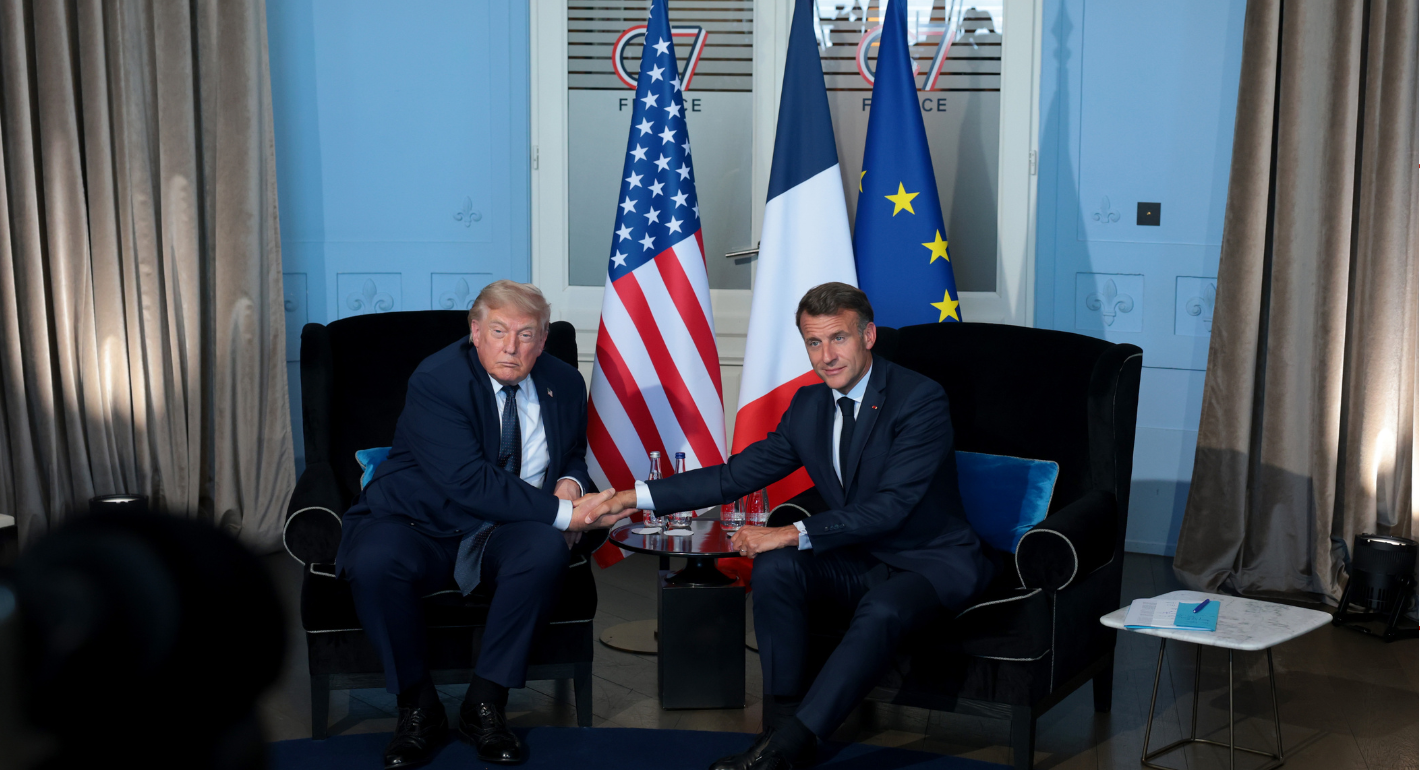
When the U.S.-Iran memorandum of understanding was announced, the UK, France, Germany, and Italy declared their readiness to help demine the Strait of Hormuz and lift nuclear sanctions on Tehran. But does Europe need new tools to recover a diplomatic role?

Rym Momtaz, ed.
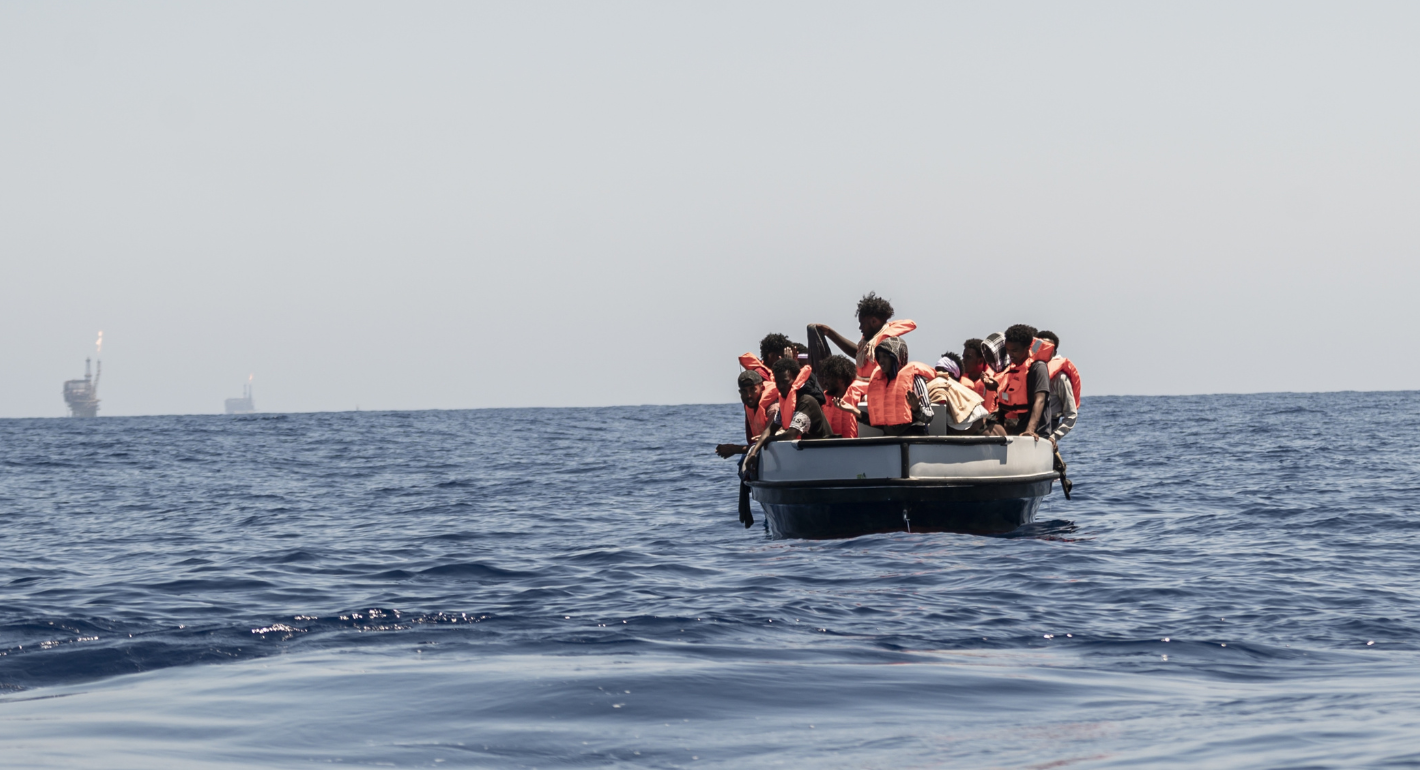
The EU’s new migration policy is not suited to today’s realities. With climate change increasingly becoming a driver of displacement, Europe needs to rethink its deterrence-focused approach.

Shana Tabak
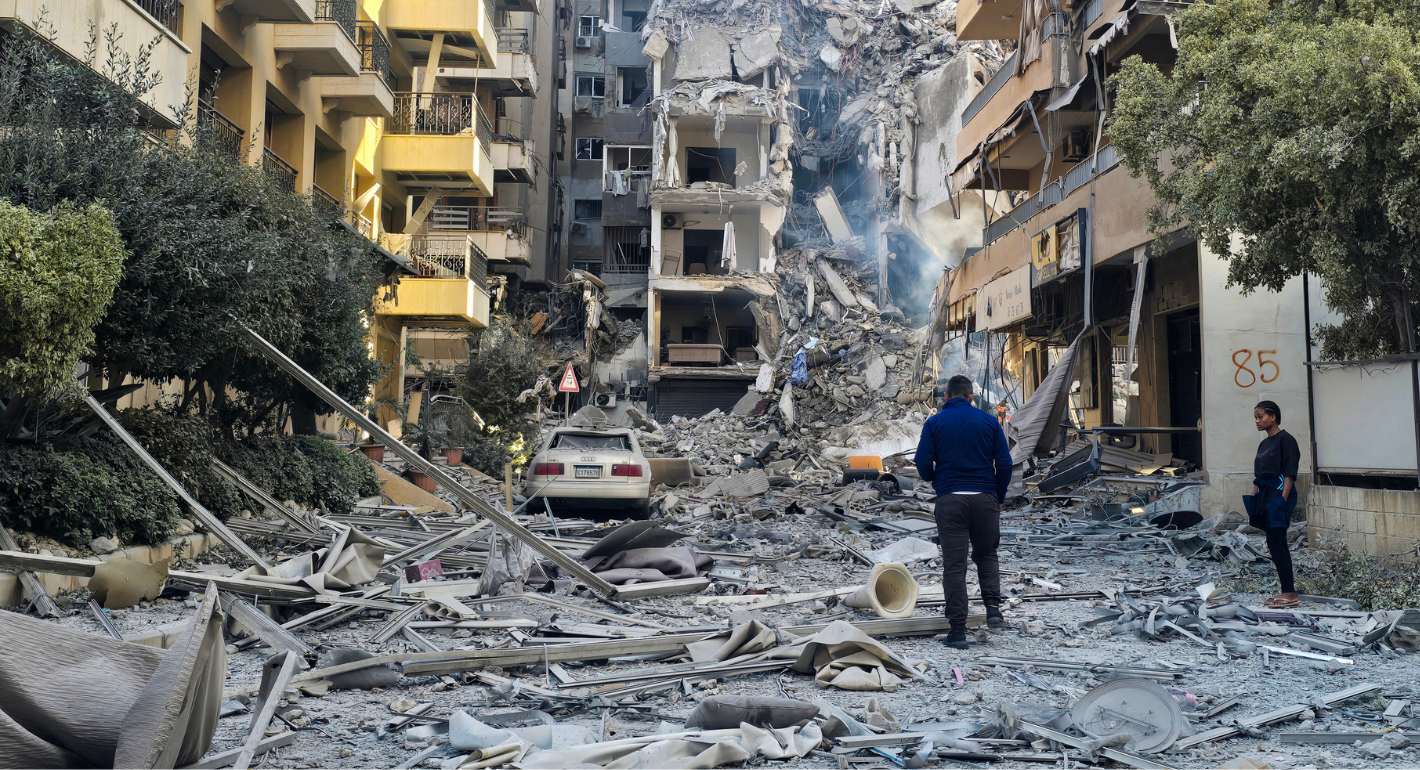
Europe seems to have accepted its sidelining in the Middle East. The EU must reassert its support for the international rules-based order and step up engagement.
Rym Momtaz
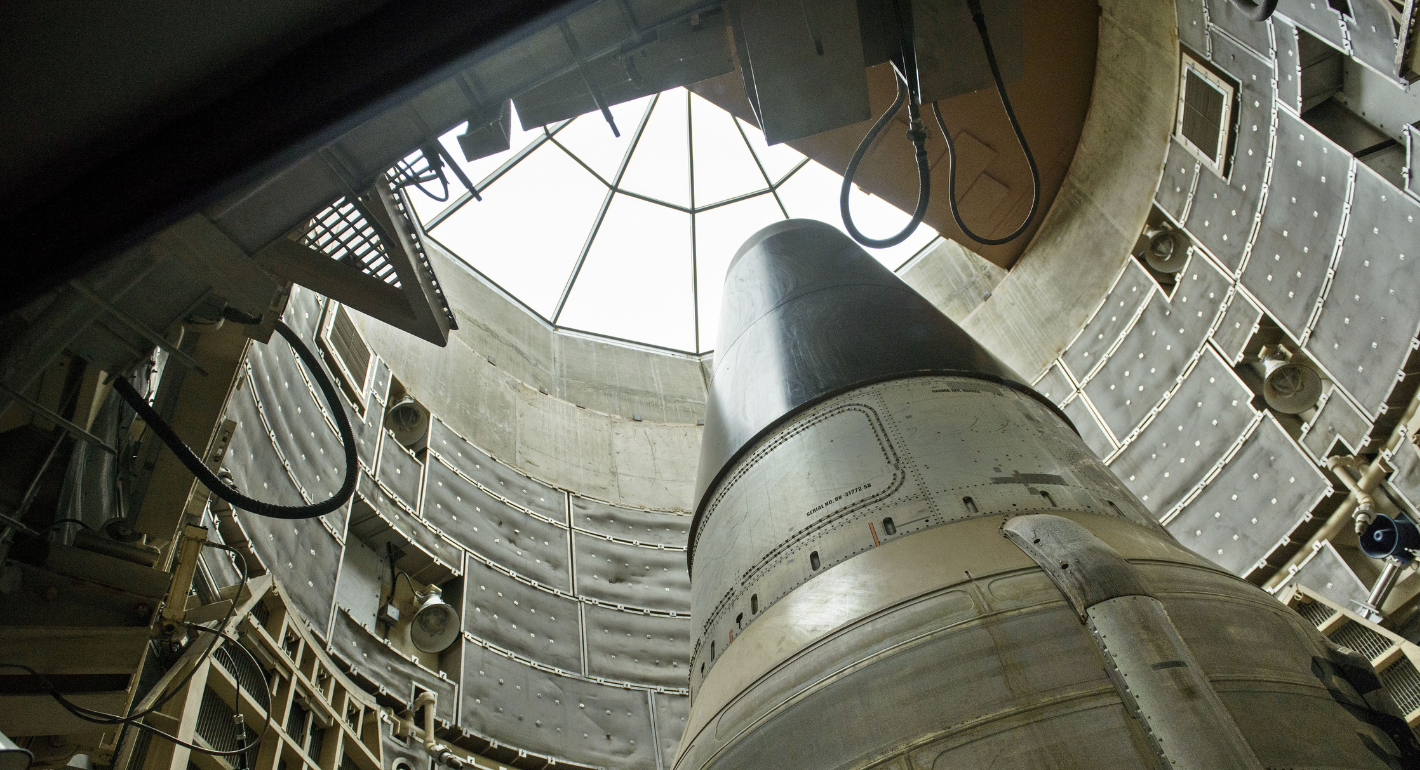
Amid uncertainty caused by the Iran war, the global drive for nonproliferation has stalled. With Europe diplomatically marginalized and countries reassessing their nuclear options, efforts to curb the spread of nuclear weapons risk becoming irrelevant.

Jane Darby Menton
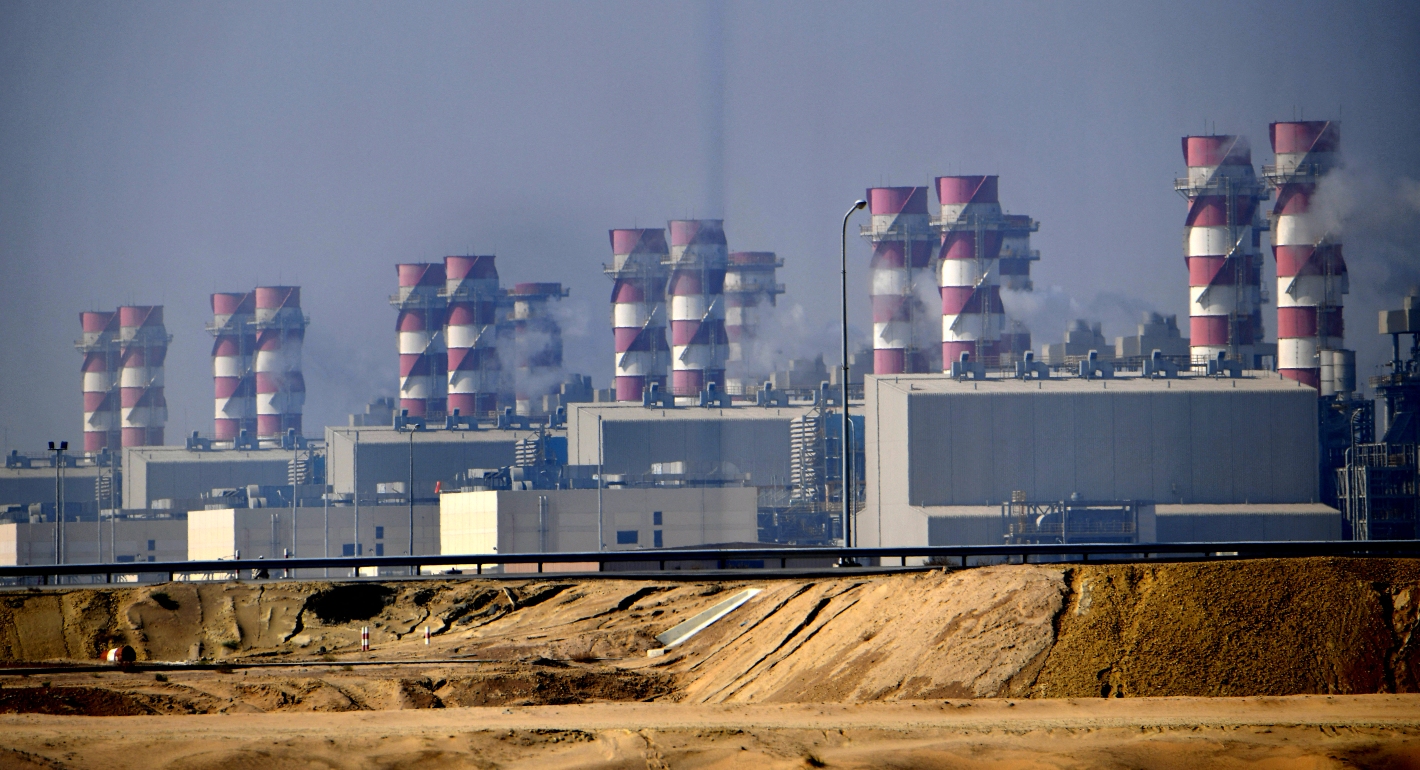
The U.S.-Iran war has crossed a dangerous threshold: water infrastructure in the Gulf is now a target. Ecological statecraft is no longer peripheral to security, it's part of its foundations.

Olivia Lazard, Ali Bin Shahid