

Paper
Mei Ying Gechlik (Veron Hung)
{
  "authors": [
    "Mei Ying Gechlik (Veron Hung)"
  ],
  "type": "legacyinthemedia",
  "centerAffiliationAll": "dc",
  "centers": [
    "Carnegie Endowment for International Peace"
  ],
  "collections": [],
  "englishNewsletterAll": "asia",
  "nonEnglishNewsletterAll": "",
  "primaryCenter": "Carnegie Endowment for International Peace",
  "programAffiliation": "AP",
  "programs": [
    "Asia"
  ],
  "projects": [],
  "regions": [
    "China"
  ],
  "topics": []
}
Source: Getty
Source: The Columbia Journal of Asian Law
The U.S. has reiterated that it welcome "the rise of a confident, peaceful, and prosperous China." Implicit in this message is Washington’s concern about the potential threat of China’s rise. To ease such concern prevailing outside China and to respond to criticisms about the Chinese Communist Party’s (CCP) governance spreading across the country, Beijing has vowed to establish a "socialist harmonious society" that features, among other characteristics, the rule of law, fairness, and justice. Unfortunately, courts in China have yet to exemplify the rule of law, fairness, and justice. Understanding that its governance cannot be sustained by a dysfunctional justice system, Beijing has taken a series of actions to reform China’s judiciary.
This study seeks to analyze whether fairness has been achieved in Shanghai and what this means to China as a whole. Based on extensive literary research, a survey, and interviews in China, this study seeks to answer three questions: Are interference, intracourt and intercourt influence, and judicial corruption of a lesser magnitude in Shanghai than in other parts of China? If so, what measures has Shanghai taken to accomplish this? What lessons about judicial reform in China can be learned from Shanghai’s experiences?
This article was originally published in the Columbia Journal of Asian Law, April 2006.

Former Non-Resident Associate
Recent Work
Mei Ying Gechlik (Veron Hung)
Mei Ying Gechlik (Veron Hung)
Carnegie does not take institutional positions on public policy issues; the views represented herein are those of the author(s) and do not necessarily reflect the views of Carnegie, its staff, or its trustees.
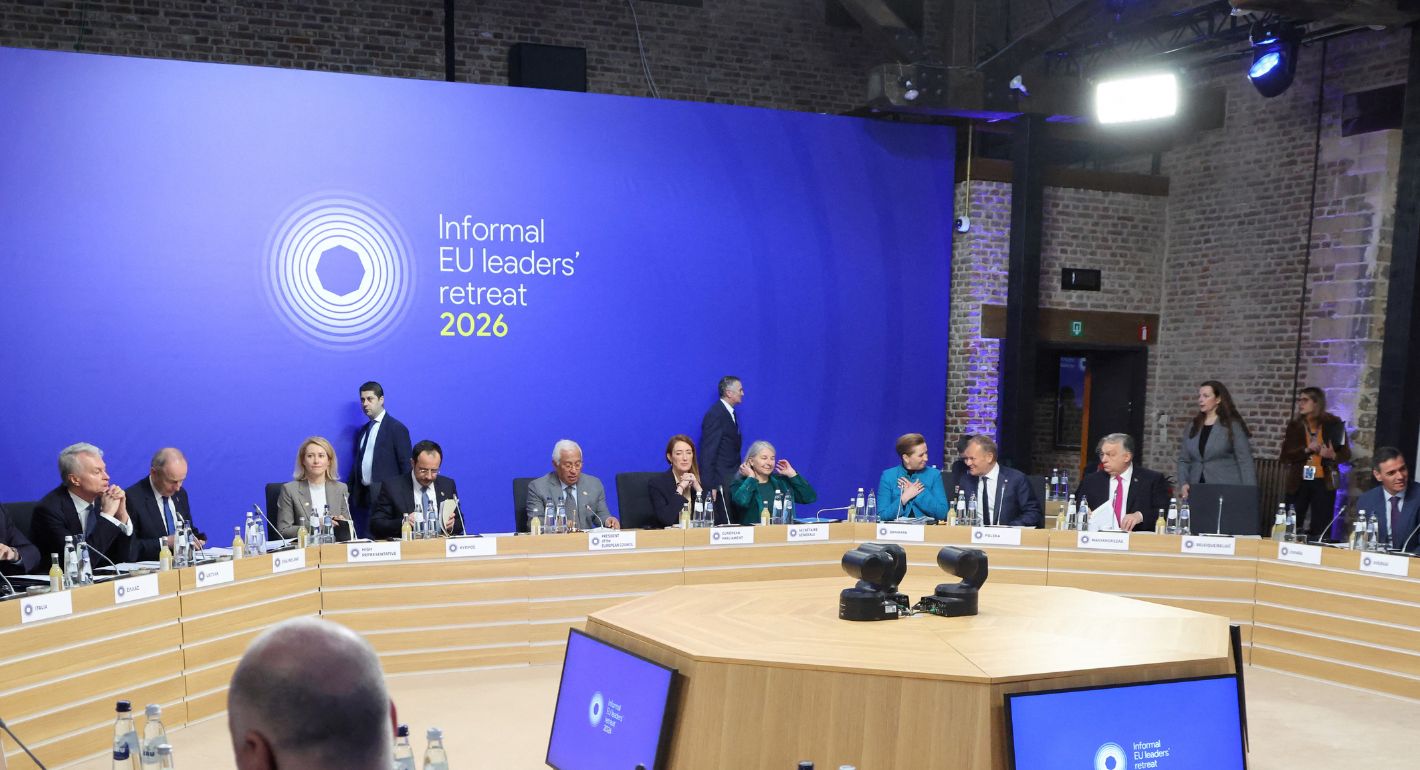
EU member states clash over how to boost the union’s competitiveness: Some want to favor European industries in public procurement, while others worry this could deter foreign investment. So, can the EU simultaneously attract global capital and reduce dependencies?

Rym Momtaz, ed.
2026 has started in crisis, as the actions of unpredictable leaders shape an increasingly volatile global environment. To shift from crisis response to strategic foresight, what under-the-radar issues should the EU prepare for in the coming year?

Thomas de Waal
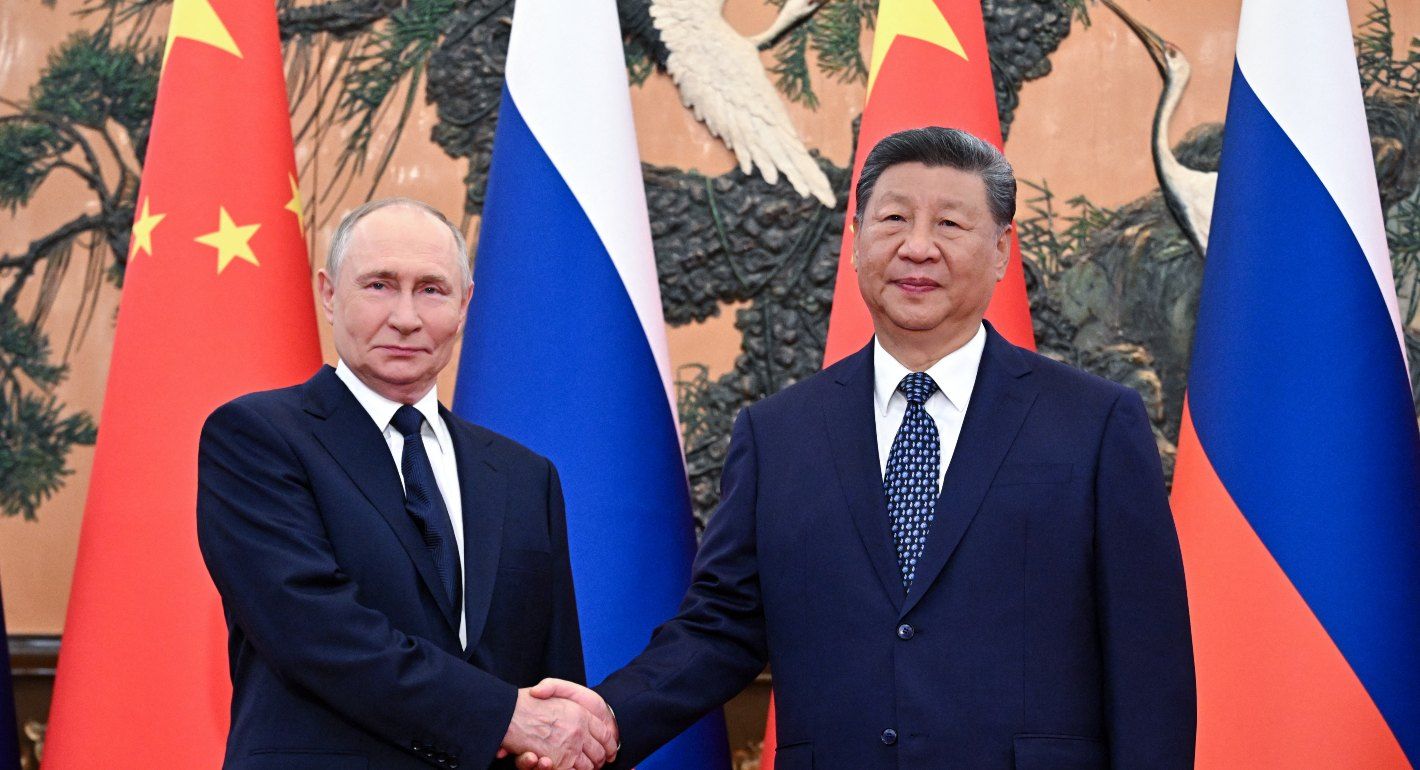
China plays an increasingly active role in the Kremlin’s hybrid war against Europe. The EU must confront this growing China-Russia cooperation, as it poses grave threats to both European security and economic resilience.

Maksym Beznosiuk

COP30 takes place amidst increased pessimism about the world’s commitment to energy transition and ecological protection. Beset by a host of other challenges, can Europe still maintain its role as a driver of global climate action?
Thomas de Waal
In competition with China’s Belt and Road Initiative, the Global Gateway strategy needs to find an edge. To better promote its interests through investment, the EU’s offer must become more coherent, transparent, and accountable.


Ceren Ergenc, Chaofan Yu