

In The Media
John Judis
{
  "authors": [
    "John Judis"
  ],
  "type": "legacyinthemedia",
  "centerAffiliationAll": "",
  "centers": [
    "Carnegie Endowment for International Peace"
  ],
  "collections": [],
  "englishNewsletterAll": "",
  "nonEnglishNewsletterAll": "",
  "primaryCenter": "Carnegie Endowment for International Peace",
  "programAffiliation": "",
  "programs": [],
  "projects": [],
  "regions": [
    "North America",
    "United States",
    "East Asia",
    "China"
  ],
  "topics": [
    "Economy",
    "Trade"
  ]
}
REQUIRED IMAGE
Ever since its founding in January 1995, the World Trade Organization has been the focus of global protest. While its defenders claim that it is intended to spread the world's wealth through lower tariffs, its detractors insist it is a tool of the United States and other wealthy nations, serving to widen the gap between the world's rich and poor.
Source: The New Republic
Ever since its founding in January 1995, the World Trade Organization has been the focus of global protest. While its defenders claim that it is intended to spread the world's wealth through lower tariffs, its detractors insist it is a tool of the United States and other wealthy nations, serving to widen the gap between the world's rich and poor.
The Doha Round of WTO negotiations--launched in Doha, Qatar in November 2001--was supposed to answer the organization's critics, who had two years before dominated the meetings in Seattle. Doha was called a "development" round because, in the words of its ministerial declaration, it was supposed to "strengthen substantially assistance to developing countries." Its purpose was also informed by the 9-11 terrorist attacks. By aiding the "least developed countries," the Doha negotiations were intended to prevent the emergence of "failed states" that could provide a haven for international terrorists.
The negotiations, however, have produced little except acrimony. They were supposed to result in an agreement by December 2005, but the deadline has now been pushed back to April 30. And if the lack of results at a London meeting of top WTO trade negotiators last weekend are any indication, the WTO is unlikely to make that deadline either.
That may not be such a bad thing. According to "Winners and Losers," a new study by Sandra Polaski, a colleague of mine at the Carnegie Endowment for International Peace, a glaring contradiction exists between what the negotiators claim their proposals will accomplish and what they would actually do. While the talks were officially aimed at benefiting poorer nations, the proposals being put forth would increase the gap between rich and poor. They wouldn't answer the WTO's critics, but would help make their case against the embattled institution.
To read the full text of the article and discussion in The New Republic, click here.

Former Visiting Scholar
As a visiting scholar at Carnegie, Judis wrote The Folly of Empire: What George W. Bush Could Learn from Theodore Roosevelt and Woodrow Wilson.
Recent Work
John Judis
John Judis
Carnegie does not take institutional positions on public policy issues; the views represented herein are those of the author(s) and do not necessarily reflect the views of Carnegie, its staff, or its trustees.
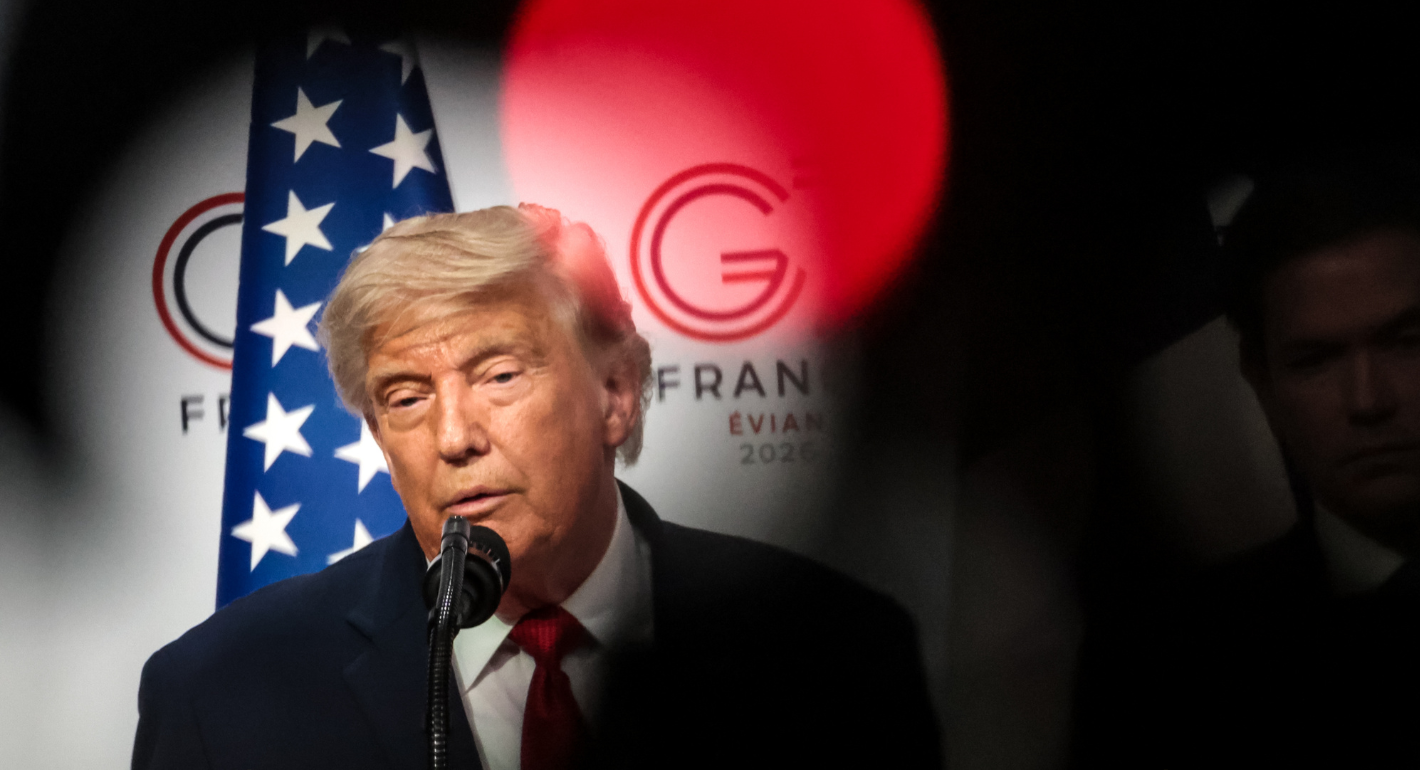
There is an elephant in the room when it comes to the EU’s upcoming security strategy: Donald Trump. Unless European leaders acknowledge the depth of the transatlantic crisis, true autonomy will remain out of reach.

Stefan Lehne

Europe’s industrial supply chains leave it vulnerable to global shocks. The EU needs a pragmatic green industrial strategy that balances durable partnerships and bolsters homegrown clean tech without sacrificing low-carbon ambition.


Milo McBride, Pauline Gerard
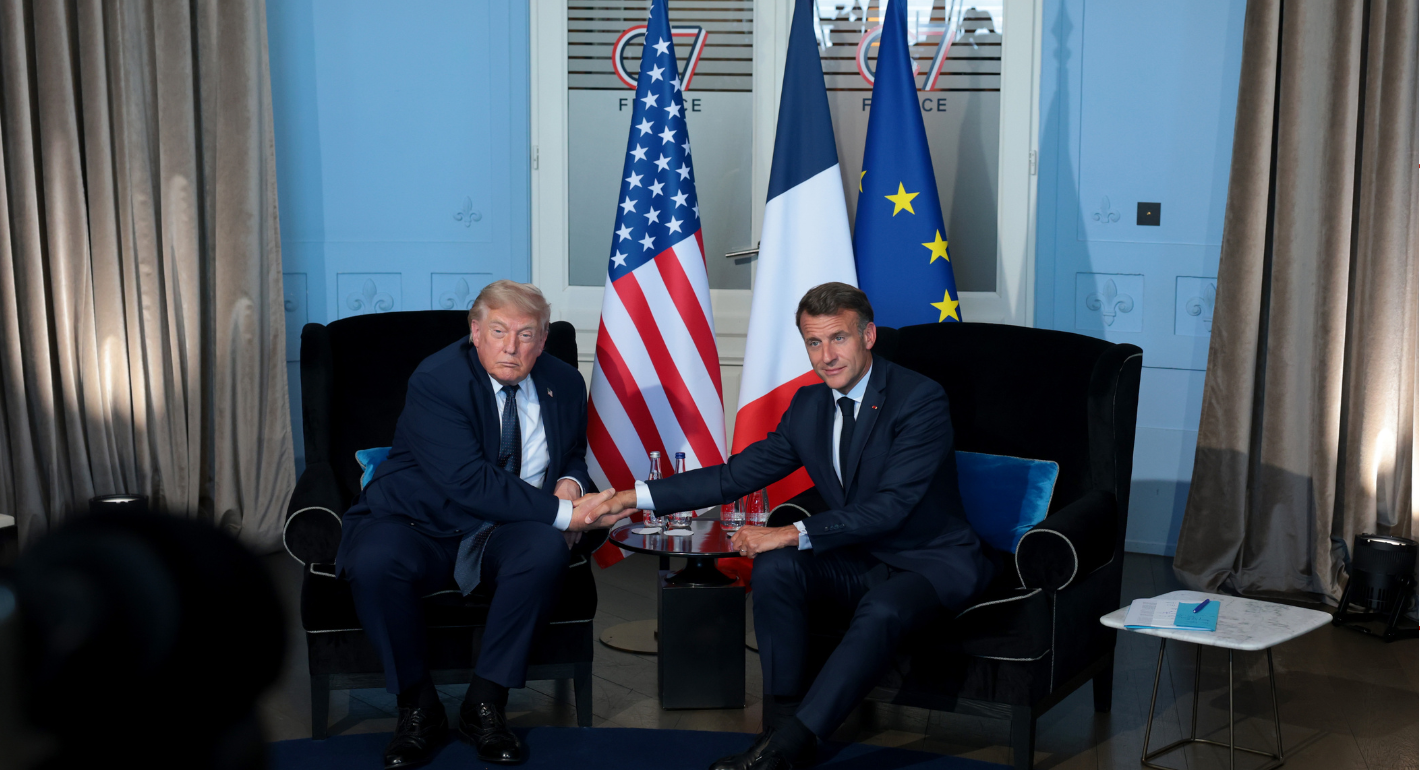
When the U.S.-Iran memorandum of understanding was announced, the UK, France, Germany, and Italy declared their readiness to help demine the Strait of Hormuz and lift nuclear sanctions on Tehran. But does Europe need new tools to recover a diplomatic role?

Rym Momtaz, ed.

As geopolitical rivalry weaponizes global supply chains, the EU’s true vulnerability lies in emerging-risk imports. For these goods, suppliers are growing more concentrated, substitution more difficult, and political risk is looming.

Sinan Ülgen

The EU is putting together a new security strategy to meet today’s myriad challenges. But for any proposal to be effective, the union needs to grapple with its identity and ambitions.

Pierre Vimont