

Article
Pierre Goldschmidt
{
  "authors": [
    "Pierre Goldschmidt"
  ],
  "type": "testimony",
  "centerAffiliationAll": "dc",
  "centers": [
    "Carnegie Endowment for International Peace"
  ],
  "collections": [
    "U.S. Nuclear Policy",
    "Korean Peninsula"
  ],
  "englishNewsletterAll": "ctw",
  "nonEnglishNewsletterAll": "",
  "primaryCenter": "Carnegie Endowment for International Peace",
  "programAffiliation": "NPP",
  "programs": [
    "Nuclear Policy"
  ],
  "projects": [],
  "regions": [
    "North America",
    "United States",
    "Middle East",
    "Iran",
    "Iraq",
    "South Asia",
    "India",
    "Pakistan",
    "South Korea",
    "Caucasus",
    "Russia",
    "United Kingdom"
  ],
  "topics": [
    "Nuclear Policy",
    "Nuclear Energy"
  ]
}
Source: Getty
The international community should stand back and reflect on the lessons learned from the International Atomic Energy Agency's (IAEA) experience in implementing safeguards over the last decade, particularly in North Korea and Iran. Such review and reflection suggests that just when safeguards are getting better, the political will to use them effectively seems to be waning.
Source: Charlottesville Committee on Foreign Relations Speech

Alexis de Tocqueville (1805-1859) stated: "In politics what is often most difficult to understand and appraise is what is taking place under our eyes."
De Tocqueville's insight suggests that it would be wise for the international community to stand back and to reflect on the lessons that should be learned from the International Atomic Energy Agency's (IAEA) experience in implementing safeguards over the last decade, particularly in North Korea and Iran. Such review and reflection will suggest that, ironically, just when safeguards are getting better, the political will to use them effectively seems to be waning.
This paper will explore how safeguards have gotten better, what lessons can be gleaned from the IAEA's experience over the last decade, and how the international community can address the problems that have arisen in the past few years.
Click here to access the full text of the speech (PDF).
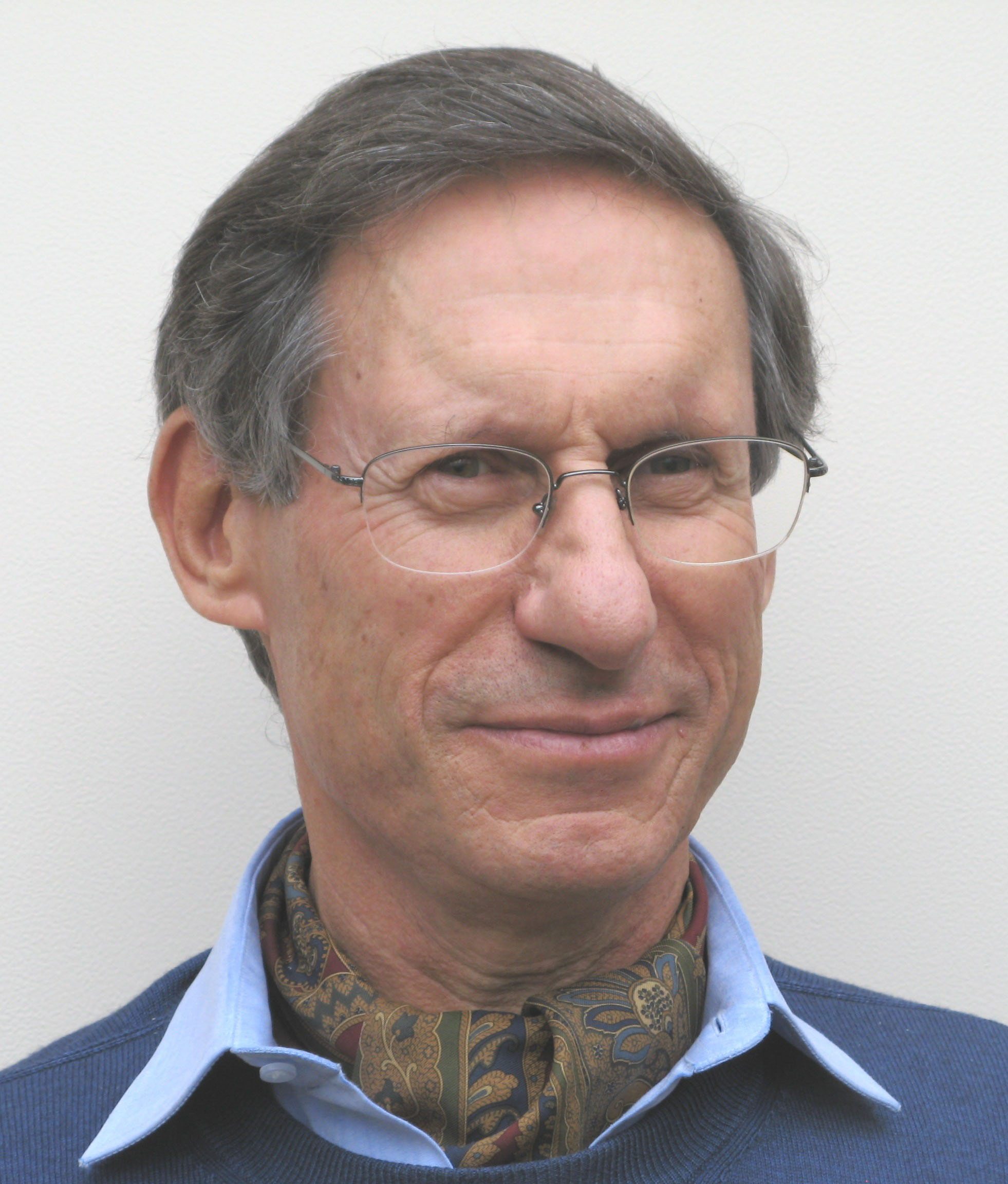
Former Nonresident Senior Associate, Nuclear Policy Program
Goldschmidt was a nonresident senior associate at the Carnegie Endowment.
Recent Work
Pierre Goldschmidt
Pierre Goldschmidt
Carnegie does not take institutional positions on public policy issues; the views represented herein are those of the author(s) and do not necessarily reflect the views of Carnegie, its staff, or its trustees.
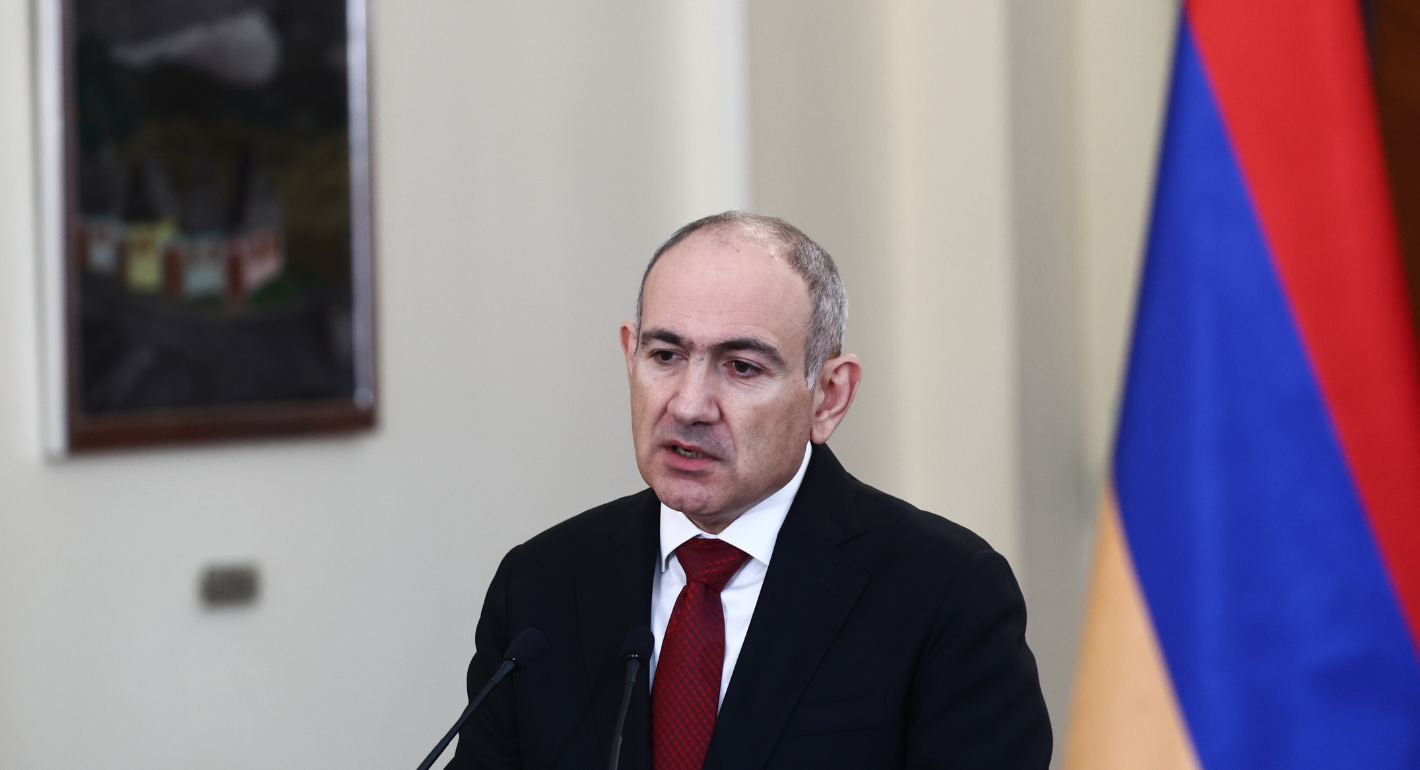
Europe has an interest in supporting Armenian leader Nikol Pashinyan as he tries to make peace with neighbors and loosen ties with Russia. But it is depersonalized support in the long term, not quickfire flash, that will win the day.

Thomas de Waal
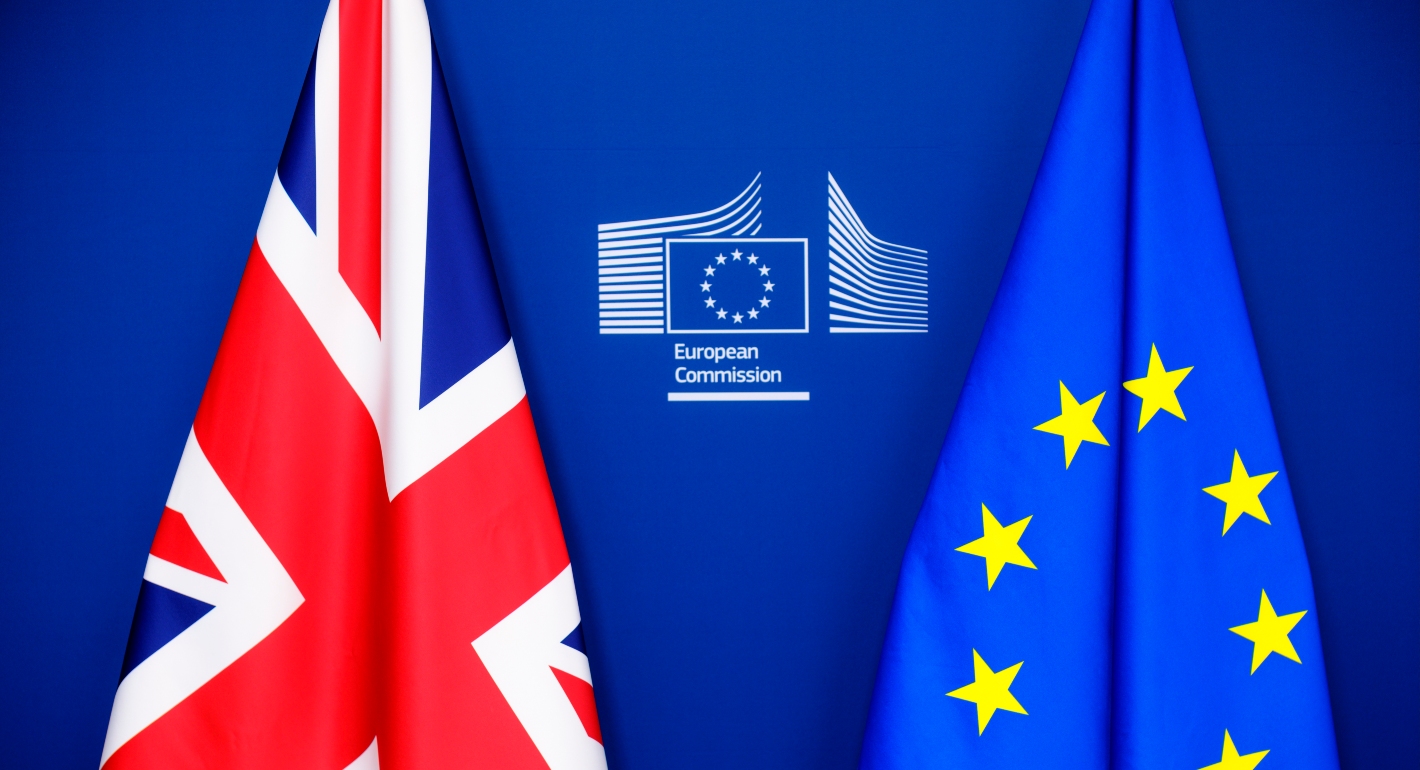
Closer EU-UK ties could help address urgent European concerns. But is the EU ready for rapprochement with the United Kingdom?

Rym Momtaz, ed.
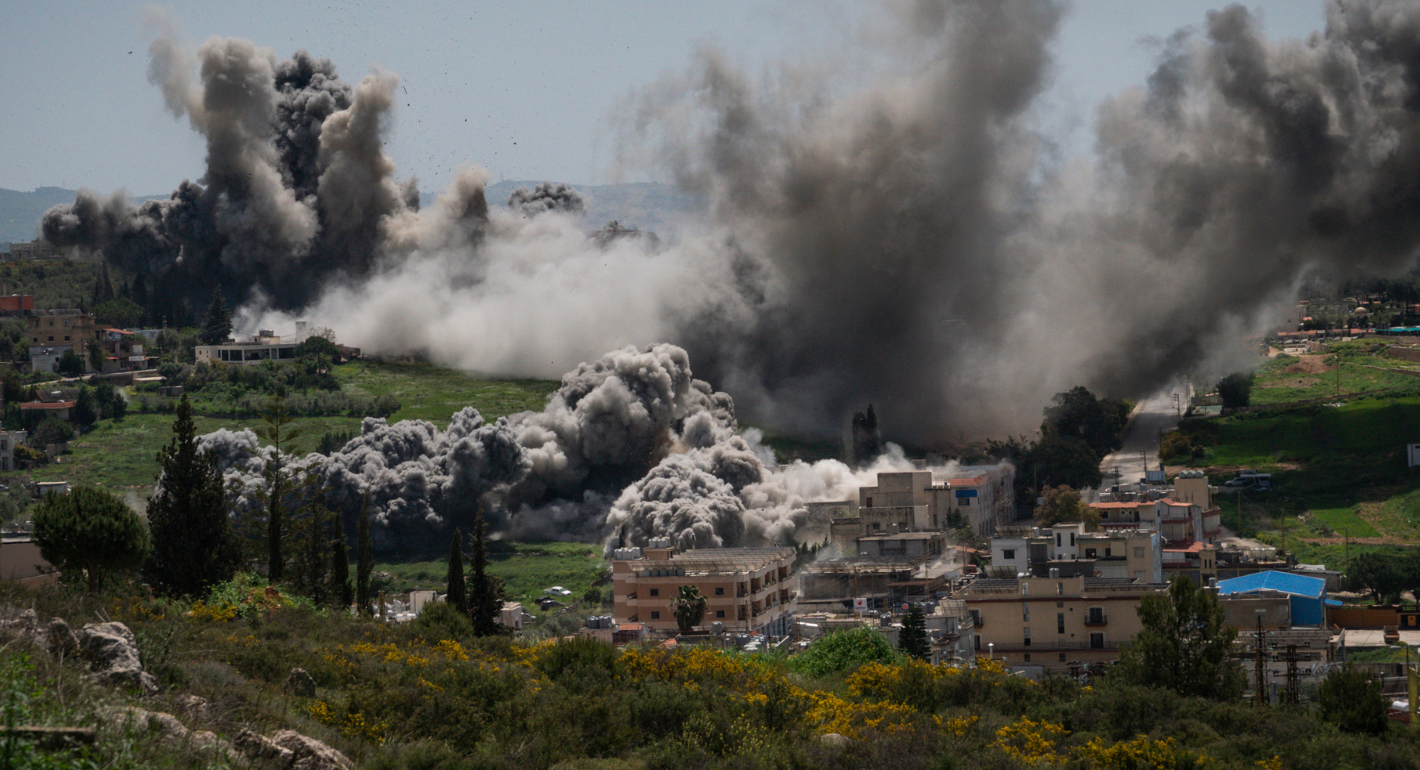
Europe has been standing by while its Southern neighborhood is being redrawn by force. To establish a path to peace between Israel and Lebanon, it’s time for Europeans to get involved with hard power.
Rym Momtaz
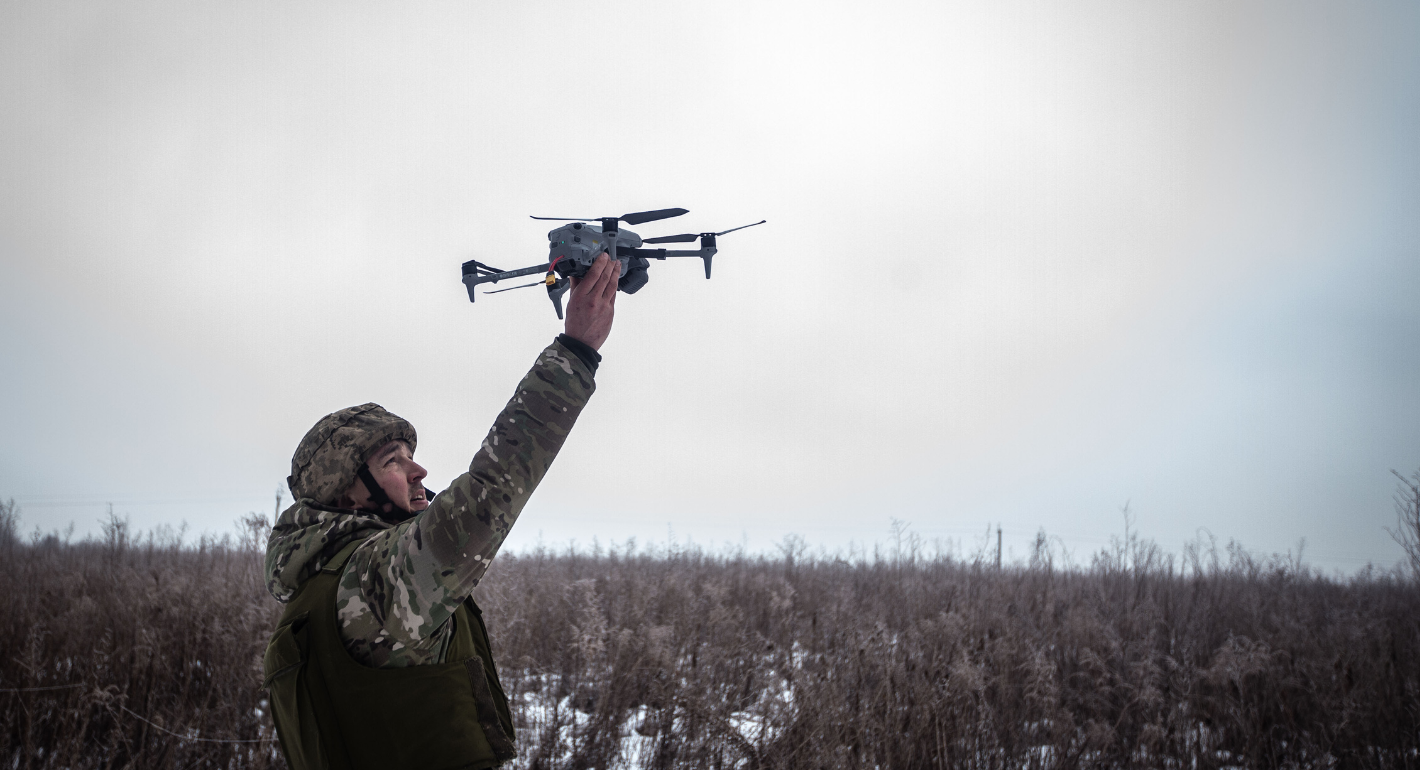
In Ukraine, Gaza, and Iran, AI warfare has come to dominate, with barely any oversight or accountability. Europe must lead the charge on the responsible use of new military technologies.

Raluca Csernatoni
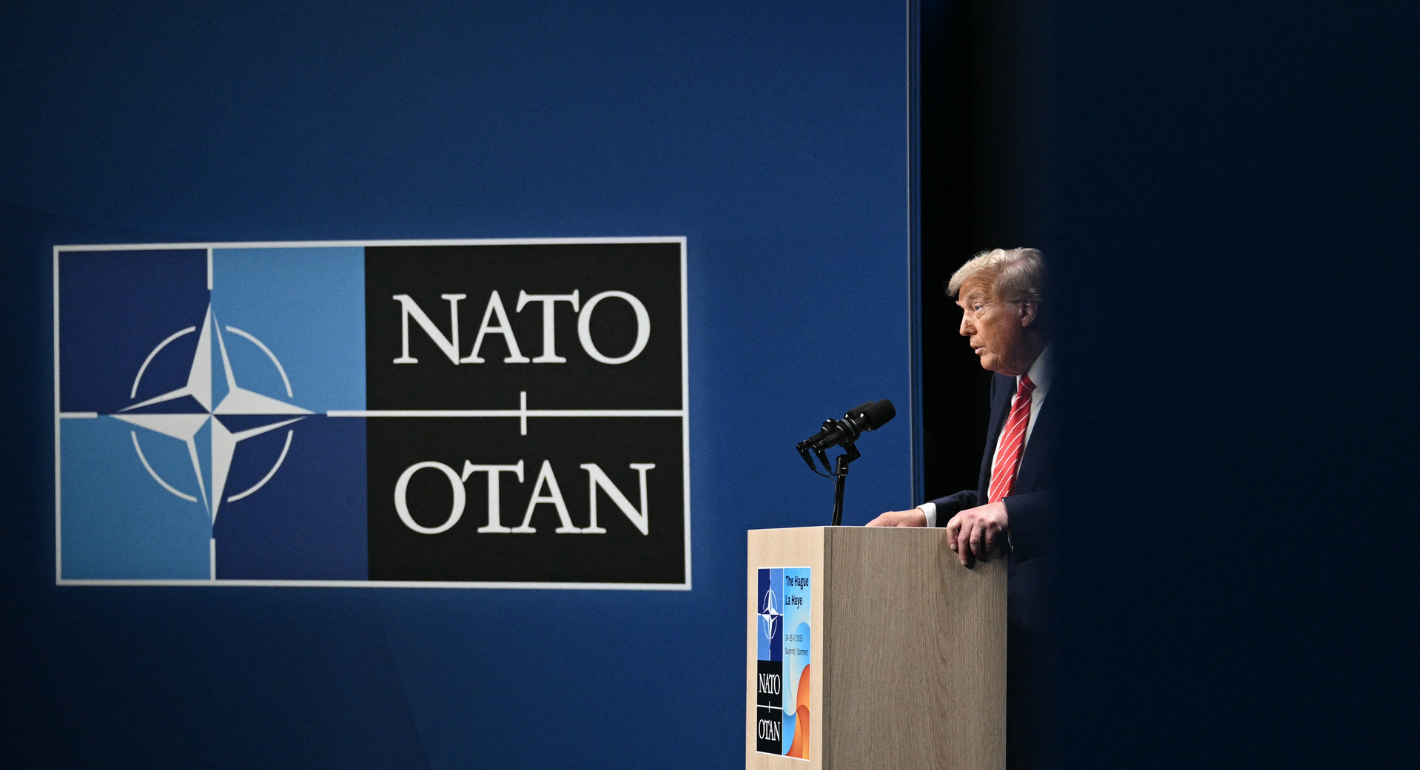
Donald Trump has repeatedly bashed NATO and European allies, threatening to annex Canada and Greenland and deploring their lack of enthusiasm for his war of choice in Iran. Is this latest round of abuse the final straw?
Rym Momtaz, ed.