• Research
  • Strategic Europe
  • About
  • Experts
Carnegie Europe logoCarnegie lettermark logo
EUNATO
  • Donate
{
  "authors": [],
  "type": "pressRelease",
  "centerAffiliationAll": "dc",
  "centers": [
    "Carnegie Endowment for International Peace"
  ],
  "collections": [],
  "englishNewsletterAll": "menaTransitions",
  "nonEnglishNewsletterAll": "",
  "primaryCenter": "Carnegie Endowment for International Peace",
  "programAffiliation": "MEP",
  "programs": [
    "Middle East"
  ],
  "projects": [],
  "regions": [
    "North America",
    "United States",
    "Middle East",
    "Jordan"
  ],
  "topics": [
    "Political Reform"
  ]
}
REQUIRED IMAGE

REQUIRED IMAGE

Press Release

Press Release: Illusive Reform - Jordan’s Stubborn Stability

In a new Carnegie Paper, "Illusive Reform: Jordan's Stubborn Stability," Julia Choucair argues that Jordan's stability is best maintained through political reform. She contends that the United States and Europe, for short- to medium-term reasons, have shied away from urging Jordan to undertake further reform, which would be in everyone's long-term interest.

Link Copied
Published on Dec 6, 2006

FOR IMMEDIATE RELEASE: December 6, 2006

Political reform is a priority for United States Middle East policy, and Jordan is often showcased as a model of a moderate, pro-American Muslim country that is successfully democratizing.  For two decades, the Jordanian monarchy has introduced positive reforms, such as legalizing political parties and modernizing its economy.  Yet the impact on democratic change has been limited, with the reforms serving more to stabilize the regime amid severe regional and economic challenges. 

Today, deteriorating conditions on Jordan’s borders, a lack of tangible economic success, and an unpopular foreign policy are emboldening an increasingly vocal Islamist opposition movement while simultaneously eroding the regime’s traditional support base.  Jordan faces a critical choice: either to promote more meaningful democratic reform, or risk undermining many years of progress by limiting political freedoms.

In a new Carnegie Paper, Illusive Reform: Jordan’s Stubborn Stability, Julia Choucair argues that Jordan’s stability is best maintained through political reform. She contends that the United States and Europe, for short- to medium-term reasons, have shied away from urging Jordan to undertake further reform, which would be in everyone’s long-term interest.

Choucair recommends the U.S. and Europe press the Jordanian regime -- in both public and private statements and by leveraging economic aid -- to deepen formal and informal channels of communication and representation; and to acknowledge the demands of Jordanian activists by, for example, expanding legislative powers, adopting new press legislation, decreasing regulations on NGOs, and undertaking electoral reform.

To read this Carnegie Paper, go to: www.CarnegieEndowment.org/MiddleEast

Direct link to PDF: http://www.carnegieendowment.org/files/cp76_choucair_final.pdf

Julia Choucair is an associate in the Middle East Program at the Carnegie Endowment and deputy editor of Carnegie’s Arab Reform Bulletin.

Press Contact: Trent Perrotto, 202/939-2372, tperrotto@CarnegieEndowment.org

The Carnegie Endowment for International Peace is a private, nonprofit organization dedicated to advancing cooperation between nations and promoting active international engagement by the United States. www.CarnegieEndowment.org

###

Political ReformNorth AmericaUnited StatesMiddle EastJordan

Carnegie does not take institutional positions on public policy issues; the views represented herein are those of the author(s) and do not necessarily reflect the views of Carnegie, its staff, or its trustees.

More Work from Carnegie Europe

  • Commentary
    Strategic Europe
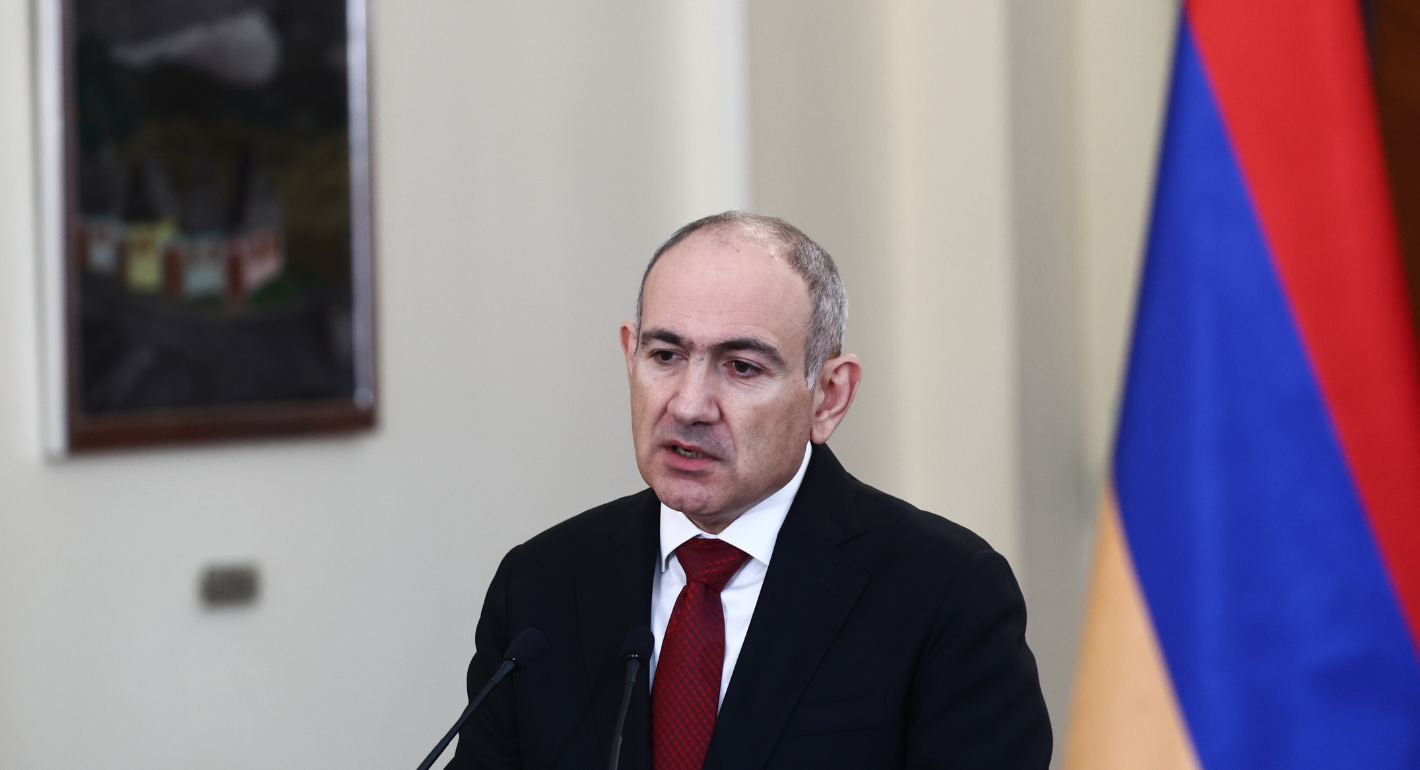
    There Is No Shortcut for Europe in Armenia

    Europe has an interest in supporting Armenian leader Nikol Pashinyan as he tries to make peace with neighbors and loosen ties with Russia. But it is depersonalized support in the long term, not quickfire flash, that will win the day.

      Thomas de Waal

  • Commentary
    Strategic Europe
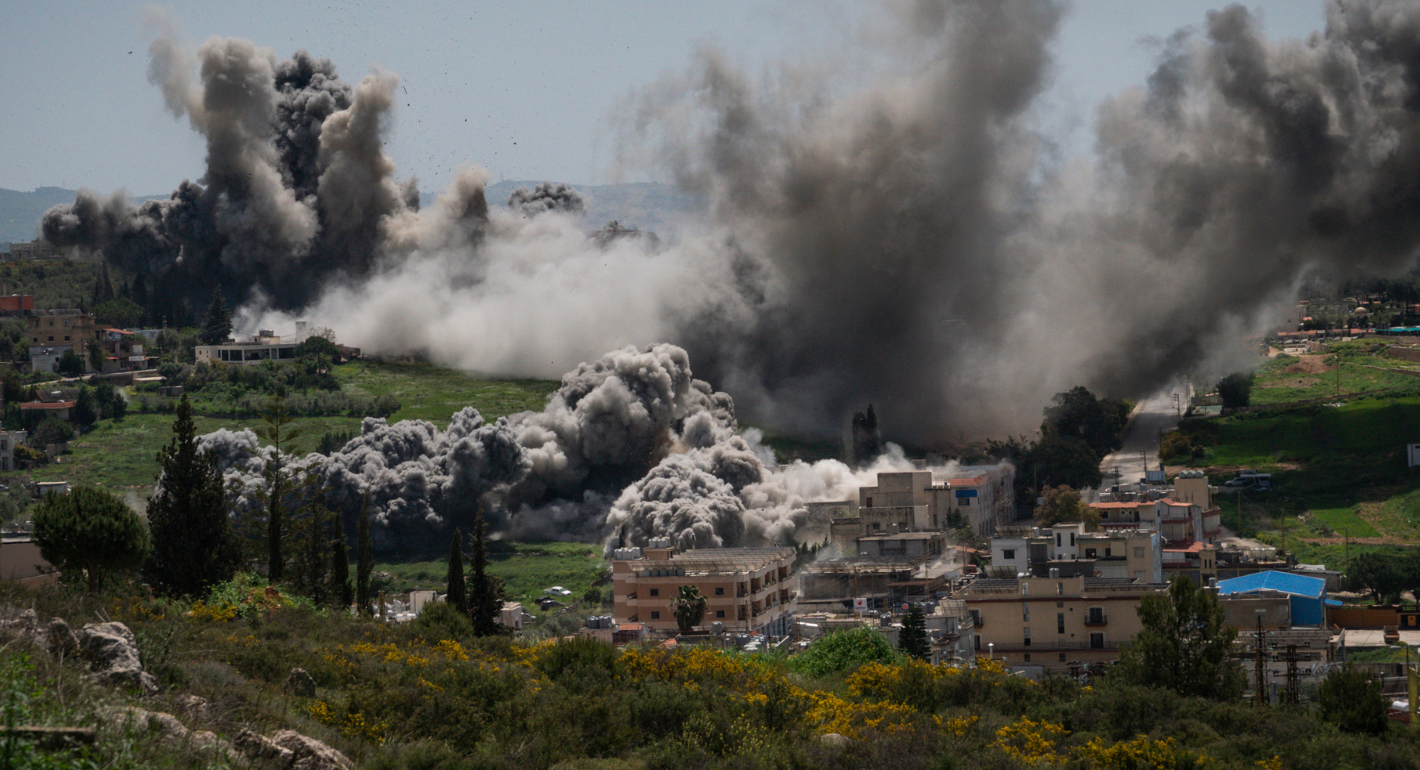
    France, Italy, and Spain Should Use Force in Lebanon

    Europe has been standing by while its Southern neighborhood is being redrawn by force. To establish a path to peace between Israel and Lebanon, it’s time for Europeans to get involved with hard power.

      • Rym Momtaz

      Rym Momtaz

  • Commentary
    Strategic Europe
    The Fog of AI War

    In Ukraine, Gaza, and Iran, AI warfare has come to dominate, with barely any oversight or accountability. Europe must lead the charge on the responsible use of new military technologies.

      Raluca Csernatoni

  • Commentary
    Strategic Europe
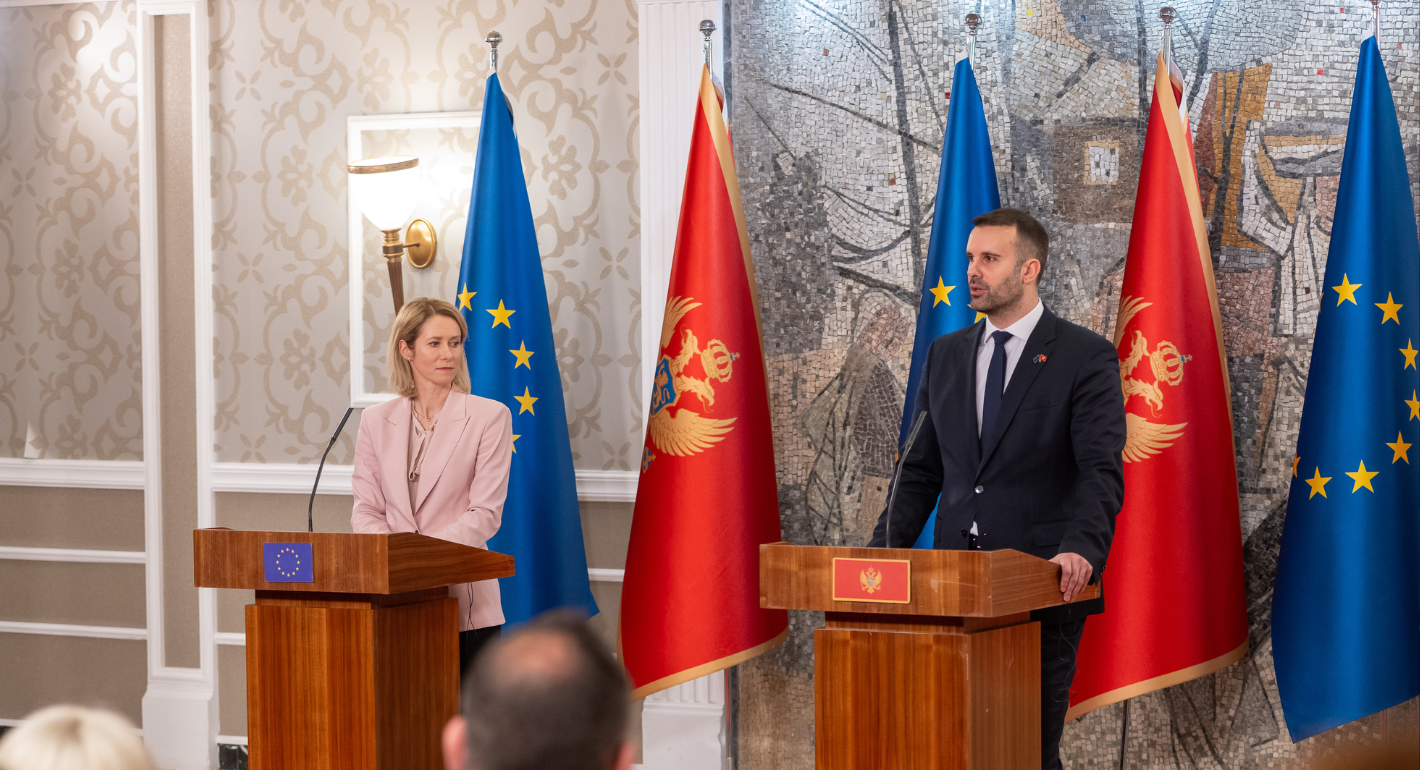
    How to Join the EU in Three Easy Steps

    Montenegro and Albania are frontrunners for EU enlargement in the Western Balkans, but they can’t just sit back and wait. To meet their 2030 accession ambitions, they must make a strong positive case.

      Dimitar Bechev, Iliriana Gjoni

  • Commentary
    Strategic Europe
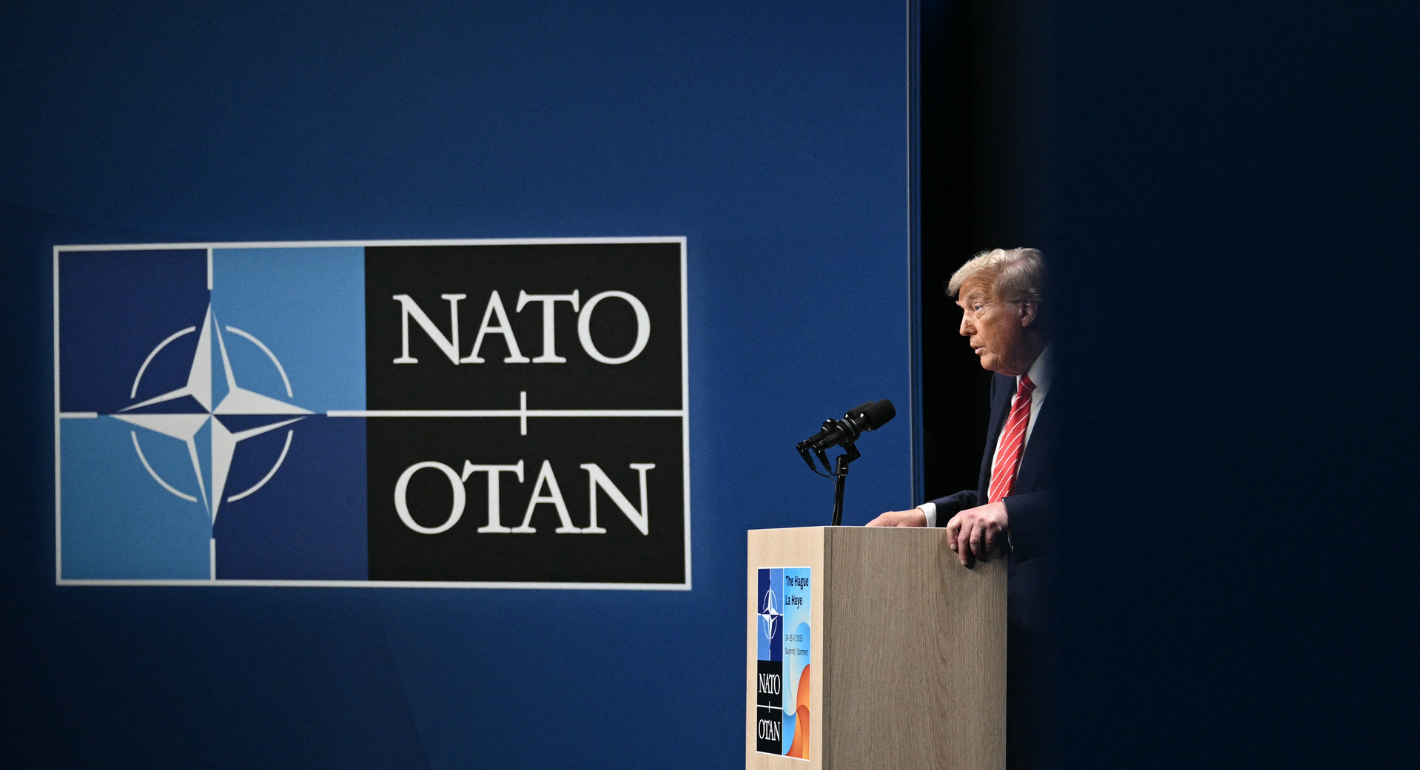
    Taking the Pulse: Can NATO Survive the Iran War?

    Donald Trump has repeatedly bashed NATO and European allies, threatening to annex Canada and Greenland and deploring their lack of enthusiasm for his war of choice in Iran. Is this latest round of abuse the final straw?

      • Rym Momtaz

      Rym Momtaz, ed.

Get more news and analysis from
Carnegie Europe
Carnegie Europe logo, white
Rue du Congrès, 151000 Brussels, Belgium
  • Research
  • Strategic Europe
  • About
  • Experts
  • Projects
  • Events
  • Contact
  • Careers
  • Privacy
  • For Media
  • Gender Equality Plan
Get more news and analysis from
Carnegie Europe
© 2026 Carnegie Endowment for International Peace. All rights reserved.