• Research
  • Strategic Europe
  • About
  • Experts
Carnegie Europe logoCarnegie lettermark logo
EUNATO
  • Donate
{
  "authors": [
    "Albert Keidel"
  ],
  "type": "testimony",
  "centerAffiliationAll": "dc",
  "centers": [
    "Carnegie Endowment for International Peace"
  ],
  "collections": [],
  "englishNewsletterAll": "asia",
  "nonEnglishNewsletterAll": "",
  "primaryCenter": "Carnegie Endowment for International Peace",
  "programAffiliation": "AP",
  "programs": [
    "Asia"
  ],
  "projects": [],
  "regions": [
    "China",
    "East Asia"
  ],
  "topics": [
    "Economy"
  ]
}

Source: Getty

Testimony

The Treasury Department's Currency Report, Dialogue with China and Related Topics

Link Copied
By Dr. Albert Keidel
Published on Jan 31, 2007

Source: Senate Banking

Dr. Albert Keidel presented testimony at a hearing on "The Treasury Department's Report to Congress on International Economic and Exchange Rate Policy (IEERP) and the U.S.-China Strategic Economic Dialogue" for the U.S. Senate Banking, Housing and Urban Affairs Committee on Wednesday, January 31, 2007. Dr. Keidel argues in his remarks that the U.S.-China strategic economic dialogue (SED) can be a very effective means for both sides to address trade issues and the U.S. should use SED wisely.   Keidel also commented that China’s currency rate should not be blamed for the large U.S. current account deficit; he emphasized that the U.S. has a large deficit with the global supply chain as a whole.  Dr. Keidel suggests that instead of focusing on China’s currency exchange rate, the U.S. should focus on issues at home such as education, pension mobility and heath care in order to strengthen its own global competitiveness.

Please click on the links above to read Dr. Keidel's oral and written remarks.
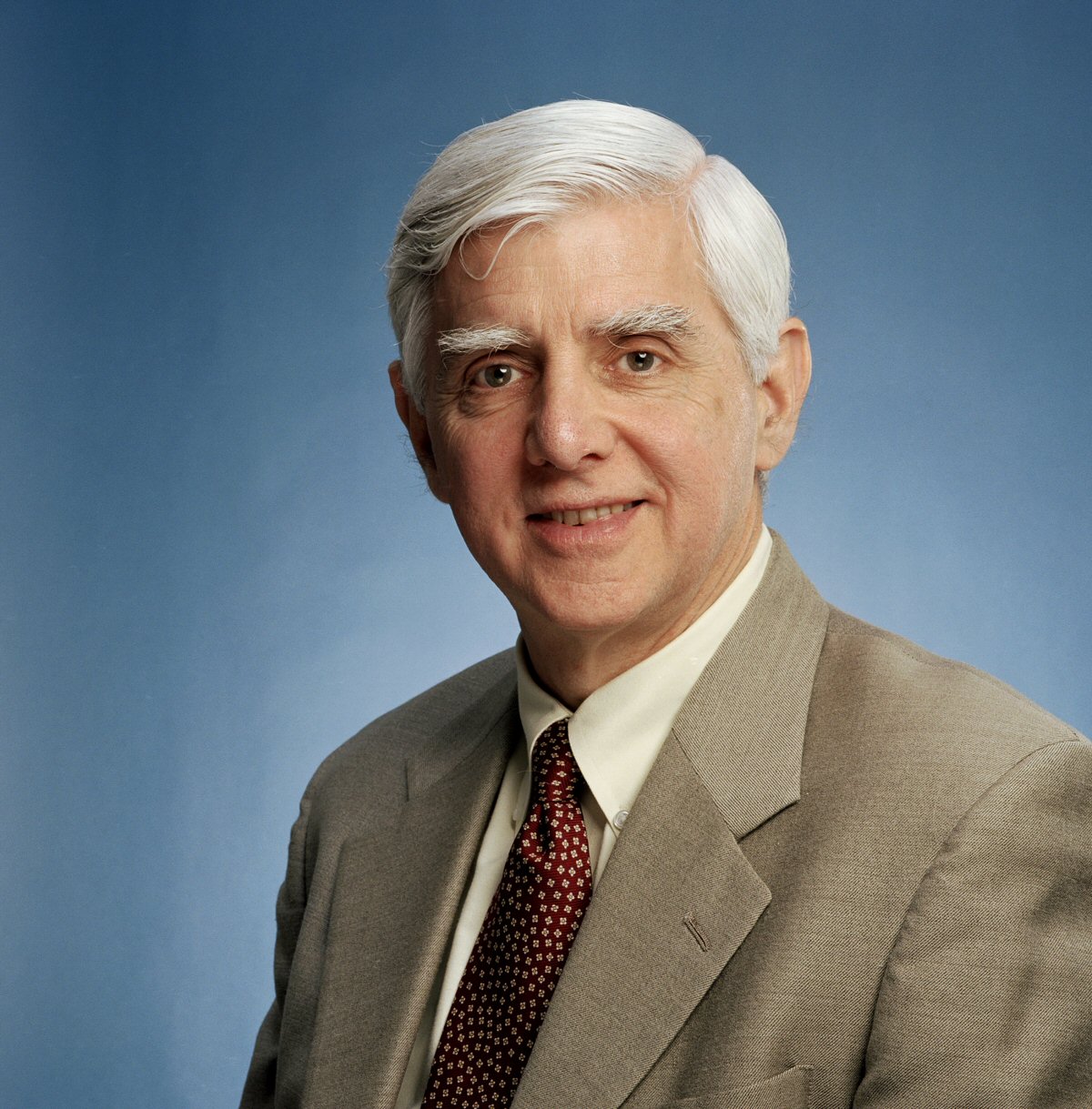
About the Author

Dr. Albert Keidel

Former Senior Associate, China Program

Keidel served as acting director and deputy director for the Office of East Asian Nations at the U.S. Department of the Treasury. Before joining Treasury in 2001, he covered economic trends, system reforms, poverty, and country risk as a senior economist in the World Bank office in Beijing.

    Recent Work

  • Article
    As China's Exports Drop, Can Domestic Demand Drive Growth?

      Dr. Albert Keidel

  • Article
    China’s Fourth Quarter 2008 Statistical Record

      Dr. Albert Keidel

Dr. Albert Keidel
Former Senior Associate, China Program
Albert Keidel
EconomyChinaEast Asia

Carnegie does not take institutional positions on public policy issues; the views represented herein are those of the author(s) and do not necessarily reflect the views of Carnegie, its staff, or its trustees.

More Work from Carnegie Europe

  • Commentary
    Strategic Europe
    Europe Should Not Let Nuclear Nonproliferation Die

    Amid uncertainty caused by the Iran war, the global drive for nonproliferation has stalled. With Europe diplomatically marginalized and countries reassessing their nuclear options, efforts to curb the spread of nuclear weapons risk becoming irrelevant.

      • Jane Darby Menton

      Jane Darby Menton

  • Commentary
    Can Europe Compete with the United States and China?

    Between the United States’ market-driven approach and China's state-led industrial strategy, Europe is reckoning with how it can remain competitive in the global economy. But is Europe in danger of becoming a U.S. or China colony?

      Noah Barkin, Anu Bradford

  • Article
    Rewiring the South Caucasus: TRIPP and the New Geopolitics of Connectivity

    The U.S.-sponsored TRIPP deal is driving the Armenia-Azerbaijan peace process forward. But foreign and domestic hurdles remain before connectivity and economic interdependence can open up the South Caucasus.

      • Areg Kochinyan

      Thomas de Waal, Areg Kochinyan, Zaur Shiriyev

  • Research
    Planetary vs International Security: Economic Growth at the Crossroads

    Economic growth is at the heart of a dilemma between planetary and international security.

      Olivia Lazard

  • Commentary
    Strategic Europe
    Europe and the Arab Gulf Must Come Together

    The war in Iran proves the United States is now a destabilizing actor for Europe and the Arab Gulf. From protect their economies and energy supplies to safeguarding their territorial integrity, both regions have much to gain from forming a new kind of partnership together.

      • Rym Momtaz

      Rym Momtaz

Get more news and analysis from
Carnegie Europe
Carnegie Europe logo, white
Rue du Congrès, 151000 Brussels, Belgium
  • Research
  • Strategic Europe
  • About
  • Experts
  • Projects
  • Events
  • Contact
  • Careers
  • Privacy
  • For Media
  • Gender Equality Plan
Get more news and analysis from
Carnegie Europe
© 2026 Carnegie Endowment for International Peace. All rights reserved.







