

Commentary
The EU’s new migration policy is not suited to today’s realities. With climate change increasingly becoming a driver of displacement, Europe needs to rethink its deterrence-focused approach.
Shana Tabak
{
  "authors": [],
  "type": "pressRelease",
  "centerAffiliationAll": "dc",
  "centers": [
    "Carnegie Endowment for International Peace"
  ],
  "collections": [],
  "englishNewsletterAll": "menaTransitions",
  "nonEnglishNewsletterAll": "",
  "primaryCenter": "Carnegie Endowment for International Peace",
  "programAffiliation": "MEP",
  "programs": [
    "Middle East"
  ],
  "projects": [],
  "regions": [
    "Middle East"
  ],
  "topics": []
}
REQUIRED IMAGE
FOR IMMEDIATE RELEASE: July 11, 2007
- NEWS RELEASE -
WASHINGTON, July 11—Islamist women are increasingly involved in political processes and could spawn a full-fledged Islamist movement for women’s rights, finds a new study by the Carnegie Endowment. In Women in Islamist Movements: Toward an Islamist Model of Women’s Activism, Carnegie scholars Omayma Abdellatif and Marina Ottaway argue that women’s participation in Islamist movements reflects a growing trend toward women’s activism in the Arab world, though quite different from Western norms.
Through interviews and conversations with women belonging to Lebanon’s Hizballah, Egypt’s Muslim Brotherhood, and other Islamist organizations across numerous Arab nations, the authors found an energetic debate among women activists on their newfound role as political actors.
Key findings:
“Secular women’s nongovernmental organizations (NGOs) led by educated women have only limited outreach outside the urban upper class they come from,” write the authors. “Islamist movements, in contrast, have proven themselves adept at building a broad following across social classes. If women activists become more influential, Islamist movements could become important instruments—possibly the most important instruments—for promoting the rights of Arab women.”
###
Notes:
Carnegie does not take institutional positions on public policy issues; the views represented herein are those of the author(s) and do not necessarily reflect the views of Carnegie, its staff, or its trustees.

The EU’s new migration policy is not suited to today’s realities. With climate change increasingly becoming a driver of displacement, Europe needs to rethink its deterrence-focused approach.

Shana Tabak
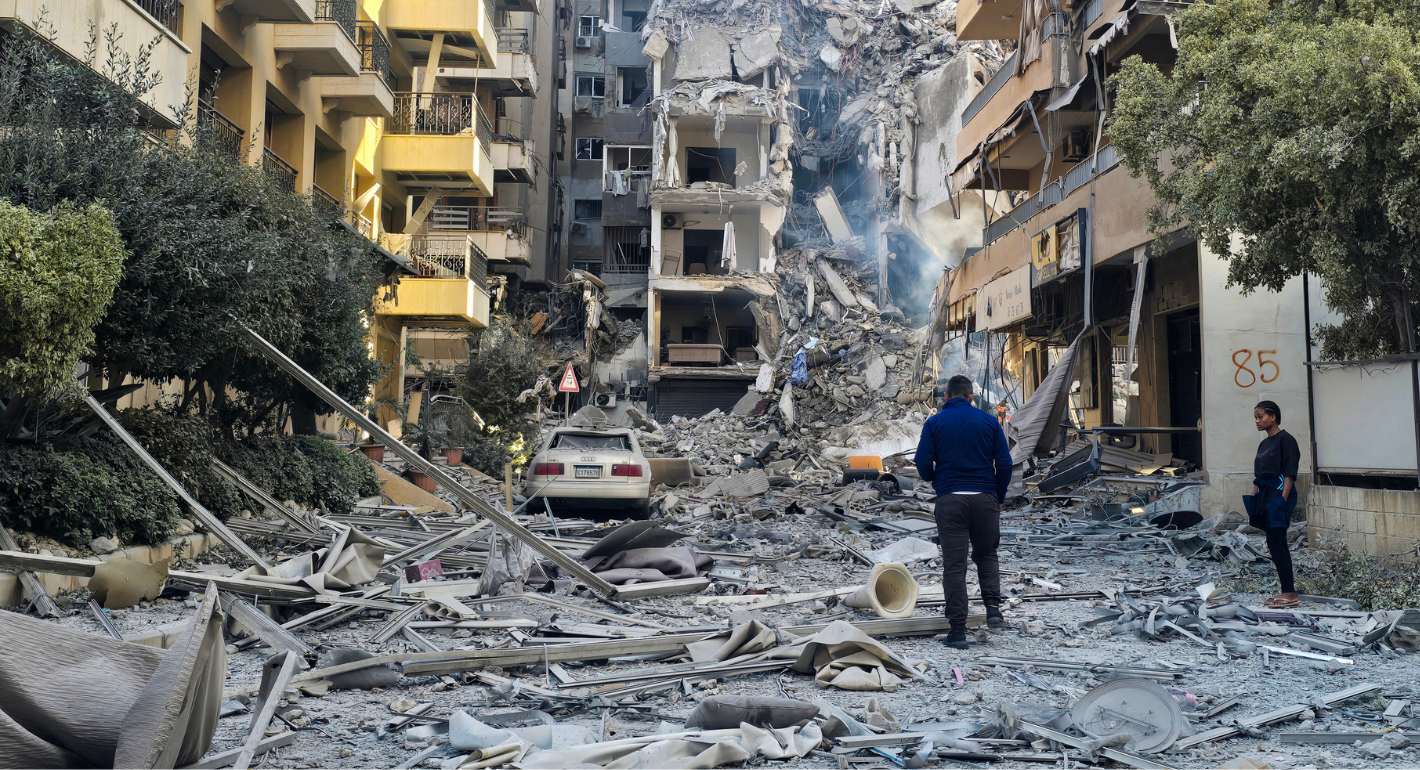
Europe seems to have accepted its sidelining in the Middle East. The EU must reassert its support for the international rules-based order and step up engagement.

Rym Momtaz
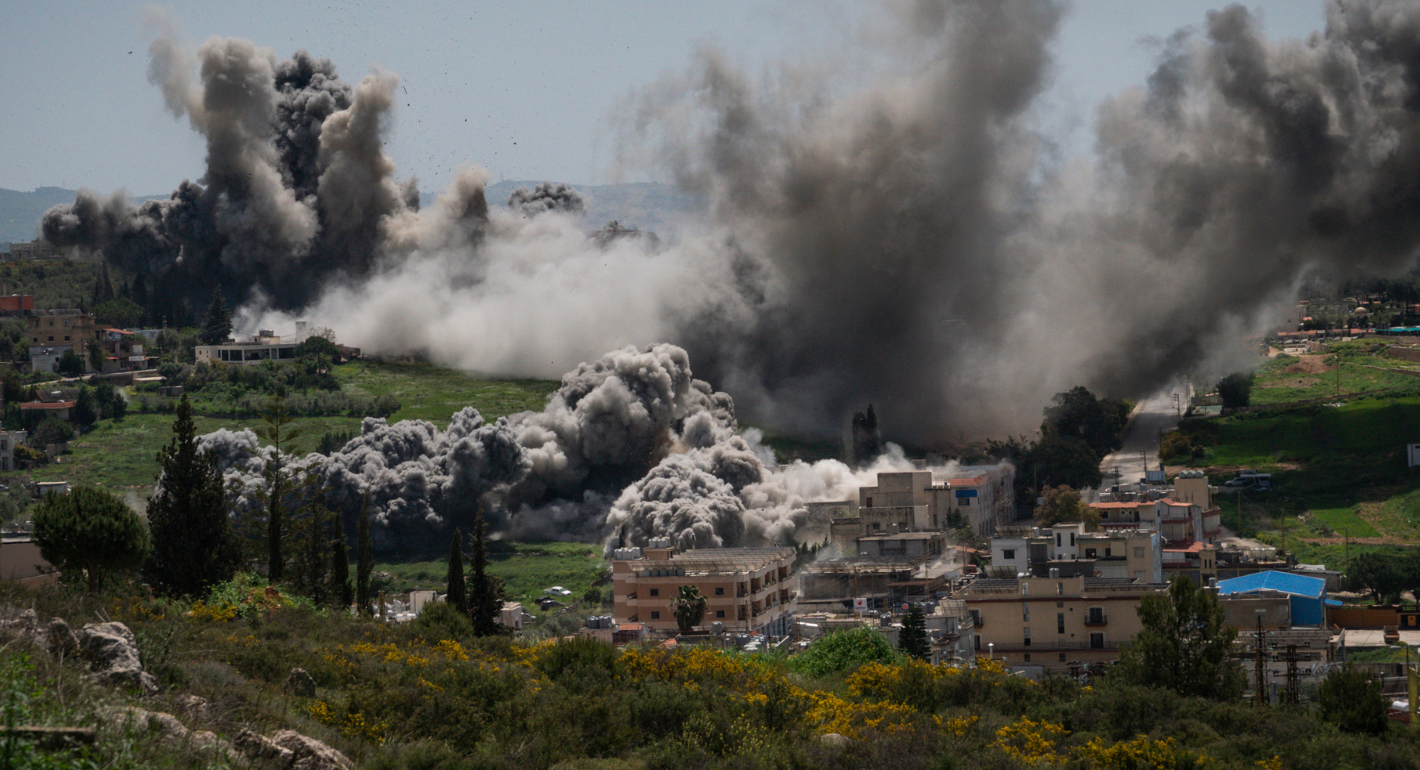
Europe has been standing by while its Southern neighborhood is being redrawn by force. To establish a path to peace between Israel and Lebanon, it’s time for Europeans to get involved with hard power.
Rym Momtaz
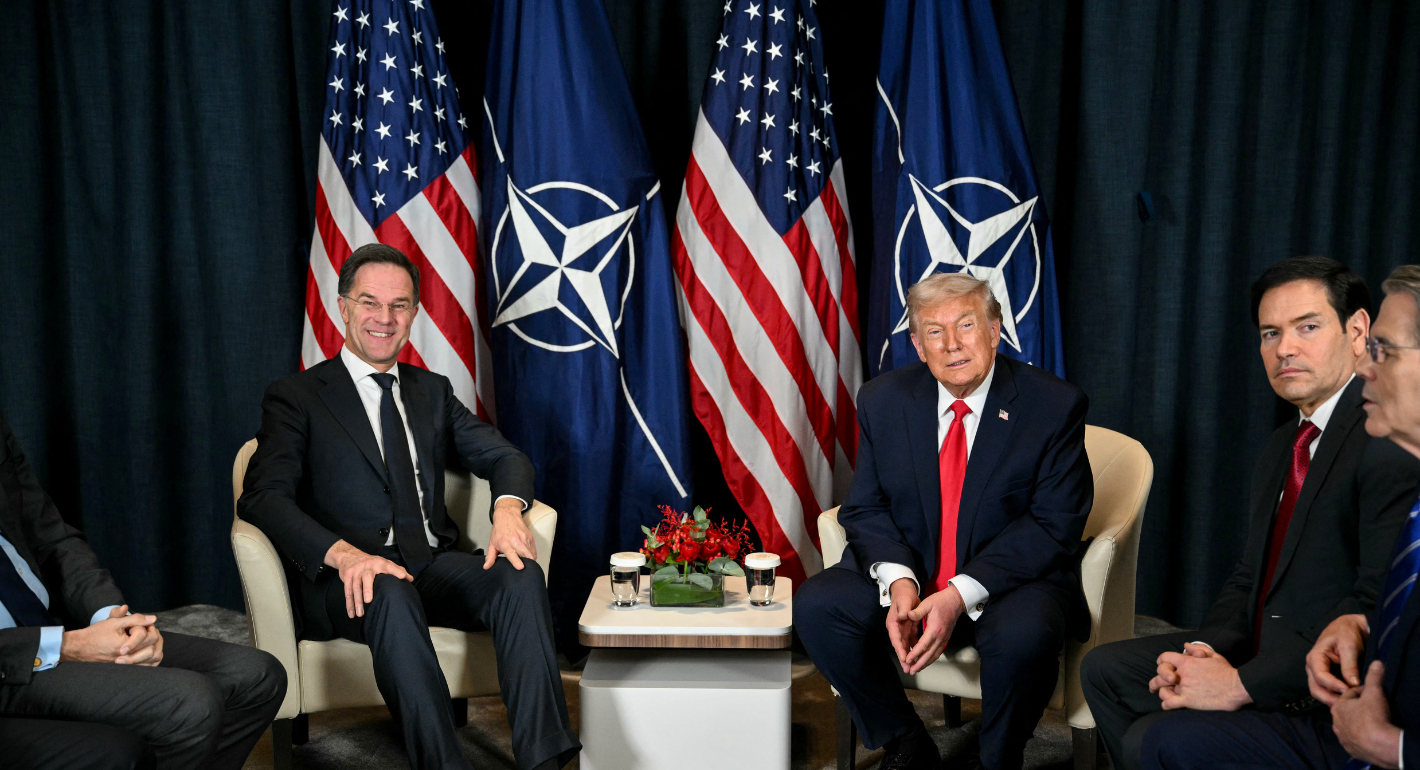
Donald Trump has demanded that European allies send ships to the Strait of Hormuz while his war of choice in Iran rages on. He has constantly berated NATO while the alliance’s secretary-general has emphatically supported him.
Rym Momtaz, ed.
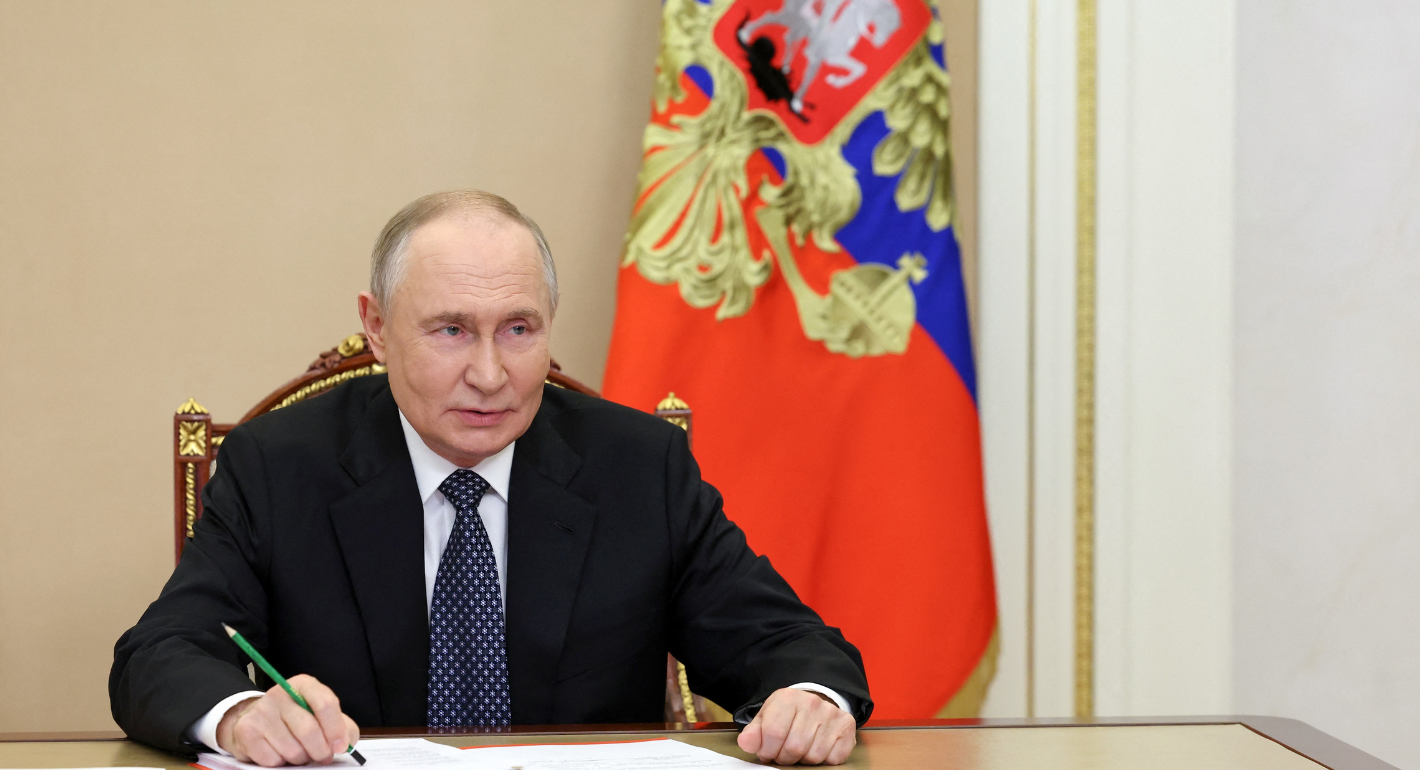
The war in Ukraine is costing Russia its leverage overseas. Across the South Caucasus and Middle East, this presents an opportunity for Europe to pick up the pieces and claim its own sphere of influence.


William Dixon, Maksym Beznosiuk